

“Tres Bocas”: enjoyment and joy as a refuge for the LGBT community
The documentary portrays the experiences of trans, transvestite and LGBT people in the Tigre Delta during carnival under the military dictatorship.


Share

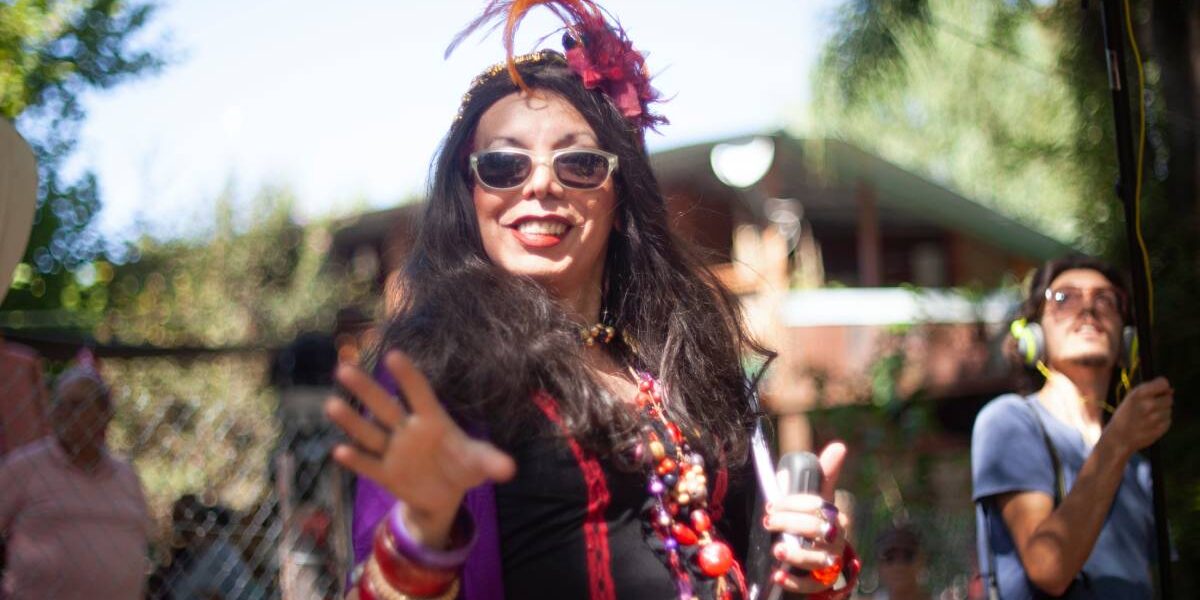
BUENOS AIRES, Argentina. “I arrived in the Delta almost by chance. When we started walking, I was thinking, wow! So many people like me!” says Alicia Mamerto. Her testimony is quickly followed by two gay men talking about makeup and sequins, and deciding what to wear for that night's festivities.
It's Carnival, but it's not just any Carnival: it's Carnival in the Tigre Delta , at the Tres Bocas dock , and while the island is filled with transvestites, gay men and lesbians dancing, in the city, the military dictatorship would arrest any of them who dared to do the same.
Directed by Agustina Comedi and produced by the Diversity and Gender Area of the Conti Cultural Center , the short documentary Tres Bocas portrays how, during a deeply repressive era, the Tigre Delta functioned as a refuge for the LGBTQ+ community.
At that time, the island was almost entirely inhabited by dissidents, and the community that formed there was truly diverse and harmonious; even some heterosexual couples participated in the gatherings. Reviving the culture of Carnival in its full splendor, private homes served as stages for dance shows, comedy, and all kinds of entertainment.
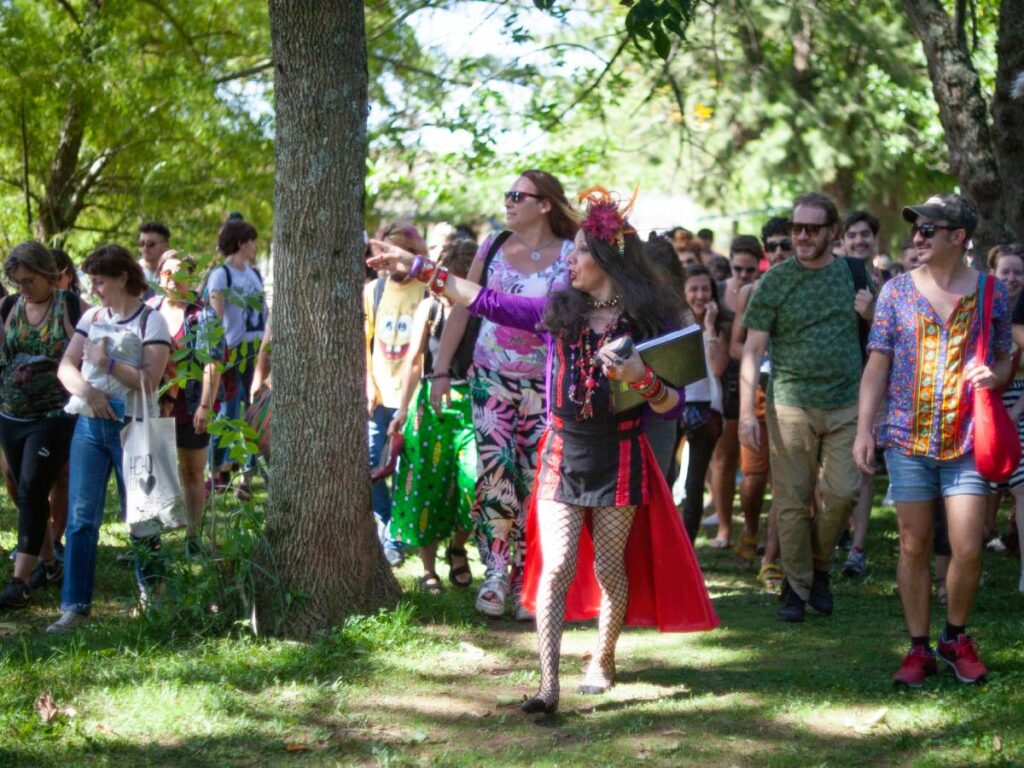
Colors and sequins in complete darkness
The short film uses a wealth of archival footage showcasing the costumes adorned with flowers and glitter, the improvised outfits, and above all, the atmosphere of complete freedom that reigned there . A place where adults felt young again and where everyone could be themselves.
This is perhaps the most remarkable element of the documentary: it's an archive of the military dictatorship, but its images are nothing like what we're used to seeing from that era. “Tres Bocas” reminds us that celebration is also a form of political action , and that moments of repression can also be fought from within that space.
As Lola Berthet, director of the Conti Cultural Center, pointed out to Agencia Presentes , “the forms of struggle against horror were diverse, and celebrating was also a form of protest in times of planned misery , censorship and persecution of popular joy.”
“Festivals are a vital part of LGBT folklore, intimately linked to our political history,” Mariano Rapetti, Coordinator of the Diversity and Gender Area at Conti, explained to Presentes . “We want to reclaim some of the political dimension of enjoyment and celebration; some of that can be beneficial not only for our community but for the entire country. History can be made by embroidering a carnival costume, not just by riding a horse in the mountains. At Conti, we will recognize their role in the fight for Human Rights. Political organizations were formed and other networks were built at these gatherings; it has always been this way. It is important for the times we are living in now and for those to come,” he added.
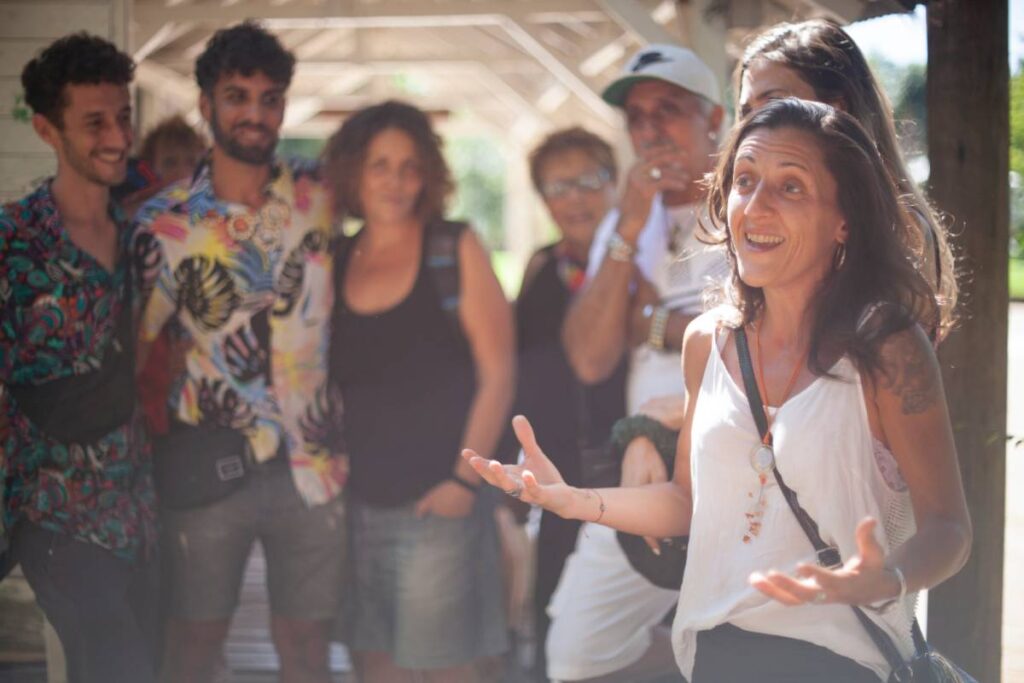
The starting point
“Tres Bocas” is the first in a series of short films that will form an archive of parties. The Delta experience, which began in 1945 and brought together very diverse and varied groups, seemed like a good place to start.
“When they contacted me to participate in the documentary, I felt great,” Alicia, who frequented the Delta during the dictatorship and testifies in the short documentary, told Presentes . “I felt it was a part of my story that I had always wanted to tell, that always seemed glorious to me despite the pain it caused for the community, glorious because we created a ghetto there in a way. We were more like comrades, there was more to fight for.”
In this regard, Alicia emphasized that she observes much more self-importance in the community today, something she detests. “We have enough reasons to unite, not to divide,” she added.
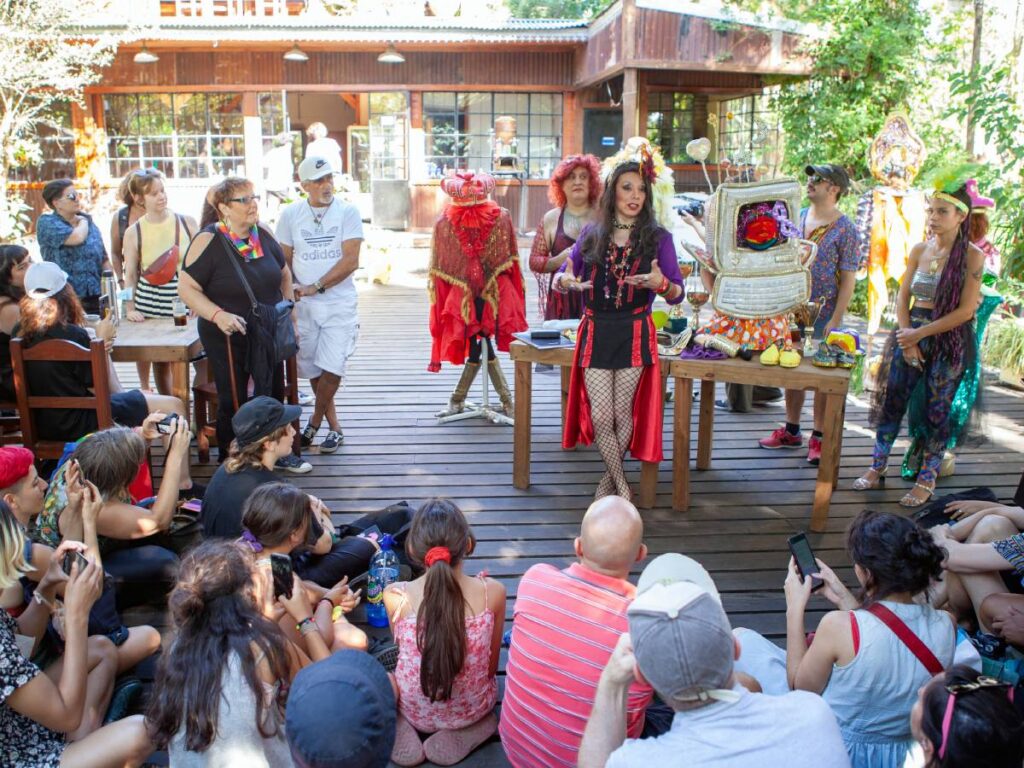
A portion of happy memories
“Tres Bocas” not only portrays the political importance of the celebration as a refuge or tool for transformation, but also makes visible a united LGBTQ+ community at a time when there was an attempt to make it invisible.
The short film, then, is a tribute to the community at large, as well as to those who risked their lives not only to participate in the gatherings but, in the case of heterosexuals, to cover for and protect those in danger during certain police raids.
“Many friends are no longer with us. This is a tribute to all those people who dared to dress up, put on a mask, make others laugh, and come out of the dreaded closet that becomes a prison,” said Alicia. “It’s wonderful to know that it’s a story filled with pain, but also sown with hope. It would do this wonderful generation of young people to see it, to know that we are, in a way, their ancestors.”
The short film will be available soon on Canal Encuentro.
We are present
We are committed to journalism that delves into the territories and conducts thorough investigations, combined with new technologies and narrative formats. We want the protagonists, their stories, and their struggles to be present.
SUPPORT US

FOLLOW US
Related notes


We are present
This and other stories are not usually on the media agenda. Together we can bring them to light.