

What is the second shelter for trans women that opened in Mexico like?
The Catherinne Danielle Márquez Children's Home - promoted by trans activist Kenya Cuevas - operates in Morelos and is already receiving its first residents.


Share

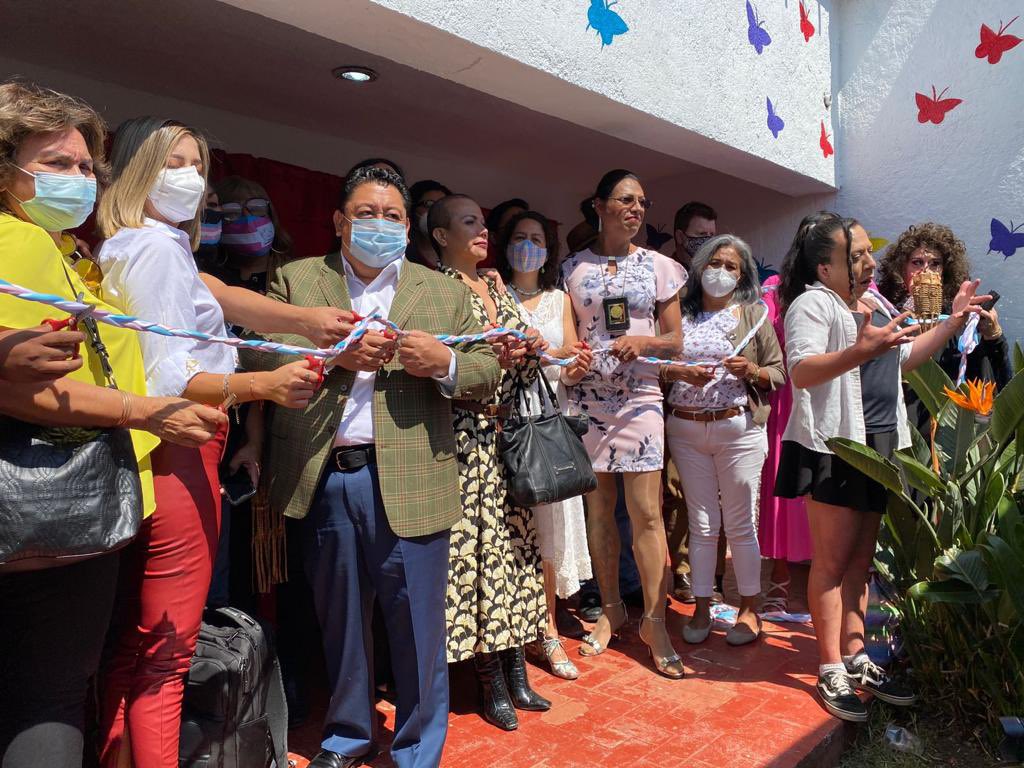
MEXICO CITY, Mexico. In the city of Cuernavaca, Morelos, human rights defender Kenya Cuevas inaugurated the Catherinne Danielle Márquez Shelter yesterday. The second shelter for transgender women in Mexico provides housing, food, and comprehensive support to them and other vulnerable individuals.
The shelter is named after Catherinne Danielle Márquez, a friend of Kenya, psychologist, educator, and co-founder of Casa Hogar Paola Buenrostro , who died in 2020. “Catherinne helped build the comprehensive methodology of Casa Hogar and the structure of what is now Casa de las Muñecas Tiresias Morelos,” Kenya said during an interview .
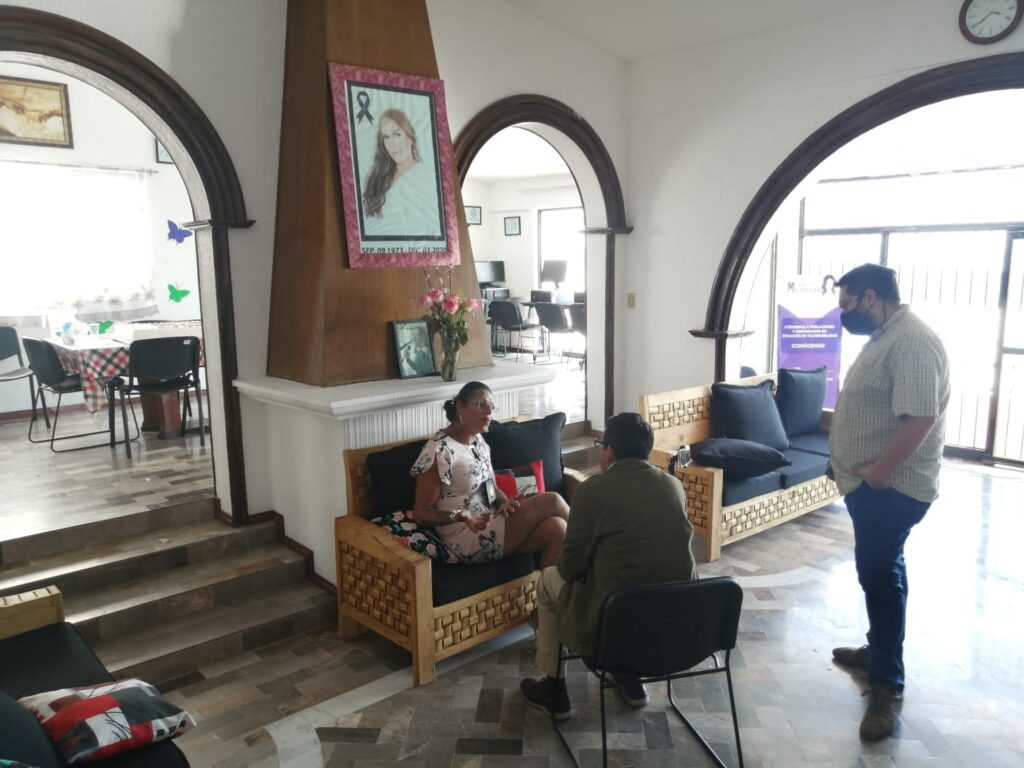
The first residents of the shelter are three people. The Catherinne Danielle Márquez Children's Home will be coordinated by Shell Josué Morales, who will be responsible for traveling to municipalities throughout Morelos to promote it.
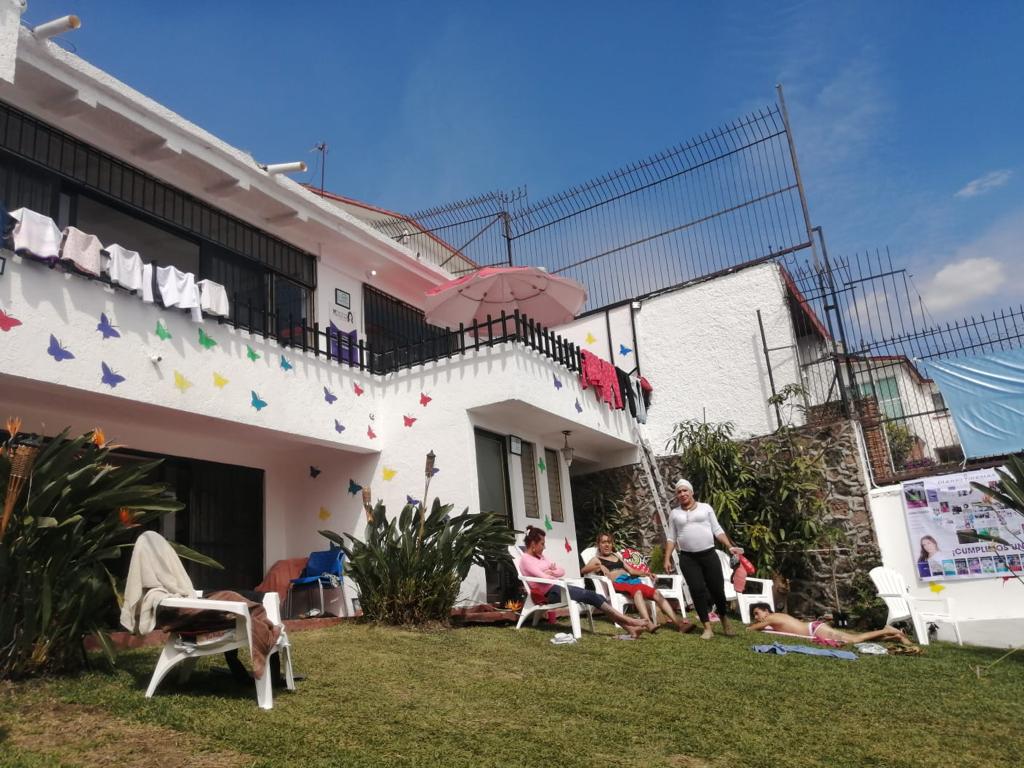
Painted white with colorful butterflies, it's located at number 202 Pedro de Alvarado Street in the Lomas de Cortés neighborhood of Cuernavaca, Morelos, the city of eternal spring. It has areas for various activities, including a "cyber school," green spaces, and a swimming pool.

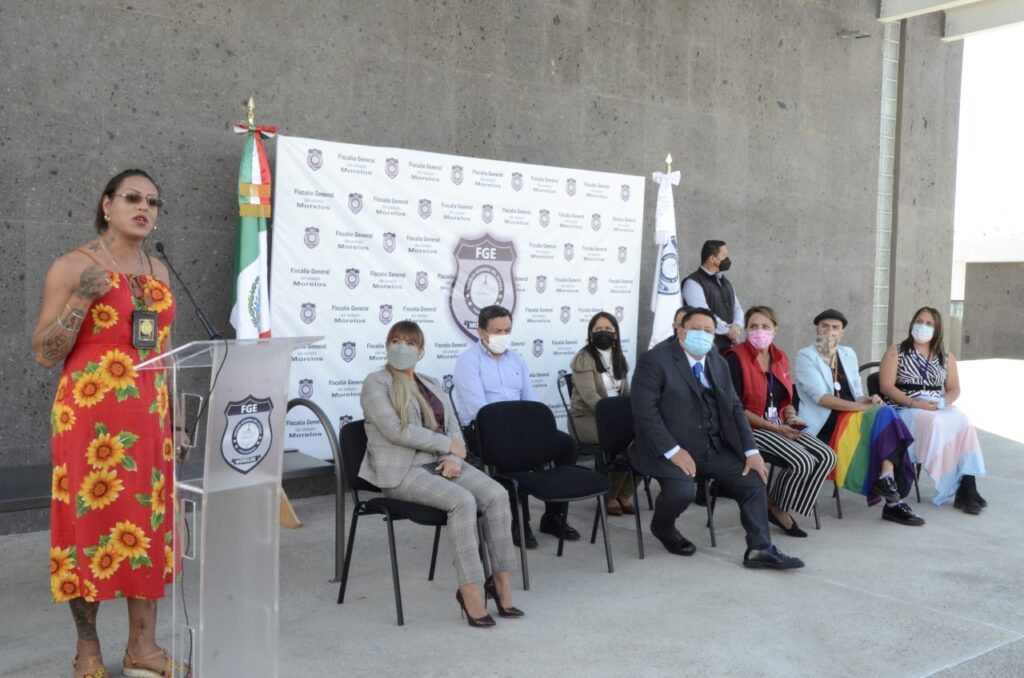
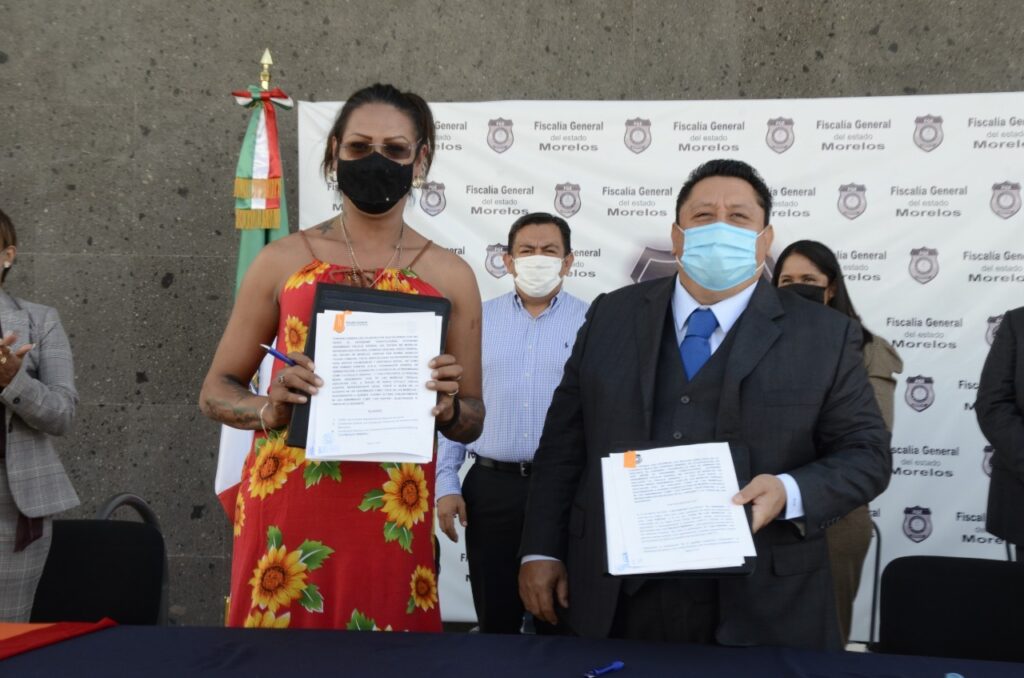
In addition to opening this shelter, Casa de las Muñecas Tiresias signed an agreement with the Attorney General's Office of the State of Morelos. It seeks to guarantee access to justice for transgender people and promote institutional actions with a gender perspective in the state.
Alida Martínez, a trans activist from Morelos and coordinator of Casa de las Muñecas Tiresias Morelos, commented yesterday during the inauguration of the shelter that this is the first time that the Morelos Prosecutor's Office "listens and meets with members of the LGBT+ population."

Kenya's dream, and that of many others
Kenya Cuevas is known for her resilience. In 2016, she began her fight for justice for the transphobic murder of her friend Paola Buenrostro , and in that process, she herself became a victim of institutional violence. Finally, after five years, the Mexico City government publicly apologized to her.
“Kenya never stops.” That’s what many people who know her say. She founded her non-profit organization, Casa de las Muñecas Tiresias, in 2018. During the Covid-19 pandemic in 2020, she began operating Casa Hogar Paola Buenrostro . Now she has opened a second shelter for transgender people and other vulnerable individuals.
“My destiny was very clear. To begin a fight for visibility, for transformation, and to work with institutions, to embark on a path of training. That has meant a lot of hard work. There are times when I ask God that the day has 28 hours because life isn't long enough. Caring for others, defending their rights, getting calls at three in the morning telling you that a sister has just been murdered, or that they're putting us in the police car. We've had to nurture and shelter all these situations from Casa de las Muñecas Tiresias,” Kenya Cuevas began, opening the microphone at the inauguration of the new shelter for trans women in Cuernavaca.
How to build community
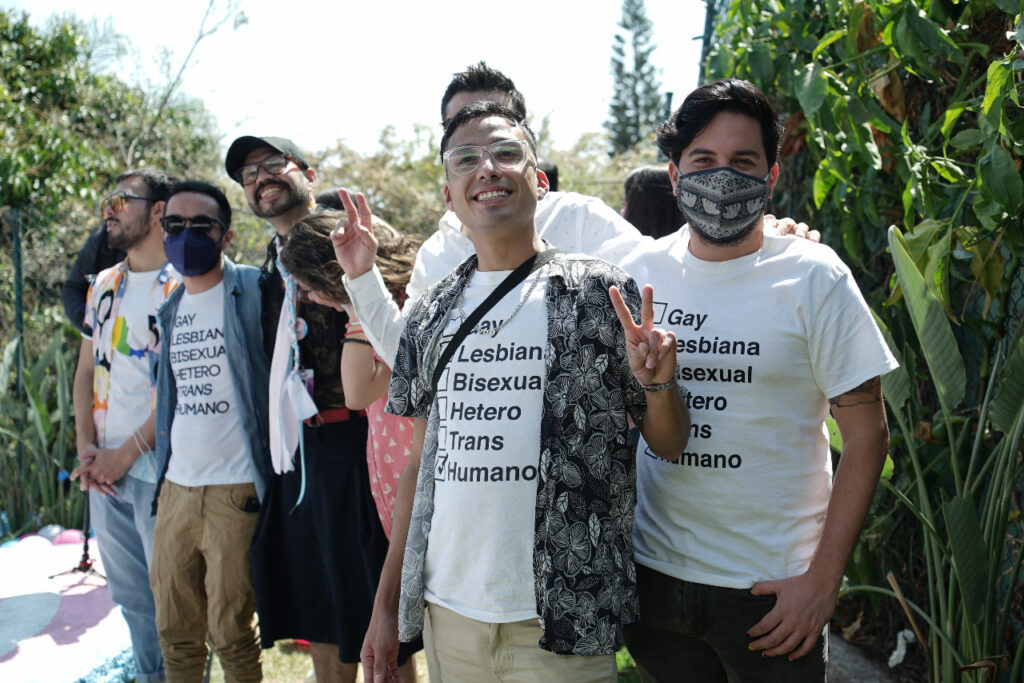
The opening ceremony was attended by members of the first shelter. Among them was Michel, a trans woman living with a disability. “I wanted to express my gratitude because thanks to Kenya and the shelter, I was able to study. I couldn't read, but I finished elementary and middle school. Now I'm going for high school because I don't want to stay here. It's never too late to learn. My goal is to reach other trans people with disabilities and tell them that it is possible. I found this place, and now I know where I belong.”
Alejandro Brito, director of Letra S, recalled how he has witnessed Kenya's struggle. "Today you give us all a lesson: how to build community, and this model should be replicated."
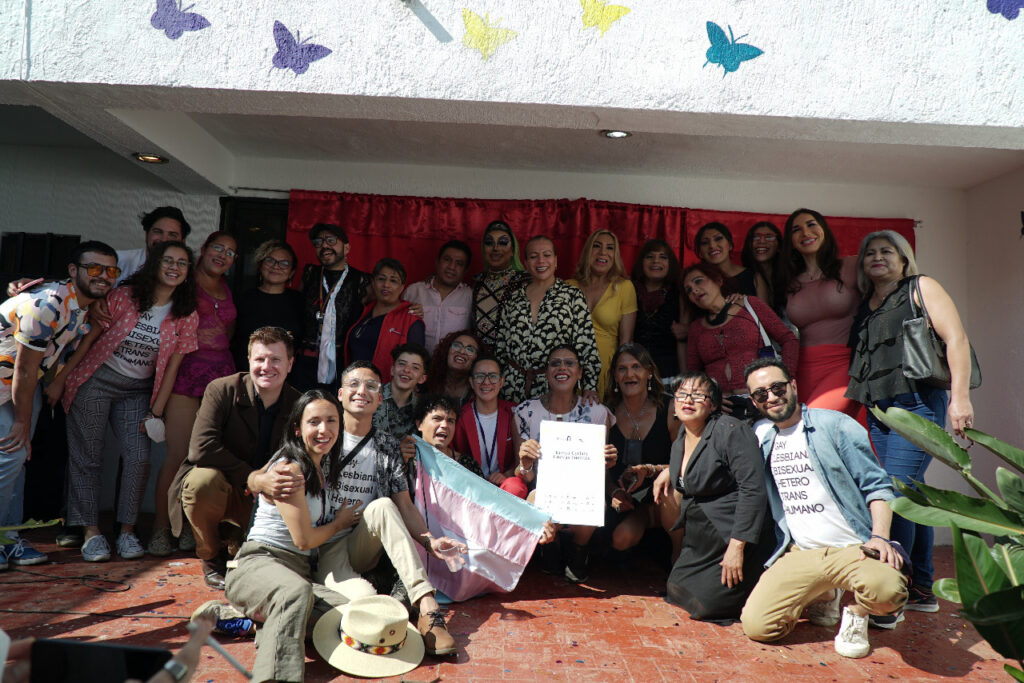
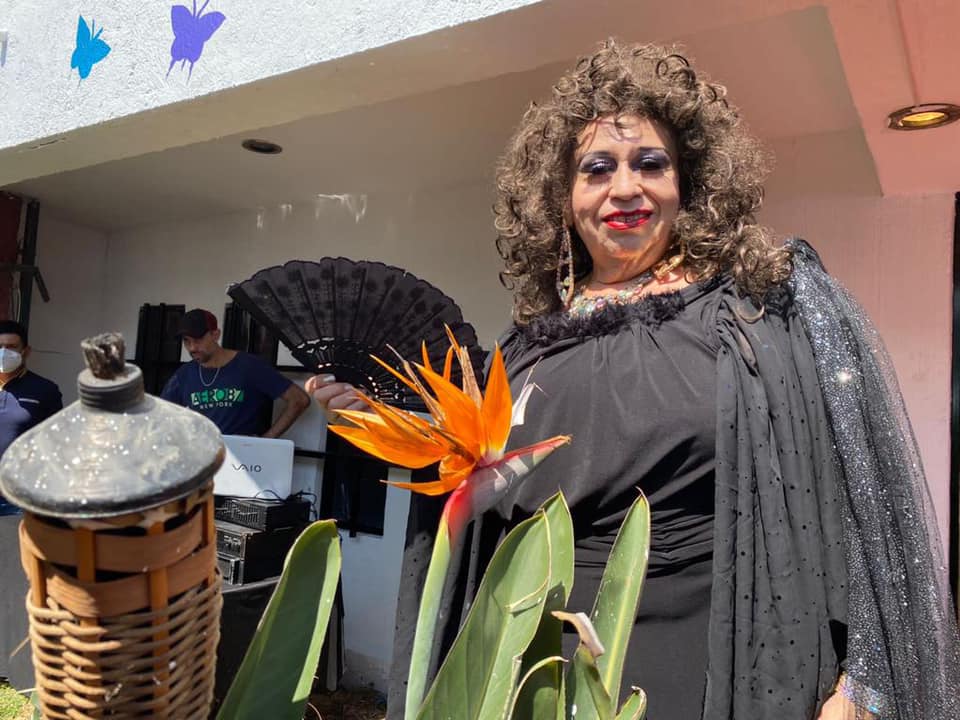
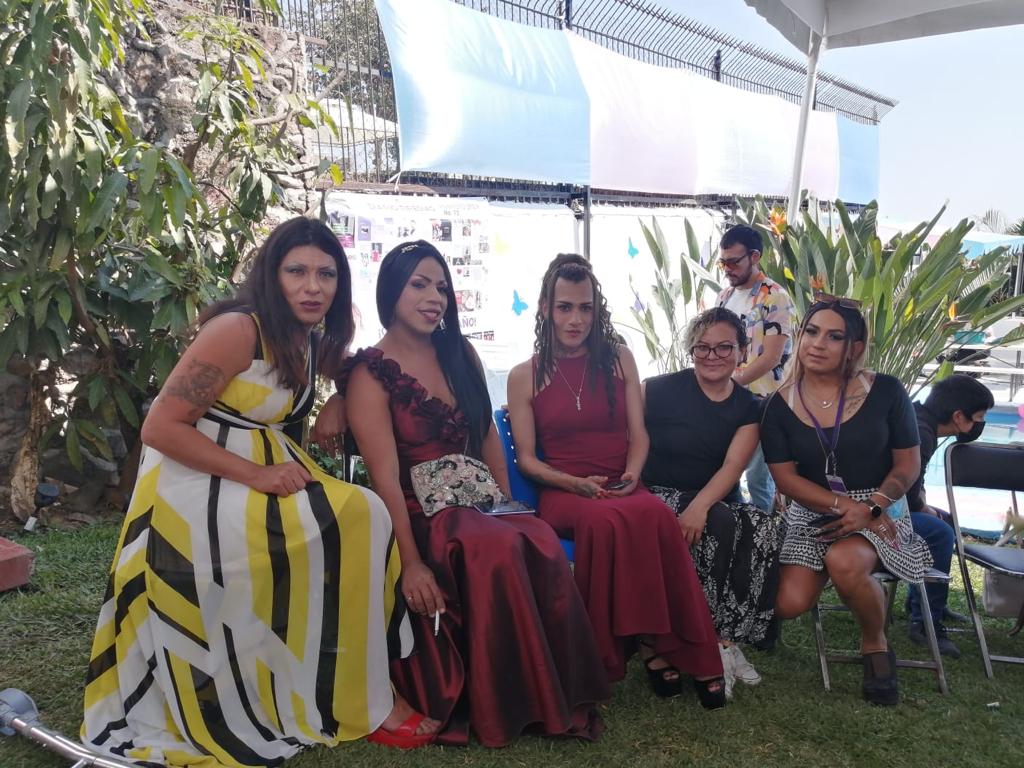
The inauguration was attended by members of the Paola Buenrostro Children's Home and the Tiresias Dolls' House; LGBT+ activists from Morelos and Mexico City; members of the Morelos Attorney General's Office, including the Attorney General and the specialized prosecutor of the femicide unit; transgender congresswoman Salma Luévano; singer Regina Orozco; and drag performers who put on an impersonation show.
Why in Morelos: the strategy
Morelos ranks fifth in hate crimes against LGBT+ people, according to Letra S. Furthermore, the Observatory of Hate Crimes against LGBT people has recorded at least 14 crimes in the last five years: 12 murders and 2 disappearances, one of them that of Dr. Elizabeth Montaño .
“Morelos has been a state impacted by transfemicides where an adequate line of investigation has not been pursued. We want to bring the progress we have made in Mexico City with the Prosecutor's Office, the specialized unit for transfemicides ,” Kenya added in an interview.
Morelos recently approved reforms guaranteeing the identity of transgender people over the age of 12. Kenya considers this a "great step forward," but clarifies that "this will not guarantee non-discrimination or violence."
Kenya and her team worked for just over a year in close collaboration with government agencies in Morelos, primarily the Attorney General's Office, providing training and awareness-raising support. Their goal: to eradicate inequality and discrimination against transgender people in the state by officials responsible for ensuring access to justice.
Re-educating the Justice System
Fabiola García Betanzos, the specialized prosecutor for femicide in Morelos, announced at the inauguration that the first femicide conviction of a trans woman has been handed down . She also thanked Kenya Cuevas for the "re-education" she has provided to the staff of the Prosecutor's Office.
As part of the agreement, the authorities that today make up the Morelos State Prosecutor's Office also signed the adoption of the National Protocol of Action for the personnel of the Justice Administration, in cases involving sexual orientation or gender identity.
How shelters work
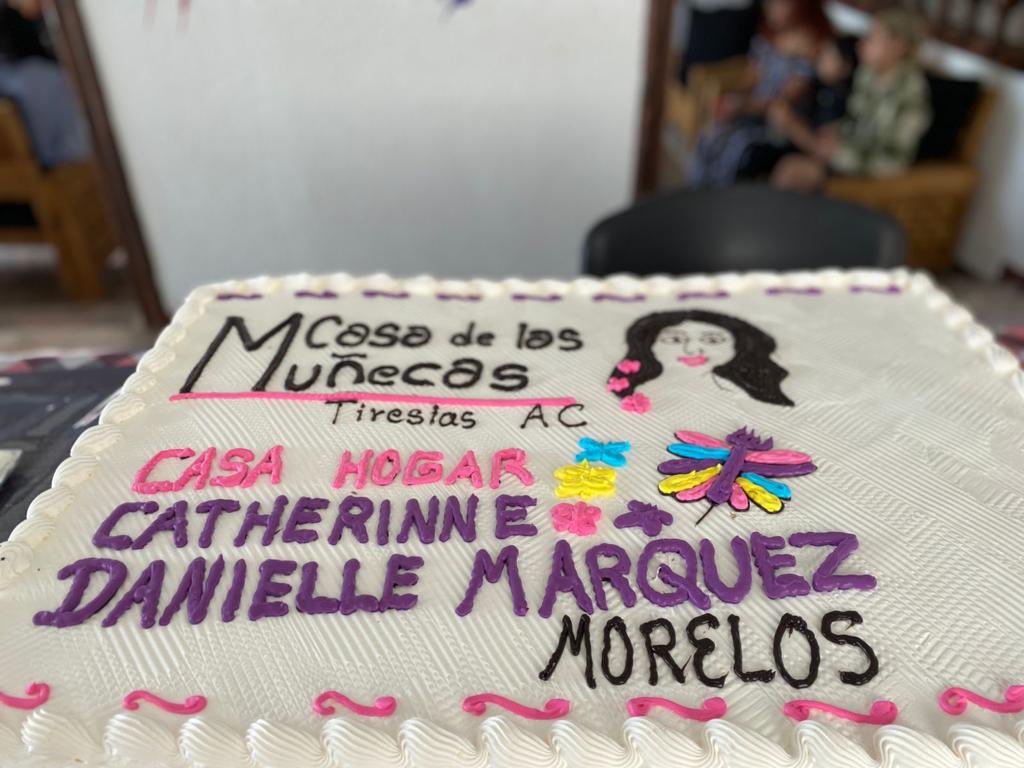
The comprehensive support methodology at both this shelter and the Paola Buenrostro shelter consists of four stages. The first is providing documentation; the second, mental and physical health care. This is followed by admission with school certification, and then "independent living," when individuals who have been at the shelter are able to hold a job and rent a place to live. In addition, there are workshops on economic independence, professional development, and recreation.
Dignified burials
Kenya has also dedicated itself, for three years, to providing dignified burials for transgender women who, even after death, have been victims of institutional neglect. In three years, Kenya has provided wakes and burials for 48 transgender women.
That is why the announcement that, in addition to the shelters, their organization will have its own burial space in the San Lorenzo Tezonco cemetery, in the Iztapalapa district, in the east of Mexico City, is so relevant.
During the inauguration, the commissioner of the Institute of Transparency, Access to Public Information, Protection of Personal Data and Accountability of Mexico City ( Infocdmx ), María del Carmen Nava, commented that according to data provided by the prosecutors, at least 300 transfeminicides have been recognized nationwide in a decade.
Right to identity for persons deprived of liberty
“These are alarming figures, but they are only the ones that are recognized, and in that sense there is a whole culture to be generated, to socialize respect for diversity,” he concluded.
Casa de las Muñecas Tiresias's work with Infocdmx also extends to their upcoming efforts to issue identification cards to incarcerated individuals.
Kenya added, "Let's remember that incarcerated people only lose their right to vote and their freedom. They don't lose their right to identity . Without an identity in prison, they cannot access education, employment, support their families, or receive training that could contribute to their social, economic, and professional reintegration. The identification card system that will be implemented in Mexico City's prisons will be historic."
We are present
We are committed to journalism that delves into the territories and conducts thorough investigations, combined with new technologies and narrative formats. We want the protagonists, their stories, and their struggles to be present.
SUPPORT US

FOLLOW US
Related notes

We are present
This and other stories are not usually on the media agenda. Together we can bring them to light.