

Manuel Tzoc, the Maya K'iche' artist who makes poetry with memory and desire
"In a racist, macho, classist, sexist, homolesbobitransphobic context, he constantly resists these obstacles."


Share

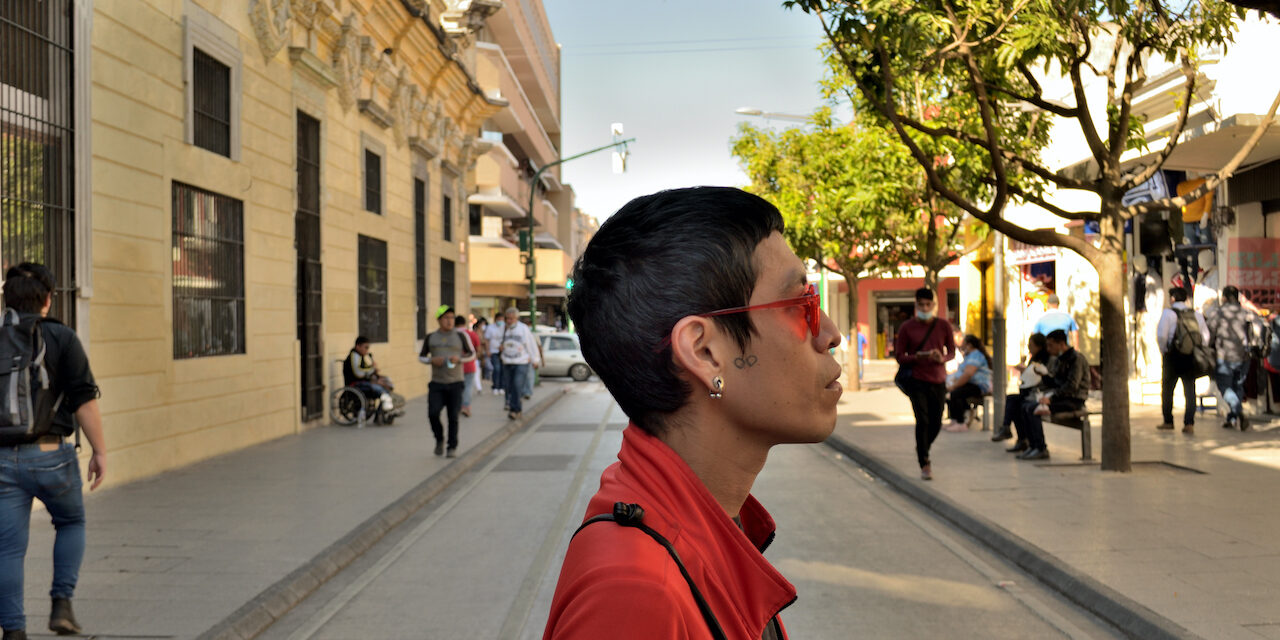
GUATEMALA CITY, Guatemala . Manuel Gabriel Tzoc Bucup is a 40-year-old Maya K'iche' poet who was born in San Andrés Xecul, Totonicapán. Six years ago, he traveled the 280 kilometers from his hometown to Guatemala City to settle there. He considers himself fortunate to have a good relationship with his family and to no longer experience discrimination because of his sexual orientation.
He admits that the process of accepting that identity was very painful during his adolescence. The Catholic religion practiced by his family had a huge influence on him. But as a result, he says, he was able to be honest with himself about his sexual and emotional desires and came out of the closet when he turned 18.
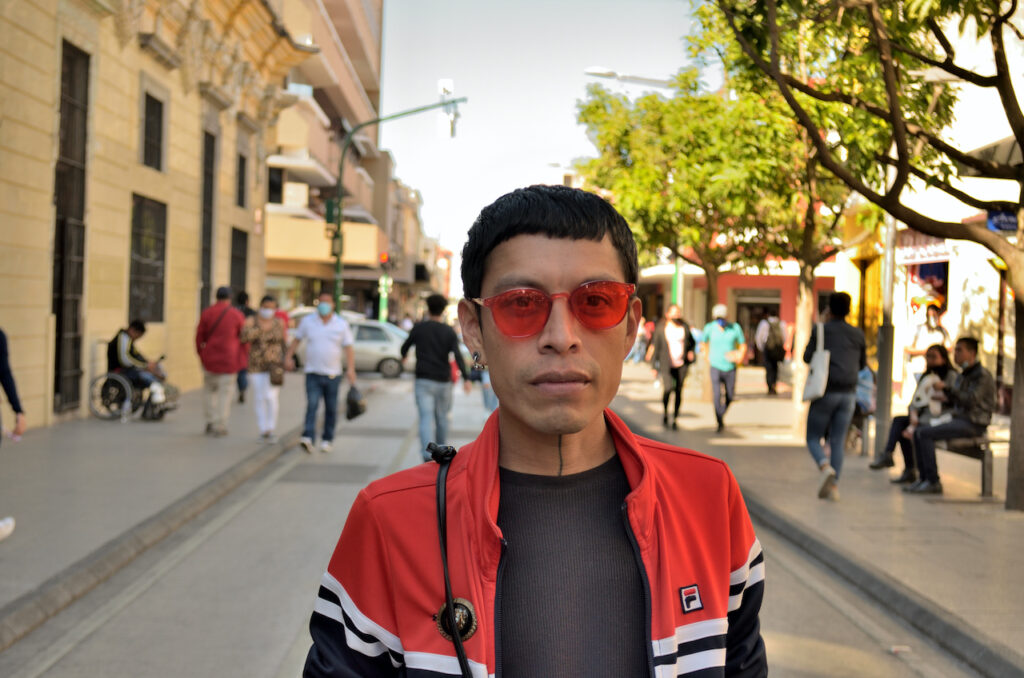
He never practiced the profession he graduated in: accounting expert with a specialization in computing. He also studied art at the ENAP (National School of Visual Arts), Language and Literature at the state university, and completed a diploma in Contemporary Art at the Municipal School of Art, in the old Post Office building. However, he considers his artistic training to have been self-taught. For many years, Manuel worked as a vendor in the family food business at the Zone 4 bus terminal in Guatemala City.
Today, Manu, as he's also affectionately known in the city, is a full-time poet and visual artist. An interdisciplinary artist with a background in poetry, he blends diverse aesthetic languages to create.
Poetry, refuge and safe space
He began writing poetry when he was 20. He needed a refuge and a safe place to express his desires and feelings. ” (Gunpoets for a Death in Verses), was published by a local alternative publishing house called Folio 114 when Manu was 25.
Among his literary influences are the Guatemalan poet Isabel de los Ángeles Ruano, the Guatemalan poet Francisco Nájera, and the late visual artist Francisco Tún. He attributes to Tún a great capacity for risk-taking and a forward-thinking approach to his creative ideas. In one of his stories, Manu states that the book * El tiempo principia en Xibalbá* by the Guatemalan author Luis de León "marked and guided his life," and it was through this book that he began writing poetry.
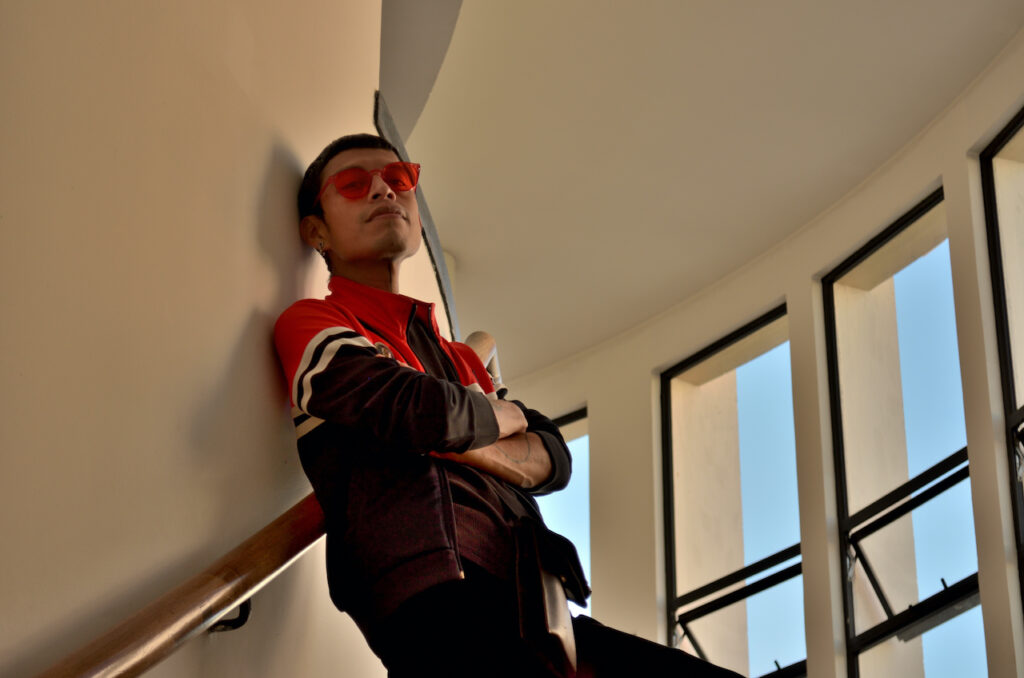
-Do you consider yourself an artist?
Yes, I have to take risks. If you were to ask me, "Do you like living?" I would answer, "Yes, despite the risks involved." There are days when I love life and others when I hate it. It's the same with my profession as an artist.
-What is it like to be a dissident poet against heteronormativity in Guatemala today?
–It's about making visible other sexual and emotional desires outside of heteronormativity. It's about metaphorizing desire for the flesh, the body, love, tenderness, and diverse spirits, among other things.
-Have you encountered obstacles due to stigma towards your non-heteronormative and indigenous identity?
-In this complex country, unfortunately, yes. In a racist, macho, classist, sexist, homophobic, lesbophobic, and transphobic context, resistance to these obstacles is constant.
-What is your poetry like?
-For me, they're like "small acts of terrorism," in which we all come out "hurt." It's often violent, sometimes touching. It's direct, uncomfortable, but honest in its spirit. Experimental in its form, content, and concept.
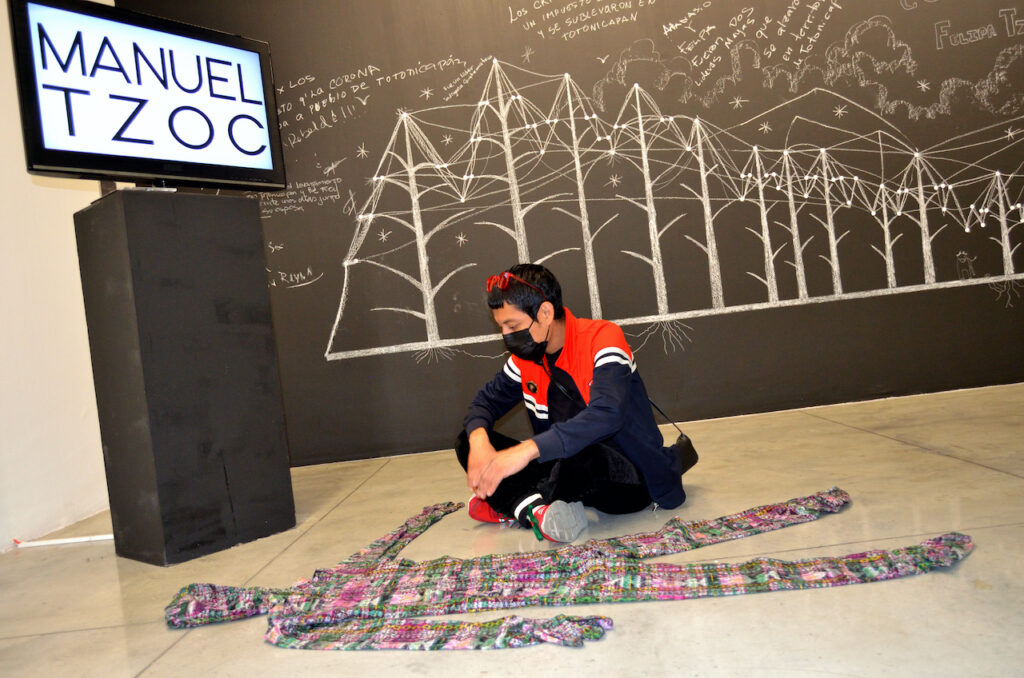
Her work has been featured in various art exhibitions, including "For Rent" CCE/G at the Spanish Cultural Center in Guatemala City and at Western Carolina University's Fine Art Museum. She has published five books of poetry with national and international publishers, and two artist's books.
-What are object-books to you?
-These are books that break away from the concept of traditional books in both format and content. It's a fusion between object and word, between language and artifact.
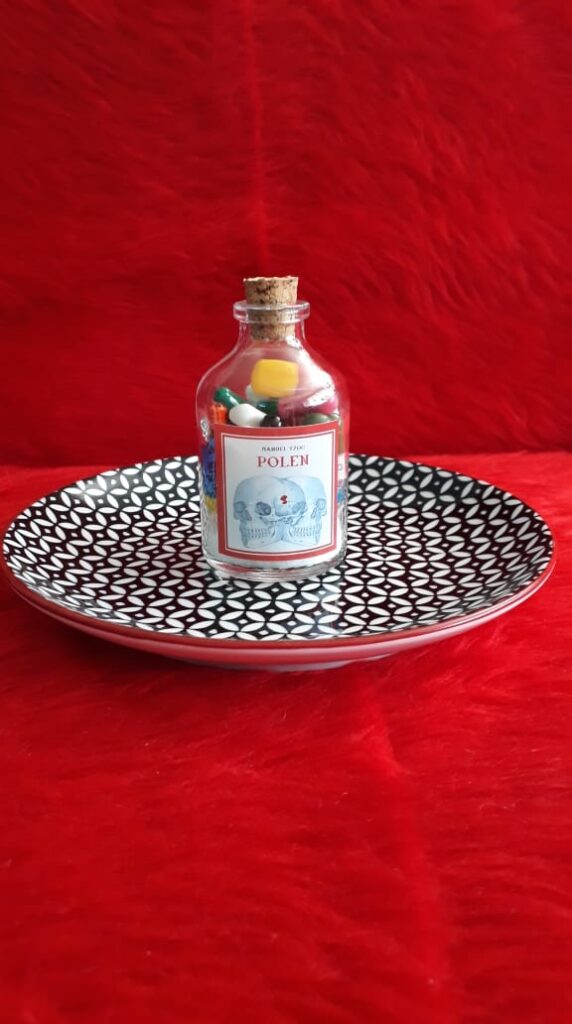
One example is Polen (Limited Edition 2014), a more conceptual title, a book shaped like a glass jar containing brightly colored capsules—yellow, blue, green, brown, and red—each filled with strips of paper. Pollen is the flower, and the capsules are the petals, while the content is expressed poetically. Language is the pollen that the reader-bees consume.
“My death / is empty books hanging on a bombed wall / my body is the empty, bombed wall,” says one of Polen’s poems.
Memory of corn
Her most recent work is a performance piece about the indigenous gastronomic memory of corn. It explores the practice of reinterpreting ancestral objects such as the grinding stone, meat, and corn.
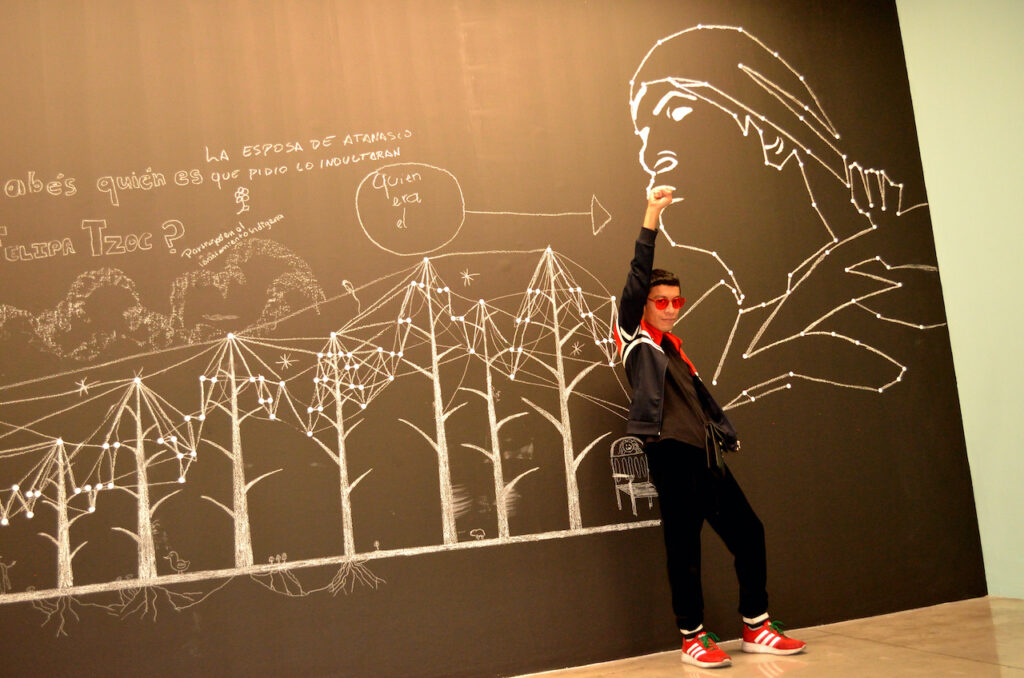
“Based on my research into the origin and meaning of my first Maya K’iche’ surname, Tzoc, and the ancestral element caa (grinding stone in the K’iche’ language), I decided to create simple images. Minimalist metaphors between this element and my body, offering a poetic and visual narrative of the origin and creation of humanity, according to the mythology of our sacred book, the Popol Vuh, combined with the ancient and contemporary oral traditions of the indigenous peoples.”
In this piece, Tzoc uses his mother's grinding stone and its corresponding stone mallet, which he has decorated with an inscription bearing the performance's name in red automotive paint. This performance evokes memories of his mother kneeling and grinding rice and corn to make her sensational tamales through body movements, gestures, her smile, and the joy she felt cooking "that Mayan delicacy" for everyone.
Indigenous and Marika, urbanite and poet
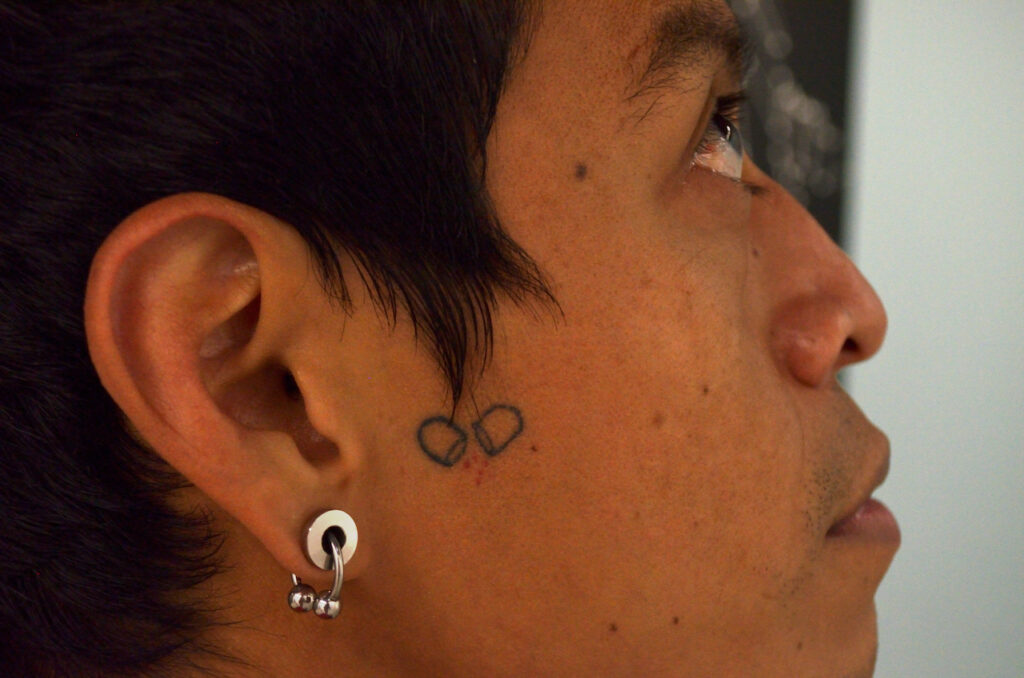
Manu's poetry encompasses four memorial panoramas: Indigenous identity as seen through memory, queer/homosexual desire as expressed through affective sex that does not conform to heterosexual desire, the urban context as a battleground, and poetic thought as its weapon of combat. This intersectional identity speaks to making visible all the layers of a person or group that continue to be oppressed by the State, the church, and society.
Identifying as gay and homosexual led to productions like "Gay(o)" and another book with previously unpublished homoerotic content. "I tend to mix everything, prepare a kind of cocktail of concepts and emotions... savor it all together and perceive each one on my palate," he says. "Positioning myself politically from these identities has meant working on them, analyzing them, reflecting on them, and building them from memory and desire."
We are present
We are committed to journalism that delves into the territories and conducts thorough investigations, combined with new technologies and narrative formats. We want the protagonists, their stories, and their struggles to be present.
SUPPORT US

FOLLOW US
Related notes

We are present
This and other stories are not usually on the media agenda. Together we can bring them to light.