

They are building a decent home for elderly transgender women in Paraguay
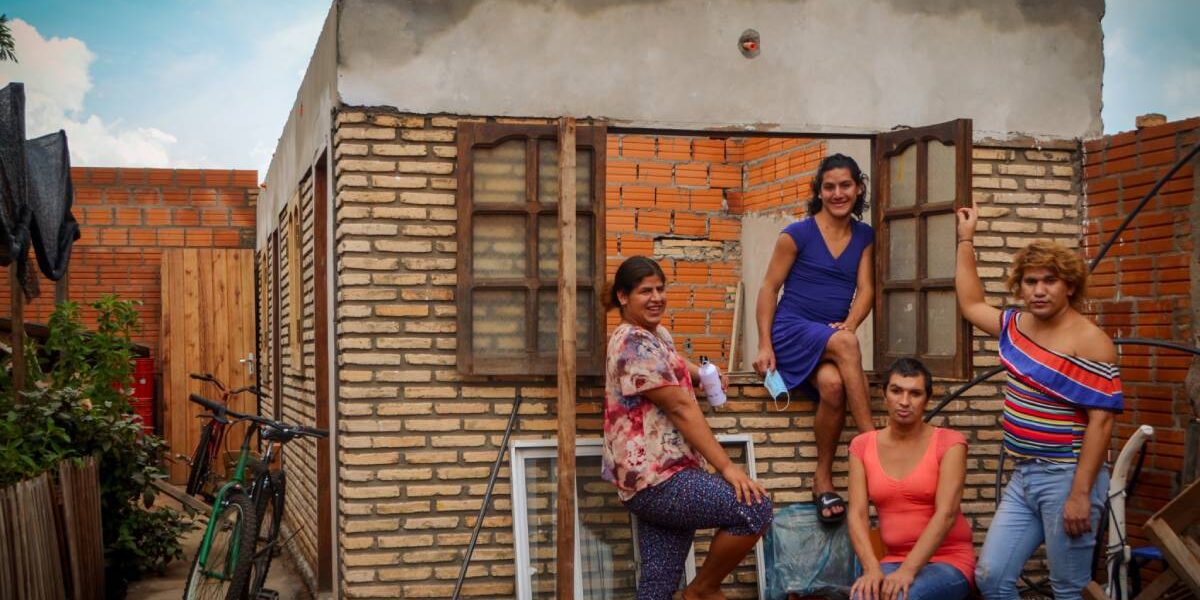
Transvivienda is a project to build a house for elderly trans women.


Share

ASUNCIÓN, Paraguay. “The rent doesn’t wait for you. They kick you out, they throw you out, or they take your things and you end up on the street,” says Yren Rotela, founder of Casa Diversa, the first community center with an emphasis on trans people .
Job insecurity, sex work as the primary source of income, prejudice, and insufficient income have had a disproportionate impact on the living conditions of transgender people's actual access to basic social rights. However, housing is one of the most severely affected issues.
The social acceptance of gender identity in transgender people represents a turning point in their life trajectories. From a very early age, they migrate from one place to another without a place to put down roots. From then on, they begin to travel a path marked by systematic economic and social exclusion, with an impact on all aspects of their lives, such as family, health, work, housing, and safety.
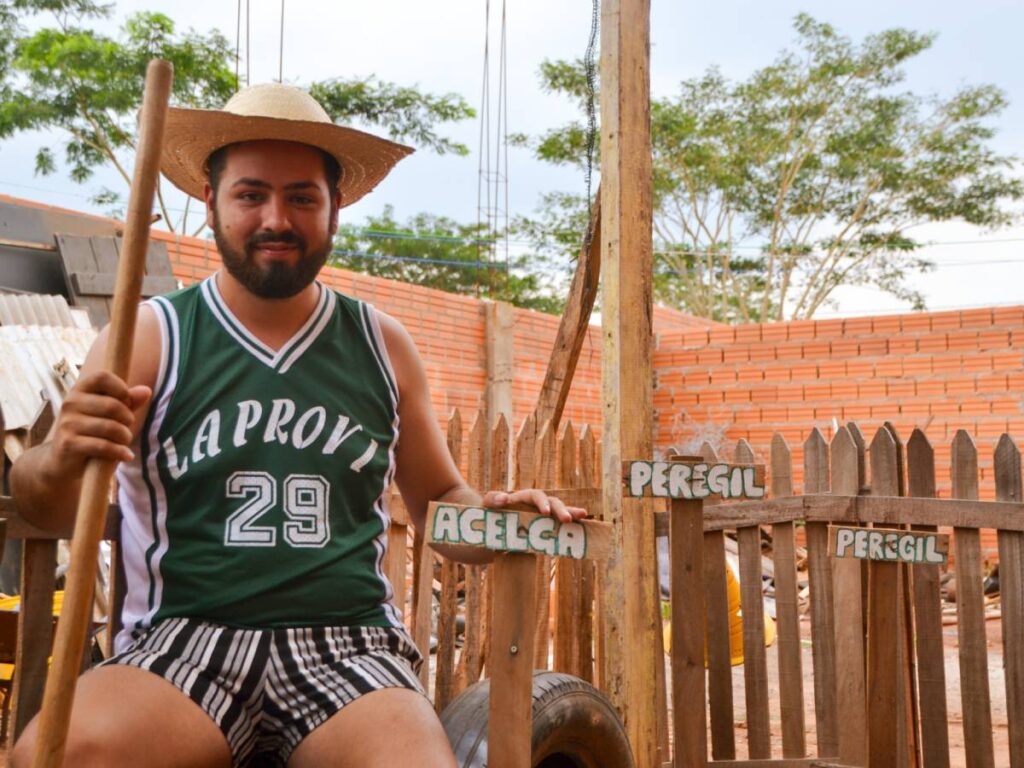
Photo: Jessie Insfran.
No roof over your head, no job, no rights
Genesis is 28 years old and lives at Casa Diversa, located in the district of Julián Augusto Saldívar (28 km from Asunción). She studied journalism at a technical university until her second year, but was expelled when she began her transition. On another occasion, she was fired from a job because of her sexual orientation. These various instances of exclusion led her to sex work.
“On the street you endure cold, heat, rain, hunger, you put up with the guys, the people who come and go, and in the most extreme cases, they come and kill you right there in the street. Nobody knows who did it or investigates. You have to drink alcohol or whatever to be able to endure it because you'll never do anything when you're sober. At night we go out and during the day we sleep all afternoon. Sometimes we go out again without eating anything,” Génesis recounts.
Transgender people are often denied the opportunity to rent an apartment or cannot find affordable housing. This lack of access to decent housing exacerbates the social vulnerability of transgender people.
The most common accommodation alternative is renting hotel rooms, which they consider a precarious option because they have to overcome various obstacles, including giving up a large part of the time they dedicate to their work activities, exposing themselves to risky situations and receiving inflated rental prices due to discrimination.
“Many of my colleagues live in rented places and don't have a stable income; they're sex workers and they're too old for that. Sometimes they're also pressured to raise the rent. Let's say they pay one million guaraníes in rent (143 dollars), and then the next month they want to raise it to one and a half million just because they're trans. Sometimes you pay the landlords you rent to, and before the month is over they kick you out, or you end up paying double ,” says Génesis.
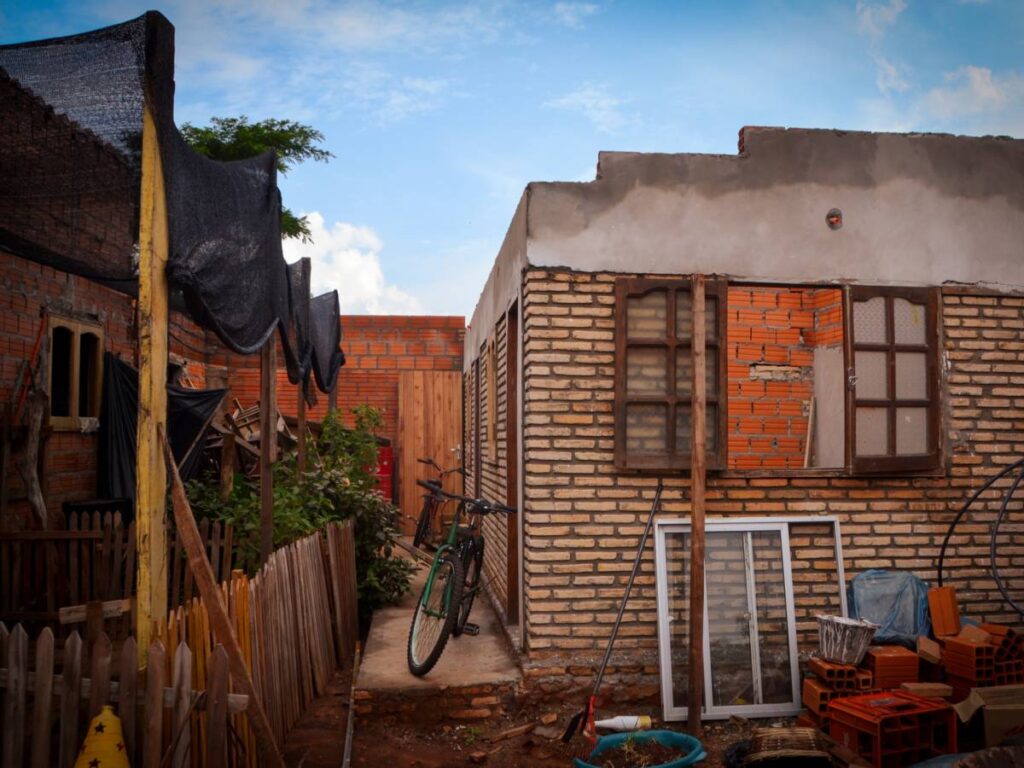
Photo: Jessie Insfran.
The collective solution
In this context , Transvivienda was born, a home for older transgender people. The project is in its first phase and consists of the construction of two bedrooms with shared bathrooms, which will be given to Mónica Ávalos and Liz Paola Cortaza, senior citizens from Casa Diversa.
They will be able to live there without paying rent or utilities and will share the common areas with the other residents. In this way, they will be able to access their own home, which will help improve their quality of life.
“All human beings dream of owning land, but it costs a fortune. Transvivienda was conceived today for Mónica and Liz Paola, the two beneficiaries of the pilot program. We want to show that if we in civil society could achieve it, the State can and must do the same. The idea is that both of them will grow stronger, become more empowered, and gain another tool in their lives. Our advocacy will be so that tomorrow, Flor, Ara, and Moria can access their own homes. And the State has to grant us that right,” says Yren.
According to Yren, none of them are against sex work; it's just that many are now emotionally and physically exhausted. “We reach 30 feeling old. We aren't, but our bodies are damaged. We arrive at that age in very bad shape. Mónica recovered from cancer; today she's in good health, has a job, and if she manages to become independent, she'll be able to leave and get on with her life. That's what we're aiming for. But right now, we want to give her that break,” she says.
Moria is 34 years old and worked in the sex industry for over 20 years. Today, she hopes that won't be the only option for her younger colleagues. “The street comes and drags us down. Some have died, some have gotten married, and some have traveled to another country, but very few are that lucky. I tell Ara and Flor to study so they know how to defend their rights or at least read a rental agreement. I don't want them to go through what I went through,” says Moria.
With few exceptions, most establishments in Asunción do not allow transgender people to enter. This has forced them to migrate to neighboring cities, such as San Lorenzo, which is one of the largest centers of sex work in the country, but also one of the cities with the highest rates of violence against transgender people.
When Casa Diversa moved in, it housed around 30 LGBTQ+ people. But they began experiencing housing problems, including flooding. The last time their house flooded, they had to move all their belongings to the roof and spend time trying to prevent everything from being ruined. During that time, several of their personal items were stolen.
Access to housing through the formal real estate market, with its prices and requirements, becomes unfeasible. Without stable housing, the likelihood of violence increases. That is why, together, they decided to build a safe space that allows them to work, continue their education, and fight for basic rights that are not currently guaranteed to them.
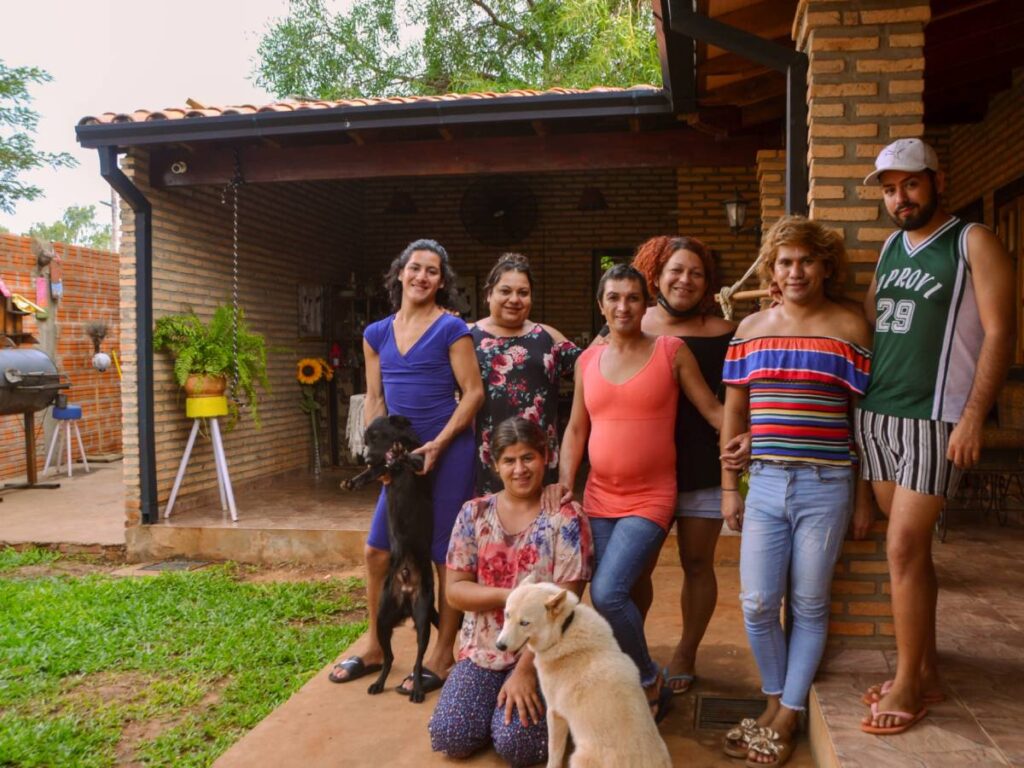
Photo: Jessie Insfran.
We are present
We are committed to journalism that delves into the territories and conducts thorough investigations, combined with new technologies and narrative formats. We want the protagonists, their stories, and their struggles to be present.
SUPPORT US

FOLLOW US
Related notes


We are present
This and other stories are not usually on the media agenda. Together we can bring them to light.