

An openly gay doctor is the new vice president of Chile's Constitutional Convention
Gaspar Domínguez is an environmental and LGBT activist who will lead the work in this new stage within the Constitutional Convention.


Share

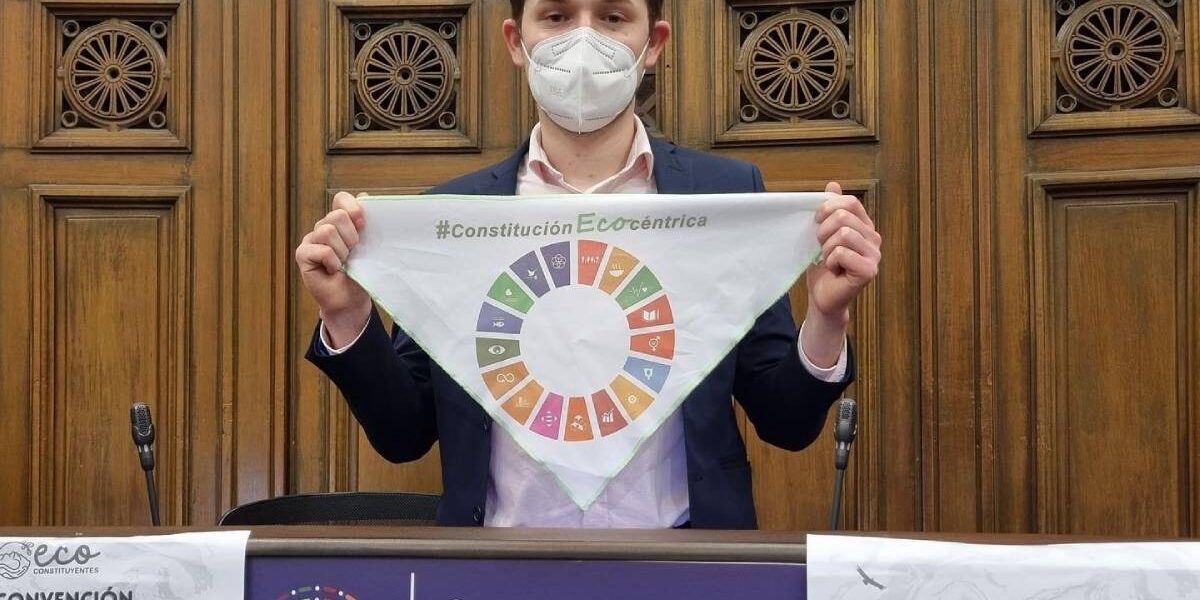
CHILE, Santiago, Chile. Gaspar Domínguez is one of the eight LGBT constituents elected by the Chilean people to write the new Constitution.
On Wednesday, January 5, he became the new vice president of the Constitutional Convention (CC) to lead the second stage of work of the body that has been meeting since July of last year, under the mandate of the Mapuche academic Elisa Loncón and the lawyer and professor Jaime Bassa.
Gaspar is 32 years old, a rural doctor, a graduate of the University of Chile, and holds a master's degree in Public Health. He is openly gay and an activist for LGBTQ+ rights. He is also part of Independents Not Neutral, a movement that won 11 seats in the Constitutional Convention elections.
With 112 votes, she will succeed Bassa and will join María Elisa Quinteros , the new president of the CC, a dentist from the University of Talca, a feminist, and unaffiliated with any political party. She currently works as a researcher and academic in the Department of Public Health at that university.
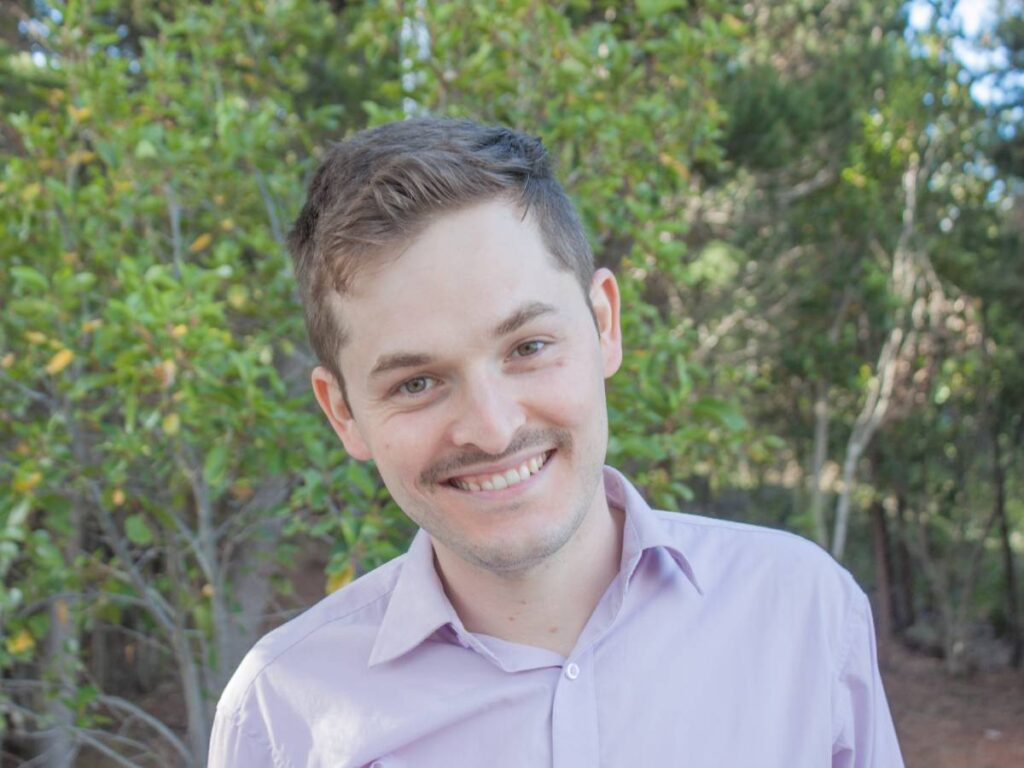
“We have a unique opportunity to delve deeper into a decentralized perspective”
Gaspar's most visible causes are decentralization, health, social security, direct democracy, diversity, and climate change.
When the election results were announced, he dedicated his victory to his mother. She lives in a drought-stricken area, in one of the 184 municipalities declared to be experiencing extreme water scarcity in December, affecting 47% of the population, according to the latest Water Report from the General Directorate of Water Resources. Gaspar said he would work to change that reality.
She also wrote a message on her Twitter about the role she will play in leading what's to come. "We have a unique opportunity in this second stage to deepen our decentralized and collaborative approach with everyone."
That vision led him to win one of the 155 spots to join the CC in the May 2021 elections. On that occasion, he spoke with Presentes about his main motivations, aspirations, expectations, and proposals.
A long journey with activism
His permanent address is in Palena , the southernmost rural area of the Los Lagos Region , where 1,711 people live, according to the 2017 census. Now he travels to Santiago constantly for the CC's face-to-face sessions.
Since 2015, she has worked at the only hospital in Palena, a province also known for its severe connectivity problems, like many of the most remote areas of Chile. Last year, she answered a written and email questionnaire for Presentes .
-How did you get started in activism? What motivated you and what do you remember from those days?
As a student, I participated in organizing activities at my university, along with classmates, in a movement we called Diversidad UChile (University of Chile Diversity). These activities focused on making sexual diversity visible, highlighting a reality that we felt was being omitted from the political scene. I remember that the main motivation was to show other students that LGBT diversity is part of all spaces, even when it's not explicit or is made invisible. I look back on those days with a very critical perspective on our progress and our mistakes. We have learned a lot over the last 20 years about gender and sexual diversity.
-Tell us briefly about your political and community experience.
I have worked as a rural doctor for six years in isolated, rural areas of the Los Lagos Region. The communities where I have lived and worked have faced the challenge of receiving medical care from an openly gay professional, like myself, without having any other professional options. This has provided an opportunity for them to understand that sexual orientation is not a determining factor or condition of an individual's professional qualifications. I have also led innovative projects, such as conducting sex education workshops with a gender and diversity focus in schools in the Palena province. These workshops culminated in the installation of condom dispensers in schools with the participation of parents and guardians, through education and voting. These types of activities highlight, once again, the importance of making the existence of sexual diversity visible. They also underscore the importance of knowledge and education as a preventative measure in terms of sexual and reproductive health.
-What are your main proposals for the new Constitution of Chile?
I want a Constitution that guarantees substantive equality for all individuals, regardless of their sex, gender identity, or sexual orientation . My other areas of focus are decentralization—because Chile is one of the three most centralized countries in the OECD—citizen participation through direct democracy, and the implementation of a universal, solidarity-based, and unified social security system for healthcare.
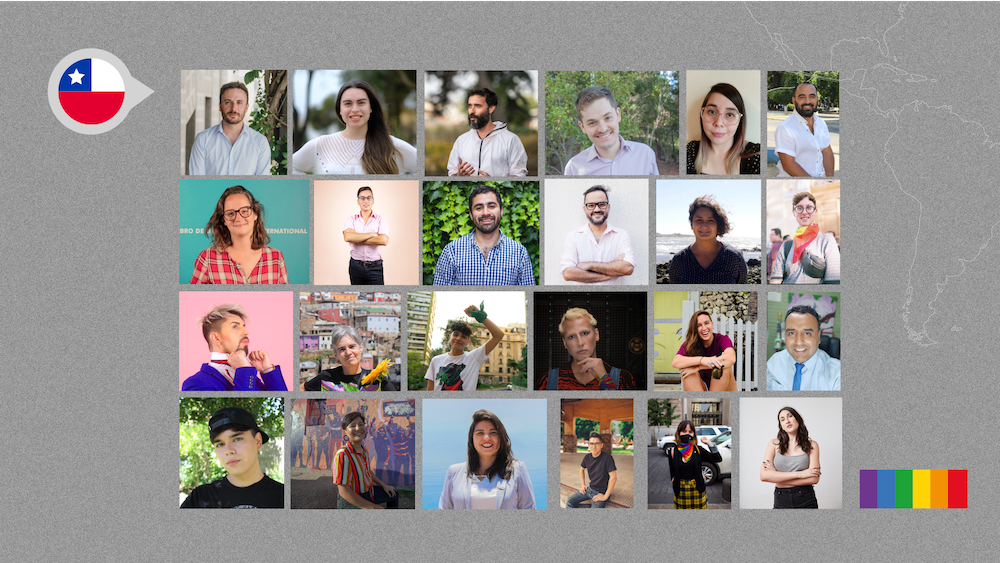
We are present
We are committed to journalism that delves into the territories and conducts thorough investigations, combined with new technologies and narrative formats. We want the protagonists, their stories, and their struggles to be present.
SUPPORT US

FOLLOW US
Related notes


We are present
This and other stories are not usually on the media agenda. Together we can bring them to light.