

Argentina 2021 Review: With a trans job quota law and non-binary ID cards, without Tehuel
In one year, 68 transgender people died; 10 were murdered. Discrimination and institutional violence are the main causes.


Share

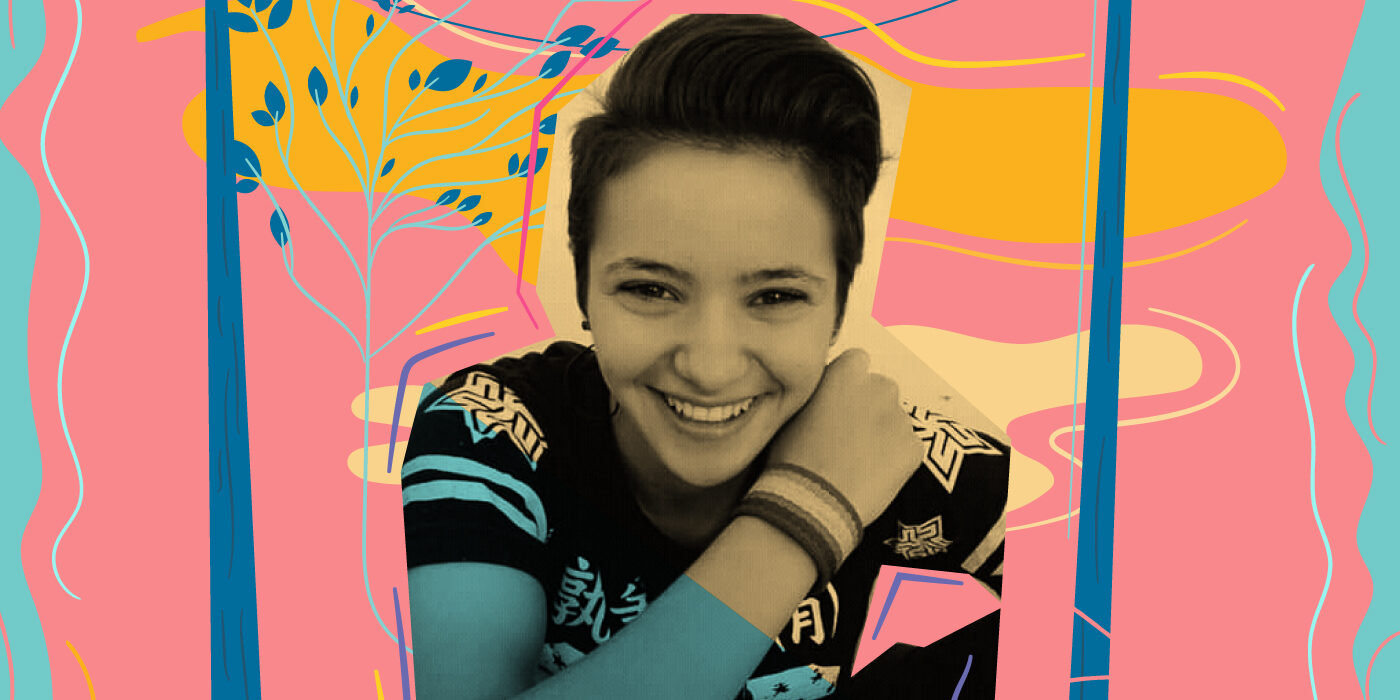
ARGENTINA, Buenos Aires. 2021 is the year Tehuel De La Torre disappeared. The 22-year-old trans man lived in San Vicente, Buenos Aires province, and had gone to a supposed job interview in February. He met with Luis Alberto Montes and Oscar Ramos because they had offered him a job as a waiter at an event. Since that day, March 11, 2021, he has been missing.
The most important advances of 2021
After a long struggle by human rights movements, sexual diversity and especially trans activism, in June the Congress of Argentina turned into law a debt and a historical demand: the Transvestite Labor Quota and Inclusion Law “Diana Sacayán – Lohana Berkins” is a pioneer in the world .
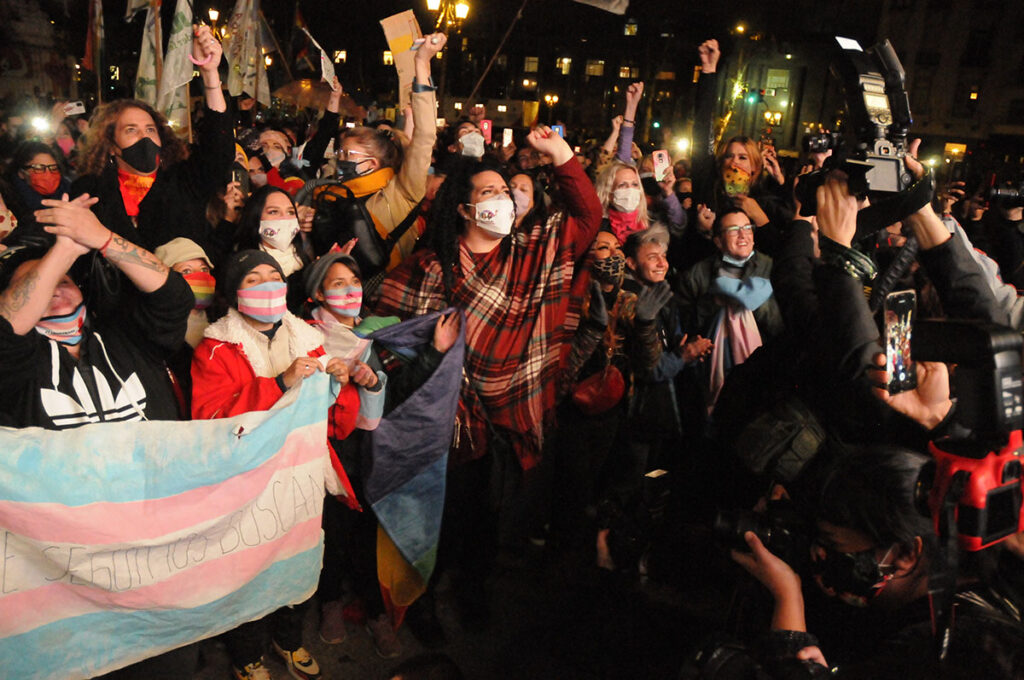
Law on transvestite and transgender labor inclusion
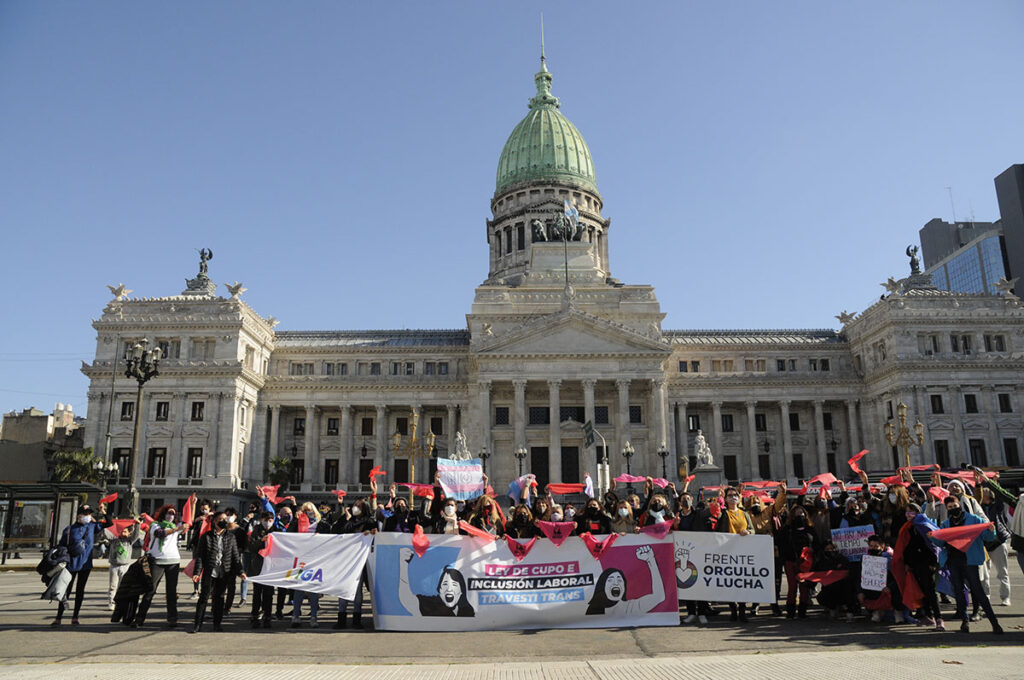
The law aims to include transgender, transsexual, and gender-diverse people who are legally entitled to work, regardless of whether they have legally changed their gender marker as provided for in Article 3 of Law 26.743 on Gender Identity. Its articles propose affirmative action measures: labor inclusion in the National Government through a minimum quota of 1% across its three branches, Public Prosecutor's Offices, decentralized or autonomous agencies, non-state public entities, and state-owned companies and corporations, in all forms of employment.
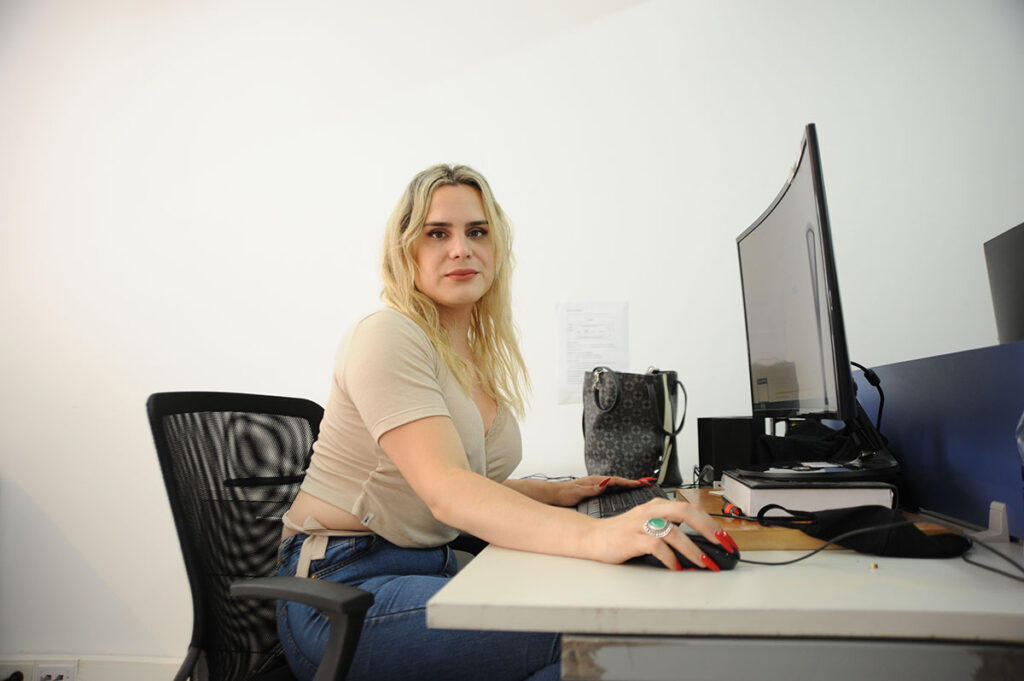
In one year, the number of transvestite and trans people with jobs in the national public sector increased fivefold.
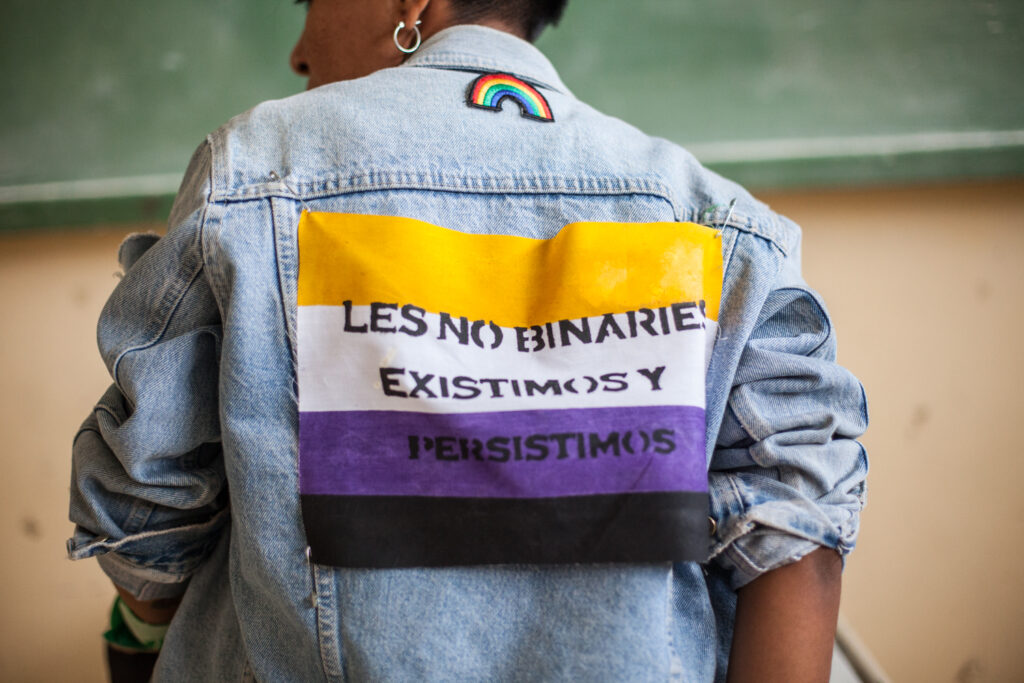
First country in Latin America to recognize non-binary identities
In July, President Alberto Fernández issued a decree establishing that the National Registry of Persons of Argentina should adapt the characteristics and nomenclatures of the National Identity Documents and Passports by incorporating the X option to move away from the binary scheme of "female" and "male", in order to respect the gender identities experienced by people.
With this measure, the country became the first in Latin America to recognize identities outside the binary and offer another option for those who do not identify as male or female. However, this point also received criticism.
Hate crimes in Argentina
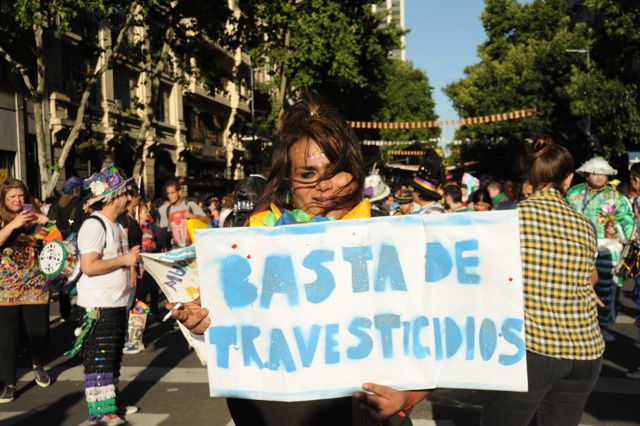
Throughout this year, in widely separated and distinct regions of the country, dozens of hate crimes occurred within days of each other. Some resulted in death, others did not. In some cases, the perpetrators were reported and identified, in others they were not. In some cases, the perpetrators were family members or neighbors, in others, the police.
According to the report of the Argentine LGBT Federation , from January 1 to June 30, 2021 there were at least 53 hate crimes in which the sexual orientation, gender identity and/or expression of all the victims were used as a discriminatory pretext for the violation of rights and violence.
As is repeated year after year, the victims of the majority of these crimes are trans women : “76% of the cases correspond to trans women (transvestites, transsexuals and transgender people); in second place with 11% are cis gay men; in third place with 9% of the cases are trans men; and finally with 4% are lesbians,” the report explains.
The organization La Rosa Naranja collects data on the deaths of transgender people in the country. As of December 29, 2021, they had counted 66 transgender women, transvestites, and transgender people, and 4 transgender men. Of these, 10 were murdered.
Buenos Aires, Santa Fe, Jujuy: hate crimes, beatings, and deaths
Natalia Maldonado, a 24-year-old trans woman, was sitting with friends on the sidewalk in Granadero Baigorria, 20 minutes from the city of Rosario, in the province of Santa Fe . It was January 10th, and it was hot. Three people passing by fired at least 20 shots at the group from a moving car. Natalia died shortly after arriving at the Eva Perón Hospital.

According to data from FALGBT, of all hate crimes registered in the first half of the year, 66% of the cases were violations of the right to life, that is, murders, suicides and deaths due to structural violence.
The remaining 34% was physical violence that did not result in death. This happened to Cristian in Dolores and Sharon in Tilcara.
Cristian Leonardo Guevara (33) was the victim of a homophobic attack in the city of Dolores, Buenos Aires province. He was accompanying his cousin to pick up her daughter from a party. “They hit me on the ground and yelled 'faggot' at me. I said, 'What's wrong, why are you hitting me? Please, don't hit me, I'm not violent,' and they answered, 'Because you're a faggot.'”
The beating continued until her cousin and a couple of other party guests, including a former student of Cristian's, approached to try and stop her. When she managed to get up, she ran toward her car. One of her attackers chased after her and said, "Get out of here or we'll wreck the car."
The Dolores police offered her a panic button and sent a patrol car to her house. As the days passed, she stopped receiving constant police protection. “That’s when the panic attacks started. I haven’t eaten for four or five days because I refuse food, and I feel listless. I feel like I’m bothering others and that I can’t be myself,” she said.
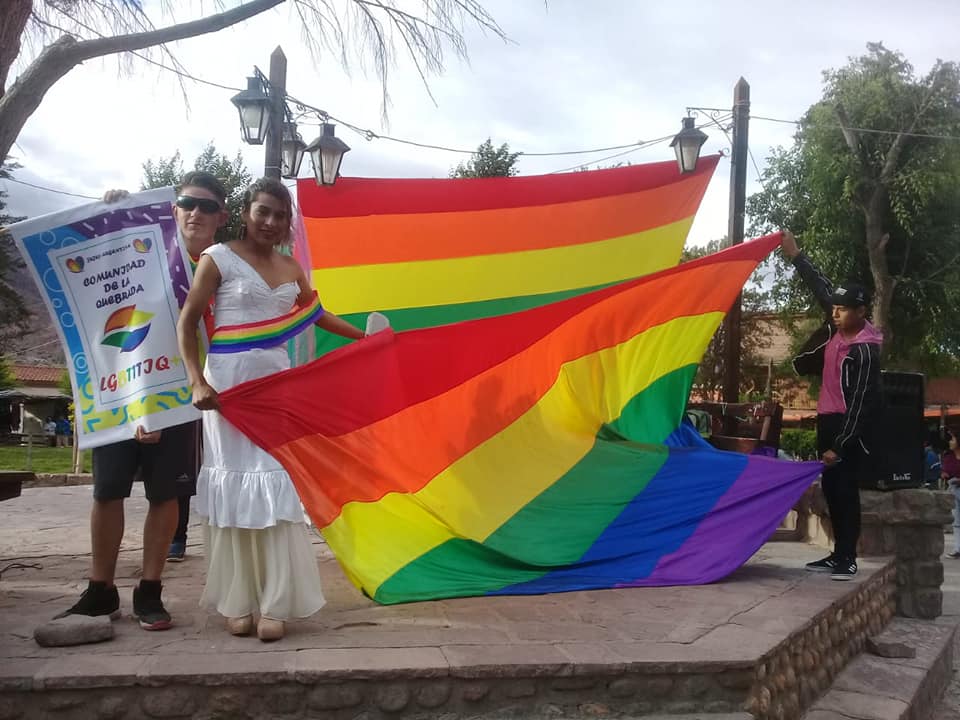
On February 21st in Tilcara, Jujuy province, Sharon Renata Mendoza, a well-known activist in the area and Ambassador of the LGBT Collective in the Quebrada, and a friend were verbally and physically assaulted in the street . The young man was left unconscious and had to be hospitalized. Sharon is a leading figure in promoting visibility for diversity in the region.
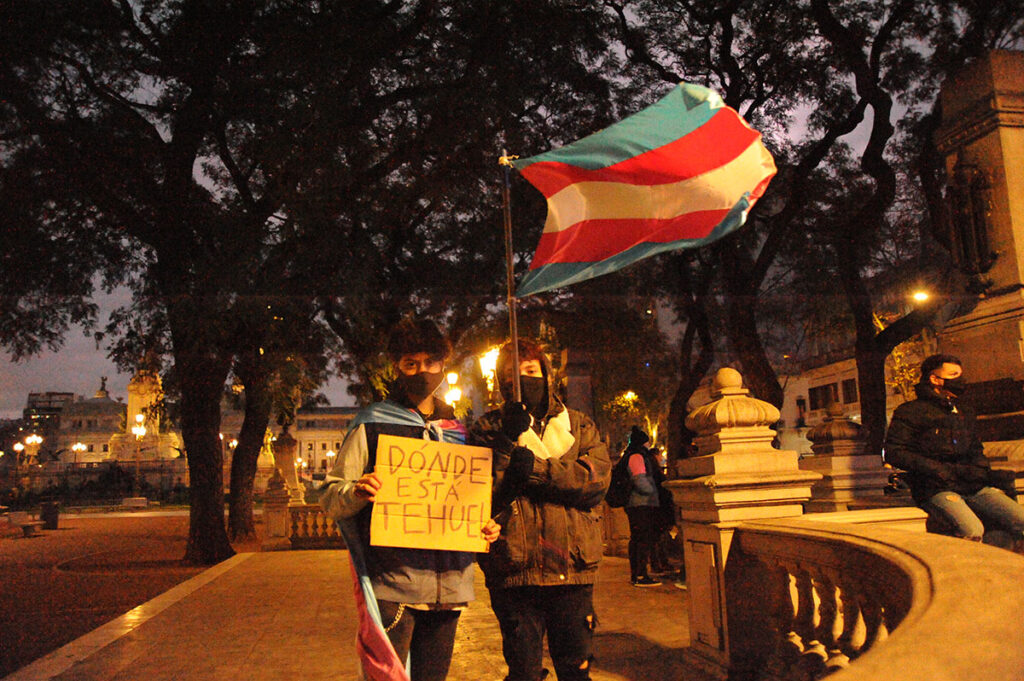
Two weeks later, on March 11, 2021, Tehuel de la Torre disappeared. “Knowing what happened to Tehuel is very important to our family; we need to know what happened to his body. We want justice, we want them convicted, but we need them to talk, to say what they did with Tehuel,” Verónica, his sister, told Presentes .
Now Montes and Ramos are charged with "aggravated homicide due to hatred of gender identity," the Justice system must bring the case to trial, but there is still no trace of where the body is.
A few days before Tehuel's disappearance, on Friday, March 5 at 3:30 p.m., the police found the body of Fabiola Ramírez in her home in the Rawson neighborhood, in the southern part of the city of Resistencia, Chaco province.
Although the investigation classifies her death as “suspicious,” Fabiola’s family and friends have no doubts: “She was murdered in a hate crime. They went to kill her, and they killed her for being a trans woman,” one of the spokespeople for the LGBTQ+ groups supporting the family told Presentes.
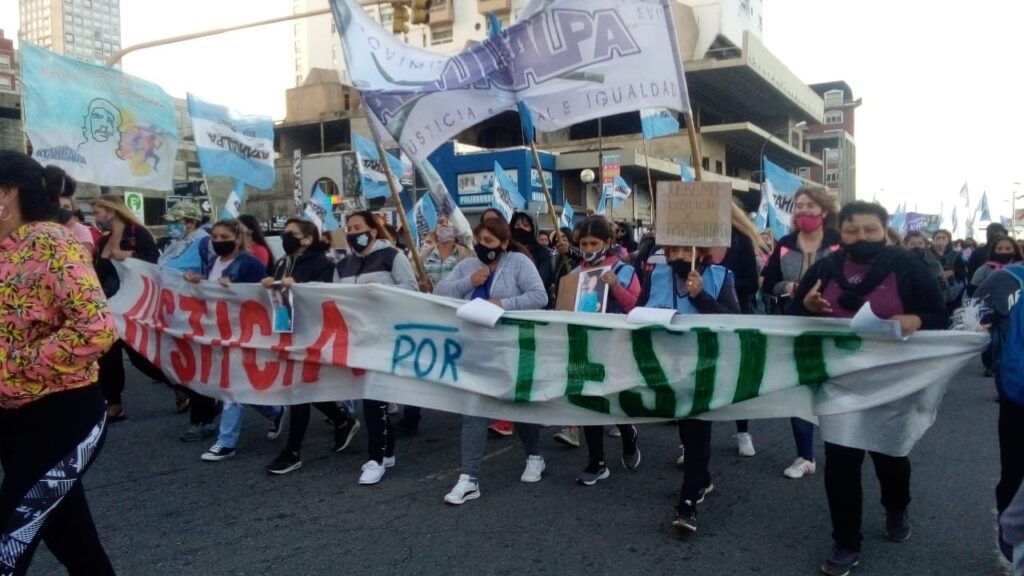
Fabiola was also a 22-year-old trans woman, like Tehuel, and there wasn't a feminist, Pride, or Human Rights march where she wasn't seen raising a flag for Justice and Equality.
The following day, in the early morning of March 6, residents of the Jorge Newbery neighborhood in Mar del Plata were alerted by smoke from a fire that had broken out in a house at the corner of 210th Street and Colón. Once firefighters extinguished the blaze, Alberto Jesús Ochandio, a , inside .
The autopsy revealed he had been stabbed more than twenty times . The brutality, violence, and intent to burn the body to destroy evidence are typical of a hate crime, as activists in the city know and denounce.
Two days after the crime, the suspected killer was arrested: a 27-year-old man with blood-stained clothing and some of the victim's belongings. The young man had a relationship with Jesús.
At the end of that month, at a party in Fray Luis Beltrán, a town in the province of Santa Fe, A., a 16-year-old trans teenager, was attacked by a group of young people who did not want her to go to the women's bathroom.
“You pee outside on the tree,” they told her, and then they punched and kicked her until she was unconscious. “My daughter is alive by a miracle; if they had kicked her two centimeters lower, they would have killed her, the doctor told me,” Sol D'Alessandro, her mother, Presentes
Today, A suffers from several aftereffects of the attack that left her unconscious, and not only physically. She has many bruises on her head, arms, and legs. “Emotionally, she is terrified. She doesn’t want to go out anymore,” said her mother.
A tragic April for trans people
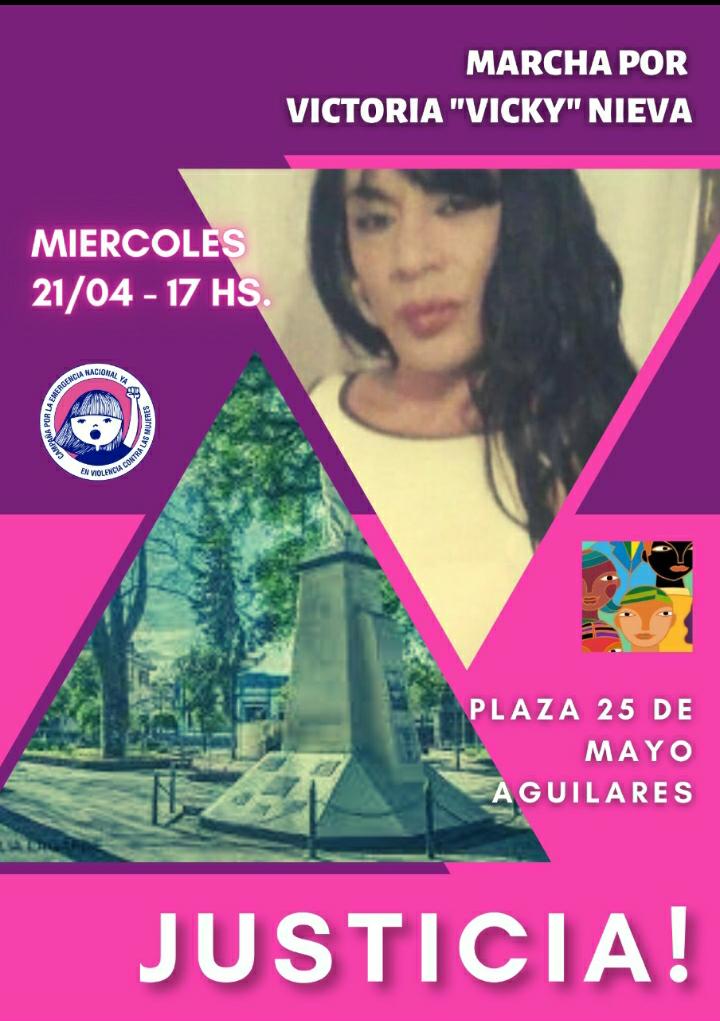
In mid-April, Victoria Nieva, a 33-year-old trans woman, was murdered in her home in Aguilares, in the southern part of Tucumán province. The main suspect is her ex-partner, Claudio Maximiliano Gutiérrez. Friends say she had tried to report the violence she suffered at his hands, but the police mocked her gender identity and refused to take her reports.
Micaela Catán suffered violence as a child: her father paid her mother, and her sister was imprisoned for defending herself against a rapist. On April 3, 2021, when she was 27 years old, her sister entered her room and found her burned. She died eight days later, with half her body covered in burns. Her family and organizations denounce it as a transfemicide and suspect her boyfriend.
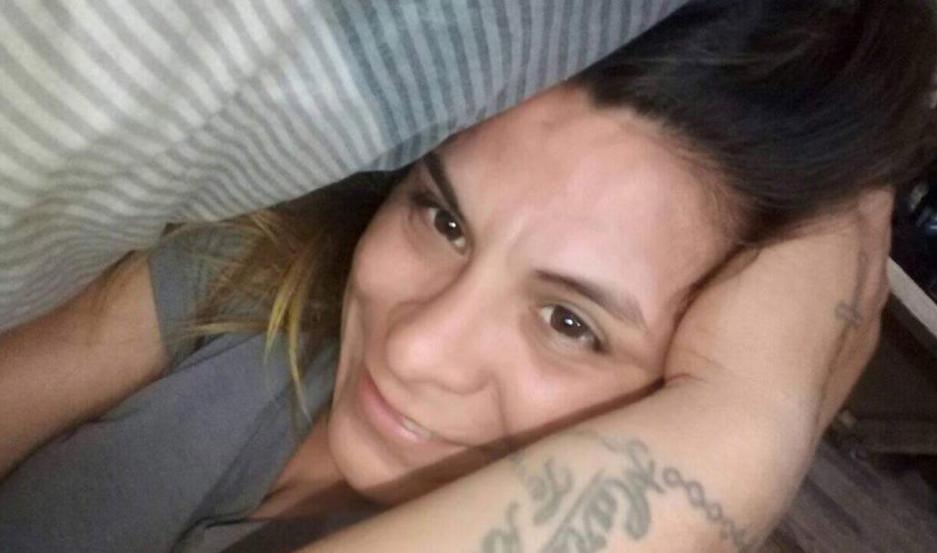
“We saw on social media that she was in a relationship of more than ten years. That they had a solid bond. But we never would have imagined that there were situations of violence going on behind closed doors. She participated in workshops and heard about violence, but she never spoke about any of her own experiences. This makes us think about how trans people normalize violence and can't recognize when the person next to us doesn't love us, but rather abuses us,” Julieta Paz, president of the organization DIVAS, said at the time.
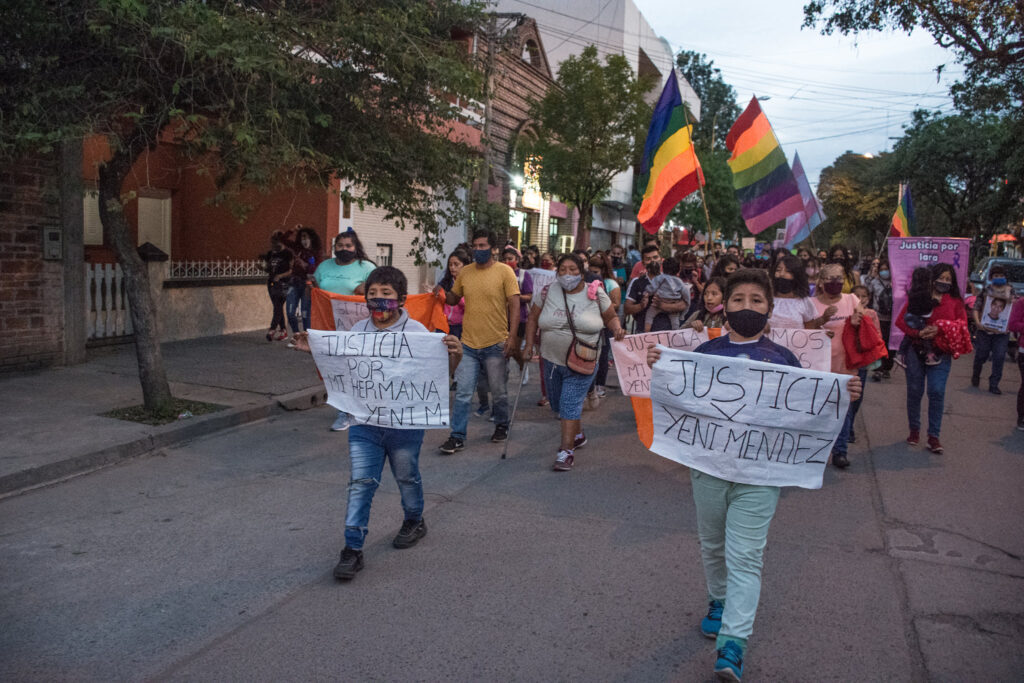
The first two weeks of April 2021 were especially tragic: in Jujuy, Yeni Méndez barely survived a machete attack. And in Tierra del Fuego, Gilda escaped an attempted murder. On Monday the 12th, Josefina Cruceño was found dead in Mendoza.
A cold winter
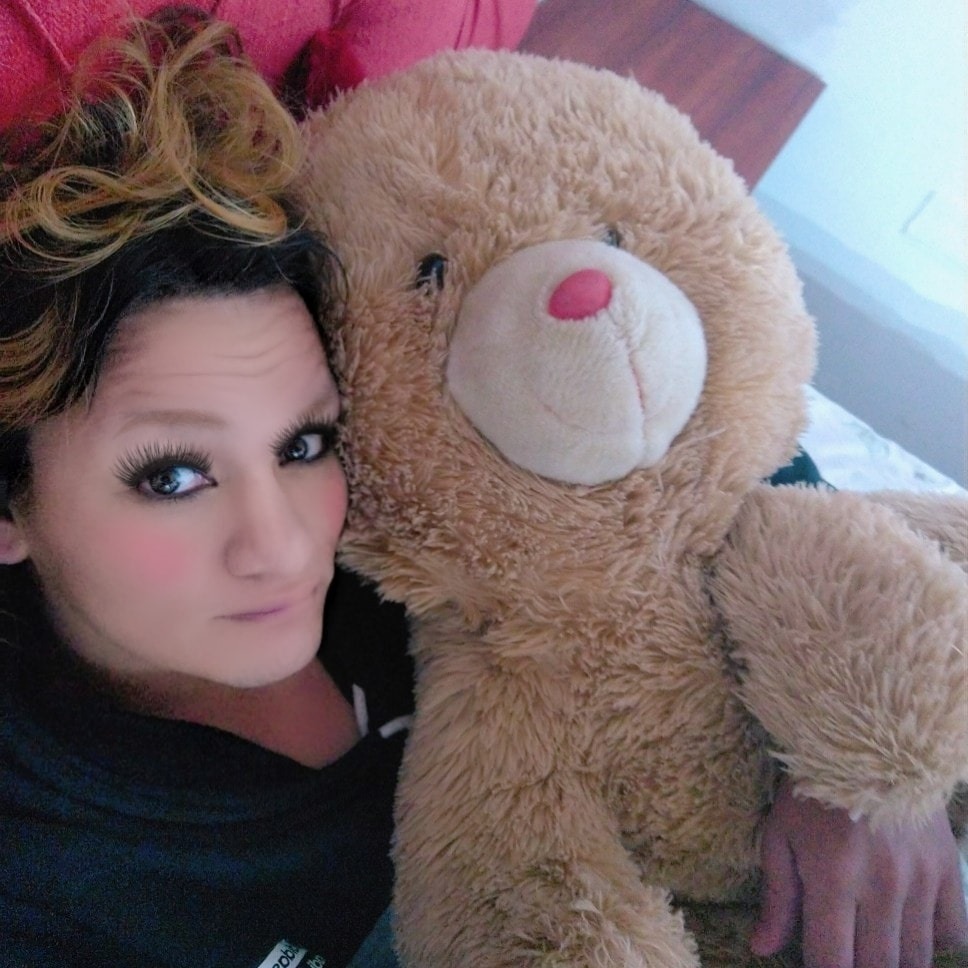
On Saturday, June 19, at 3 a.m., Wanda Soraya Tananta Paima , a Peruvian trans woman, was shot in the chest while she was on the corner of Diagonal 73 and 64 in the city of La Plata.
According to other trans women who were in the area, a man was looking for drugs and when he couldn't find any, he shot her: "Since we don't sell drugs, he left angry and after a while he came back and shot Soraya," they said.
In September 2020, Soraya was shot. She was a survivor. A few days later, she posted a photo that read: “I was born to be free, not murdered.” She was already recovering: “I was shot a week ago, friend, but thank God I’m already recovering.” But the following year, the same thing happened, and she died. They killed her again.
Institutional violence and “unclear circumstances”
On July 4, Luz Avapxia, a 22-year-old non-binary person, and their partner, Pedro Rod, a 30-year-old gay man, were assaulted by a security guard at the “Día %” supermarket in Constitución, Buenos Aires.
Pedro went to the nearby police station to file a report, but ended up being charged along with the man he reported. “This isn’t an isolated incident. It’s not against me or against Pedro. This is a situation that goes beyond us,” Avapxia told Presentes : “It’s a matter of identity, gender expression, and racism.”
During the first half of the year, “57% of the crimes were committed by private individuals, 36% are attributable to structural violence due to social abandonment of sexual diversity, attributable to the historical lack of state public policies, and the remaining 7% are perpetrated by security force personnel in the exercise of their state function, all of them constituting cases of institutional violence,” explains the FALGBT report.
In July, two incidents of police violence resulted in two deaths: Fátima Belén Barros and Vicky Núñez.
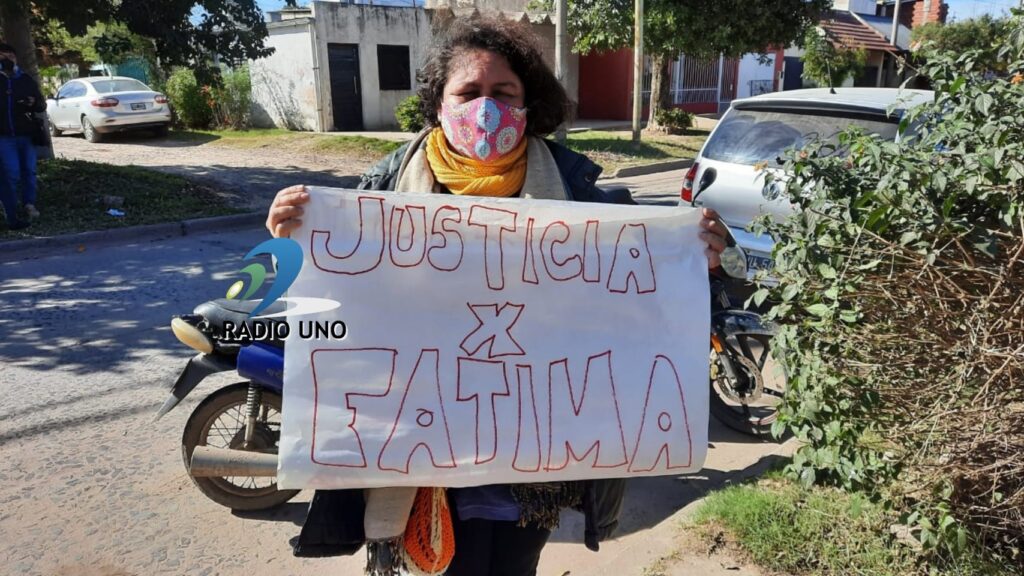
On Sunday, July 18, Fátima Belén Barrios , a 29-year-old transgender woman, died at the Guadalupe neighborhood police station in Formosa. Around 6:00 a.m., she had been taken to the station from her home after a neighbor called 911 to report a fight. An hour later, Fátima died at the station under suspicious circumstances that are currently under investigation. Her family blames the police.
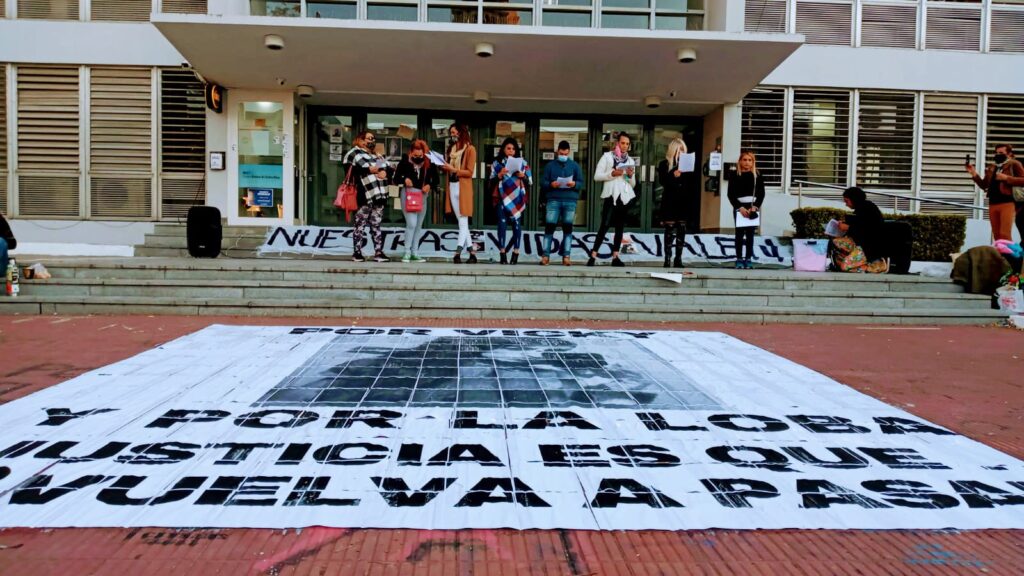
At the end of the month, Vicky Núñez , a 27-year-old trans woman from Paraná, Entre Ríos province, also died in unclear circumstances after a police intervention.
She had a psychotic episode, and her family called the police for assistance. “Three patrol cars arrived, invaded the house where she lived with her partner, and forced their way in. They acted very aggressively, handcuffing her, injuring her hands, cutting her face, pressing on her neck, and throwing her to the ground. There were so many police officers; Vicky couldn't defend herself. Seeing so many of them terrified her,” her mother explained to Presentes .
The officers then asked Marcela for Victoria's National Identity Document, and while she was getting it, she saw that her daughter wasn't well: “It was just a moment. When I came back, they wouldn't let me near her. Vicky wasn't breathing. They told me she was asleep. Why wouldn't they let me go see her? Maybe I could have saved her. With all this, instead of trusting the police, the opposite is true; we're afraid of them.”
Group assaults
In September, in the city of La Plata, Buenos Aires province, Winfried Fallon, a 24-year-old non-binary person, was attacked with shouts of “fucking faggot” and “you were born a man, not a woman.” The video they recorded of the incident went viral and reached the National Institute Against Discrimination, Xenophobia and Racism (INADI). A few days later, the President of Argentina, Alberto Fernández, received them in his office.
“My son is a highly intelligent autistic child with Asperger's syndrome. He is non-binary; he doesn't have labels for his sexuality. He is a free being. When we were leaving, they started attacking us, hitting me. He stepped in front of them so they wouldn't hit me. They started attacking him because of his sexuality, because of the way he was,” his mother, Susana, told Presentes at the time.
In November, a group of people who attended the XXX Pride March reported that towards the end of the celebration they were attacked by employees of Monday Buenos Aires, a bar located on the corner of Callao and Rivadavia, in the Balvanera neighborhood of Buenos Aires.
From pepper spraying to hitting one of the victims with a bottle, the aggressors acted when a "funnel" of people formed at the entrance of the venue, due to the advance of the floats.
In Salta, in early December, Tito Costilla, a 27-year-old dance teacher, had his leg broken with a stick, and even after he fell to the ground, he was beaten. His neighbor and the neighbor's father, who had been assaulting him since 2004, when Tito filed his first complaint, are in custody. In this interview, he spoke with Presentes while hospitalized at San Bernardo Hospital in the city of Salta. Doctors told him that rehabilitation would take at least six months.
The cry for Tehuel
Throughout 2021, on the 11th of every month in every Argentine province, activities were organized to challenge the State and the community with the clear and powerful cry: “Where is Tehuel?”. It was also one of the key slogans at the 30th Pride March in Buenos Aires.
The family and friends of Santiago Cancino , another young man who disappeared four years ago, finally received news of him this year after his remains were found. On Thursday, June 3, in the Wierna River area, near the town of Vaqueros (north of the city of Salta), a farm laborer and his son found skeletal remains and some belongings.
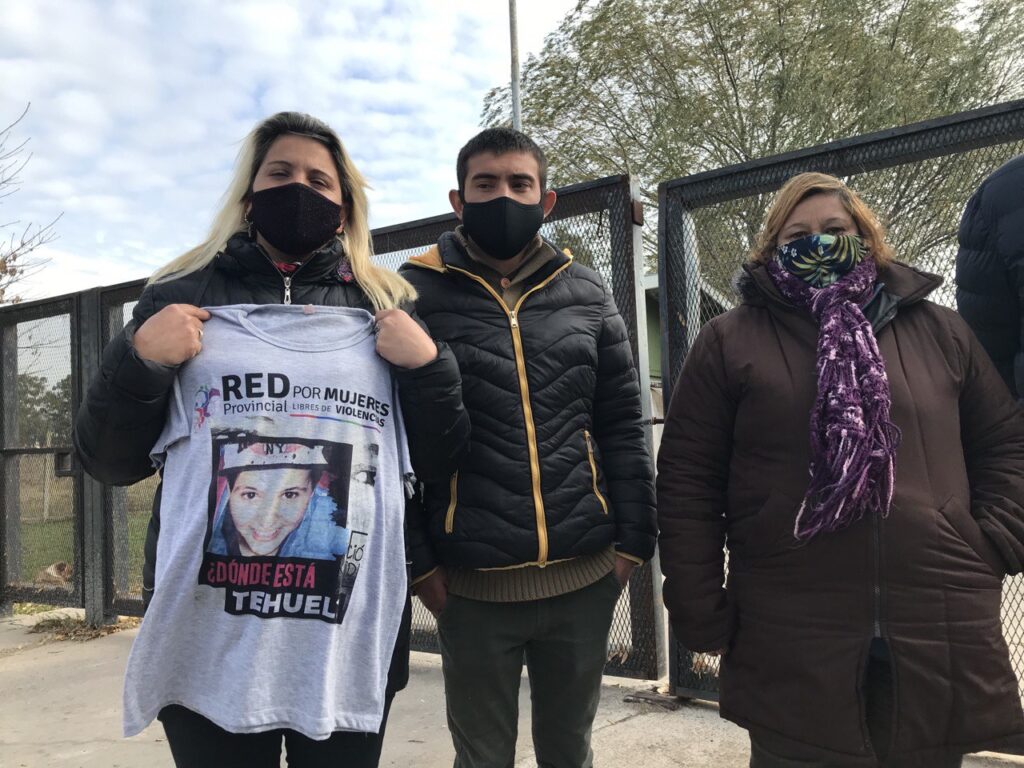
Nine months after Tehuel's disappearance, it remains impossible to know what happened to him. Verónica, his sister, pleads, insists, begs: “I want them sentenced to life imprisonment and for them to finally say what they did with Tehuel. We know from the beginning, from the clues that have surfaced, that this is a hate crime.”
The FALGBT report also raised concerns about the issue: “Finally, this observatory expresses deep concern about the disappearance of Tehuel de La Torre, a 22-year-old trans man, who left his home on March 11, 2021, after being promised a job, and has been missing ever since. Tehuel’s disappearance is a tangible expression of the structural and historical violence suffered by the trans community.”
We are present
We are committed to journalism that delves into the territories and conducts thorough investigations, combined with new technologies and narrative formats. We want the protagonists, their stories, and their struggles to be present.
SUPPORT US

FOLLOW US
Related notes
We are present
This and other stories are not usually on the media agenda. Together we can bring them to light.
2 comments