

Historic march in Paraguay for the right to land of indigenous and peasant communities
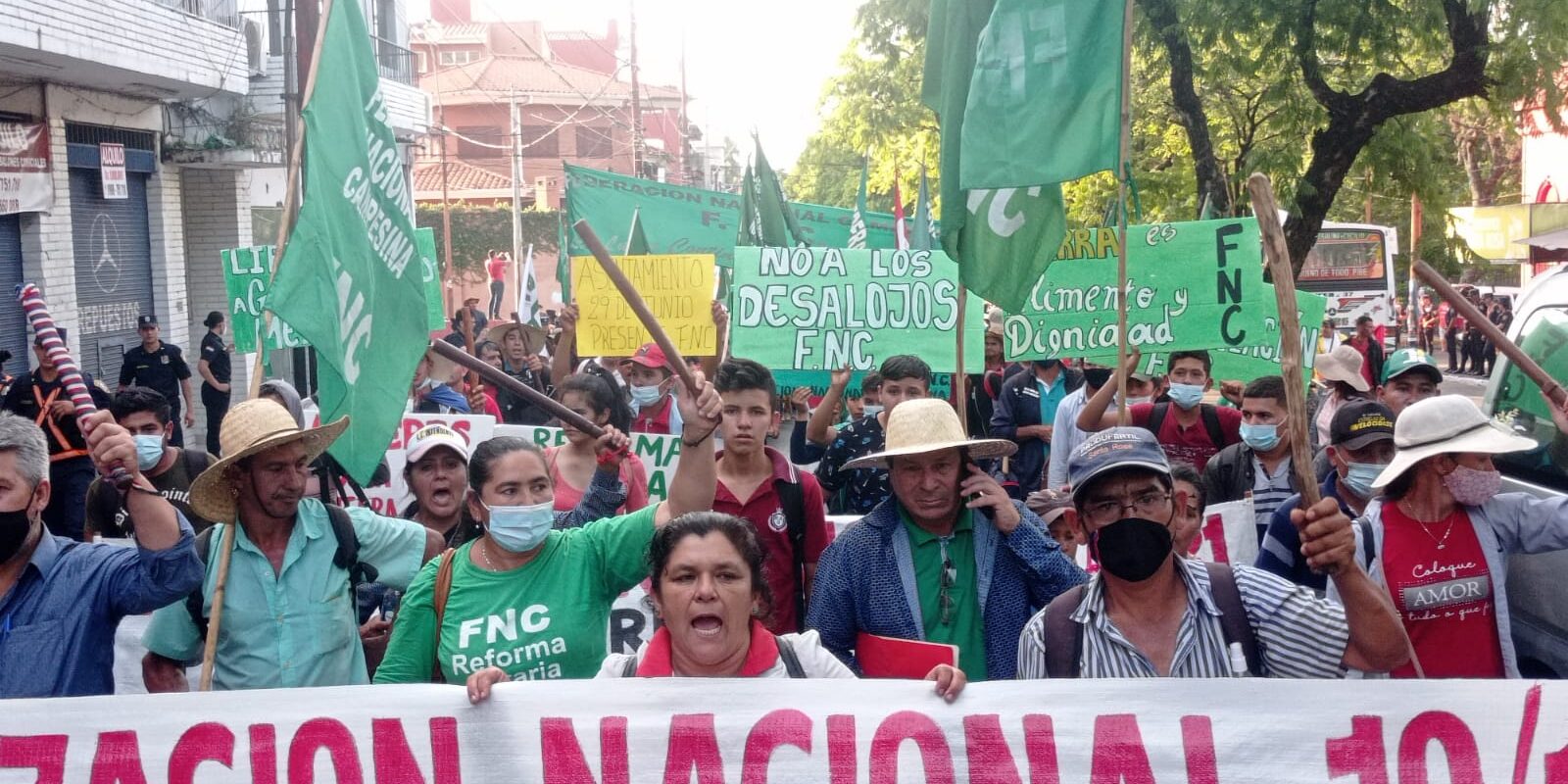
On International Human Rights Day, thousands marched in Asunción to demand an end to the violent evictions of peasant and indigenous communities. In recent months, 2,500 people have been displaced from their lands.


Share

On Friday, December 10, International Human Rights Day, thousands of people marched in Asunción to demand an end to the violent evictions of peasant and indigenous communities that have intensified in recent months . Already, 2,500 people have been displaced from their lands.
The unified march is the first joint action undertaken by rural and urban organizations united in a plenary session. The march's three main demands were: the restoration of the rule of law in the country, an end to violent evictions, and the repeal of the Zavala-Riera Law. This law modifies Article 142 of the Penal Code, which criminalizes the struggle for land and paves the way for laundering illegally acquired land or land stolen from beneficiaries of the Agrarian Reform. This bill succeeded in amending the penal code regarding property ownership.
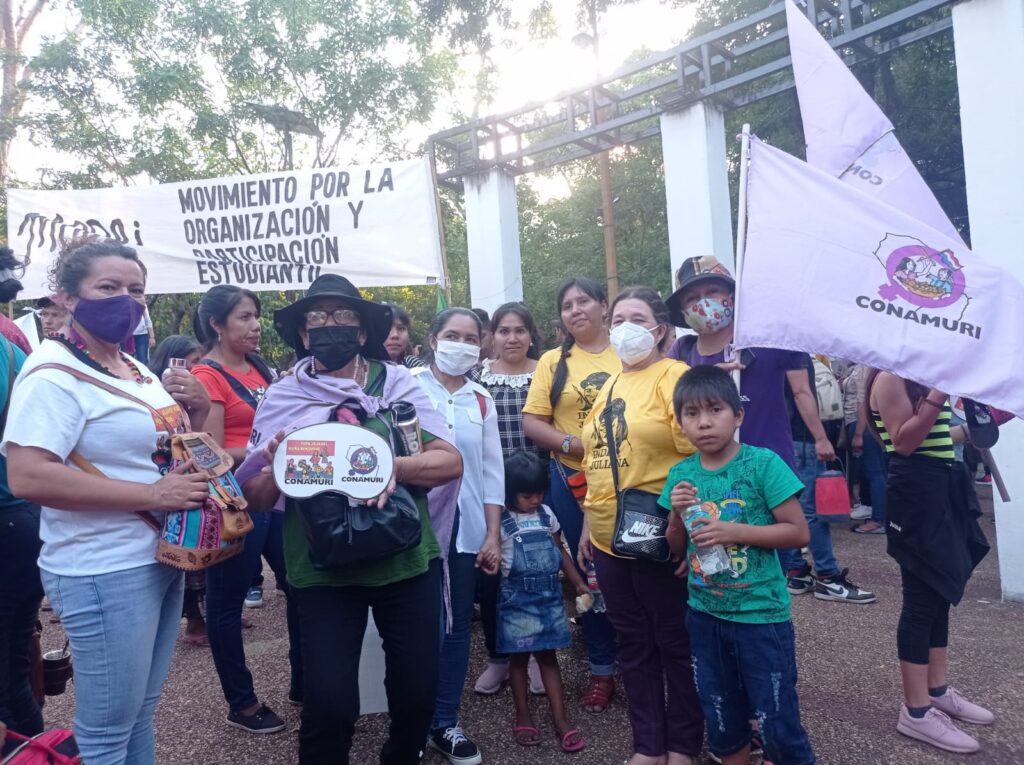
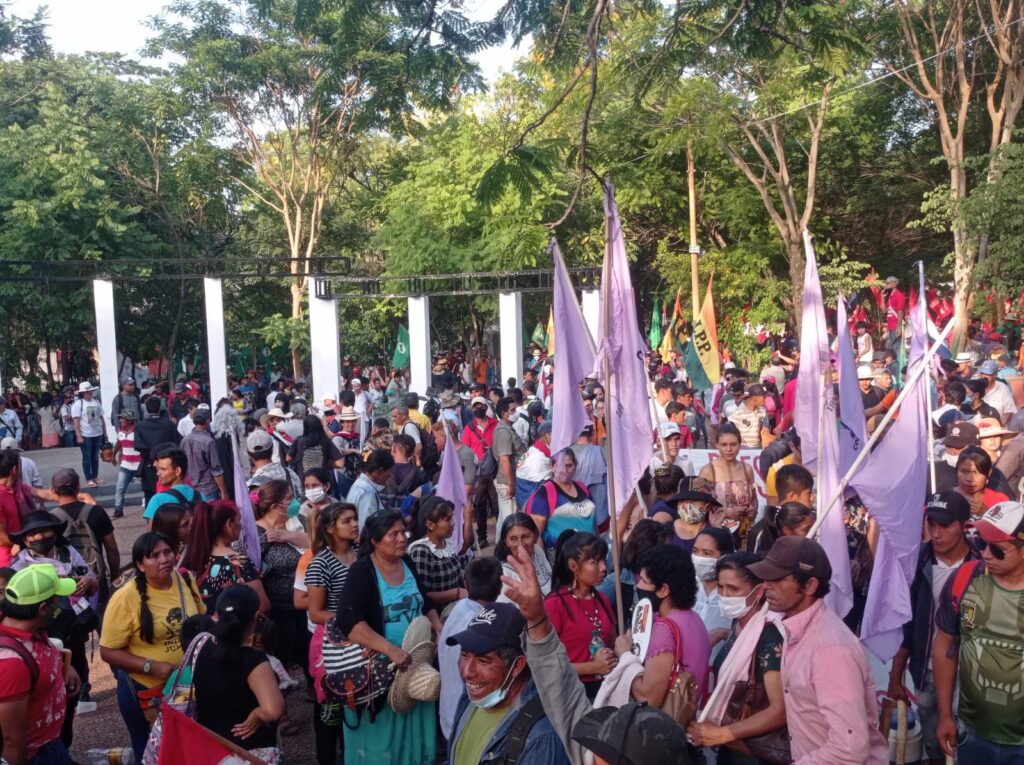
The gathering began at 5:00 PM in Plaza Italia and proceeded to Plaza de la Democracia, where the main event took place. Due to lack of space, not everyone could enter Plaza de la Democracia and had to gather in Plaza de la Libertad and on Estrella Street.
Women and girls, protagonists
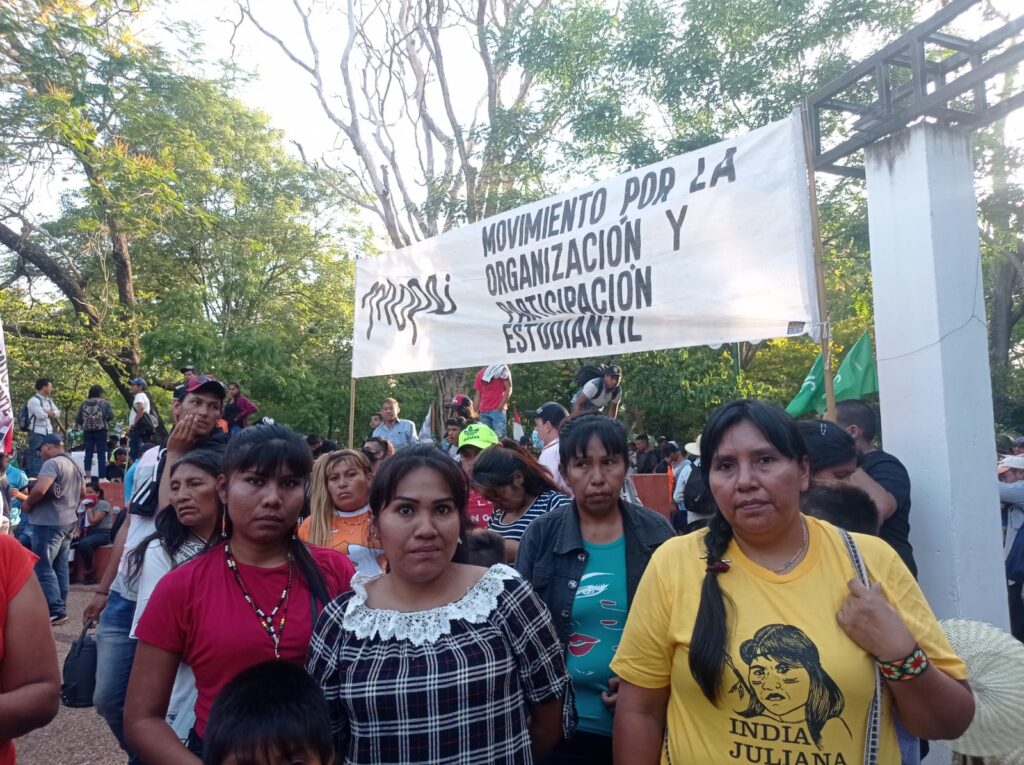
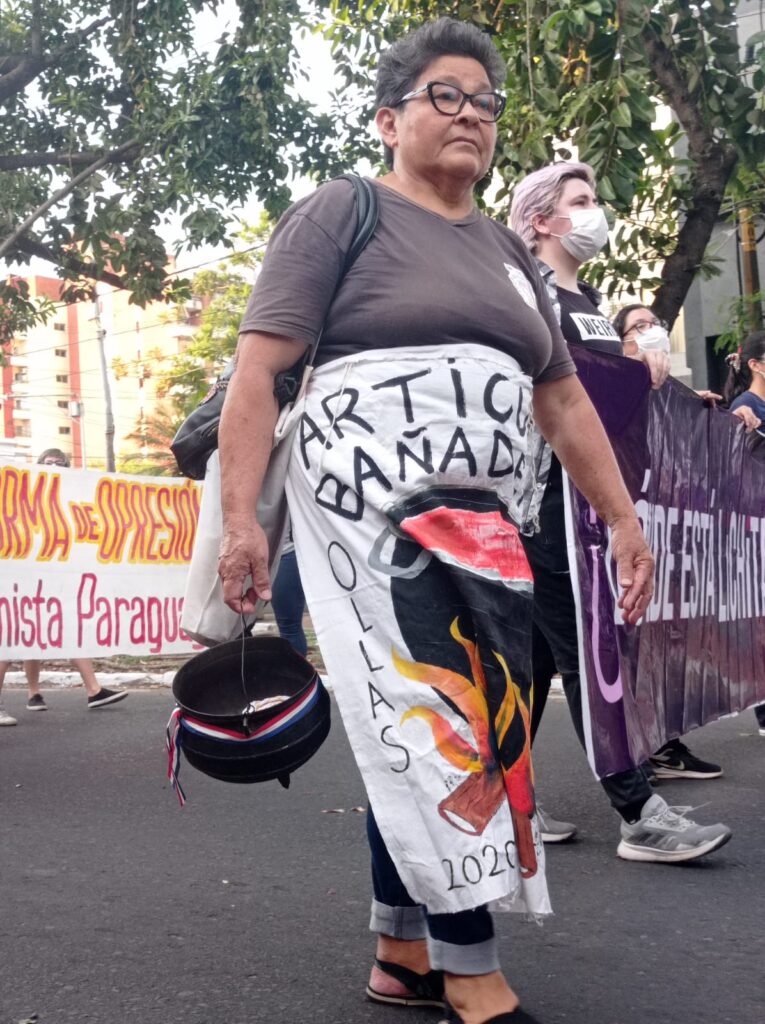
Faces of peasant and indigenous women of different ages—girls, young women, mothers, grandmothers—marched in a demonstration that brought together 10,000 people. The Paraguayan heat was intense and stifling: thermoses of water, tereré, caps, hats, chairs, and fans were used to try to alleviate the sweltering afternoon, along with signs, flags, and the certainty of fighting for rights not guaranteed by the Paraguayan state.

“The 2012 coup was against us. Since then, we have suffered deaths and persecution. It has been a year since Lichita disappeared; she was 14 years old, and the last time she was seen was with the Joint Task Force. I believe this meeting is important, to listen to each other and to foster unity in action; that is our strength,” Alicia Amarilla of the National Confederation of Peasant and Indigenous Women (CONAMURI) told Presentes.
“We were left without a home, without food, and without land.”
“In our country, the judicial system is being installed with a policy of repression. They dedicate themselves to condemning and sending the poor to jail, while the rich do as they please. They leave us out on the street. Human rights violations are to satisfy the soy farmers and cattle ranchers. Jail and rubber bullets to satisfy the large landowners. They deny national development, they deny life to peasants and Indigenous people, they are going to destroy the homes we built with so much effort, they burn our homes, our produce. We are left without homes, without food, and without land. Narco-politics is taking over our country,” said Teodolina Villalba, general secretary of the National Peasant Federation, emphatically.
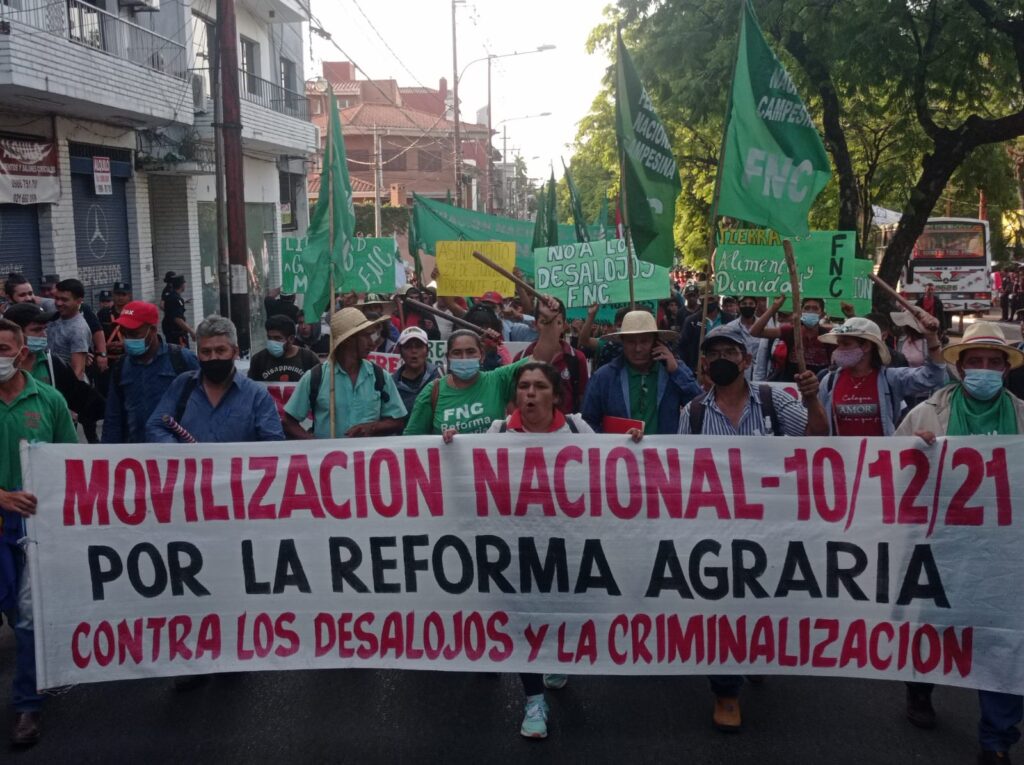
The commitment of the social organizations was to return to the territories to continue strengthening unity and organization and thus respond to the systematic abuses of the current government.
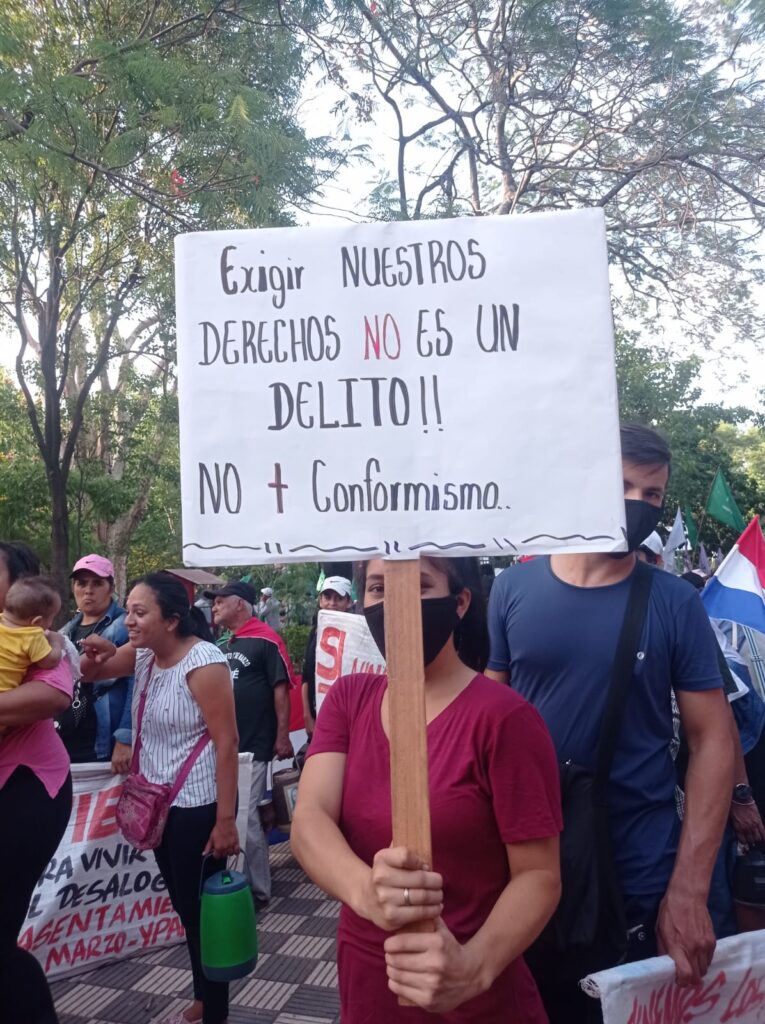
“Each of us is making an effort for Agrarian Reform, against evictions and criminalization. Here we are, thousands strong, against human rights violations, against policies against the people, the government's policy of persecution. They deny us the right to education, housing, and health.”
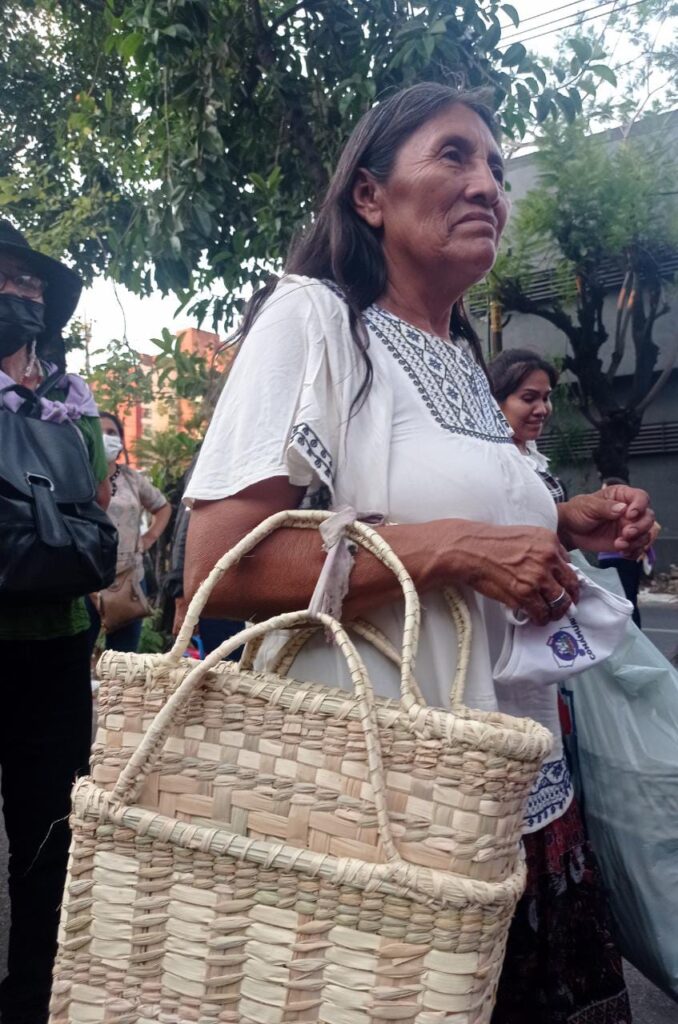
Rosa Acuña came with the Cristo Rey community from San Pedro. She traveled some 177 kilometers to join the unified march and continue demanding the right to land and territory, for a dignified life for her community, with the goal of recovering everything they lost after the eviction last October.
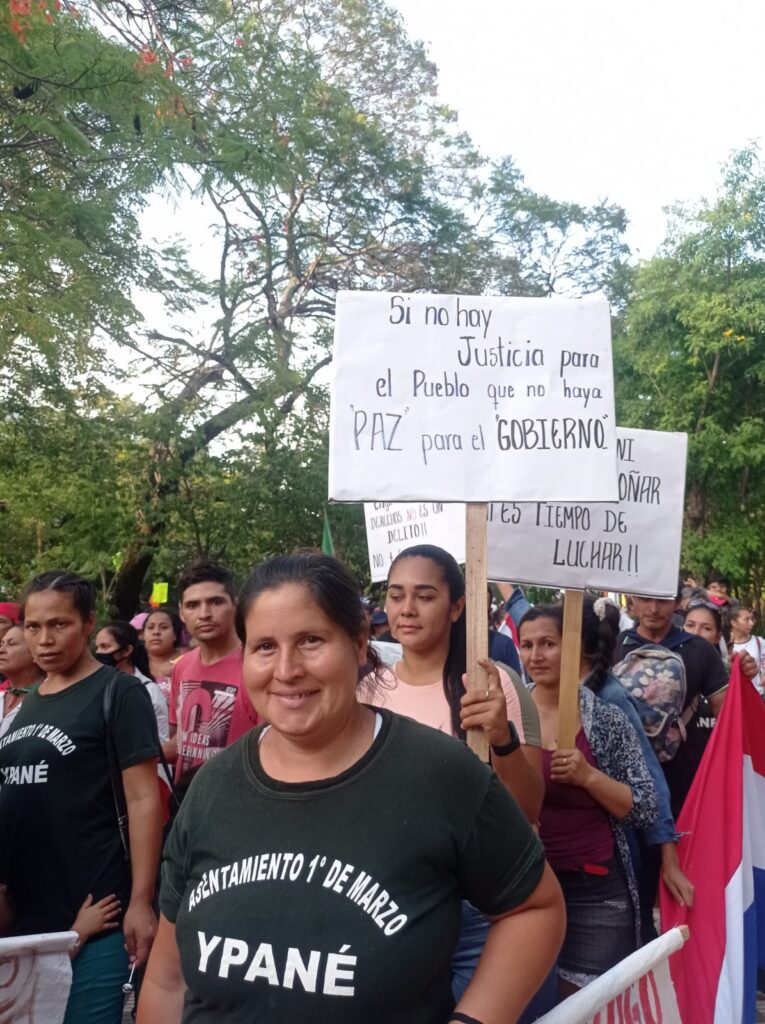
We are present
We are committed to journalism that delves into the territories and conducts thorough investigations, combined with new technologies and narrative formats. We want the protagonists, their stories, and their struggles to be present.
SUPPORT US

FOLLOW US
Related notes



We are present
This and other stories are not usually on the media agenda. Together we can bring them to light.