

It's law: Chile approves same-sex marriage
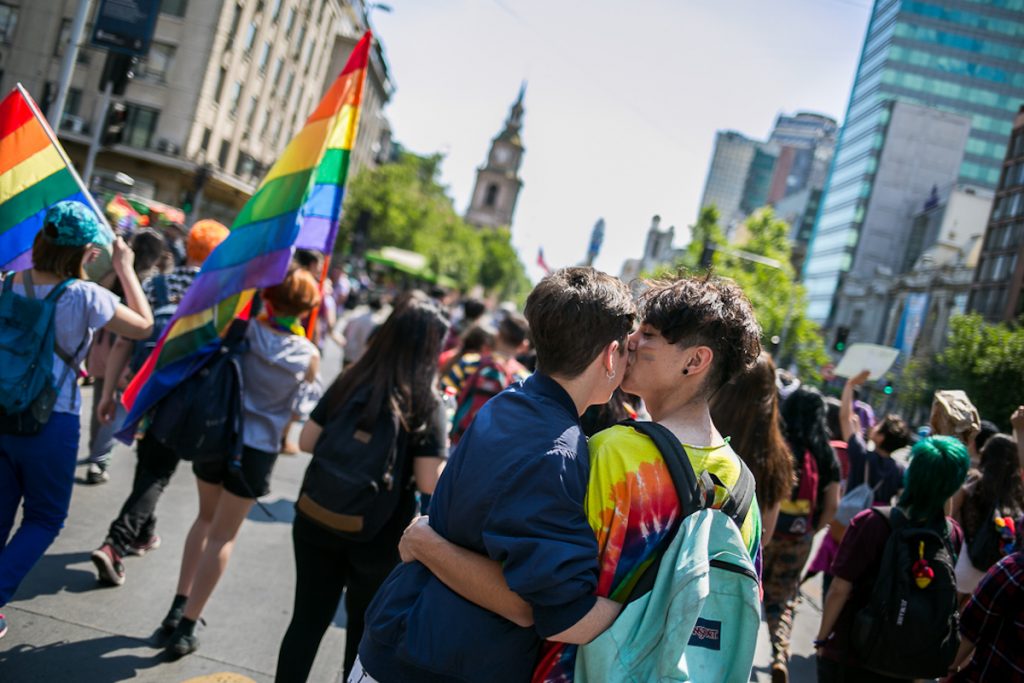
After 4 years of debate, with 82 votes in favor, 20 against and 2 abstentions, the Chamber of Deputies of Chile approved the Equal Marriage Law.


Share

SANTIAGO, Chile. What for years was a long-standing demand has finally become law. With 82 votes in favor, 20 against, and 2 abstentions, the Chilean Chamber of Deputies approved the Equal Marriage Law.
The bill was submitted by former President Michelle Bachelet at the end of her second term and has since been stalled in Congress for four years. LGBTQ+ organizations worked intensively on it, especially the Movement for Homosexual Integration and Liberation ( Movilh ) and the Iguales Foundation .
In 2021, the Sebastián Piñera administration designated the bill as "urgent" to expedite its discussion. Starting in August of this year, Congress debated it in ordinary sessions. After a series of amendments to the text in a Joint Committee, it was approved in the Senate by a vote of 21 in favor, 8 against, and 3 abstentions, and finally, today, it became law in the Chamber of Deputies.
Chile thus became the eighth country in Latin America to legalize same-sex marriage .
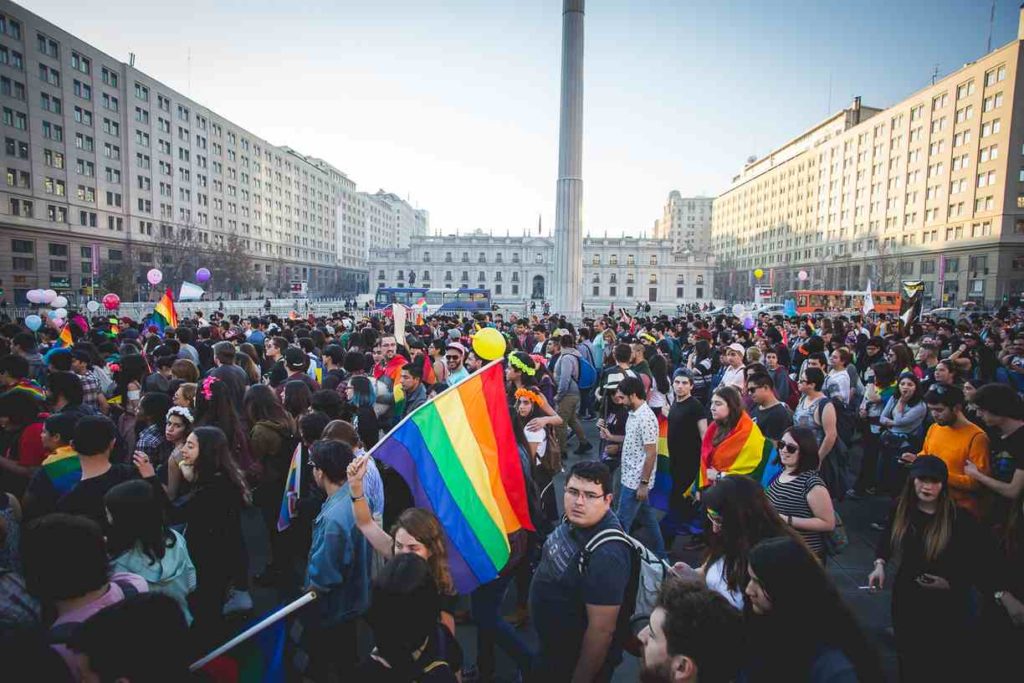
The final stretch
The Senate began its session around 10:00 AM on Tuesday, December 7th, to review the report issued by the Joint Committee last week. Before the vote, all senators reiterated their positions, and the chamber heard many hopeful speeches.
“ Chile must put an end to situations of discrimination that are hateful and do not reflect a horizon of greater justice, equality and the end of discrimination ,” said Senator Yasna Provoste.
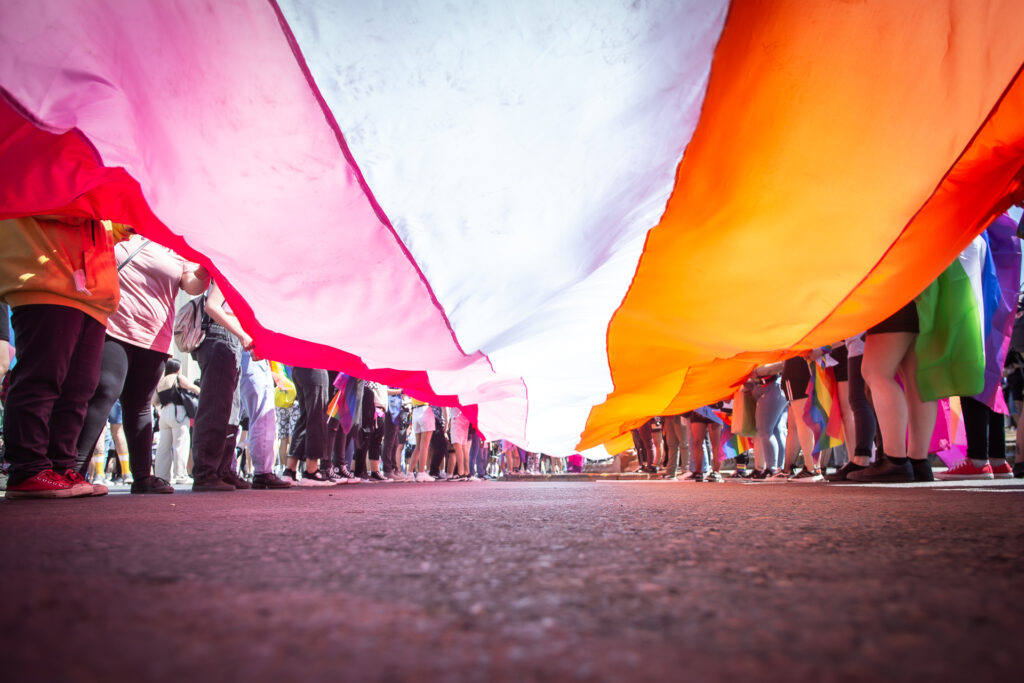
"To change the lives of many people and a country"
Senator Isabel Allende, for her part, celebrated the country's progress in understanding and redefining the meaning of marriage. "It is one of the oldest institutions, and until now it has been defined as marriage between a man and a woman solely due to religious beliefs that have fostered homophobia and transphobia ." She also celebrated that with the bill's approval, "we will finally leave behind so many prejudices and forms of discrimination that shame us."
For Senator Pedro Araya, marriage is not “a simple civil contract.” “It is the recognition by society and the State of the love between two people .” He believes the bill will “change the lives of many people and families, and change our country.”
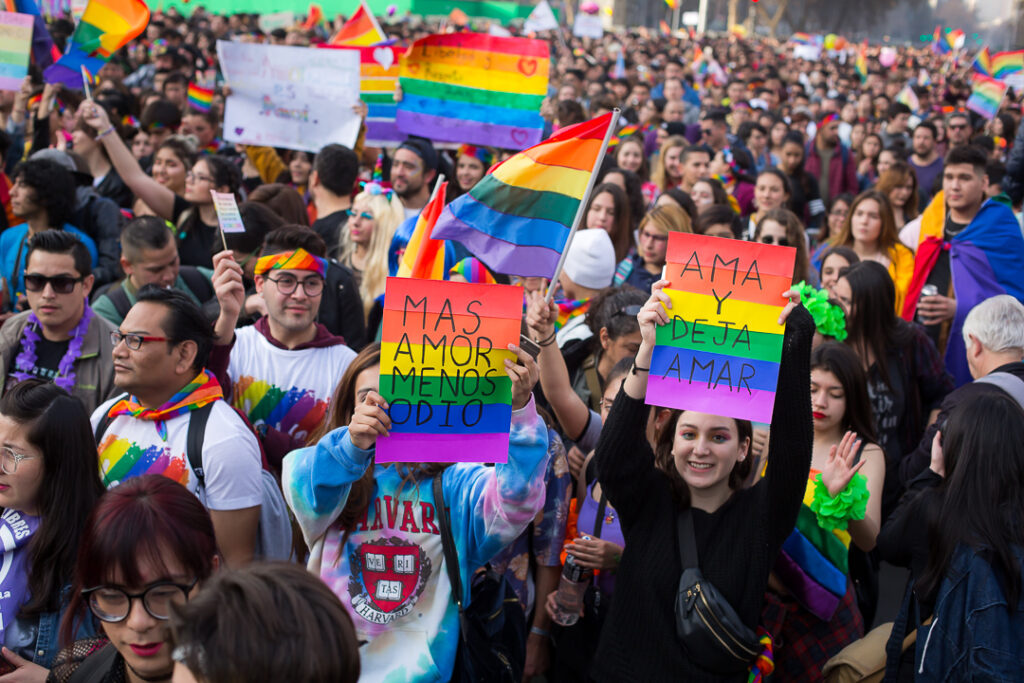
More than 1,800 couples are planning to get married
Senator Ximena Rincón lamented that Chile is still debating whether or not to grant this right in 2021, when the first motions and attempts to legislate it occurred in 2008. “This is an issue that should have been settled more than a decade ago,” she said, citing the latest survey on marriage equality conducted by MOVILH with 1,878 same-sex couples in the country. The survey revealed that 82.8% plan to marry once the law is passed.
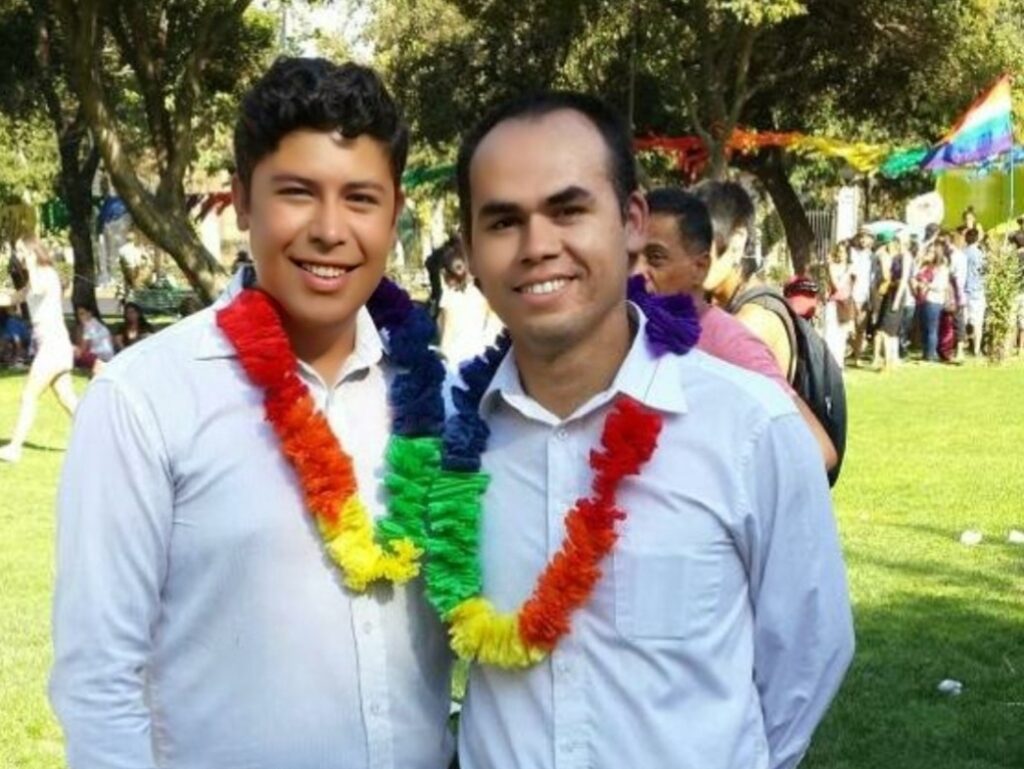
Around 12:30, the bill was sent to the Chamber of Deputies, where it was voted on without prior discussion or interventions. Some members of LGBTQ+ organizations and government officials were present in Congress. They spoke briefly with the media outlets that were allowed access to the final vote.
“It’s hard to believe that we are taking this step today.”
The Minister of Social Development and Family, Karla Rubilar, praised it as a milestone that “ennobles” political activity and “dignifies” public action: “This is the best face of politics, the one that shows us the will of the actors to achieve the common good, the perspective of the State that goes beyond the temporality of governments, the capacity for understanding and agreement of people who have different positions regarding a matter that has legal dimensions,” she said.
“It’s hard to believe that we are taking this step today. It was possible because we have been working for years to get here ,” said an emotional Rolando Jiménez, spokesperson for Movilh and a long-time activist for the rights of sexual diversity in the country.
For Isabel Amor, executive director of the Iguales Foundation, the project is historic: “We have longed for this for years, since 1975, thanks in part to the work of Rolando and other activists. It is a project that many families in our country are waiting for today. But it is important to emphasize that this does not end all the violence suffered by many people simply for being part of the LGBTQ+ community. It is a practical and symbolic gesture against that violence .”
What the law says
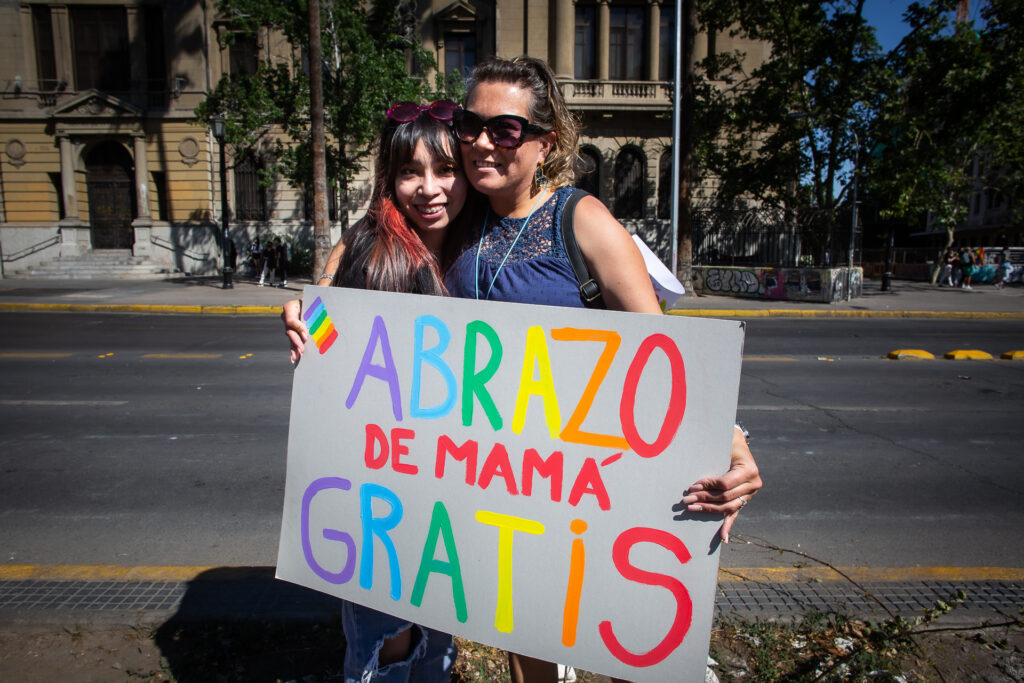
Having passed the final legislative hurdle, the bill is now ready to be sent to the Executive Branch for enactment. This is expected to happen in the coming days.
-For same-sex couples, this law grants all the duties and rights that heterosexual marriages currently have.
-In matters of same-sex parenting, it guarantees non-discrimination based on sexual orientation and gender identity, among other categories, for the purposes of child custody, parentage and adoption, whether or not the couples are married and whether or not they had their children through the process of assisted human fertilization.
-Recognizes the motherhood of trans women and the fatherhood of trans men on the birth certificates of their children.
-It also determines that the order of surnames for same-sex couples will be defined by the parents and, if there is no agreement, the Civil Registry will submit it to a draw.
-The law regulates the assets of same-sex couples, guarantees pensions for widows/widowers, work leave in case of the birth of children and family allowances.
-It broadens the concept of siblings, thus eliminating concepts such as maternal and paternal siblings.
-Recognizes same-sex marriages performed abroad.
-Another point that benefits trans people is that with its approval, the articles of the Gender Identity Law that established that in order to change the name and registered sex of a person who was already married, this person had the obligation to get a divorce are repealed.
Isabel Amor, from the Iguales Foundation, praised it as a project "that defends the family, children, that provides dignity and makes it very clear that this issue is not just any issue, but that it must be included in the political agendas of the next government."
(News in progress)
We are present
We are committed to journalism that delves into the territories and conducts thorough investigations, combined with new technologies and narrative formats. We want the protagonists, their stories, and their struggles to be present.
SUPPORT US

FOLLOW US
Related notes


We are present
This and other stories are not usually on the media agenda. Together we can bring them to light.