

Diversity as territory: 5 years of Agencia Presentes
Agencia Presentes celebrated its fifth anniversary, and its founders and directors review the genesis and development of this journalistic project.


Share

Presentes was conceived in Buenos Aires from the beginning as a regional media outlet. We were born in 2016, a year after the first massive Ni Una Menos march in Argentina and after femicides finally became a topic of public debate: they reached the mainstream media and the expression “crime of passion” was no longer acceptable.
At that time, before becoming co-founders of Presentes, we worked at Infojus Noticias, a public digital news outlet covering judicial and human rights issues. That's where we met and worked together daily on editing articles about gender and sexual diversity, among other things. In December 2015, Mauricio Macri became president, and his government dismantled that outlet, along with other public media. Almost all of us were laid off, and that's when we started thinking about an independent journalistic project.
With this premise and the idea of a “news agency”—we envision ourselves as a kind of wholesale producer of news about sexual diversity for the media—we conceived a regional project, initially covering four countries: Argentina, Paraguay, Peru, and Chile. These are four very different countries, but where common patterns often emerge. In this context, Argentina is a pioneer in access to rights for sexual diversity (it has had a progressive gender identity law since 2012, a political victory for LGBT+ groups).
Building a specialized media outlet with a regional focus was a way to both focus and expand: our territory is gender and diversity, and from there we stand to tell the stories of the countries where correspondents were established, with the difficulties involved in covering countries with such different realities and legislation for LGBT+ people.
The Latin American perspective
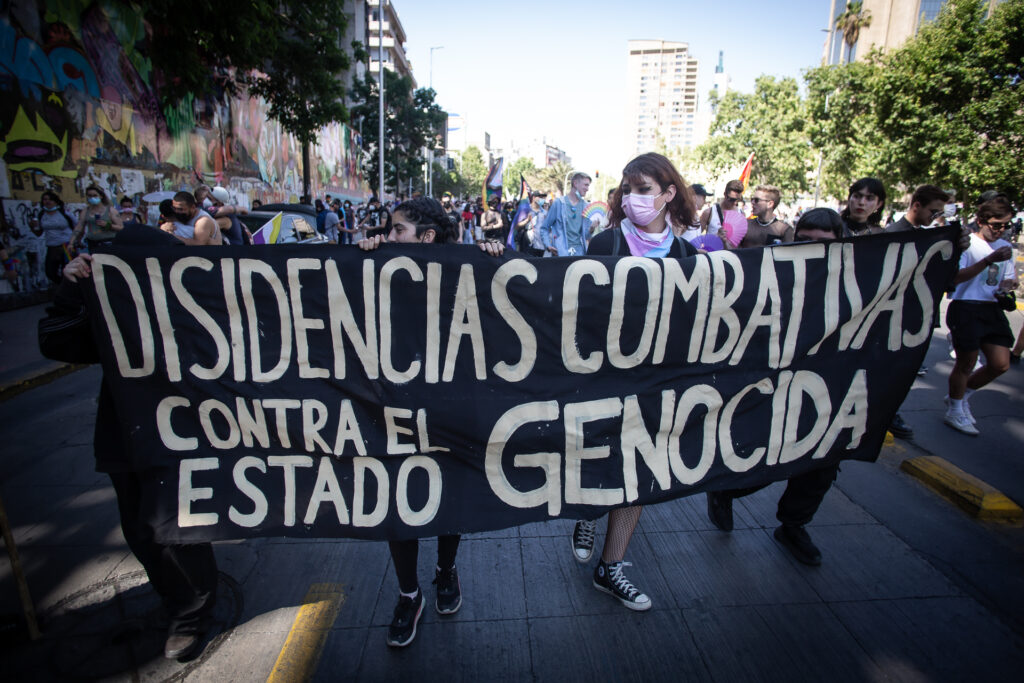
At Presentes, we are committed to strengthening our Latin American perspective. As communication has globalized and foreign bureaus have disappeared, it has become increasingly difficult to understand other realities from a regional point of view. We increasingly learn about what is happening in El Salvador through CNN or international news agencies based in Europe or the United States. This presents a significant challenge for independent Latin American media. And although Presentes is a small publication, we are determined to take it on: to tell the stories of the networks woven from our shared identity.
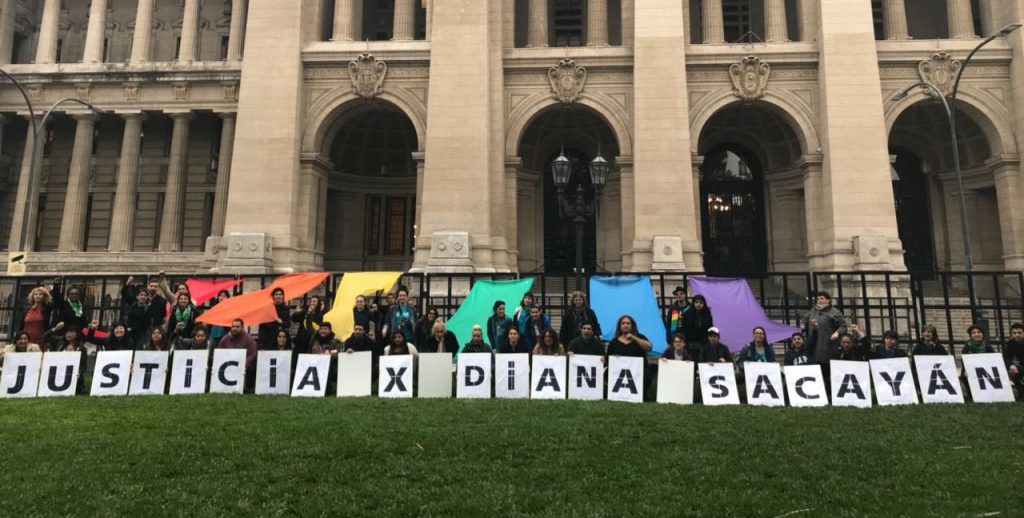
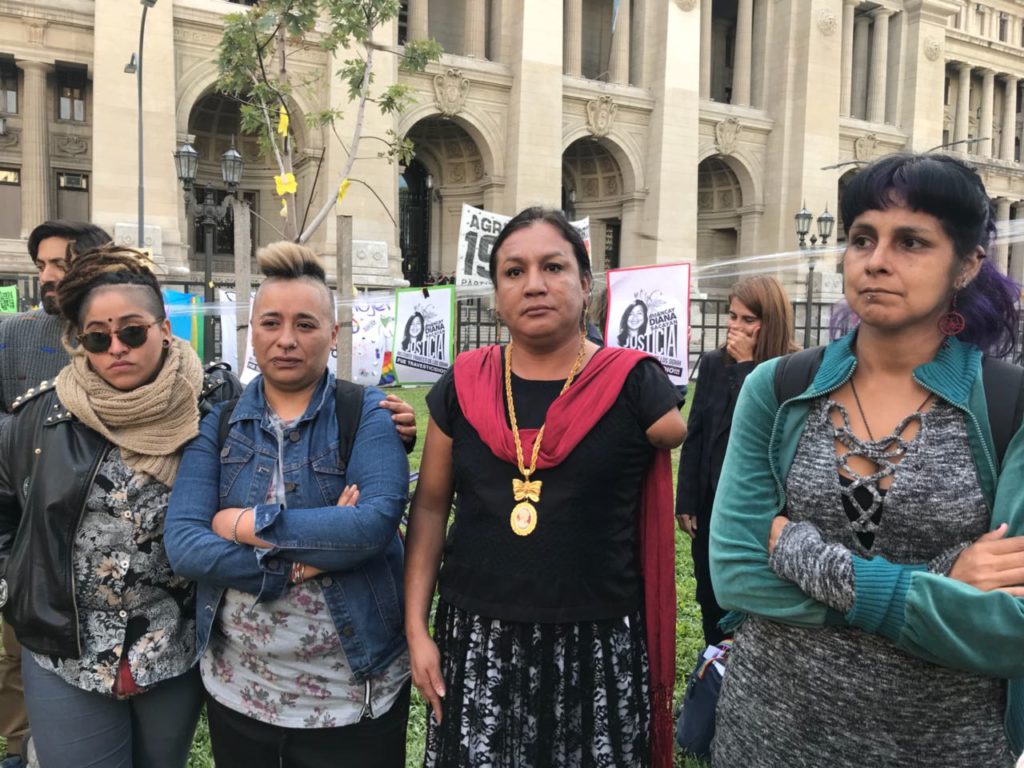
For example, the transvestite theory network arranged for the muxe activist Amaranta Gomez Regalado to travel from the Isthmus of Tehuantepec, Mexico, to attend the trial for the transvesticide of Diana Sacayán Or, at the trial before the Inter-American Court of Human Rights for the extrajudicial execution of Vicky Hernández, a Honduran trans woman murdered during the coup in Honduras, the Argentine transvestite activist Marlene Wayar was summoned in the same role to explain the structural violence that permeates the lives of transvestites in the region.
That's why in 2018 we decided to broaden our focus beyond the Southern Cone and also cover the Northern Triangle of Central America: Guatemala, El Salvador, and Honduras. This has been a huge challenge, and even today, despite having very dedicated journalists in those countries, we face the difficulties of distance and cultural differences.
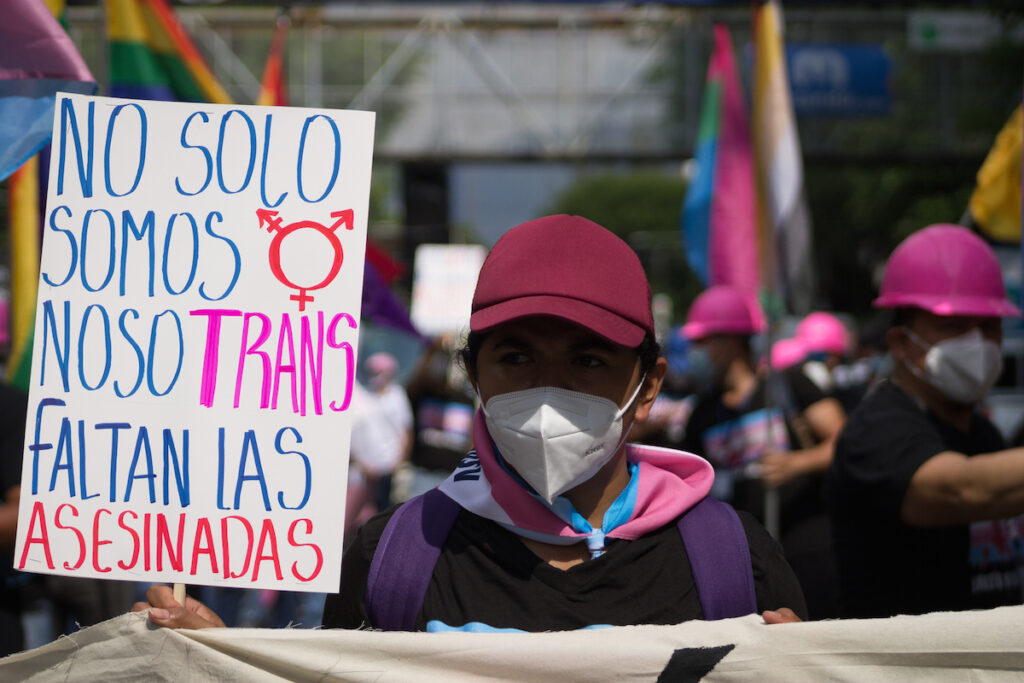
In 2019 we took another important step and created a coordination office in Mexico, a country that is key to our regional coverage because of its diversity, cultural richness and size.
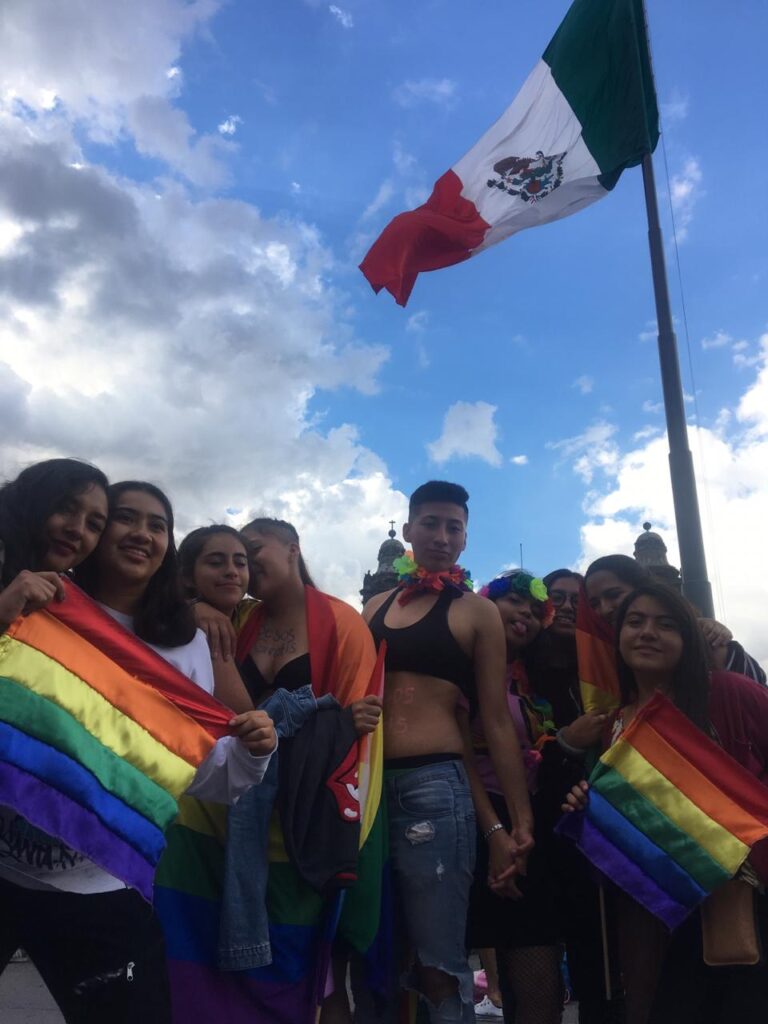
Our greatest challenge is to foster dialogue and try to show what's happening in different parts of a continent. It's also about highlighting the diversity within diversity. Being an LGBT+ person in Argentina, where there's a progressive legal framework for the region, is not the same as being LGBT in Honduras, where being LGBT means living at risk in a country with high rates of violence affecting the entire population.
One way we've found to foster a more fluid dialogue with activists (many of whom are sources and producers of Presentes' articles) and journalists is through our training workshops on how to cover LGBTQ+ news from a human rights perspective. Since 2016, we've coordinated workshops for over 1,000 people across Latin America . Our goal is not only to report on LGBTQ+ issues but also to improve journalistic practices and influence other media outlets. Thanks to these workshops—both in-person and online—we've built networks in several countries and learned from colleagues and activists.
To tell of a change of era
We are aware: we are chronicling a changing era. And we do so by giving prominence to the voices involved and discriminated against, including those underrepresented in other media. By conversing and observing with others, we forge alliances with crucial groups in building a different kind of communication for a different reality. We feel that vertigo, the joy and the responsibility of trying to do it well, to the best of our ability, and sometimes, also, the frustration.
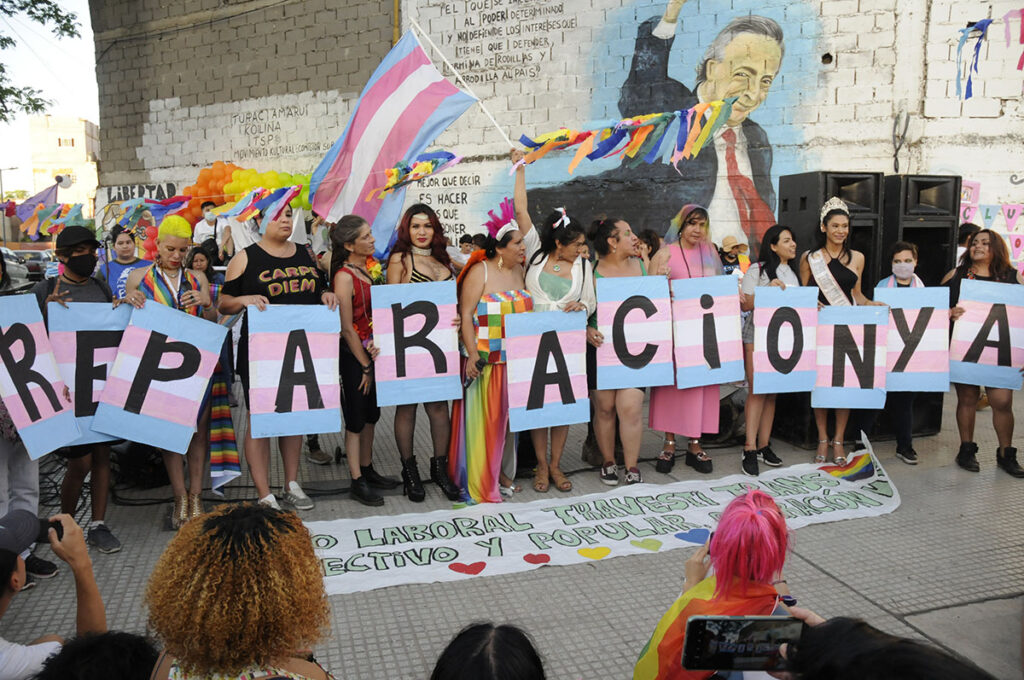
Because there are certain threads that connect the political, cultural, social, and economic structures of patriarchy and its oppressions, and these threads aren't immediately obvious, nor are they being reported by mainstream media in a way that respects human rights. Trans people continue to be killed in identical ways in El Salvador, Mexico, and even Argentina: while engaged in prostitution or sex work, on the street, with atrocious brutality. And they continue to face discrimination when they go to a hospital and are refused treatment.
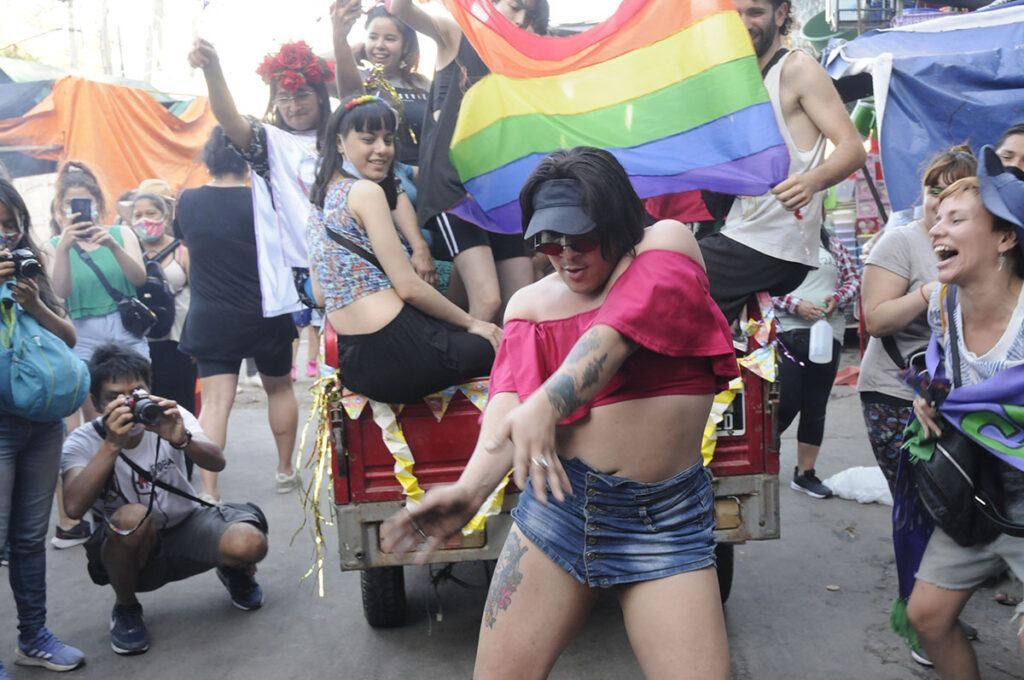
We are also witnessing the evolution of media discrimination, which takes on different nuances but reveals common patterns when it uses headlines that stigmatize and criminalize certain identities. Therefore, we not only want to report on this changing era, but to do so a little better.
We also know that we are witnesses to and participants in the various tensions within feminism. We see how, unfortunately, many sectors still fail to engage with the sexual diversity agenda, and others, in the worst cases, have become explicitly trans-exclusionary spaces, falling into the kind of biological determinism that has caused us so much harm as a movement throughout history. We also observe the virulence on social media, the lack of nuance in discourses that tend to polarize between "them" and "us." Every day we ask ourselves how to participate in the public debate without adding more noise to the clamor on social media. It's not easy. We don't have many answers, only some personal guidelines and those from our own media outlets.
Open the agenda, broaden the worldview
In the last year and a half, just before the pandemic hit, we set out to broaden the sexual diversity agenda to include other issues. We saw, and still see, with concern how issues concerning Indigenous women—Indigenous issues in general, but particularly those of women land defenders—were suffering from almost the same problems we identified years ago with LGBT+ news: from invisibility to stigmatization, and even exoticization.
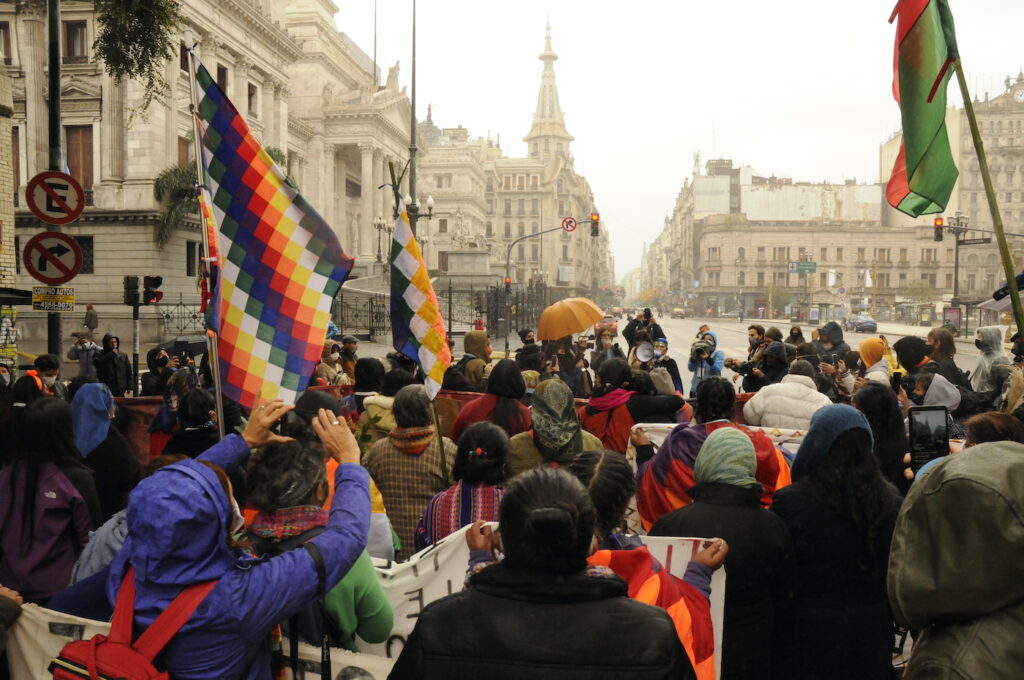
We then decided to gradually open up Presentes to these issues in the midst of the pandemic. To make visible the violence suffered but also the key roles as defenders of the land at a time when Indigenous peoples are practically the only ones who have a comprehensive worldview of the problem we are facing as humanity.
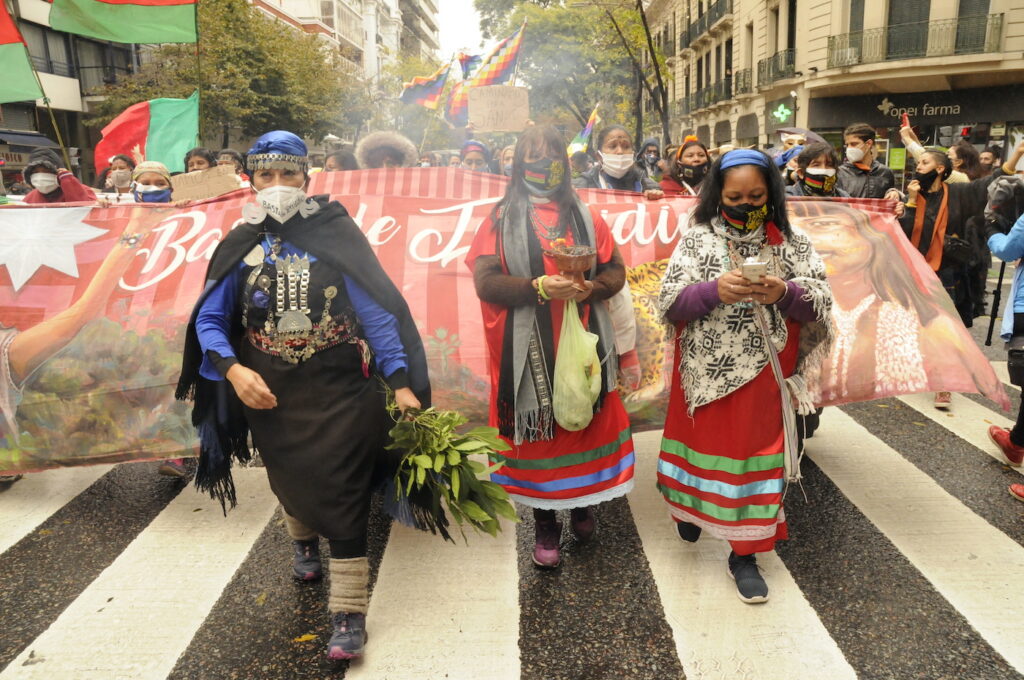
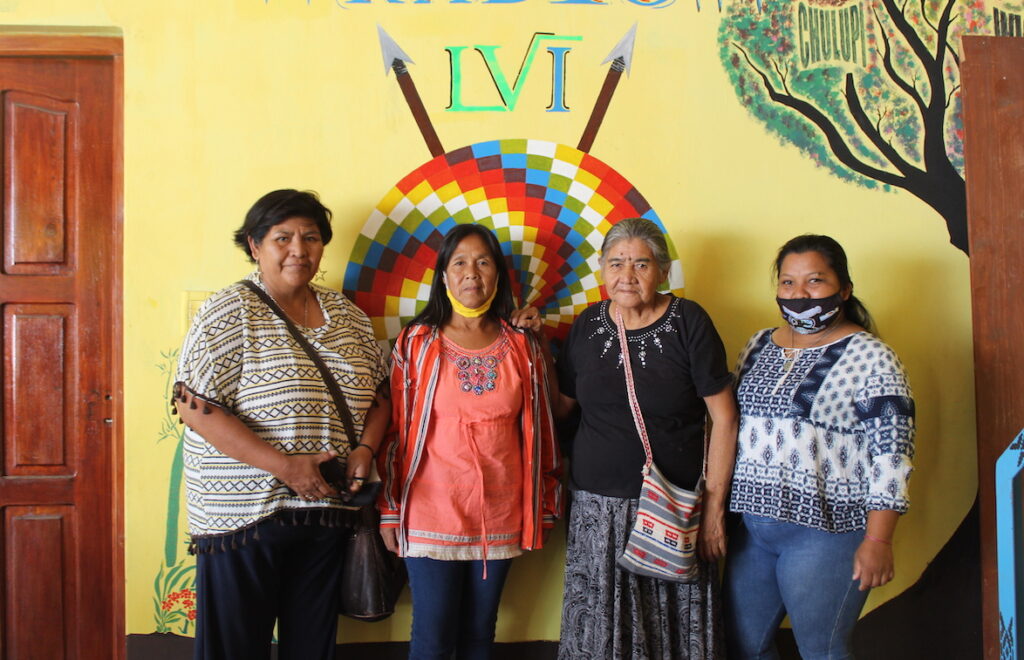
In turn, the networks of Indigenous and peasant women with whom we are in contact tell us about the need, also within their communities, to talk about sexual diversity and to give space to all these intersections. The word “intersectionality” seems to fall short at times. We started little by little, like everything at Presentes. Last year we participated in the campaign to raise awareness of “chineo” (the rape of Indigenous children by non-Indigenous people in northern Argentina), a practice that has been present and unpunished since colonial times . Then we investigated how Indigenous women in Paraguay and Argentina experienced the pandemic. This year we will continue our coverage and investigations from these two countries with the firm intention of decolonizing our own journalistic practices.
Last wishes
The day-to-day grind can be tough at times, but we have an incredible, intergenerational, diverse, and powerful team. And over time, we've learned to divide the roles. It's the team that provides the strength and support when plans fall through or we have to deal with complex issues, both online and in real life. Some days we laugh at the versatility required to run a regional media outlet. The time differences, the news and text messages that arrive from early morning until the wee hours, the paperwork for international transfers and payments.
We work every holiday because, except for May 1st and January 1st when we take a break, the rest of the non-working days vary from country to country, and things are always happening. And then there are, and above all, the close relationships built over these almost-years. With the team, and also those relationships with the correspondents in other countries, whom we've never met in person, but it's as if we've known each other for a long time. We fantasize about getting together someday for a beer in a bar in Jujuy or Guatemala City, or meeting up with our allies and admired colleagues at Pikara Magazine in some corner of Bilbao. Presentes was born from a journalistic desire but also from a network of affection. To this day, and not without many ups and downs, this emotional dimension sustains us as a media outlet and as individuals.
*This article was published in the special monograph on feminist journalism of Pikara Magazine.
We are present
We are committed to journalism that delves into the territories and conducts thorough investigations, combined with new technologies and narrative formats. We want the protagonists, their stories, and their struggles to be present.
SUPPORT US

FOLLOW US
Related notes
We are present
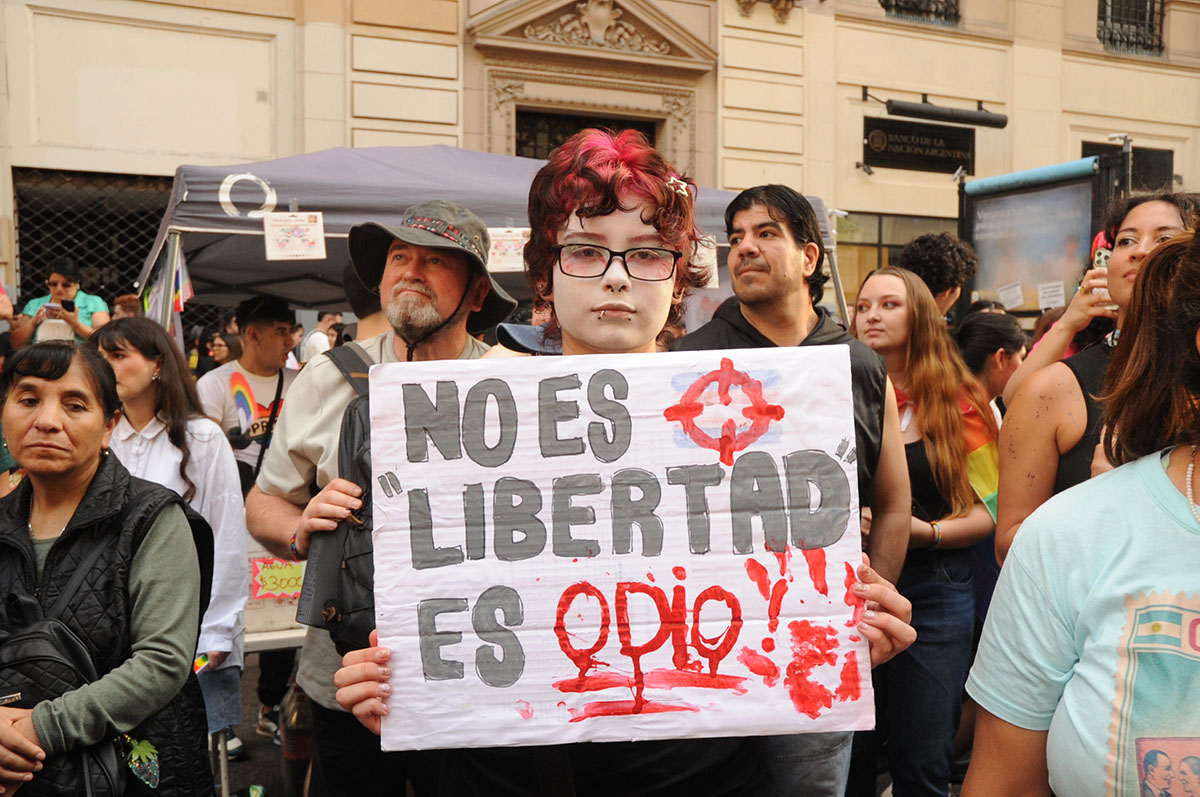
This and other stories are not usually on the media agenda. Together we can bring them to light.