

Why is Transgender Day of Remembrance commemorated?
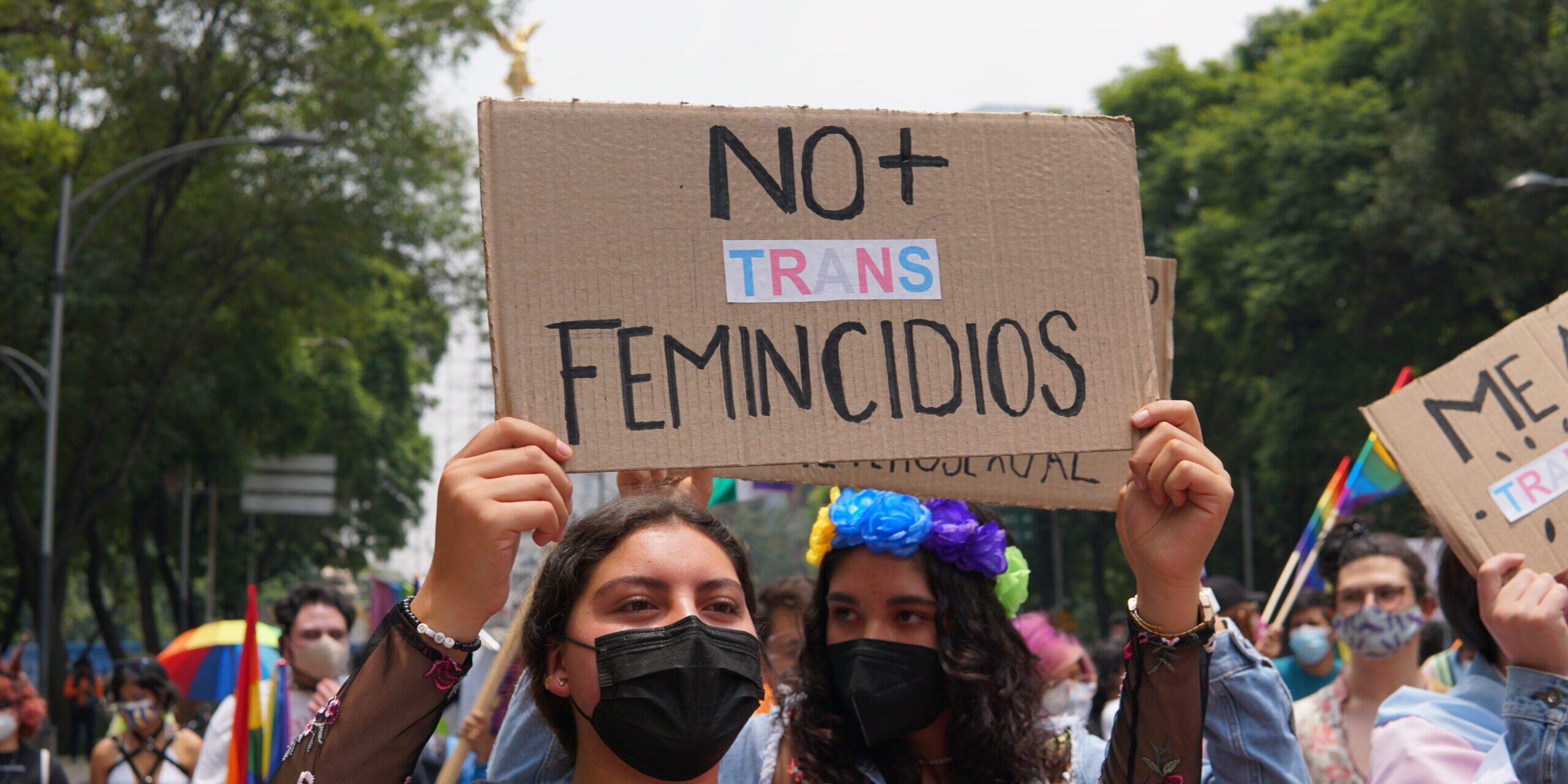
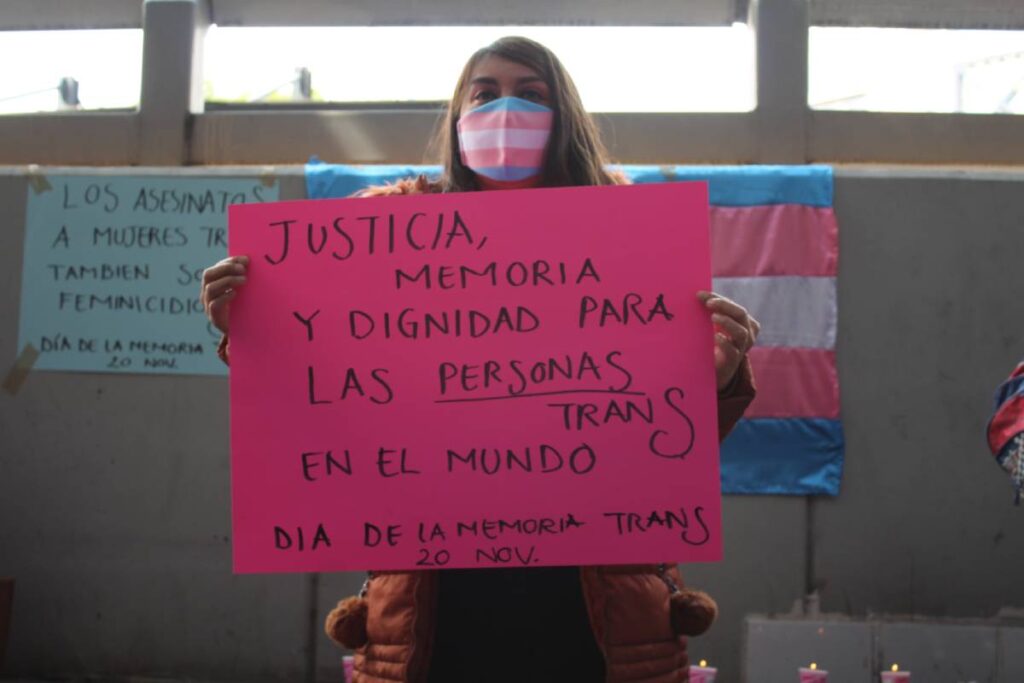
Every November 20th, International Transgender Day of Remembrance or Trans Memory Day is commemorated, a day to honor all trans, non-binary and gender non-conforming people who were murdered because of prejudice.

Share

This date marks the end of Trans Awareness Week, a series of activities held from November 13 to 19 that seeks to celebrate and vindicate the existence of trans populations and, above all, raise awareness about the violence that trans people continue to face around the world.
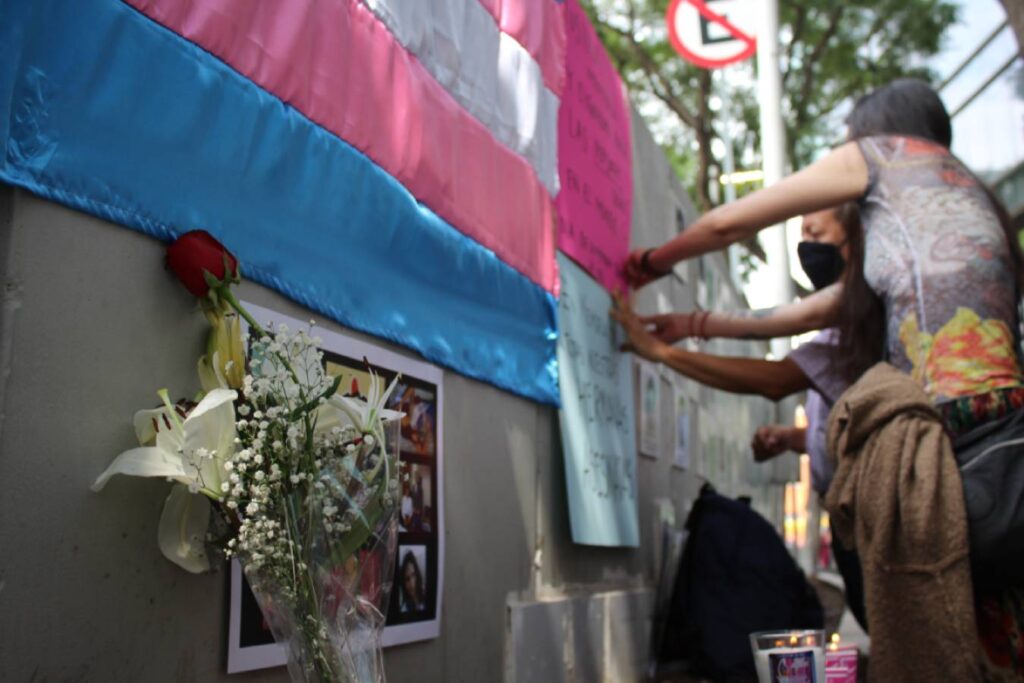
“This day is important because we remember and honor the trans people who have been victims of violence, discrimination, and stigma. It is also a time to reflect on the barriers that exist for trans people to live with dignity and enjoy their full rights, because the denial of these rights has a profound impact on their lives,” says Rocío Suárez, founder and coordinator of the Center for Support of Trans Identities (CAIT), a Mexican organization that has been organizing vigils and marches for this day in Mexico City for approximately nine years.
Why does it arise?
On November 28, 1998, Rita Hester , a black trans woman from Boston, Massachusetts, was brutally murdered in her apartment; she was 35 years old.
According to an NBC News report , days after Hester's death, 50 trans people and allies marched in protest against the way the press covered her life and death. Outlets such as the Boston Herald and Bay Windows, an LGBT newspaper, referred to Hester with the wrong pronouns, denied her identity, and used her deadname.
“It all started one night when I was talking with other trans people about the murder of Rita Hester in November 1998. I talked about how similar the death of Chanelle Pickett was just three years earlier (both were Black trans women). No one I spoke to knew who Pickett was, so it became clear to me that we were forgetting our past,” wrote Gwendolyn Ann Smith, an American trans activist, in 2017.
Following Hester's murder, Ann Smith created Remembering Our Dead , a website where she named murdered trans people, and the following year at least 150 trans people and allies marched in the streets of San Francisco (California) and Boston to honor Hester and other victims, thus giving birth to Trans Day of Remembrance (TDOR).
After 22 years, this date has been replicated in different cities around the world, and in each territory various activities, marches, and vigils are held to rename the murdered trans people.
For Suárez, this date is also an exercise in historical memory about the lives and deaths of trans people. She says, “It serves to remind us that this violence is a structural phenomenon, part of a process of historical discrimination, and that each murder is not an isolated incident. This is important to understand because it contributes to the demand for justice in each case and also to emphasize that all trans lives matter, are valuable, and therefore deserve dignity.”
“The State has a historical debt to trans people”
The denial of the right to identity for trans people, discrimination and exclusion from the family environment; from health services; education and work, form a mechanism of violence that permeates the lives of trans people and places them in positions of inequality and vulnerability, as noted by the Inter-American Commission on Human Rights in its 2015 report Violence against LGBTI people .
The document highlights that “violence against trans people, particularly trans women, is the result of a combination of factors: exclusion, discrimination, and violence within the family, schools, and society at large; lack of recognition of their gender identity; participation in occupations that put them at greater risk of violence; and high criminalization.” In contrast, violence against trans men tends to be more invisible; “the most common forms are violence within the family and in healthcare settings, as well as school bullying,” the report notes.
Regarding non-binary identities, the report Trans and Gender Diverse Persons and their Economic, Social, Cultural and Environmental Rights (IACHR, 2020) highlights that, given that in “most States of the region, non-binary persons do not have access to legal gender recognition, their right to gender identity and expression is violated. This has consequences for the exercise of their daily activities, including the educational, labor, medical and electoral spheres, resulting in the denial of their human rights, including economic, social, cultural and environmental rights.”
“Faced with all this structural violence, the State still has a historical debt to trans people. There has been legislative progress on rights, hate crimes are now defined, cases have investigation files, and some even receive media attention; but we also have cases where there is no public clarity—especially when prosecutors allege suicide, as in the case of Dr. Elizabeth (Montaño) —and the different types of violence are still not included in the aggravating circumstances, which is important because it serves as a precedent and a database of aggressors who attack based on prejudice against gender expression and identity. There are still outstanding issues to be addressed so that trans people can have access to a life free from violence and to justice processes that do not go unpunished,” Suárez points out.
Furthermore, the states in the region continue to fail to document the needs and experiences of trans people, including the violence perpetrated against them by society and institutions. It is activist groups that are responsible for recording, analyzing, and disseminating this information.
Latin America, the most violent region
From October 2020 to September 30, 2021, 375 trans and gender non-conforming people were murdered in 31 countries around the world, according to data from the Transrespect versus Transphobia of Trans Europe, an organization that maintains an observatory of hate crimes against trans people which was built by trans activists from around the world.
Ninety-six percent of these crimes were against transgender women. Seventy percent of the total occurred in Latin America, and more than half of the victims were sex workers.
From the Center for Support of Trans Identities (CAIT), Rocío Suárez comments that it is important to make a clarification when Brazil and Mexico are named as the most violent countries in the world against trans people.
“We don’t deny that Mexico is second in the world for the number of trans people murdered; in fact, that’s true, but in absolute numbers. In percentage terms, other countries, especially Honduras and El Salvador, hold that position, and we believe this is important to avoid making other realities invisible,” Suárez explains.
According to data from Trans Europe , Brazil and Mexico remain the countries with the highest number of murders of transgender people, with 125 and 65 respectively. However, in Honduras (a country with just over 9 million inhabitants), 53 murders were recorded.
Pending to increase life expectancy
The second point Suárez raises concerns the widespread narrative surrounding the life expectancy of transgender people. She clarifies, “We find it contradictory to measure the quality of life of transgender people based on the number of murders recorded. The assertion that the average lifespan of transgender people is 35 should be understood in the context of those who have been murdered.”
To change this perspective, the Center for Support of Trans Identities believes it is necessary to generate other data, those that speak to the quality of life of trans people.
“If we want to increase the life expectancy of trans people, we should be talking about other issues such as access to employment, the percentage of trans people who have access to educational services, and healthcare, and that information doesn't exist. The question is, why doesn't it exist? That's why it's important to start thinking about what other indicators and what other narratives we can generate to increase the quality and life expectancy of trans people,” Suárez concludes.
We are present
We are committed to journalism that delves into the territories and conducts thorough investigations, combined with new technologies and narrative formats. We want the protagonists, their stories, and their struggles to be present.
SUPPORT US

FOLLOW US
Related notes

We are present
This and other stories are not usually on the media agenda. Together we can bring them to light.