

Chile took to the streets again to demand rights for diversity in the 21st LGBT+ Pride March
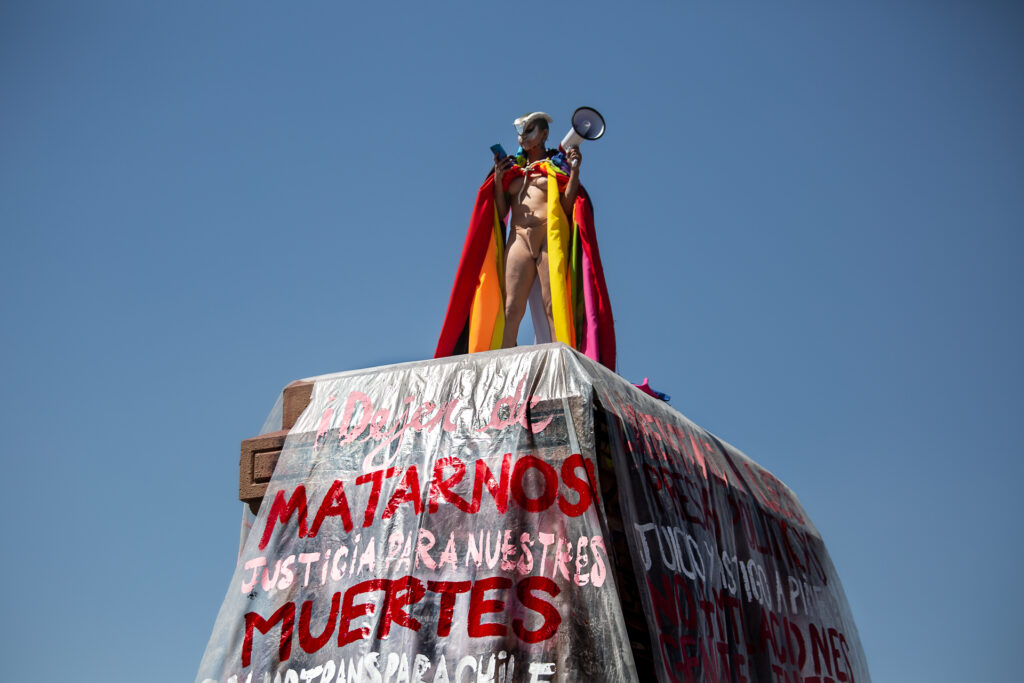
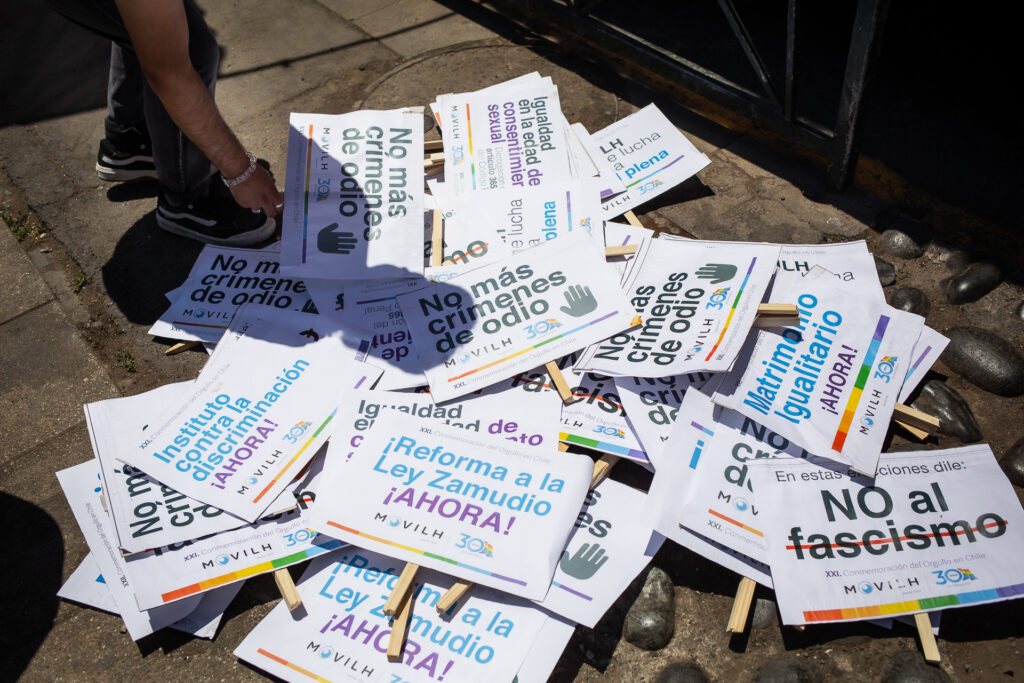
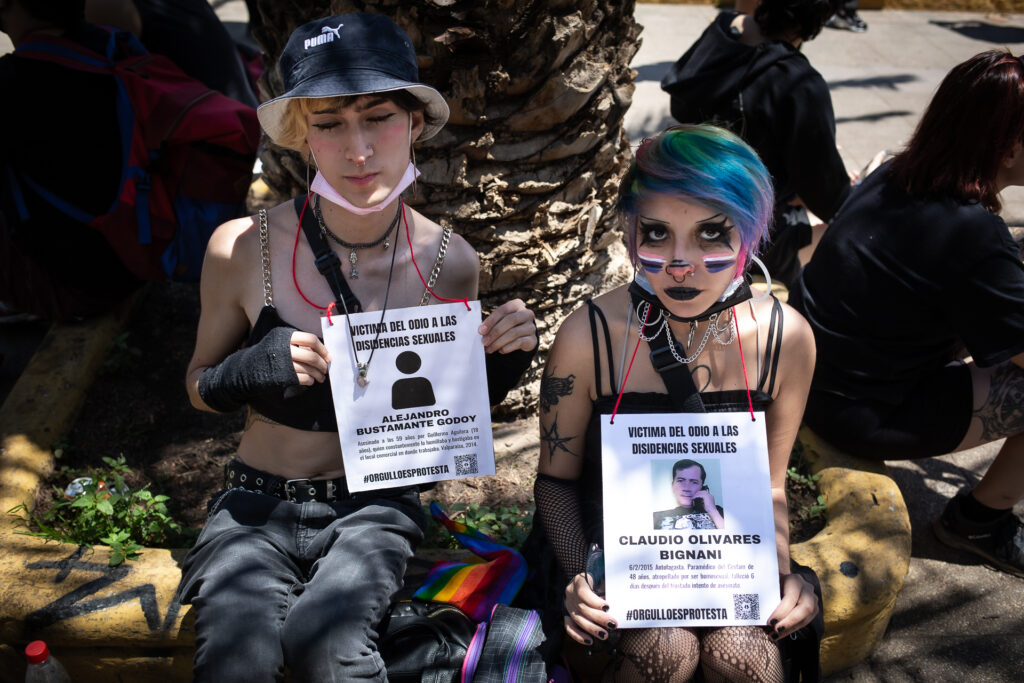
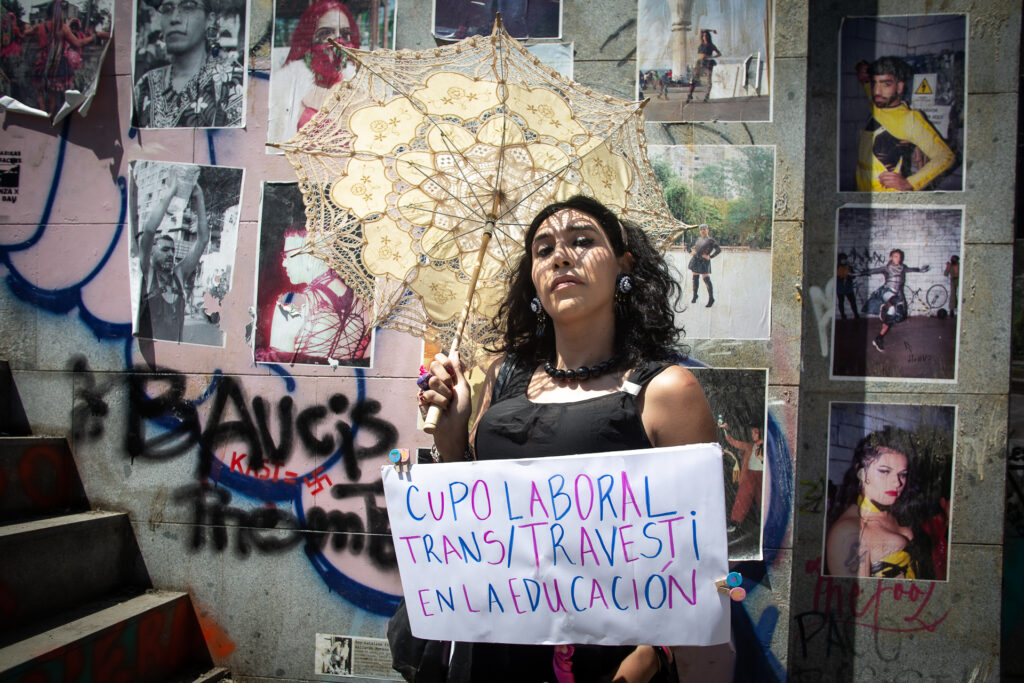
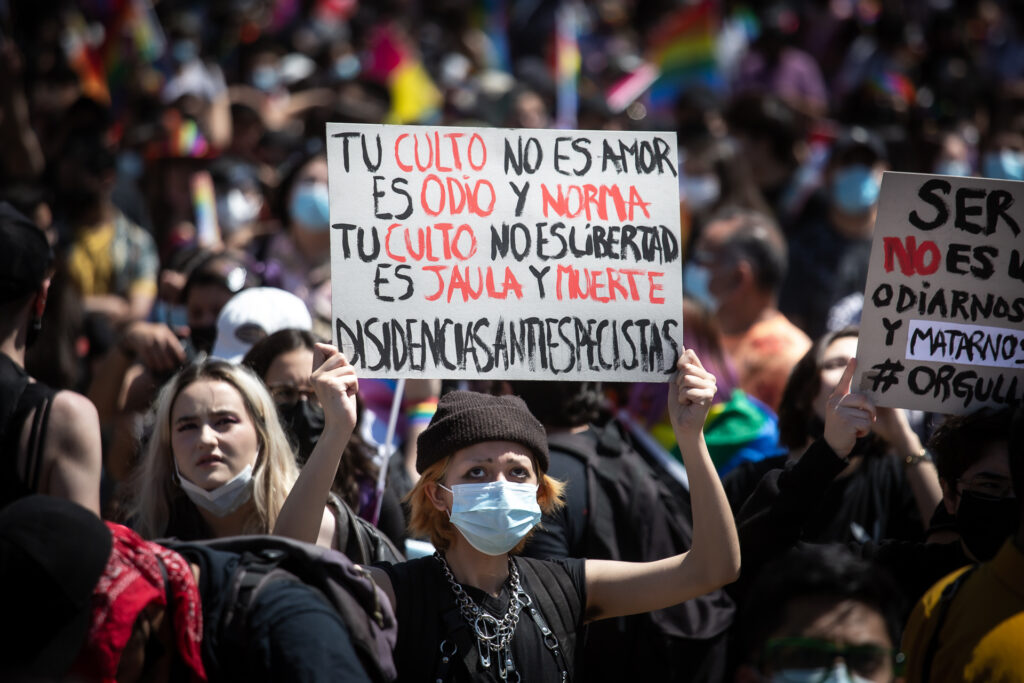
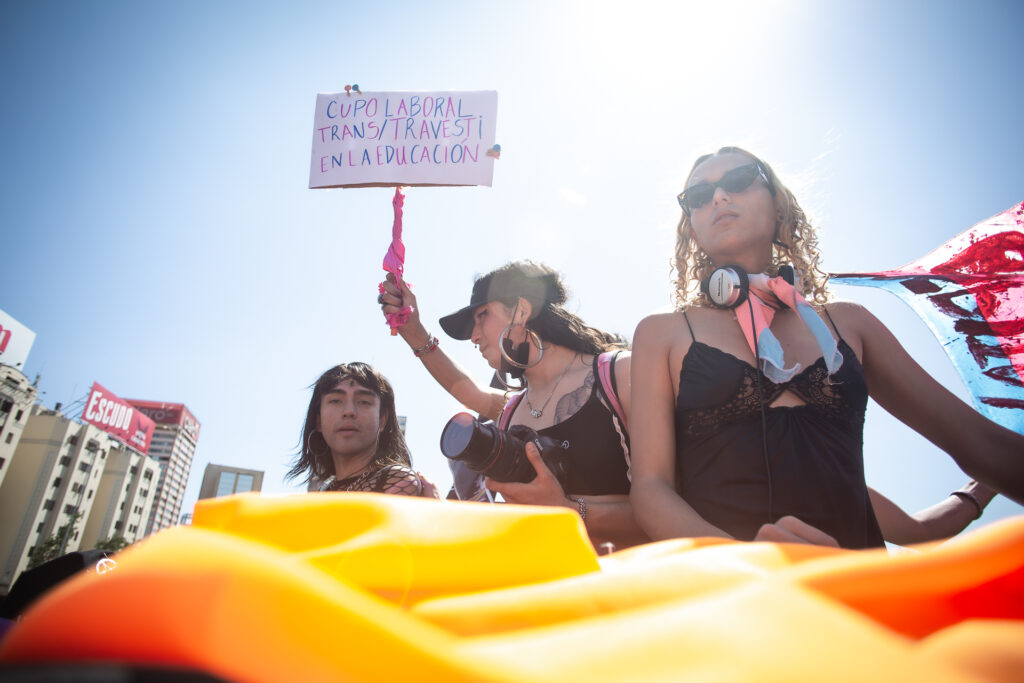
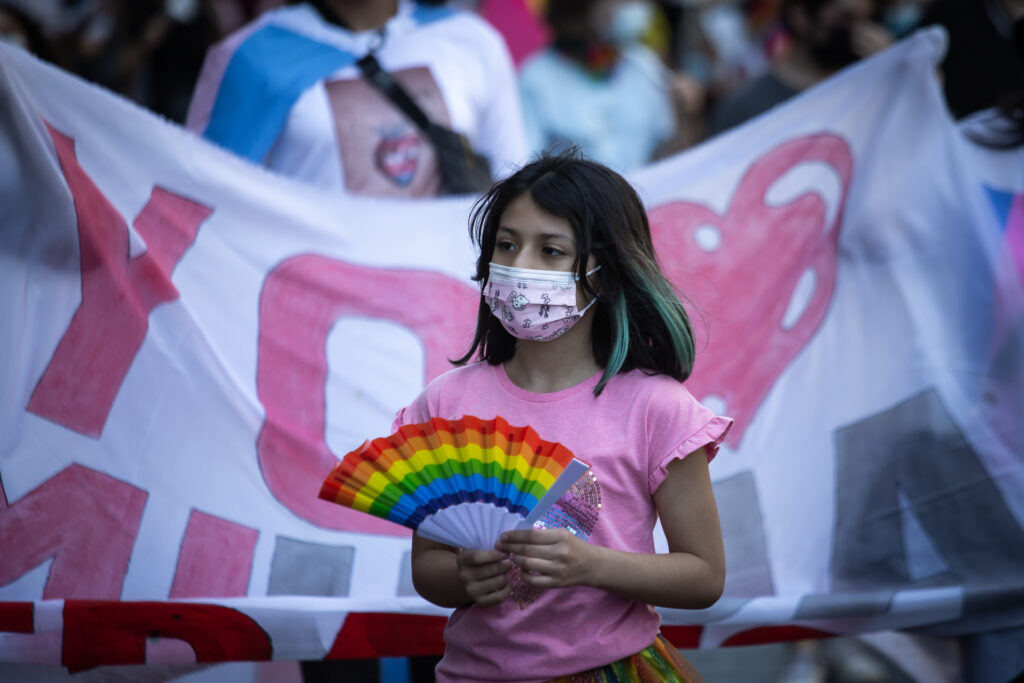
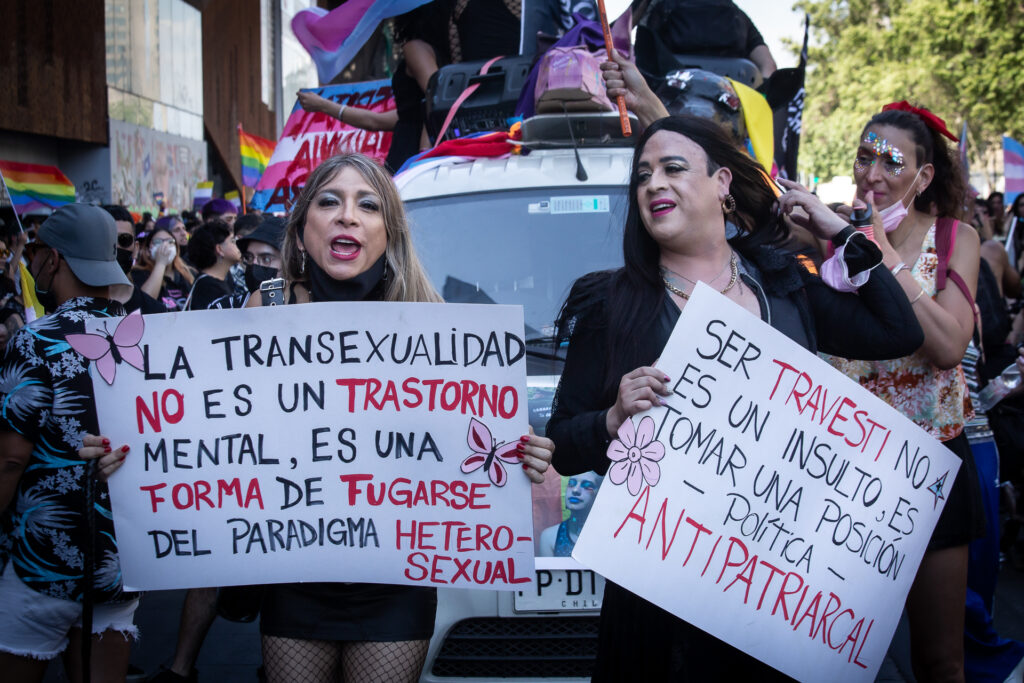
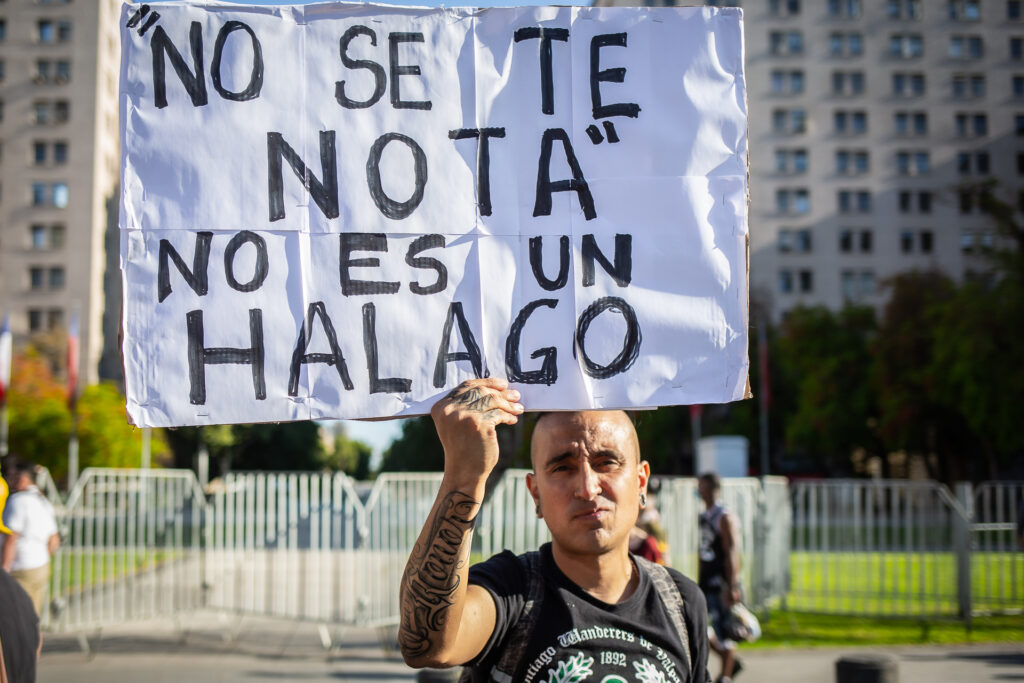
The most repeated slogans were social and legal equality, an end to violence, parental rights for same-sex parent families, free abortion, and a comprehensive trans law.


Share

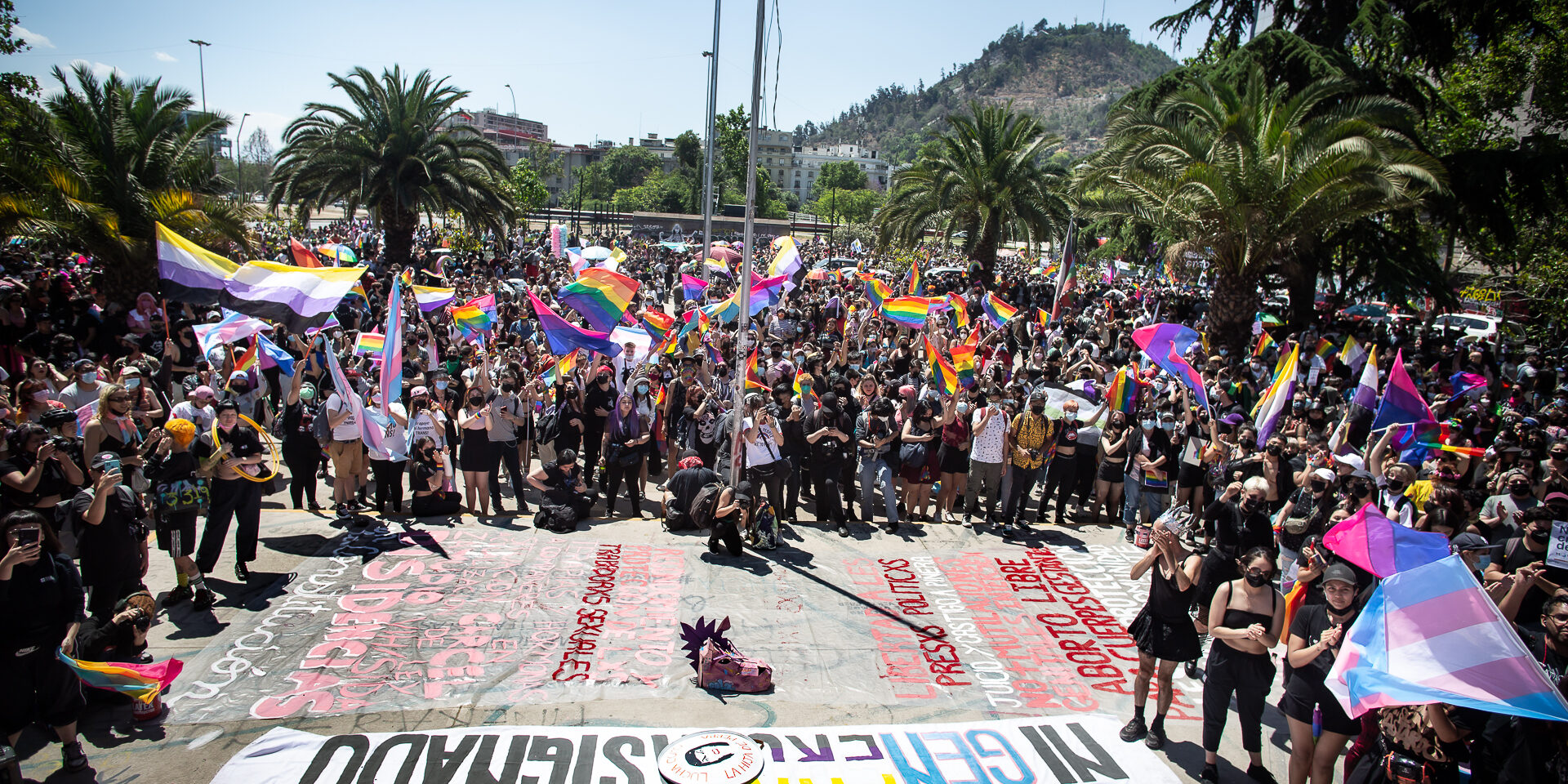
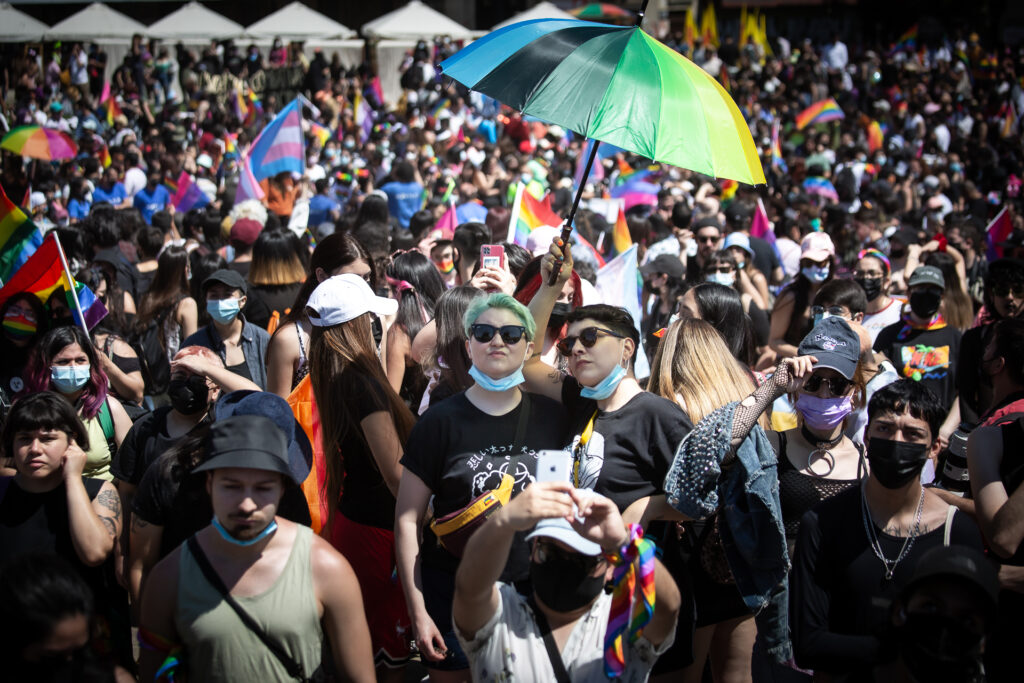
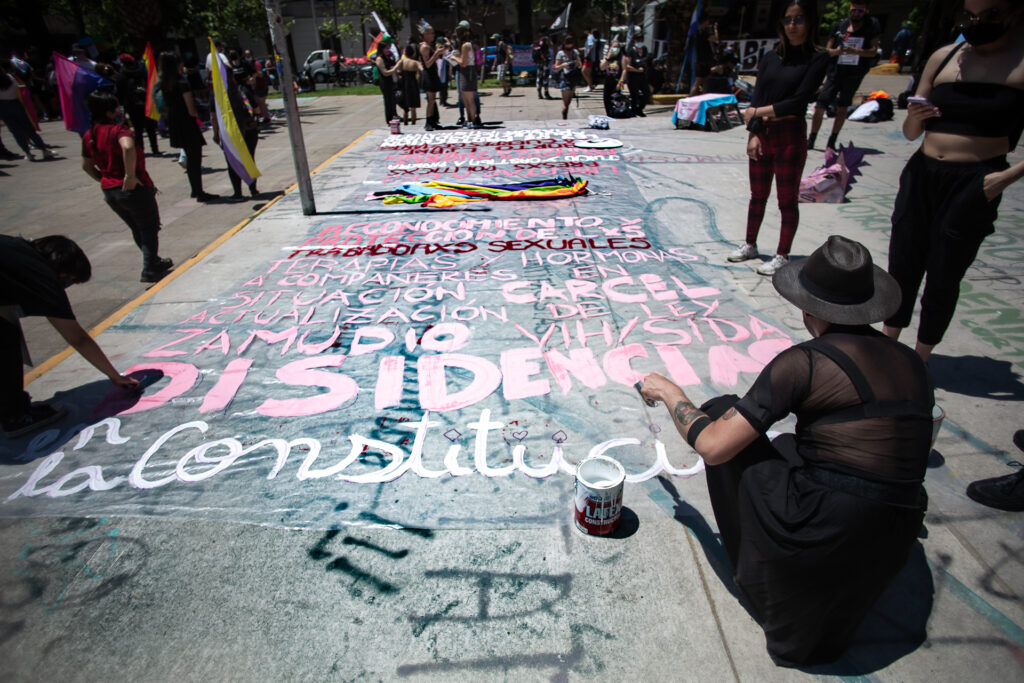
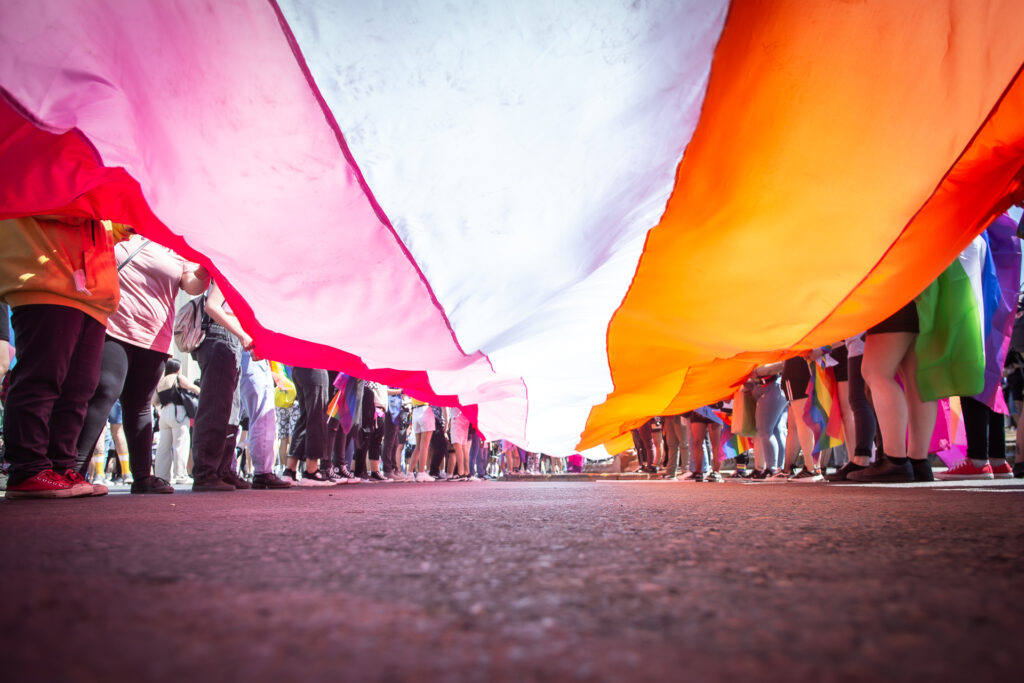
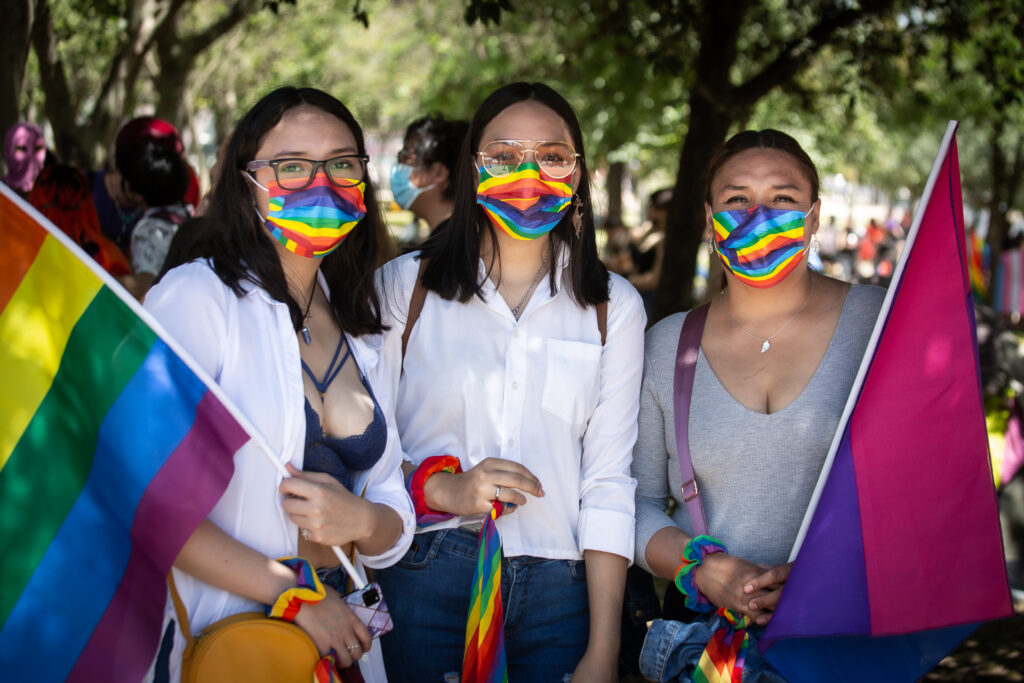
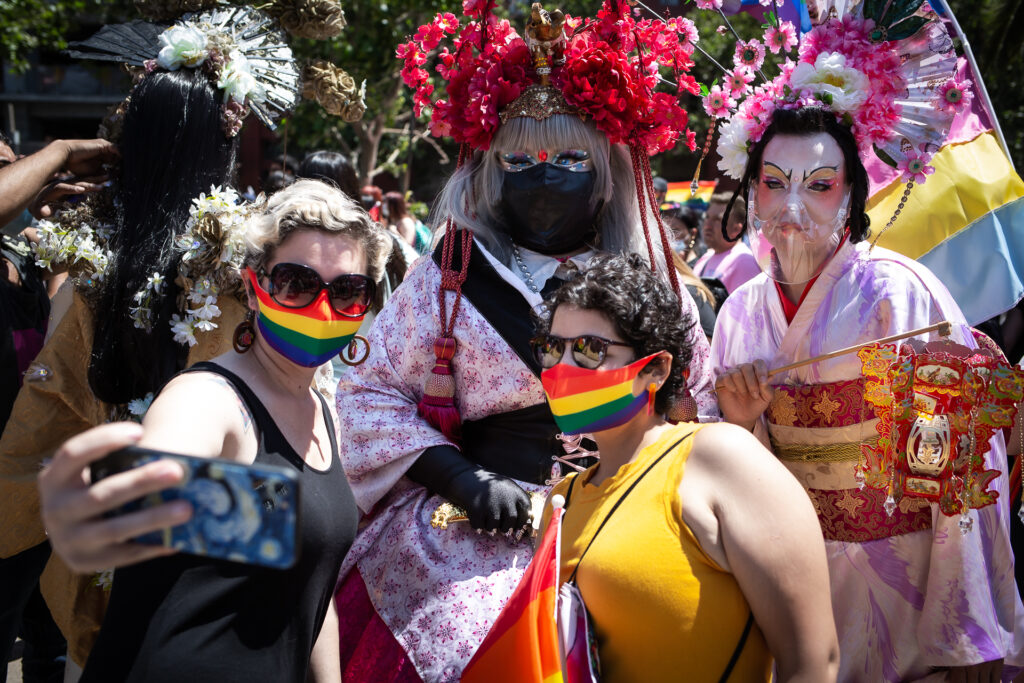
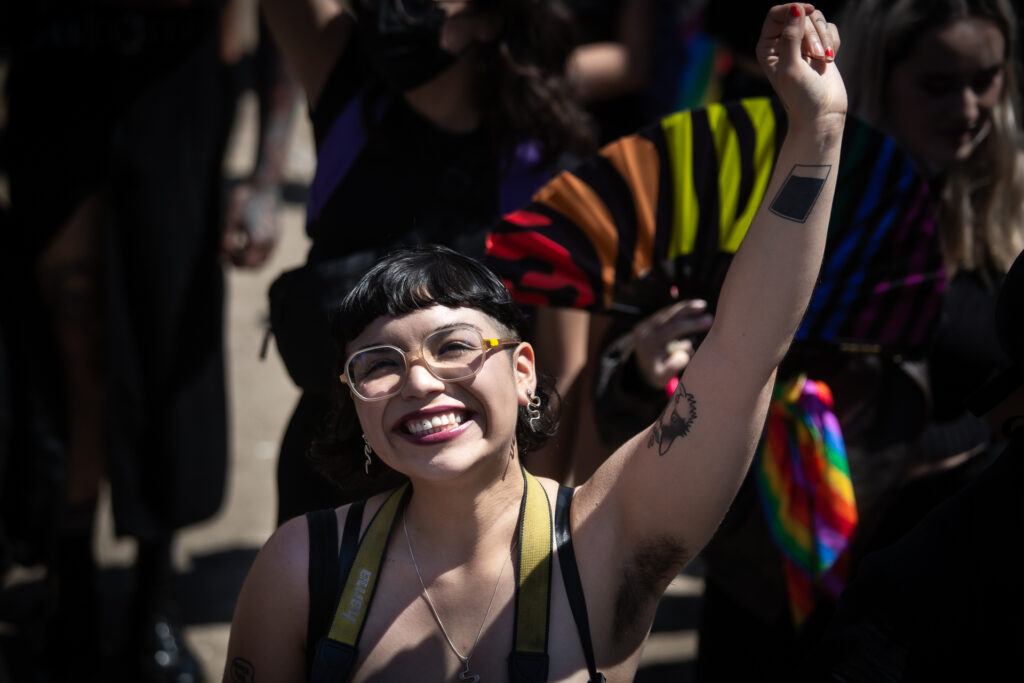
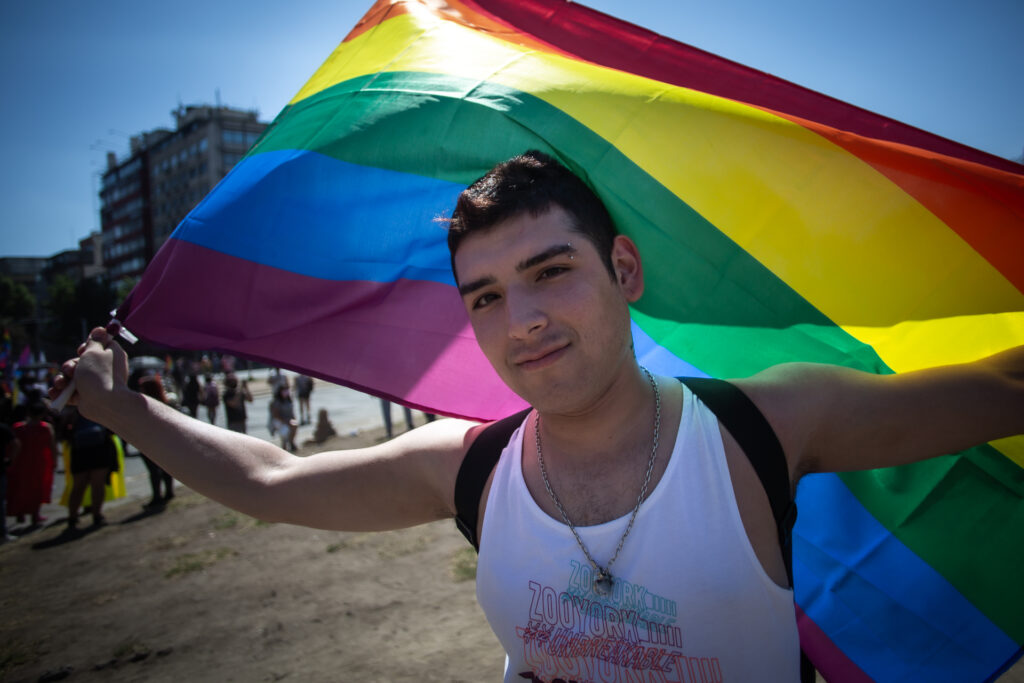
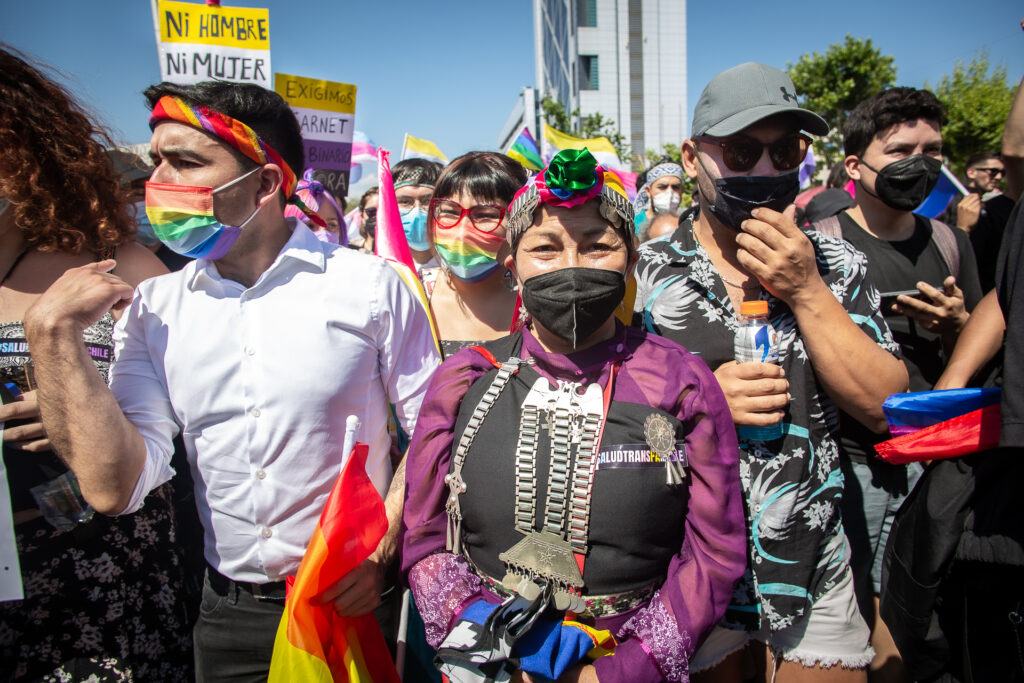
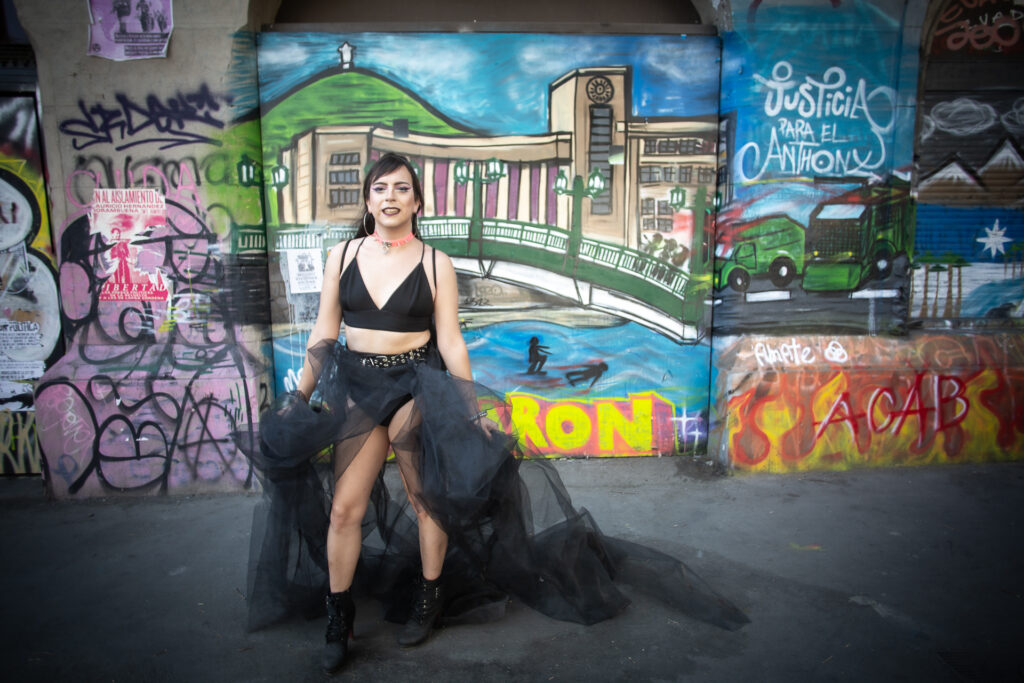
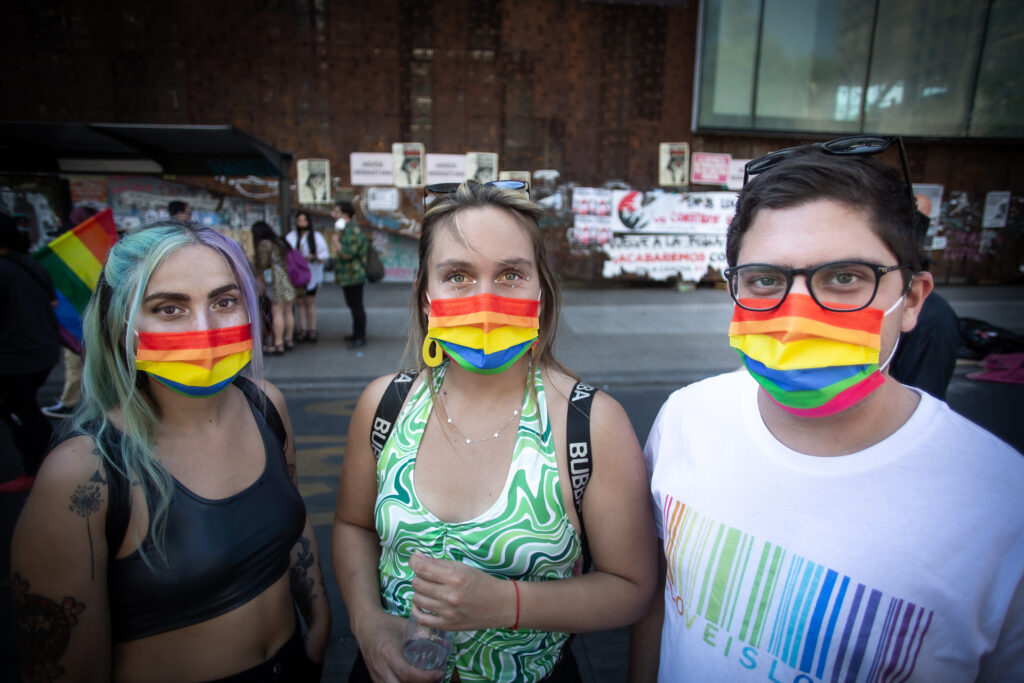
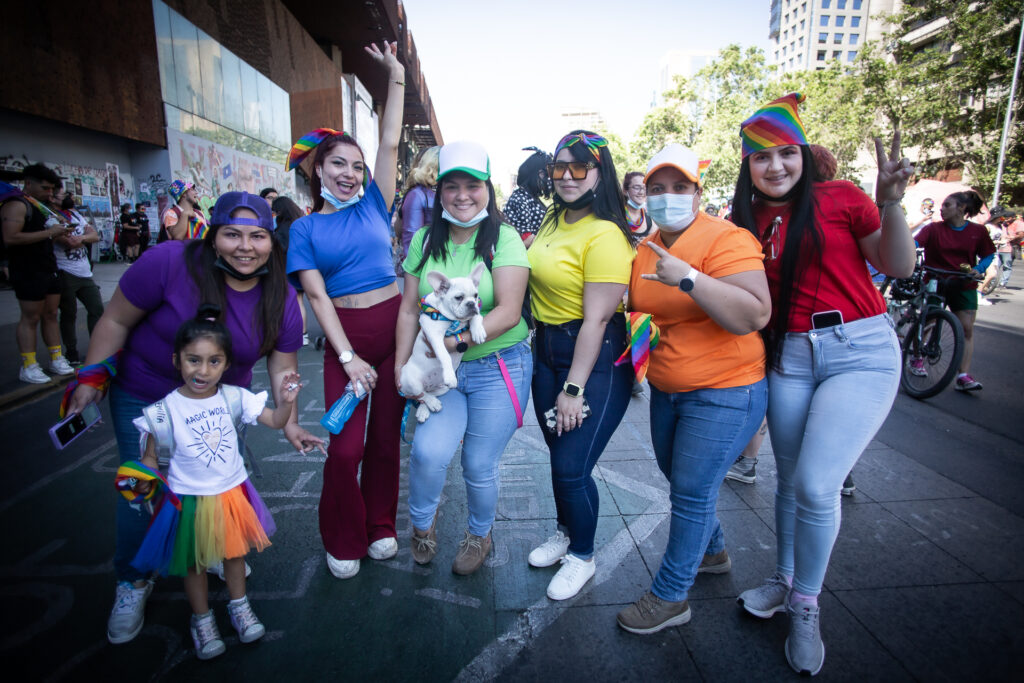
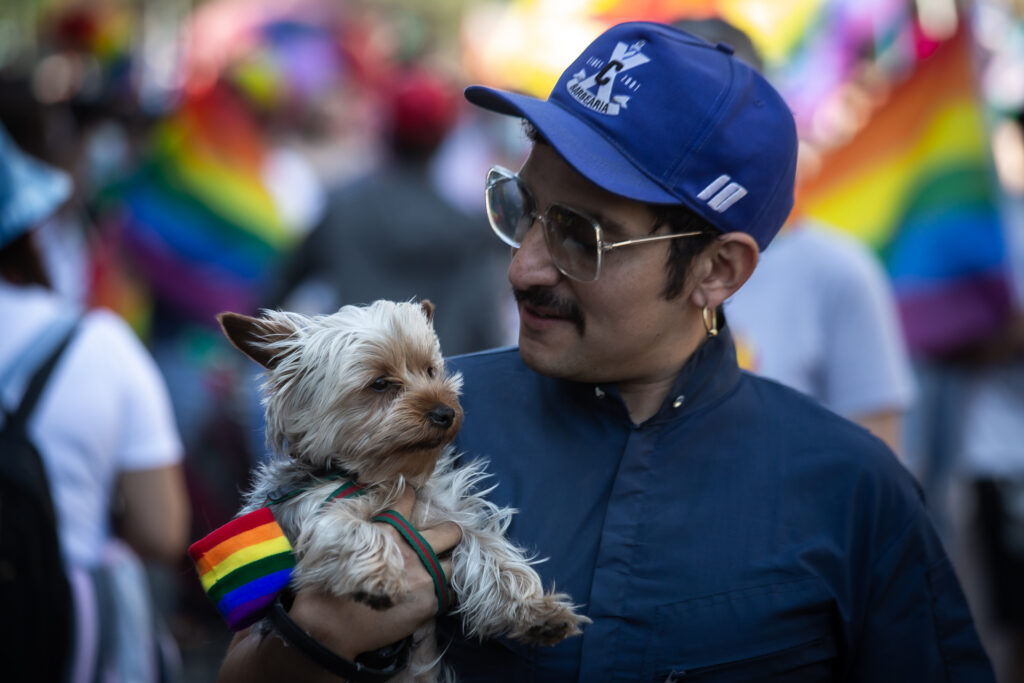
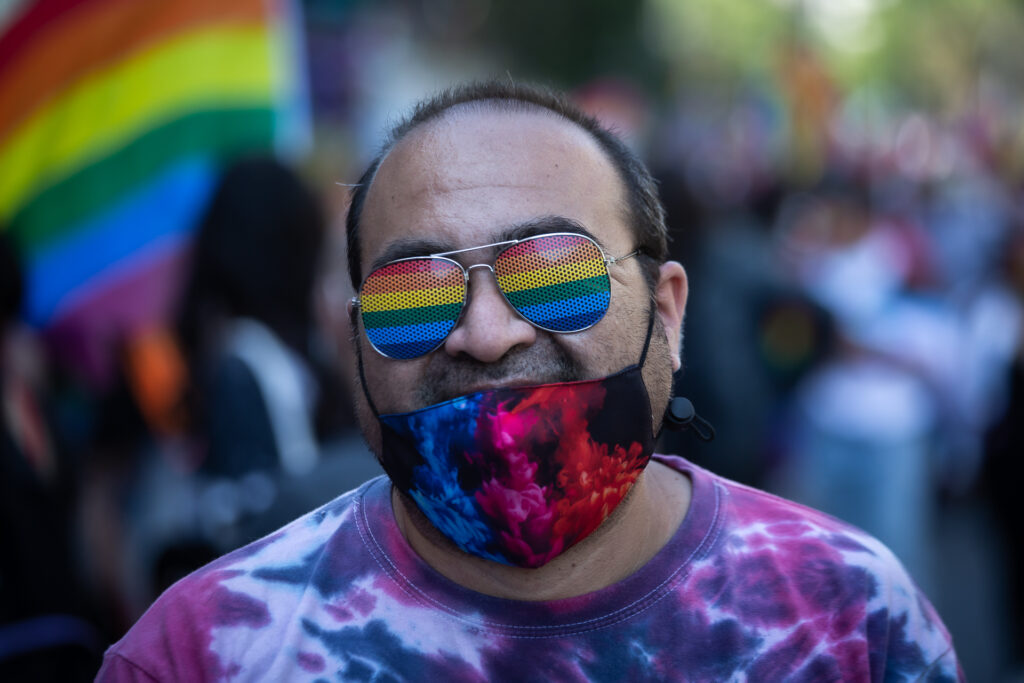
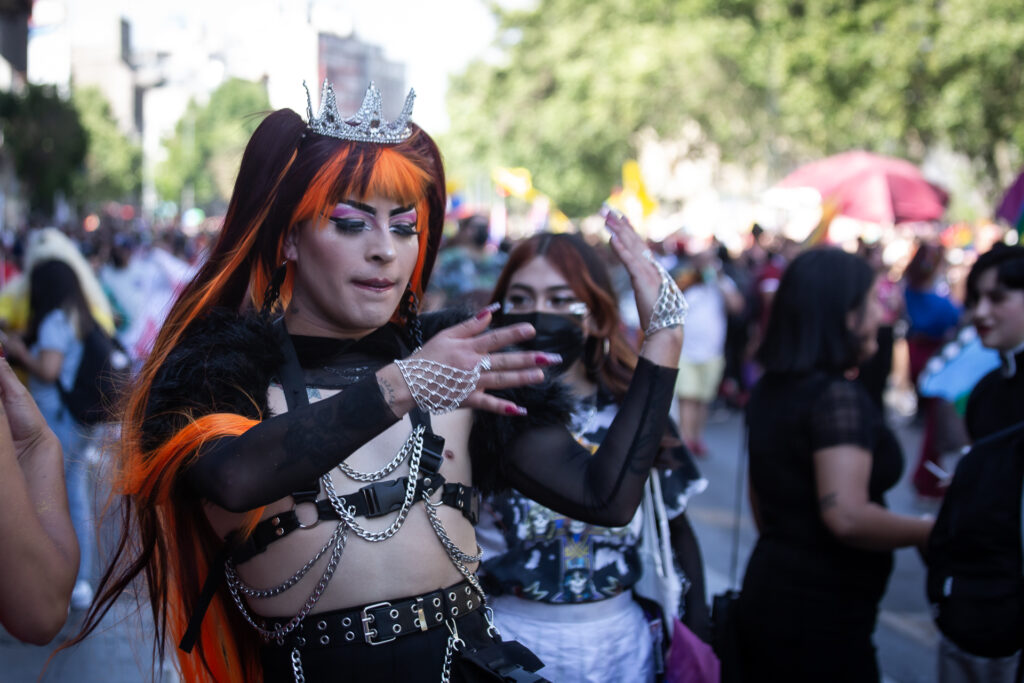
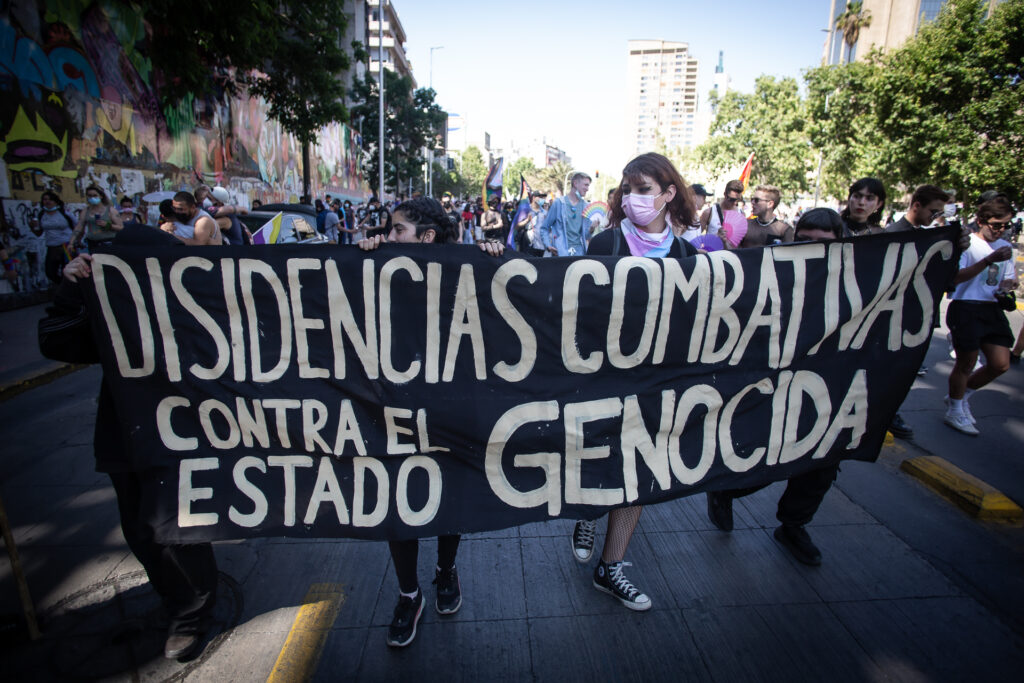
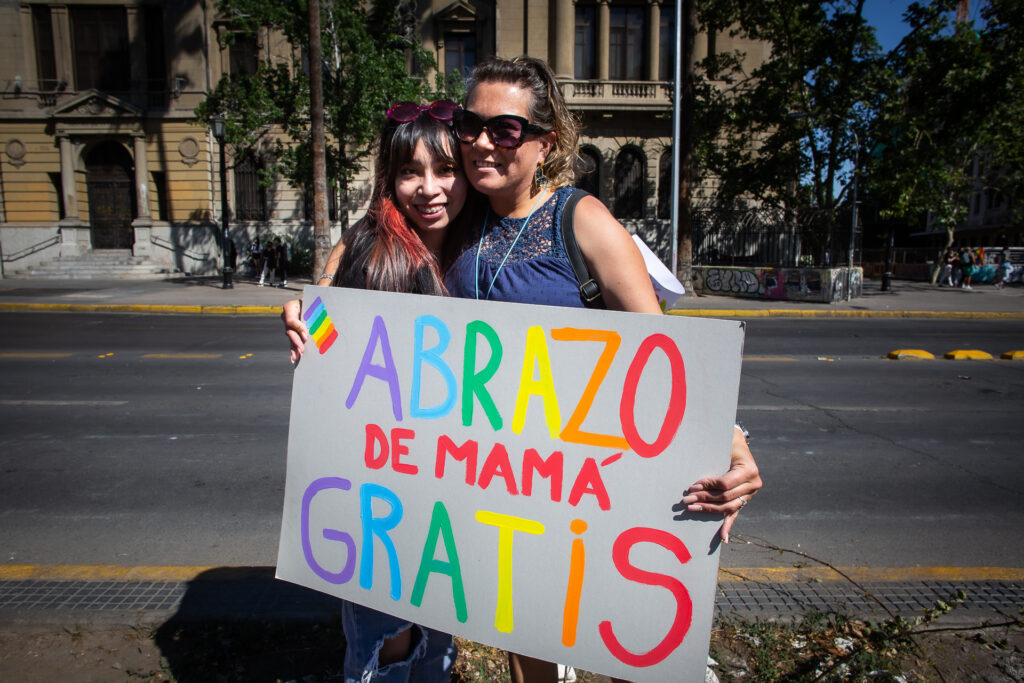
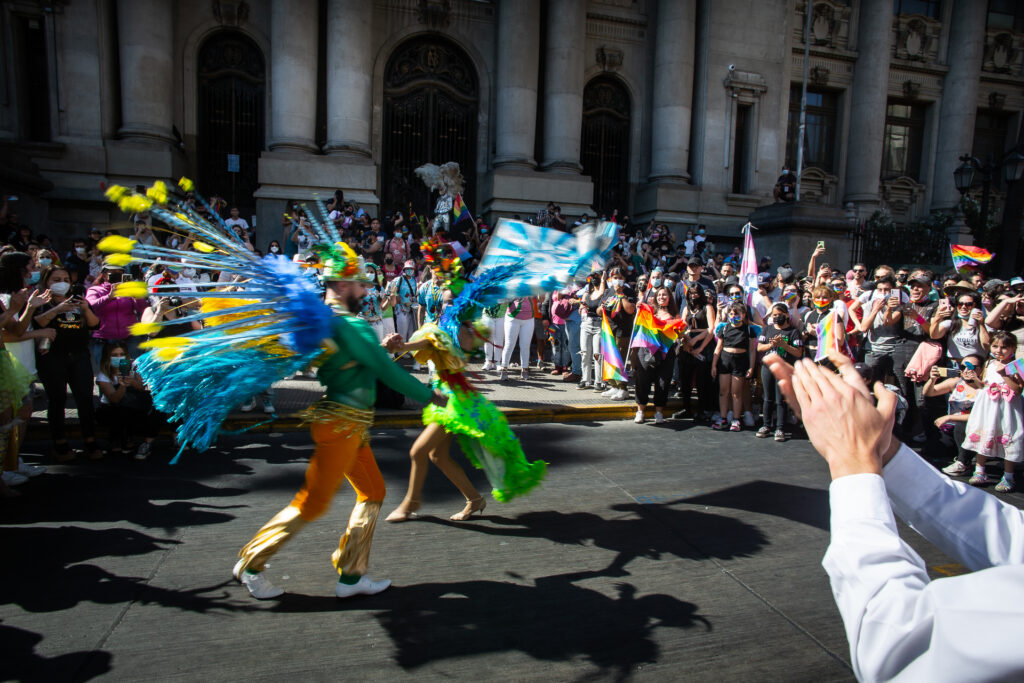
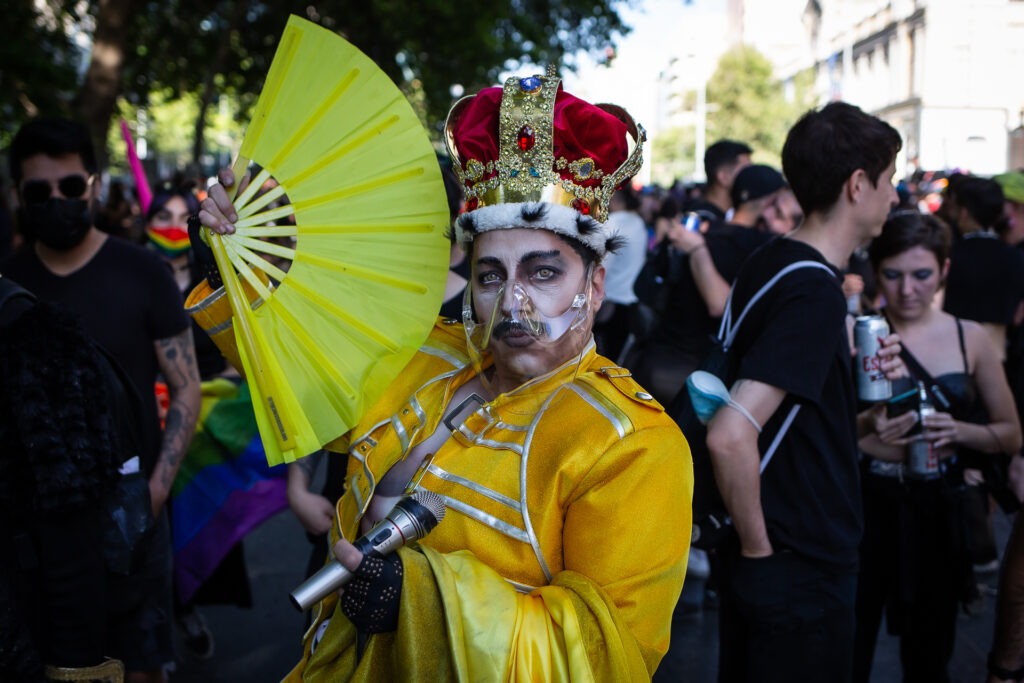
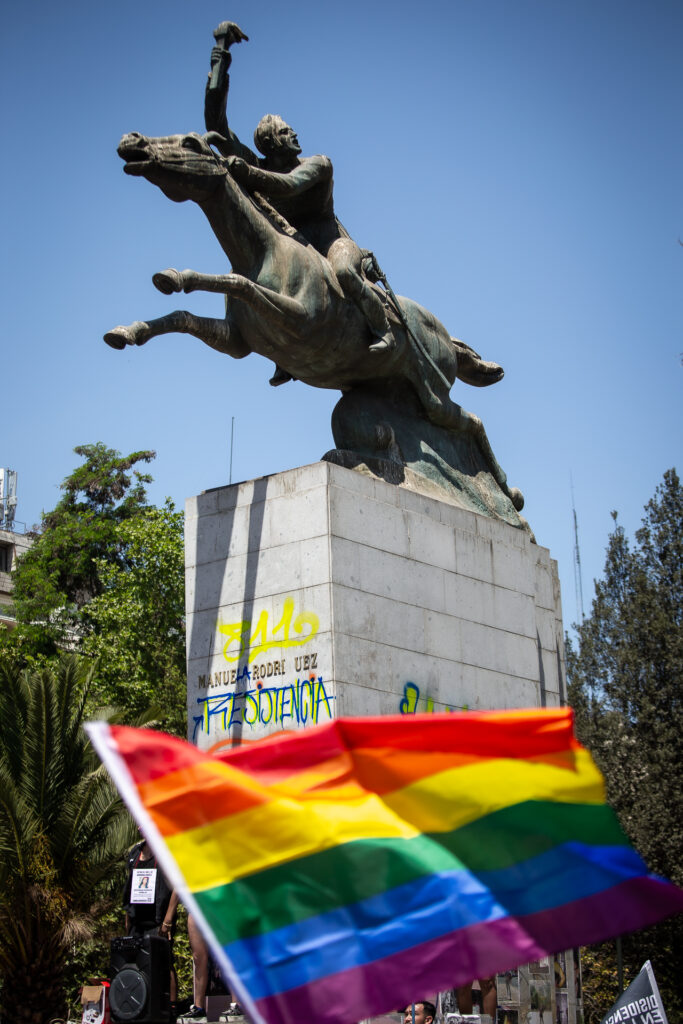
Chile took to the streets after nearly two years of mobility restrictions due to the pandemic. At the 21st Pride March, held this Saturday, November 13th, the most frequently repeated slogans were social and legal equality, an end to violence, parental rights for same-sex parent families, legal abortion, and a comprehensive trans law guaranteeing employment and healthcare for this community.
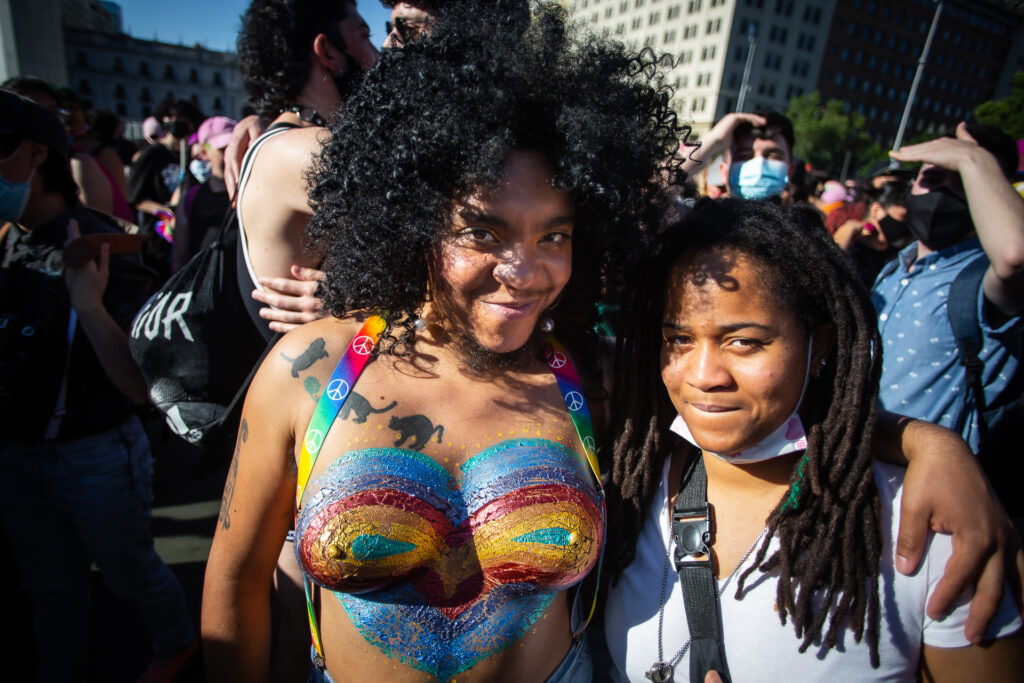
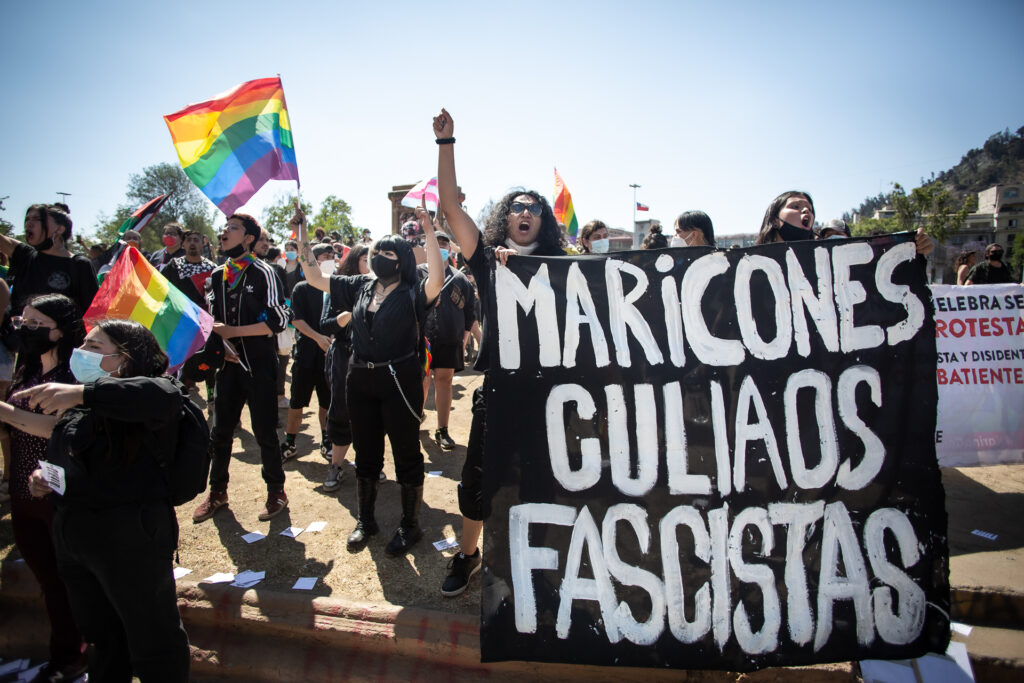
The protesters gathered in Plaza Italia, renamed Plaza Dignidad since the social uprising of October 2019. They marched along the capital's main avenue with banners, multicolored flags, and music, in a Chile undergoing profound changes, discussing the foundations for writing a new Constitution, and just days away from electing a new President and new representatives to Parliament.
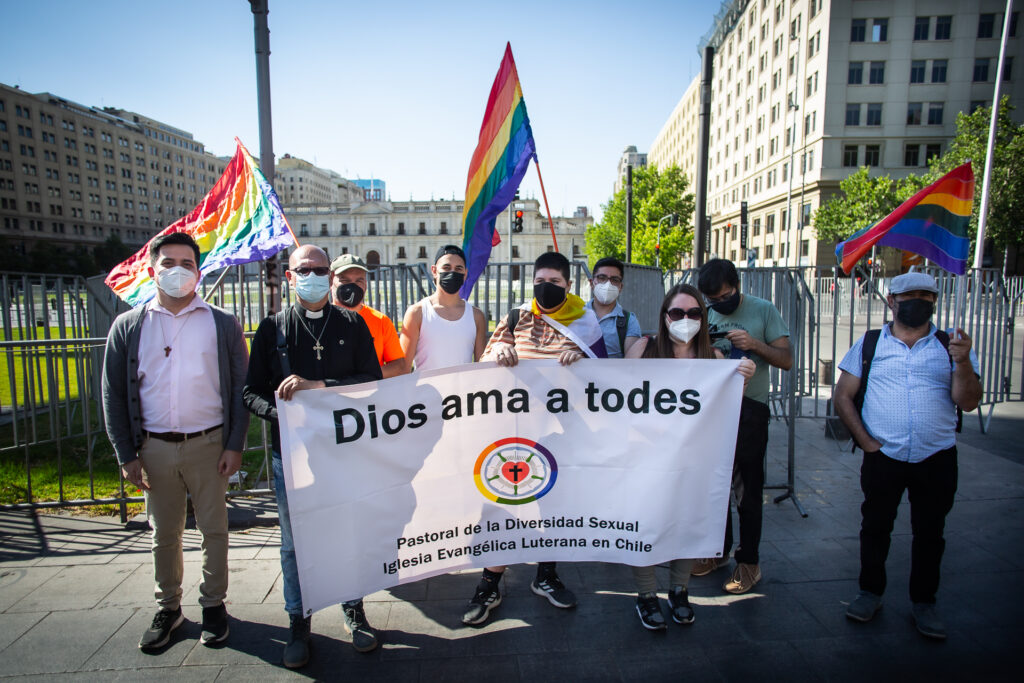
The event is historically organized by the Movement for Homosexual Integration and Liberation (Movilh). For five hours, thousands of people marched through the streets of Santiago, including columns of LGBTQ+ migrants, sex workers, diverse families, religious organizations that support LGBTQ+ rights, representatives of the Indigenous community, and political authorities such as the president of the Constitutional Convention, Elisa Loncón.
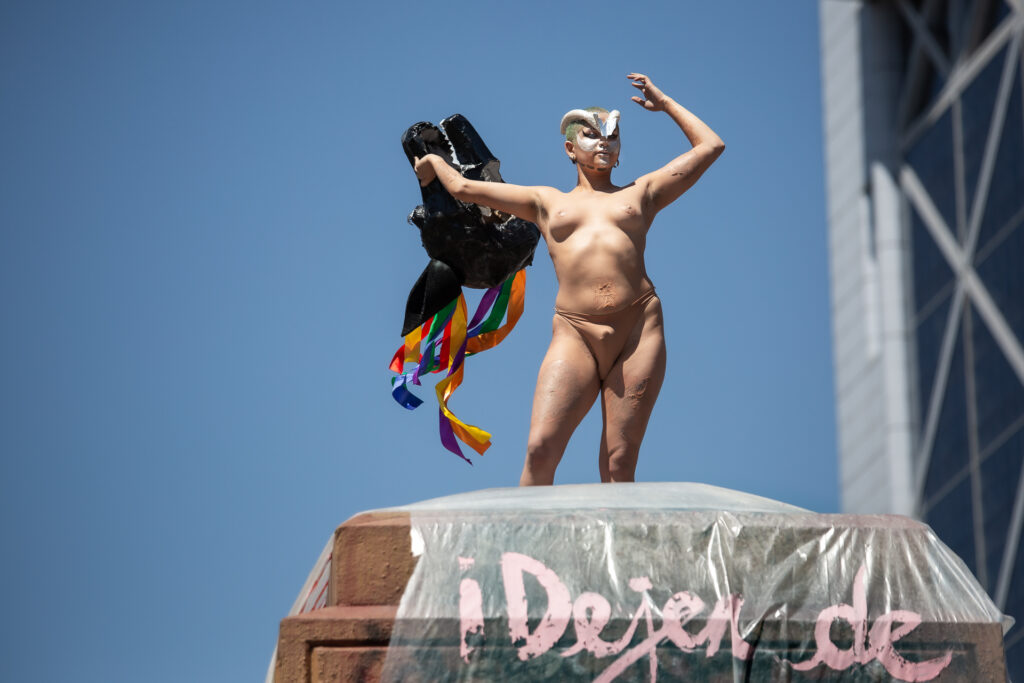
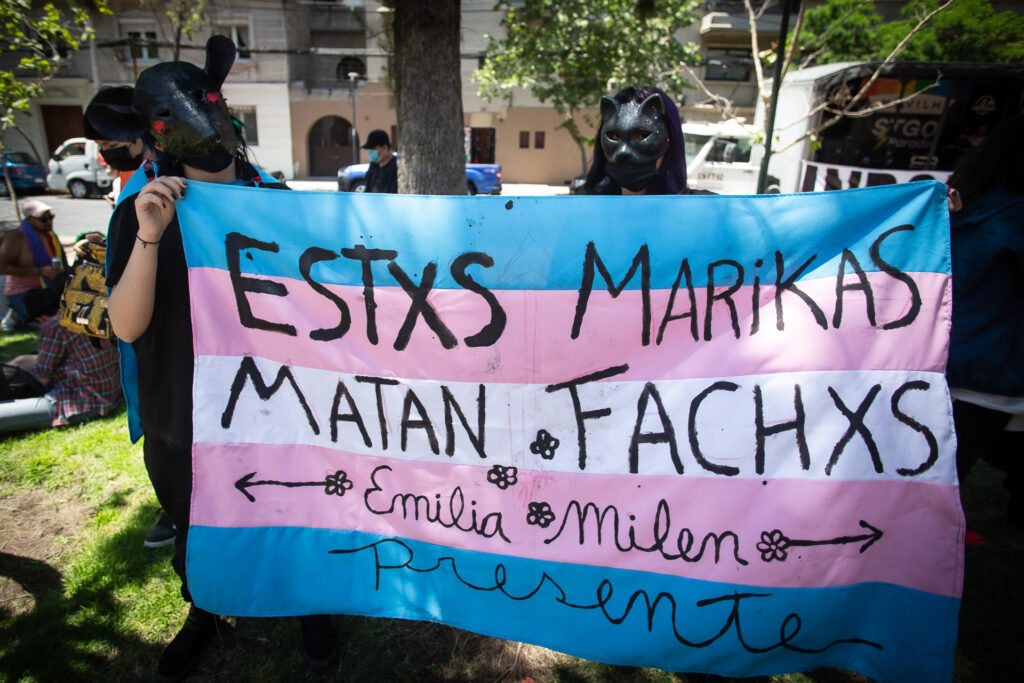
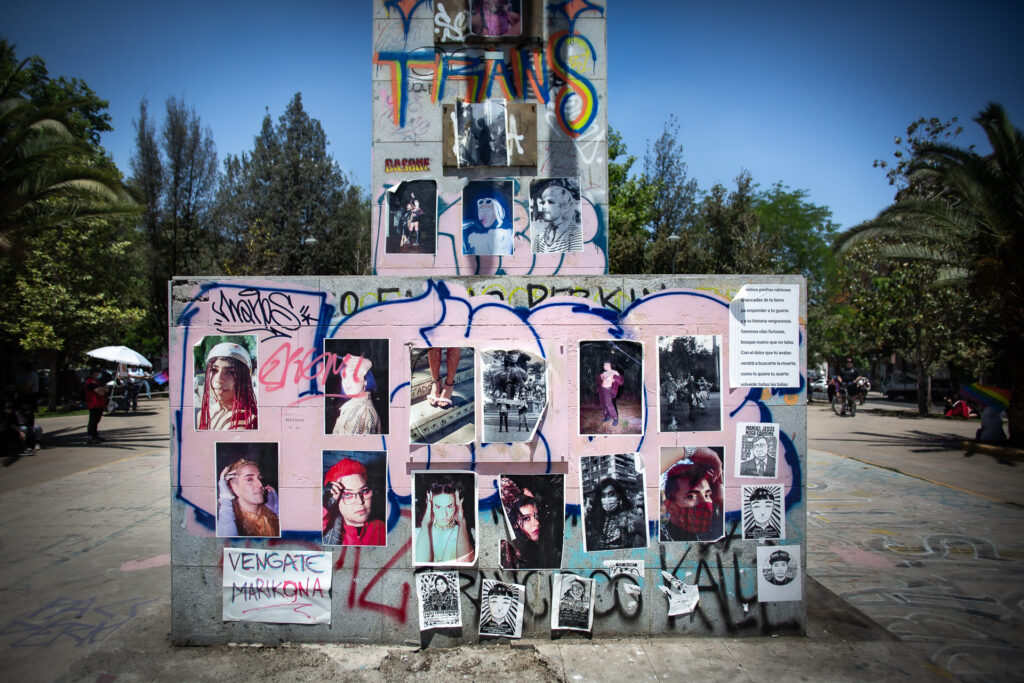
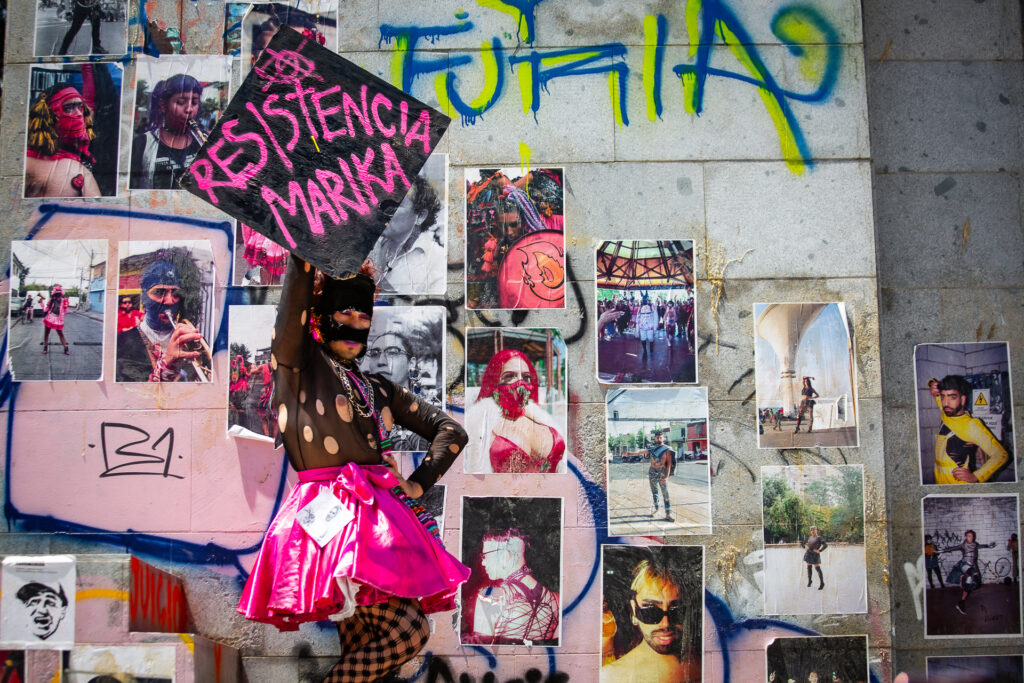
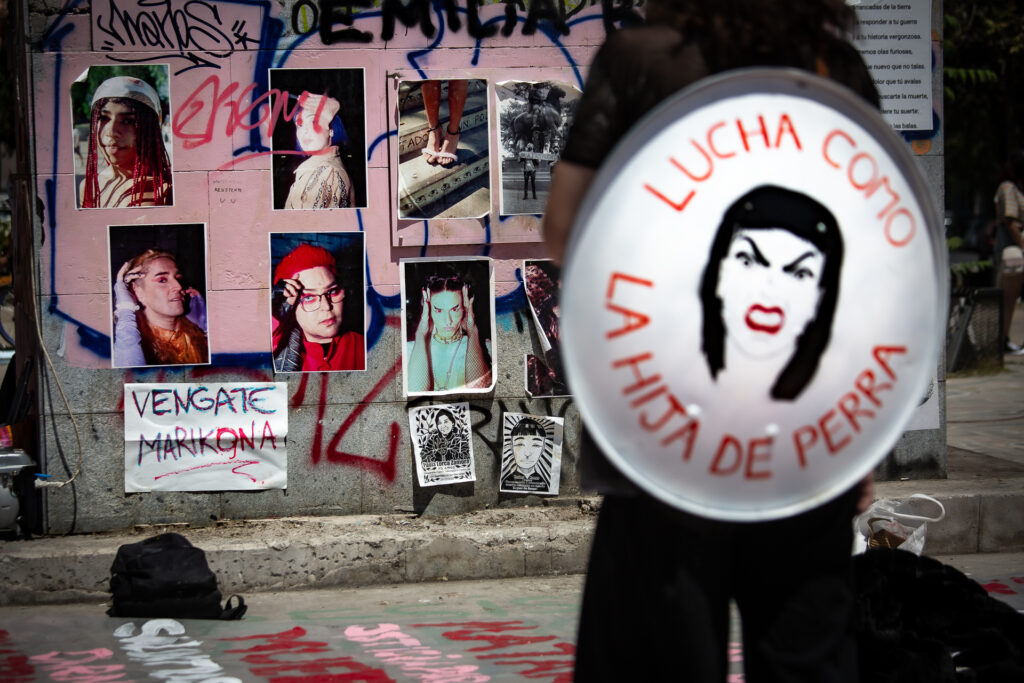
Several dissident LGBTQ+ activism blocs were also formed, such as the Counter-Hegemonic Bloc and the Marika Resistance, which do not identify with Movilh and seek to reclaim the meaning of the march towards one where the protest is more visible than the celebrations.
We are present
We are committed to journalism that delves into the territories and conducts thorough investigations, combined with new technologies and narrative formats. We want the protagonists, their stories, and their struggles to be present.
SUPPORT US

FOLLOW US
Related notes
We are present
This and other stories are not usually on the media agenda. Together we can bring them to light.