

Five hate crimes in 10 days in Peru: Justice fails to investigate and activism demands action
In all cases, the homicides show the same characteristics of cruelty and hatred towards the victims.


Share

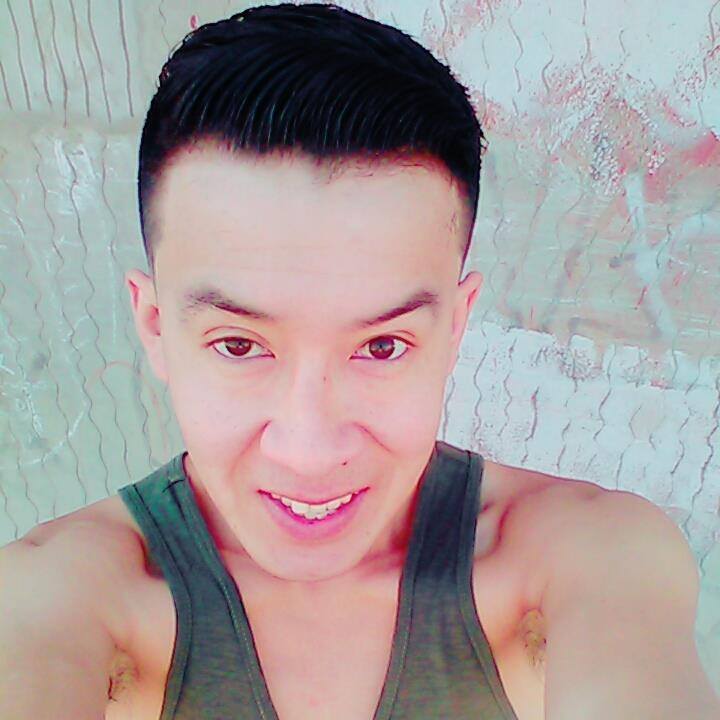
On Sunday, November 7, José Antonio Quintana Pacheco (30), a young communicator and TikToker, was murdered in his rented apartment in the Lince district of Lima. In an adjoining room, police found the body of Luis Alberto Coronado (32), also murdered by strangulation and cuts. Despite the brutality of the crimes—the victims were bound and undressed—police say the motive for the murders was robbery.

“Based on the position and the injured anatomical region, everything indicates that it was the same person who participated in both cases. Given the type and circumstances of the instrument used on both bodies, one line of inquiry suggests a crime against property, or other motives that will be determined once those involved in this heinous act are apprehended,” the Head of Homicides at the DIRINCRI of the National Police, Colonel Víctor Revoredo, told the press.
After more than three hours of procedures in the collection of the bodies, Quintana Pacheco's relatives did not want to give statements to the press.
“We are awaiting the expert results, the forensic examinations, and to be able to determine in a technical and scientific way all the theories of the case that we have up to this moment,” the PNP Colonel told Presentes.
Activism mourns a historic militant
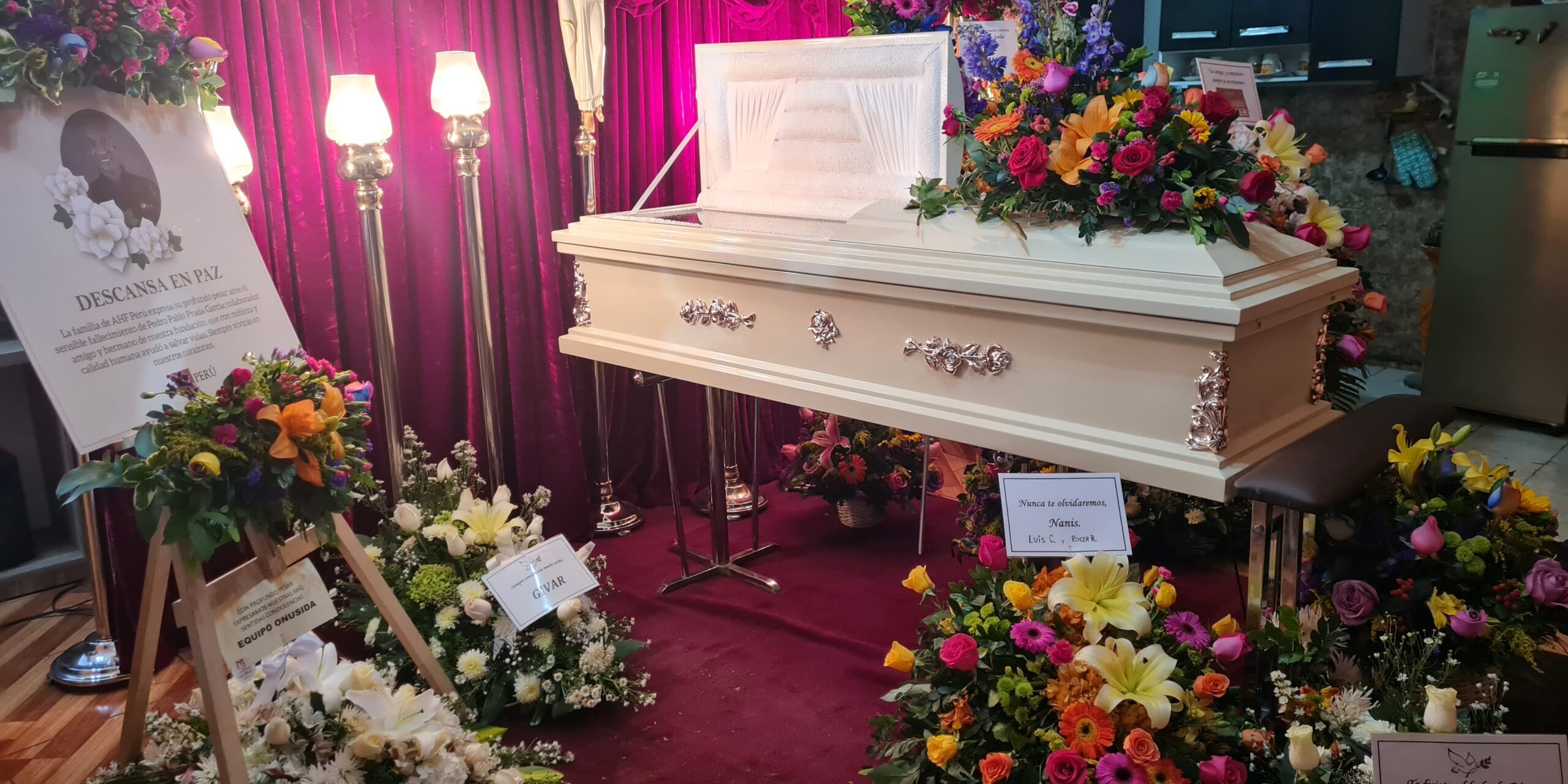
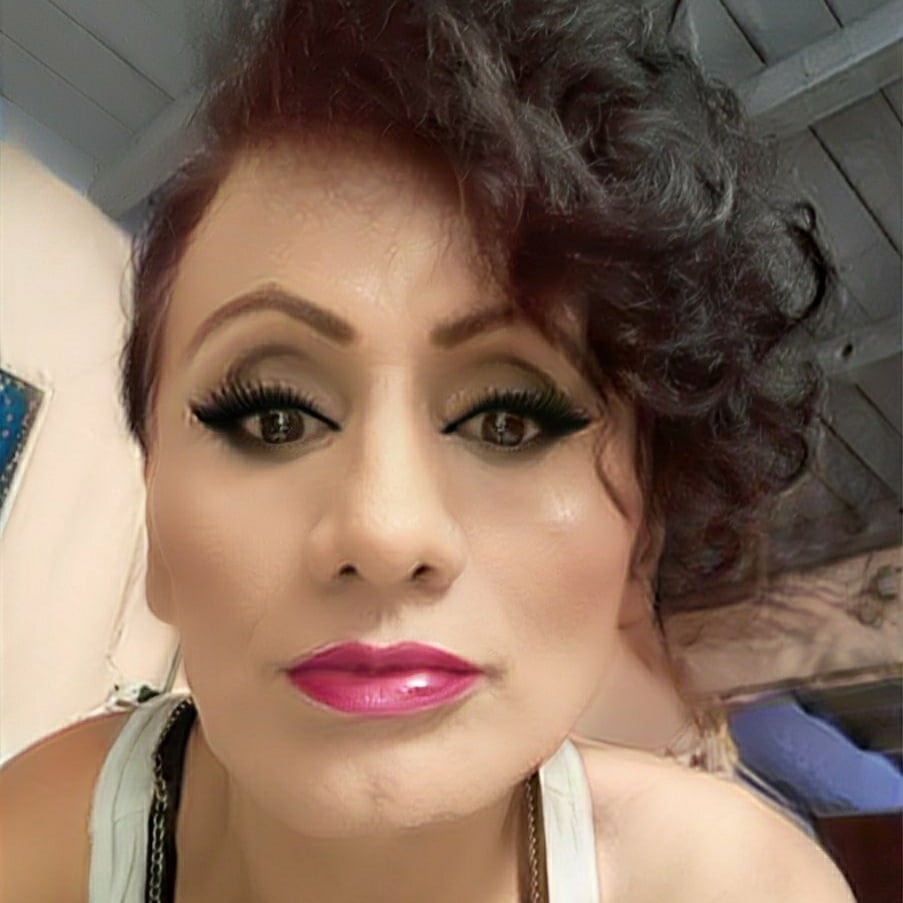
A week earlier, the Peruvian LGBTIQ activist community mourned a great loss. Pedro Pablo Prada García (68), a defender of the rights of people living with HIV in Peru, was murdered along with his friend Huapaya Morales, a 52-year-old trans woman. Both were found strangled and showing signs of torture.
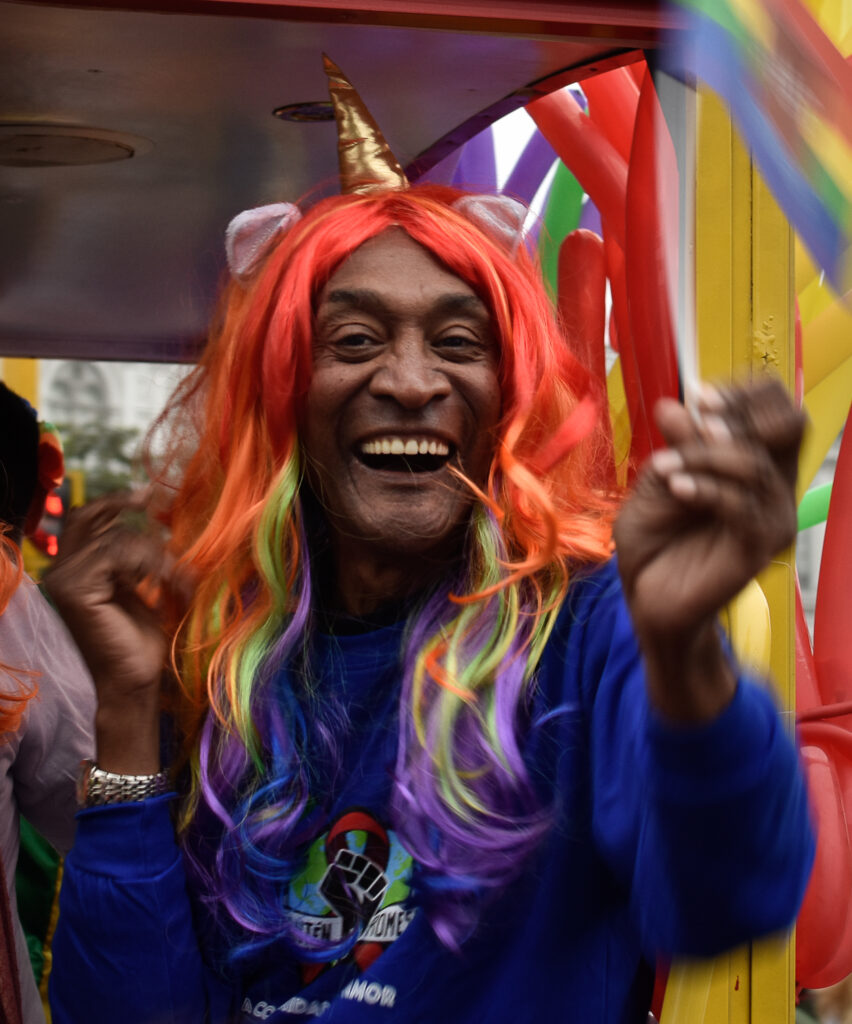
Following the arrival of the HIV pandemic in Peru, Pedro Pablo Prada became a leading advocate for universal access to antiretroviral treatment. In 2000, he filed a lawsuit against the Peruvian government demanding a legal framework to regulate the supply of medication for everyone, without discrimination.
According to information gathered by the authorities, on October 31, Pedro Pablo and his friend had celebrated the Day of the Creole Song, a popular Peruvian holiday, along with two men.
“We have a video showing one of the boys, and we’ve given it to the police. The police even told us that four days ago, in a nearby hotel, these two men murdered another person in the same way, so we gave them details about their relationship so they can conduct a thorough investigation. We told them that one of them claimed to be Pedro Pablo’s partner,” a relative of the prominent activist told Presentes.
The next day, when Pedro Pablo didn't answer his phone, his family entered his home and found a heartbreaking scene. On the first floor lay the body of Huapaya Morales, and on the second floor they found the bound remains of Prada García, according to statements given to the Prosecutor's Office by his family.
“The truth is, we were shocked because they were peaceful people, very well-liked in the neighborhood, they didn't bother anyone. They both did work helping Venezuelan migrants, and look what they did to them. It makes me so angry, so helpless,” Francisca Vara Gutiérrez, a friend and neighbor of the victims, told Presentes.
The investigation is currently being handled by the Office of the Fourth Temporary Provincial Criminal Prosecutor of La Victoria, headed by Dr. Ingrid Melody Estrada Joaquín, as Provisional Deputy Provincial Prosecutor of the Lima Judicial District. The Prosecutor's Office declined to answer questions from Presentes.
Rocky Gómez Sangama, young chef and activist
Also on November 1, in the room he rented in Ventanilla (Callao), the decomposing body of Rocky Gómez Sangama (34), a young chef known to gay activists from Iquitos, his hometown, was found beaten and bound.
According to security camera footage, Rocky entered the premises with a man at 2:00 p.m. on October 28. Three hours later, the same man was seen leaving alone, carrying a backpack and two bags, and wearing the victim's clothes.
“We had been trying to call for days, but he didn’t answer. Someone close to the family called and someone answered saying not to call him, they had a Venezuelan accent, ‘don’t call him,’ that person said,” one of Rocky’s friends told local media.

The case fell to the First Provincial Corporate Criminal Prosecutor's Office of Ventanilla under the responsibility of the deputy provincial prosecutor, Regina Céspedes Lucero.
Meanwhile, the victim's mother is asking for help to transport her son's body to Iquitos, a city located in the Amazon region of Peru.
The media
Despite the characteristics of both crimes, the media and the authorities only consider robbery as the main motive for the murders.
It is worth noting that Peru is one of the countries in the region with the least legal progress for LGBTI people. Peruvian law does not recognize hate crimes, nor does it acknowledge the gender identity of transgender people, and it does not allow same-sex marriage.
“It would be very helpful if Peru had a legal framework for these crimes, because things need to be called by their name. But while the term 'hate crimes' has been used a lot, I think 'bias crime' is the most appropriate term to refer to these cases because they are linked to deeply ingrained prejudices and stigmas about the LGBT population,” Alexandra Hernández, president of the organization Más Igualdad Perú, told Presentes.
“Currently, organizations and activists are the ones keeping track of cases because the State doesn't, but if there were a legal framework of this kind, it would obviously require us to have an official count. On the other hand, understanding that it's a special framework for discussing LGBTI people would help us recognize, for example, the identity of trans people who have been murdered because at the moment they are counted as if they were cisgender, and this is completely wrong,” Hernández added.
We are present
We are committed to journalism that delves into the territories and conducts thorough investigations, combined with new technologies and narrative formats. We want the protagonists, their stories, and their struggles to be present.
SUPPORT US

FOLLOW US
Related notes


We are present
This and other stories are not usually on the media agenda. Together we can bring them to light.