

Dylan Duarte, the trans doctor from Honduras who fights for the rights of his community
The Honduran doctor began his transition in 2019 and has since suffered violence of all kinds: today he fights for his community from the health field.


Share

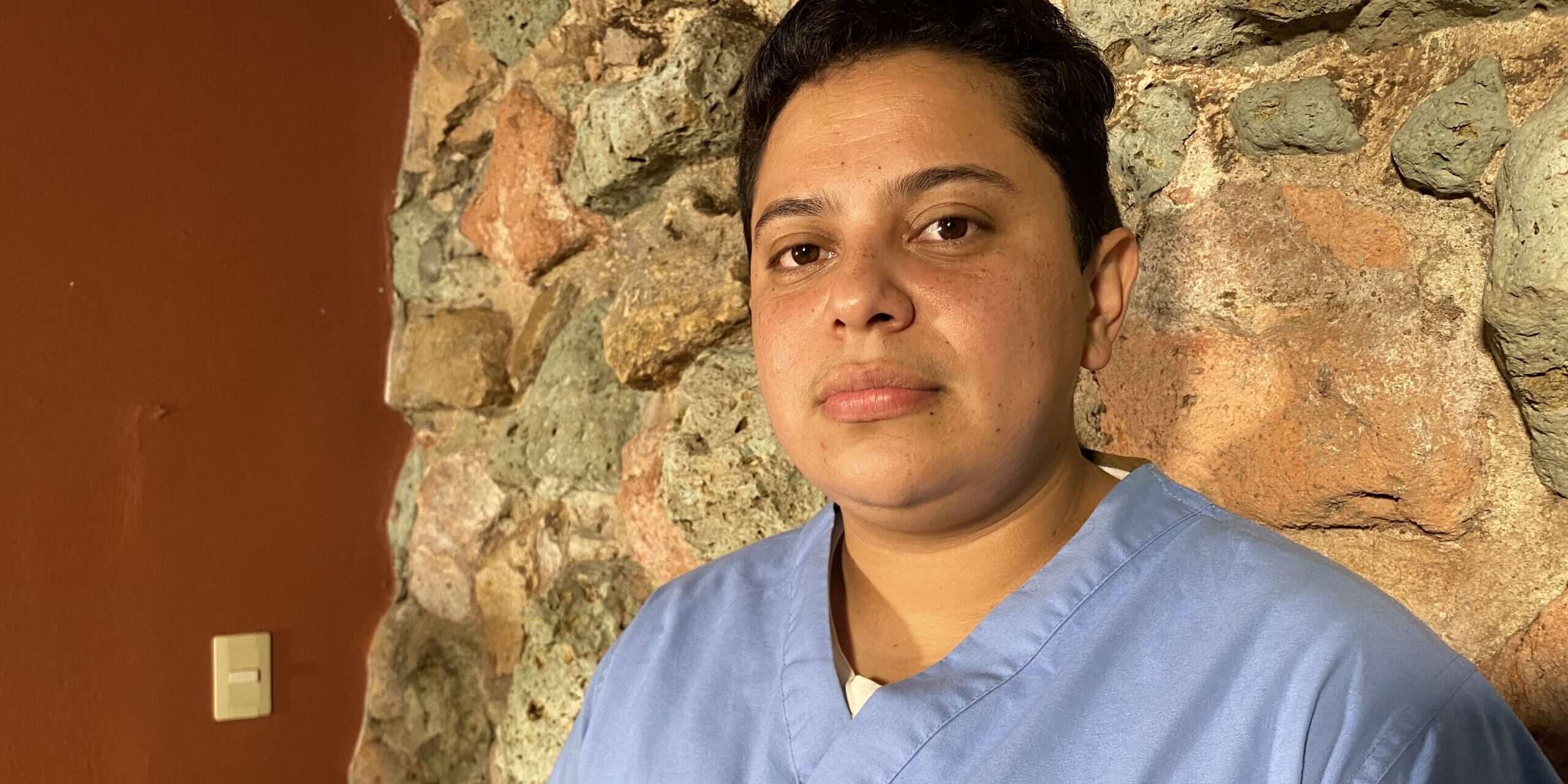
Dressed in a blue suit, 30-year-old Dylan Duarte, with his measured speech, is a model of serenity. Behind that tranquility is a person who decided to show the world who he truly was in January 2019 and transition to a trans man amidst discrimination. He is also a warm human being with firm convictions, who has had to confront the patriarchal Honduran society for most of his life.
“It was a gradual, somewhat complicated process,” Dylan tells Presentes about the process that led him to affirm his masculinity. “It took me fifteen years to decide to accept who I really am.”
Along the way, like many LGBTQ+ people, he faced gradual violence. First, cruel taunts, then a lack of opportunities, and finally, physical brutality that left him scarred. “There were verbal, psychological, and sexual assaults that caused injuries,” Dylan says.
A stony path
Before accepting his gender identity and expression, Dylan traveled a difficult path that began the day he discovered he liked women in his native Siguatepeque, in the department of Comayagua, in central Honduras.
“I was taught that the norm was a girl and a boy, and that homosexuality is a sin,” he says. Dylan isn't the only one who has suffered from stigma and discrimination in Honduras. Recently, more than 10 social organizations denounced religious groups for using LGBTQ+ people as objects of ridicule in disinformation campaigns in the current context of the Honduran elections to be held on November 28, 2021.
To avoid problems, Dylan preferred to tell her friends she had a boyfriend. But her sister already knew: “She noticed it in my personality, in my expressions. It was a shock to my mom.”
Liberation came to Dylan in the form of a trip abroad. He studied medicine on a scholarship in Cuba, where he learned a lot: “We all have the right to express how we feel, and I met trans community organizations,” he says.
Dylan became a doctor, even though he comes from a family of artists. In love with drawing, he initially wanted to be an architect. But when his mother's cardiologist helped her cheat death, Dylan changed his mind. "I want to be a doctor," he thought. His dream is to be a cardiologist, pulmonologist, or pediatrician. "I love children with all my heart," he says.
Encouraged by the freedom he experienced during his time as a scholarship recipient abroad, Dylan transitioned and began using hormones on May 4, 2019.
Then his world turned upside down again.
Hormones and health problems
“My voice changed,” he says. “I didn’t speak like this before using testosterone.” The hormone caused him health problems, as it does for many trans men and women. Dylan and many trans people like him not only face health difficulties, but also a healthcare system that denies them the care and medications they need for their transition. In Honduras, trans people do not have the right to a legal gender change or equal access to employment, healthcare, education, and civil rights.
“I have sought my right to a transition within global protocols, access to an endocrinologist, psychologist, and treatment in the country. But they always deny us, telling us it's not right. They say it's a sin and mix religion with health.”
Due to health issues, Dylan stopped taking testosterone “a couple of months ago.” I’ve been through a lot of external and internal changes. The ones that affect me the most are the internal ones.”
The external changes also brought him problems. Some of his colleagues had difficulty accepting that Dylan was a man. They rejected him. They looked down on him. They treated him like a freak. They used feminine pronouns that hurt him. But the rejection was the least of his worries.
Then the rape occurred.
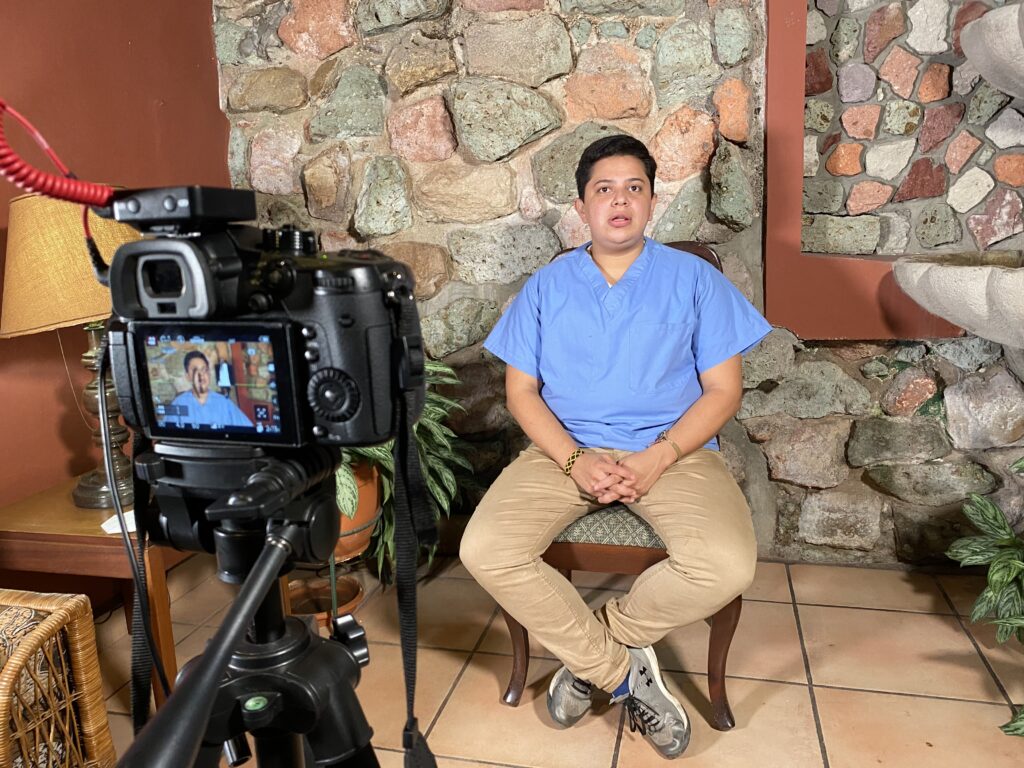
“Nobody listened to me.”
“I was sexually assaulted,” Dylan says. His eyes well up as he recalls what happened to him in 2020, when he reported the attack, but no one took him seriously. “I talked about it, but it wasn’t taken seriously and nothing was done about it.”
The rape was the peak of the violence she suffered when, at the hospital where she worked, they noticed changes in her physical appearance and voice. “I was already at the hospital before I started the hormones.”
Personal conflicts and rejection drive many trans men to make tragic and irreversible decisions. “What affects the trans male community the most is suicide,” says Dylan. “Many, like me, suffer sexual violence and have unwanted pregnancies.”
Carlos Cálix, a Honduran trans activist, points out that a large number of trans people suffer rape, but often suffer in silence because they are rarely heard. “It’s difficult to be yourself in Honduras, but we try every day.” Obrayan Robinson, from Negritudes Trans, adds that trans men in this country suffer a great deal of violence and prejudice. “We also suffer a lot of harassment and even disrespectful treatment of our identity.”
She has hope.
Despite the attacks against her, the work environment has improved. She took a leave of absence from the hospital where she worked, but returned using her current name, Dylan. “My colleagues are starting to call me Dylan and use the pronouns that represent me. Those who didn't agree with who I am became more open and called me Dylan. There were always one or two people who made transphobic comments.”
In cases like Dylan's, society is two-faced. On the one hand, it doesn't accept that Dylan is a man, but on the other, it demanded that he behave "like a man" when he reported the sexual violence committed against him. "When a girl is assaulted, they tell me, 'She's a woman and you're a man. You can handle more, you're stronger, it doesn't affect you, you don't suffer gender violence. You'll be able to deal with all of this.' But they really don't know."
Trans men suffer high rates of violence within their families. Violence is also prevalent in the health and education sectors, according to the IACHR report on violence against LGBTI people in the Americas.
In Latin America there is no official data on the interruption of pregnancy by trans men , and even less on how many people die from unsafe practices under conditions of criminalization.
“I have a very big responsibility.”
Despite the bitter experiences, Dylan hopes that his LGBTIQ+ peers will be able to find a space "where they can talk about whatever they want and have access to health and everything that is rightfully ours, just like the rest of the population."
Dylan feels a deep responsibility for the entire diverse Honduran community. He knows that he and his colleagues have a long road ahead to ensure that the government and society end discrimination and open up the employment, healthcare, and other opportunities that LGBTQ+ people deserve.
“I have a huge responsibility on my shoulders,” she says. “Not only for the trans community, but for the LGBT community.” Her struggle encompasses threats and rejection as she tries to build self-esteem and respect for the country’s sexual diversity.
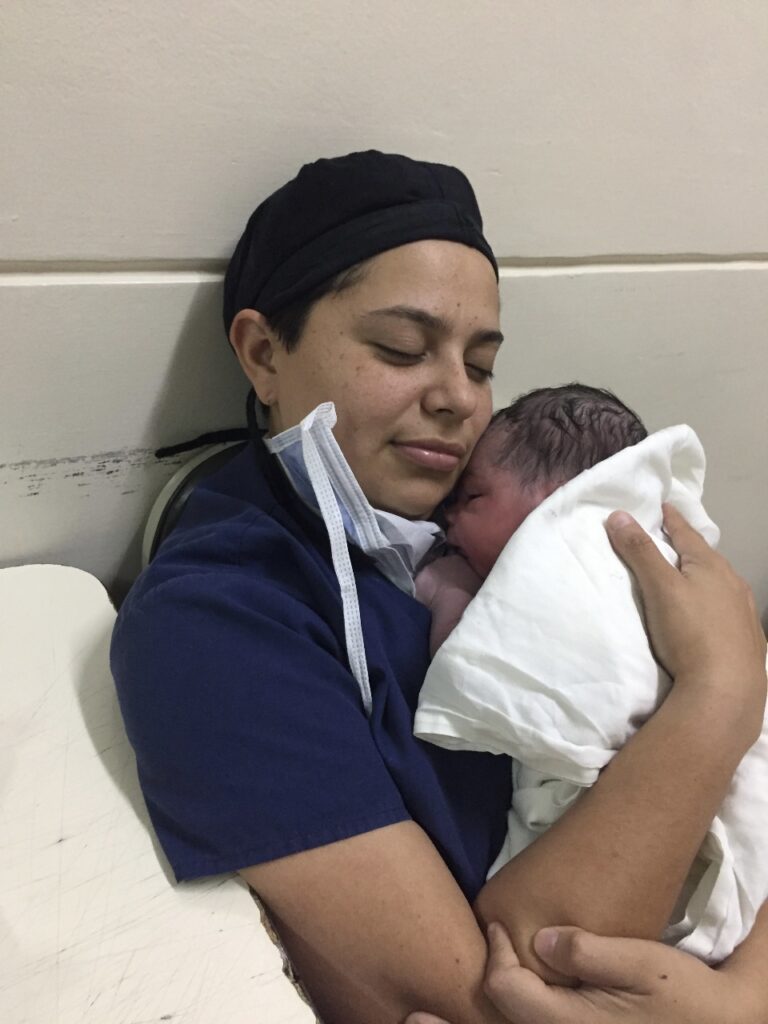
This doctor from Siguatepec dreams of building a comprehensive support system for LGBTQ+ people throughout the country. He is certain that this will counteract the criticism, threats, and news reports of murders and suicides among LGBTQ+ individuals.
One way to begin bringing about change in Honduran society regarding diverse populations is to work from the spaces Dylan knows best. And that is precisely what he is doing in the face of the adversities he encounters daily.
“Despite the fact that medicine is a profession with a large LGBT population, it’s the one that shows the least concern for the community,” he points out. However, he has never stopped talking with his colleagues—gay, lesbian, or bisexual—to help the rest of the community that lacks access to healthcare.
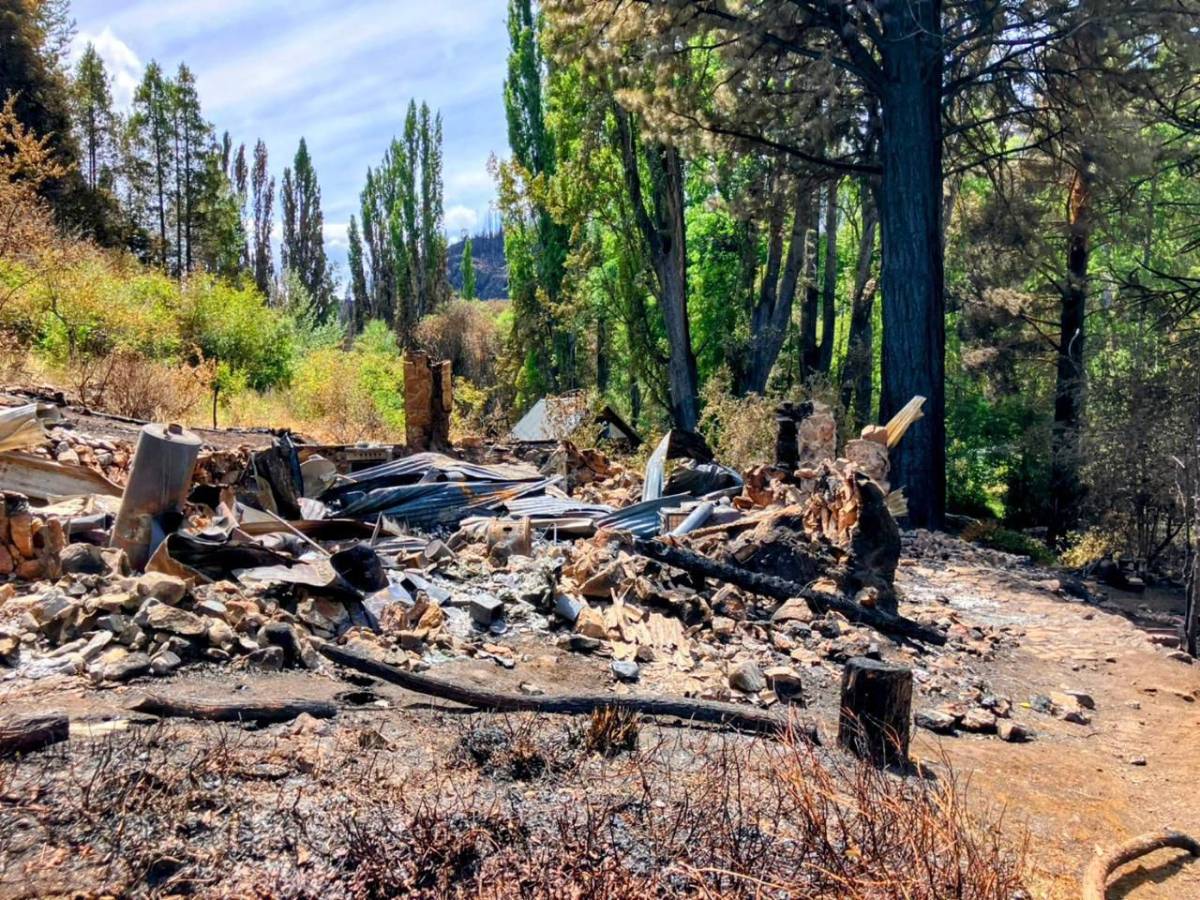
Her work with vulnerable groups is not limited to serving the diverse populations of Honduras. She also works closely with those who have entered the areas of the country devastated by Hurricanes Eta and Iota in November 2020.
Both hurricanes struck Honduras within a span of just 15 days. Dylan traveled to the devastated areas with teams of medical colleagues to provide healthcare to those affected.
“I didn’t think I’d be so shocked when I got to the northern part of the country and saw everything I saw,” she says. She saw places still flooded months after the hurricanes, people sleeping on the side of the road under plastic sheets, waiting for food and medicine.
Dylan worked with his colleagues for several weeks in the devastated region. “With university students and graduates, we formed a grassroots contingency team,” he recounts. “We worked on collecting food donations and received aid from abroad to reach these areas and help them. We want to continue this for as long as we can.”
We are present
We are committed to journalism that delves into the territories and conducts thorough investigations, combined with new technologies and narrative formats. We want the protagonists, their stories, and their struggles to be present.
SUPPORT US

FOLLOW US
Related notes


We are present
This and other stories are not usually on the media agenda. Together we can bring them to light.
1 Comment