

Pride 2021: Three stories and challenges of the transvestite trans job quota
This Pride 2021, Argentina celebrates the inclusion of trans and travesti people in the workforce and demands historical reparations for those over 40. In one year, the number of trans and travesti people with jobs in the national public sector has increased fivefold.


Share

This Pride 2021, Argentina celebrates the inclusion of trans and travesti people in the workforce and demands historical reparations for those over 40. In one year, the number of trans and travesti people with jobs in the national public sector has increased fivefold, according to data from the Secretariat of Public Management and Employment. For the vast majority of them, this is their first formal job after years of working on the streets, odd jobs, and facing exclusion. However, the challenges to implementing the Law for the Promotion of Access to Formal Employment for Transvestite, Transsexual, and Transgender People "Diana Sacayán – Lohana Berkins" (No. 27,636) are numerous. Among them are federalizing the legislation and ensuring compliance with the one percent quota in the country's various jurisdictions and areas of the national public sector.
Luciana Lola Viera, a 30-year-old trans activist with a degree in Social Communication and Public Relations, started working in April in the Digital Strategy and Content area of the National Congress. "When I got the job, it was one of the most beautiful days of my life," Luciana, who is a member of the Mocha Celis Trans and Travesti Popular High School, an activist with the Left Front (FIT), and lives in the City of Buenos Aires, told Presentes.

Before her work in Congress, Luciana faced significant obstacles. Although she was able to work as a teacher and give talks on diversity and inclusion, she had to do so informally. "I would go to interviews, and they loved my profile. But when it came time to make the selection, they didn't choose me because I'm a trans woman. Once, I made it to the end of an interview with a very well-known multinational company, and they told me that they were actually looking for a 'real' woman," she recounted.
For her, this job allowed her to "have some economic stability" and "know that what we fought for for so long is now possible."


To date, 65 national public sector agencies have hired at least one transgender person, although 53 of them do not reach the 1 percent quota established by law. Law 27,636, passed by the National Congress on June 24 of this year, establishes that the national government (its three branches, Public Prosecutor's Offices, decentralized or autonomous agencies, non-state public entities, and state-owned companies and corporations) “must fill positions with transgender, transsexual, and gender-diverse people in no less than one percent of its total staff, under all current regular employment arrangements.” The law is based on Decree 721/2020 of September 2020.
Based on monitoring by the Secretariat of Management and Public Employment of the Chief of Staff of the Nation, 43 transvestite and trans people were counted working in the national public sector in January 2021. Eight months later, in September of this year, that number rose to 235 transvestites and trans.
The largest number of jobs held by transgender and transvestite people are located in the City of Buenos Aires, at 86 percent. "The challenge remains to federalize this policy and ensure that national public sector agencies hire transgender and transvestite people in all jurisdictions of Argentina, as established by law," Maria Pía Ceballos, coordinator of Employment Promotion for Transgender, Transsexual, and Transvestite People at the Ministry of Women, Gender and Diversity, told Presentes.
Of the 24 provinces, 10 have a provincial law establishing a quota for transgender and transvestite employment, approved prior to Law 27,636: Buenos Aires, Chaco, Chubut, Entre Ríos, La Pampa, Misiones, Río Negro, Santa Cruz, Santa Fe, and Tucumán. Of these ten, seven are currently hiring transgender and transvestite individuals (Buenos Aires, Chubut, La Pampa, Misiones, Río Negro, Santa Cruz, and Santa Fe). La Rioja is also hiring members of this community; while Tierra del Fuego and San Juan have submitted bills to adopt the national law, Ceballos reported.
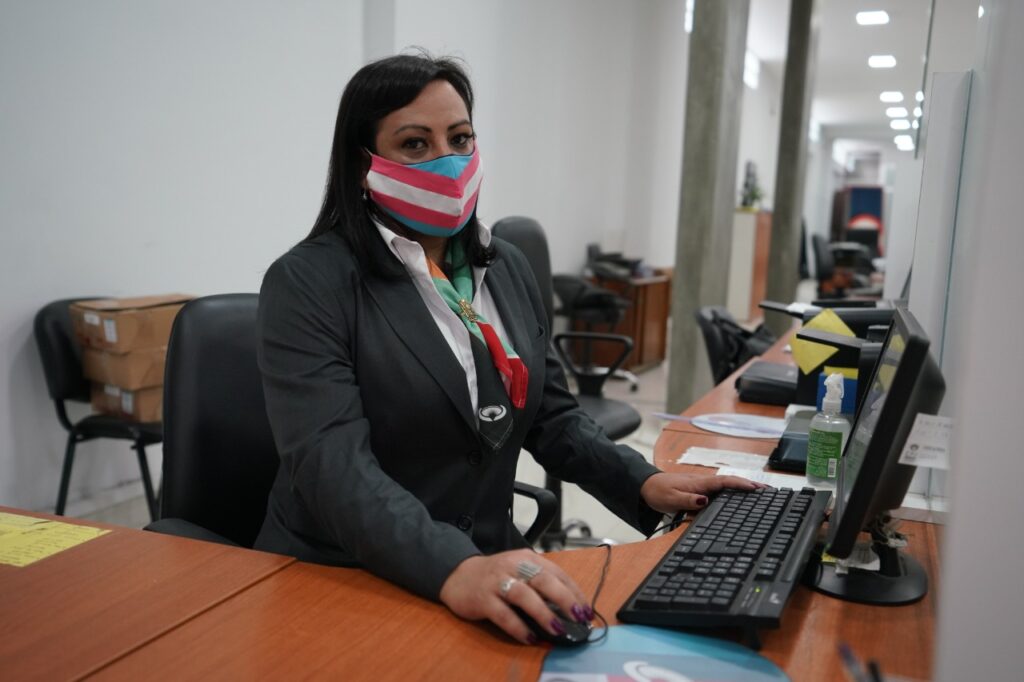
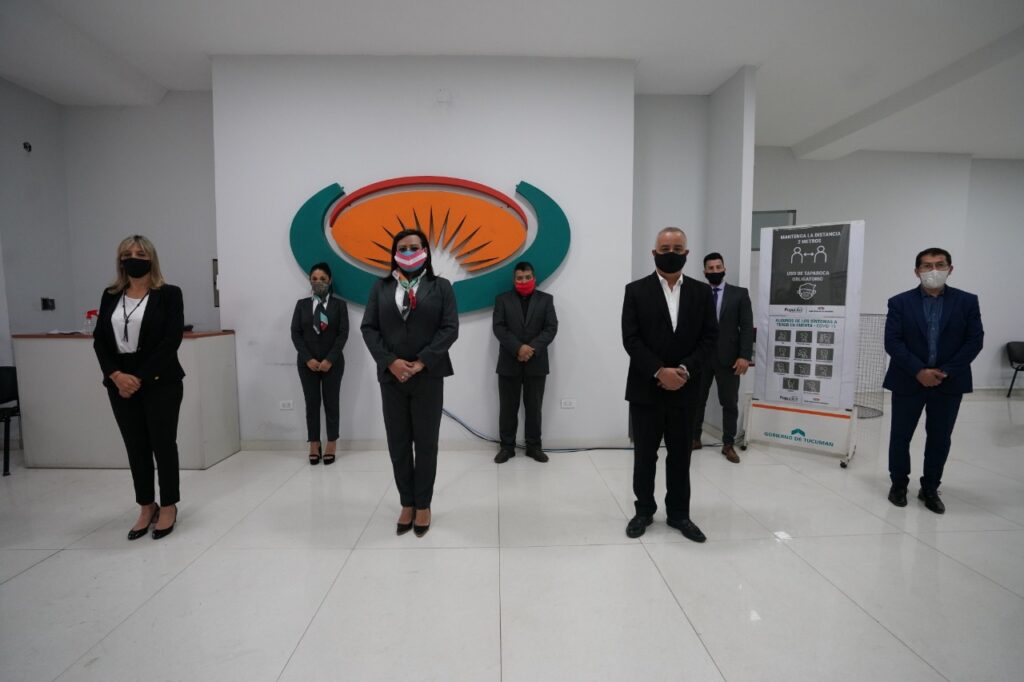
Saira Argañaraz, a rhythm instructor and therapeutic companion, found employment thanks to this law. Saira is from Tafí Viejo (Tucumán) and works as an administrative assistant at the Caja Popular de Ahorros de Tucumán (Tucumán Savings Bank). "Having health insurance and a fixed salary is a huge change in my life. Today I am very grateful to the Tucumán bank workers' union, to Congressman Carlos Cisneros, and to my colleague Cecilia Sánchez Blas for fighting for and fulfilling one of my dreams," she told Presentes. "I want there to be more Sairas in the public sector. I think after so much effort and knocking on doors, it finally happened for me," she said. However, she also believes that "implementation is still lacking, and many more opportunities are needed."
Kalyn Adrián Soria, a 56-year-old trans man and social worker, also obtained his first formal job through the quota system. He lives in Valentín Alsina, Lanús. Together with his wife, Soledad Pilar Gómez, he founded the Estilo Diversa LGBT textile cooperative and is one of the founders of the Network of Intersex, Transgender, and Transsexual People of Argentina (RITTA).

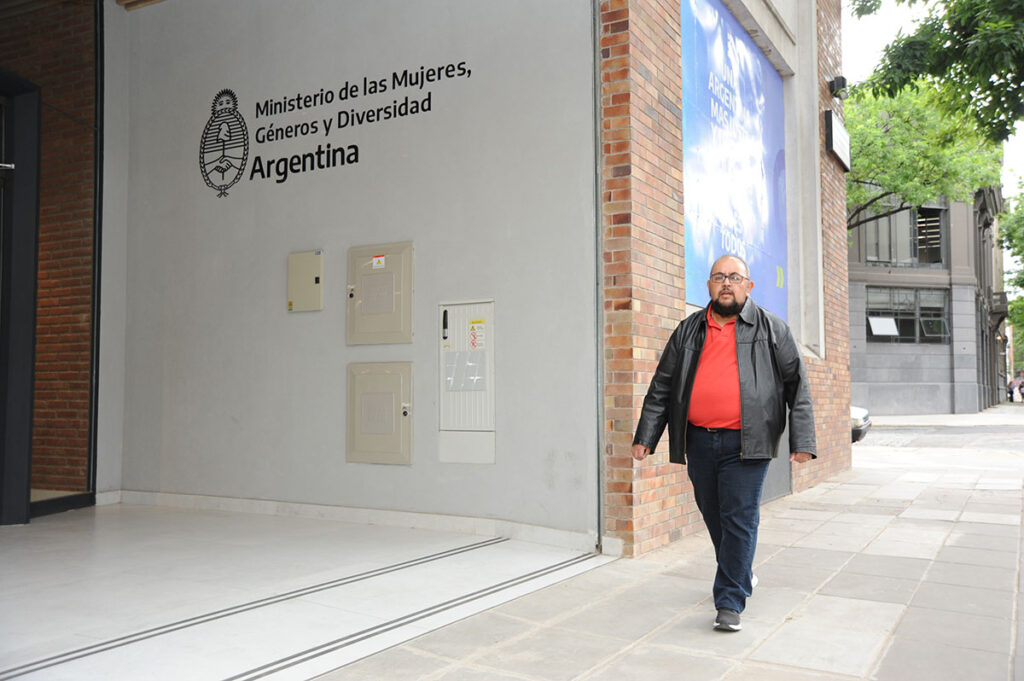
The job came at a particularly difficult time in his life because his wife passed away from Covid-19 on March 5th. "It was a lifeline at that moment." Since July, he has been working on the interdisciplinary team of the Program for Strengthening Access to Rights for Transvestite, Transsexual, and Transgender People, within the Undersecretariat of Diversity Policies of the Ministry of Women, Gender and Diversity.
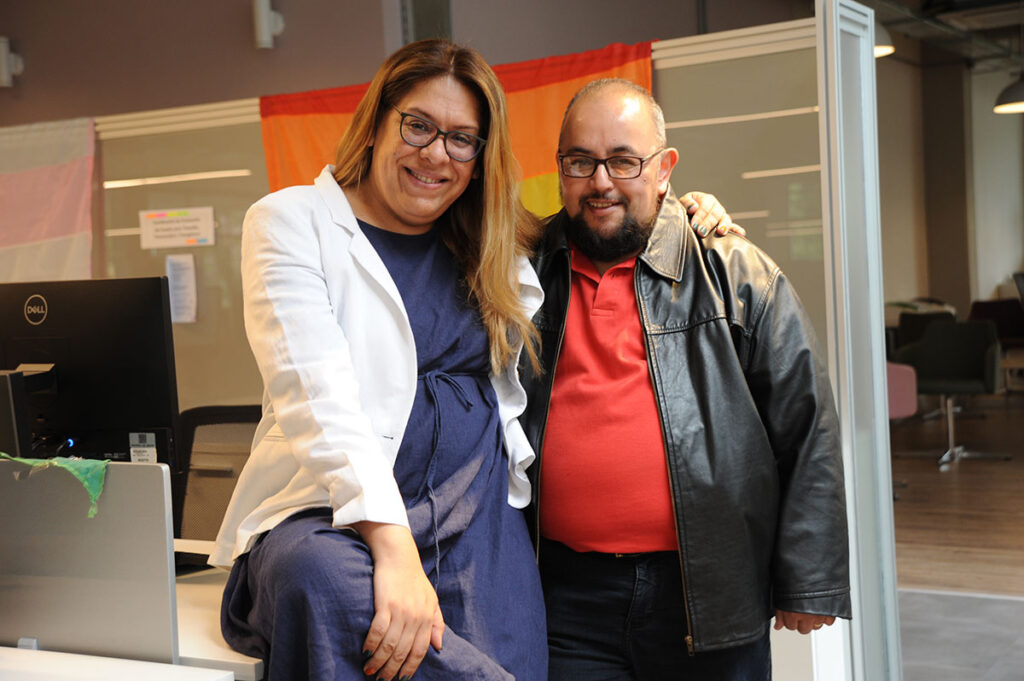
"My job was to give informal classes in math, chemistry, and physics. It was how I survived for years. I had even written my epitaph; it was going to say, 'To all those people I prepared, know this: I never graduated.' I was almost proud of it, but over the years I realized it wasn't pride, it was my inability to be in a university because they weren't going to accept me as I was."
The number of people registered in the Single Registry of Applicants for the Transgender Employment Quota, established at the end of January of this year, is 5,273. In addition, 143 profile requests were received from 43 organizations, and 456 profiles were sent from the registry to the requesting organizations to fill job openings, according to the Ministry of Women, Gender and Diversity.
Beyond the challenges posed by the transvestite and trans labor inclusion law, another urgent demand of the collective is a historical reparation for the transvestite and trans population over 40 years of age .
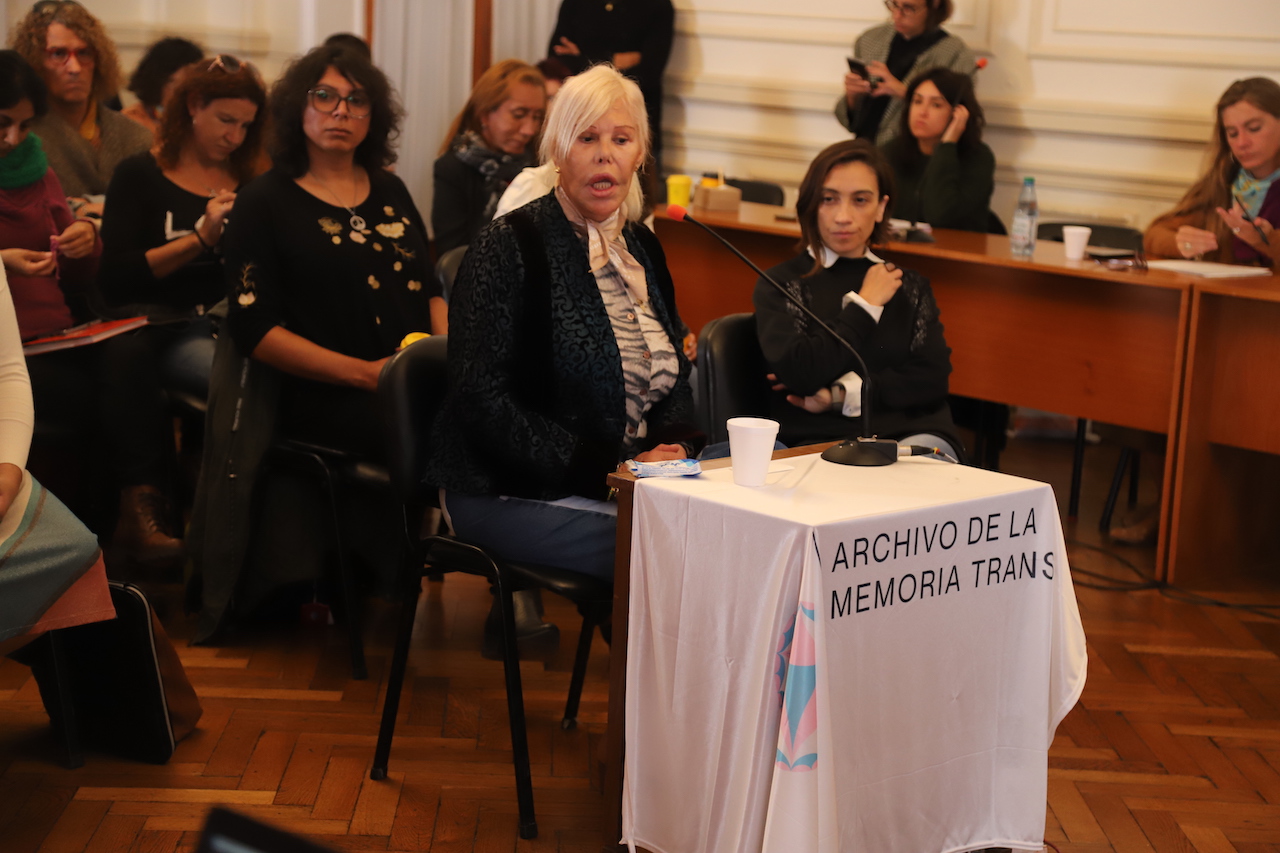
“It is essential to implement a policy that safeguards certain rights during this difficult time, because these individuals have survived structural cycles of violence since the last dictatorship. Even in democracy, many of these practices involving security forces and municipal codes have been perpetrated against the bodies of transvestites and transgender people,” said María Pía Ceballos. Currently, there are two bills before Congress and a request submitted to the Executive Branch.
“It will not be possible to eradicate the structural conditions of exclusion facing our community if inclusion is not conceived from the perspective of transformation in every corner of our country. And it must become the engine of change that increasingly strives for a more just and diverse Argentina. We are here to transform everything,” Ceballos concluded.
We are present
We are committed to journalism that delves into the territories and conducts thorough investigations, combined with new technologies and narrative formats. We want the protagonists, their stories, and their struggles to be present.
SUPPORT US

FOLLOW US
Related notes

We are present
This and other stories are not usually on the media agenda. Together we can bring them to light.