
 Apoyanos
Llevan a juicio a familia mapuche tehuelche: defensoras denuncian causa armada
Denuncian que en Chubut empresarios llevan a juicio a una familia mapuche tehuelche para quedarse con sus tierras. La resistencia detrás de la histórica lucha por la tierra en la Patagonia argentina.
 26 de October de 2021
 Gioia Claro
 Movimiento de Mujeres Indígenas por el Buen Vivir
Compartir
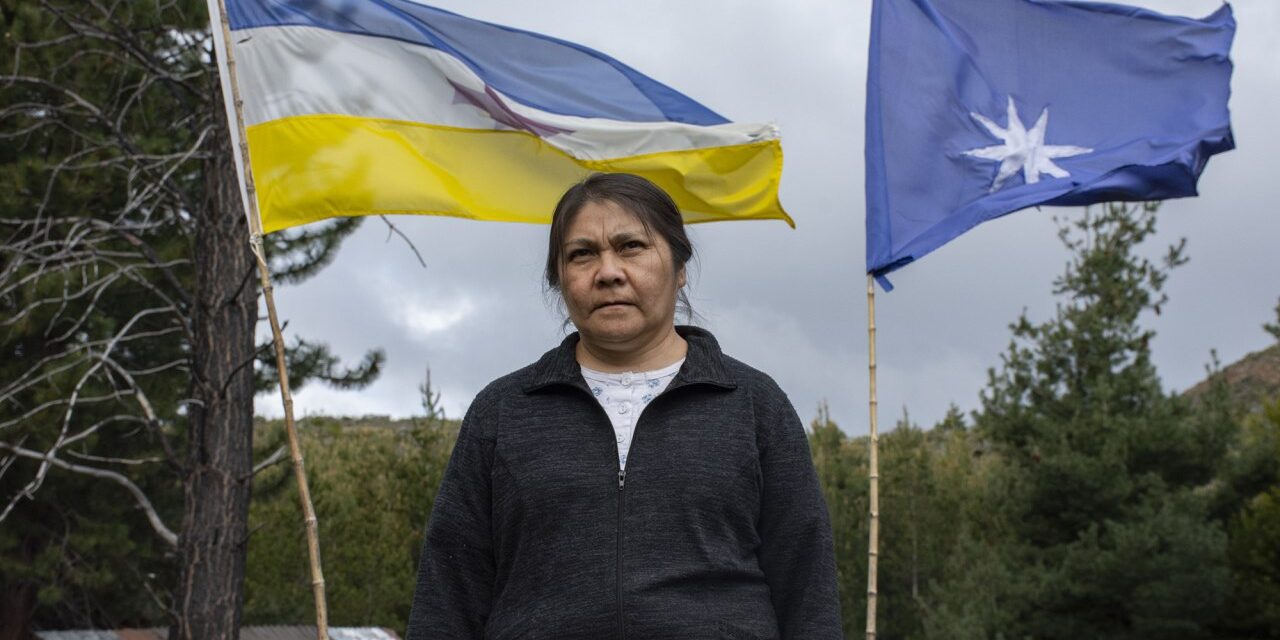
Hace más de veinte años que Isabel Catriman vive con su familia en la zona de Laguna Larga, lindera al Parque Nacional Los Alerces, en la provincia de Chubut, Patagonia Argentina. A sus casi 80 años, empresarios quieren echarla de su casa y llevan adelante la judicialización de su familia. Su hija, Gloria Colihueque y su primo Gregorio Cayulef, enfrentan desde este martes 26 de octubre un juicio penal por supuesta “amenaza agravada por el uso de arma” en lo que su abogada defensora interpreta como una «legítima defensa». Isabel lo sabe. No es fácil, menos aún, si quienes enarbolan la lucha son mujeres indígenas.
A Gloria y a Gregorio, quienes conforman hoy la única familia de Isabel y la ayudan con las tareas del campo, se les acusa de amenazar con un arma de fuego a los empresarios Alejandro Samame y Nahuel Serra, quienes se adjudican la propiedad del territorio en el que habita hace más de dos décadas la comunidad indígena «Lof Catriman Colihueque». Así figura inscripta la familia de Isabel en el registro provincial de comunidades y ante el Instituto Nacional de Asuntos Indígenas (INAI), a partir del relevamiento dispuesto por la Ley 26160 de Emergencia Territorial indígena.
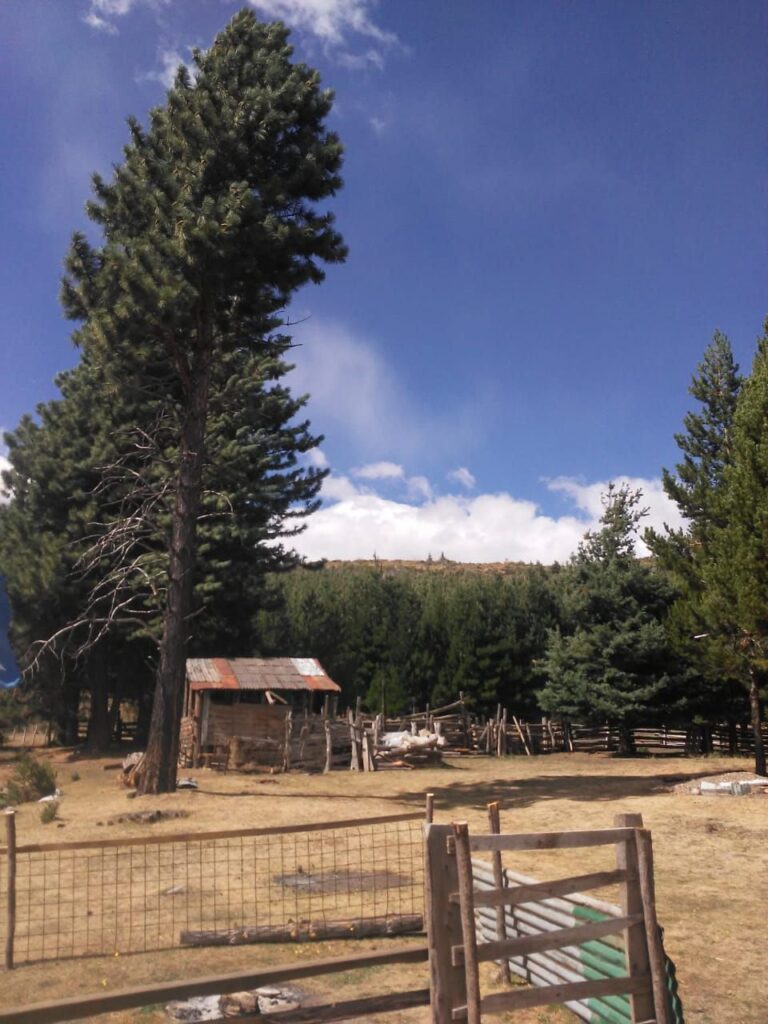
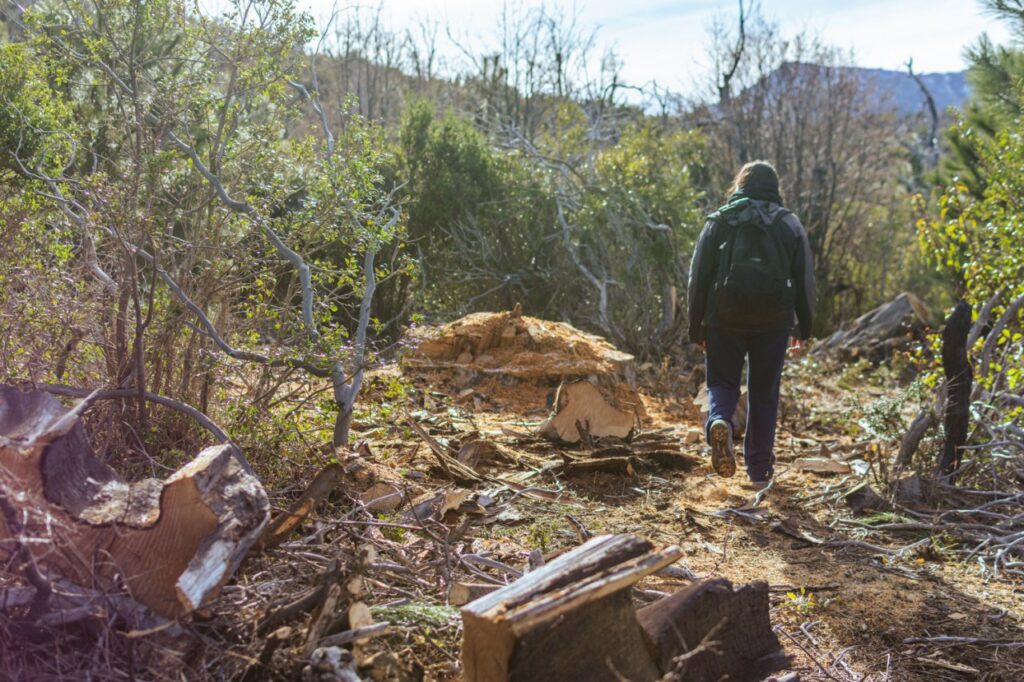
Las tierras en disputa son aproximadamente 844 hectáreas hoy «fiscales” (propiedad del Estado provincial) linderas al Parque Nacional Los Alerces y cercanas a las lagunas Larga y Martillo. En el 2000 Isabel Catriman se asentó en la zona de «El Martillo» junto a su hijo mayor, Hipólito (quien falleció dentro del campo en 2013) y sus animales. Lo hizo a partir de un acuerdo de palabra con Lucio Freeman, quien mantenía un permiso precario de ocupación sobre esas tierras. Según un informe antropológico realizado por el grupo GEMAS (Grupo de Estudios sobre Memorias Alterizadas y Subordinada), y el propio relato de Isabel, Lucio y ella mantenían una gran amistad que duró hasta la muerte de Lucio, en 2016. Habían establecido que ella se quedaría allí a vivir con su hijo, ya que él no tenía intención de vivir en ese lugar.
¿Por qué se consideran «dueños» de esas tierras?
En febrero de 2020, Luciano Freeman, hijo de Lucio Freeman, se presentó con un escribano en la casa de Isabel para informarle que “había posibles compradores del lugar” y que deberían irse. Alejandro Samame y Nahuel Serra son quienes adquieren los derechos de posesión de Luciano Freeman, a través de la resolución N° 03/2020 del Instituto Autárquico de Colonización (IAC).
«El IAC debería haber realizado inspecciones y constatado la presencia de Isabel en el campo. Allí falleció su hijo, y ella continuó ahí, con su primo Gregorio y su hija Gloria, quienes ahora son llevados a juicio», dice a Presentes la abogada defensora de la familia, Sonia Ivanoff , especializada en derecho indígena. «La ley de tierras fiscales en Chubut es bien clara. Previo a cualquier concesión de tierras fiscales donde una de las partes pertenezca por familia o comunidad a un pueblo aborigen, debe pasar por el dictamen de la Comisión de Tierras Indígenas. Pero la comisión no está creada en la provincia de Chubut por la falta de consulta y participación indígena. Por lo que aquí hay una sucesión muy grave de ilegalidades e incumplimientos en relación a sus derechos.»
Qué se debate en el juicio
El 20 de abril de 2020, Samame y Serra entraron al campo en dos camionetas con al menos 6 personas más y “ahí es donde se produce la defensa del territorio» relata Ivanoff. En aquella ocasión, los vehículos en que venían se encontraron enfrentados, en un camino angosto, con una camioneta que hacía un «flete» (traslado) en la que venían Gloria y el conductor. “Allí se produjo una discusión que derivó en denuncias cruzadas” cuenta la abogada defensora. Las denuncias de Gloria, sin embargo, no fueron escuchadas por la justicia. Pero sí las realizadas por los empresarios, quienes rápidamente recibieron el apoyo del sistema judicial para seguir su curso legal que enmarca este juicio.
“Amenaza agravada por el uso de arma de fuego” es la acusación principal. Sin embargo, «nunca se encontró el arma a pesar de que el mismo día se realizó el primer allanamiento. En sus declaraciones ante la justicia, Gloria afirma que nunca tuvo un arma en su poder y Gregorio asegura no haber estado nunca en la escena. A su vez, ninguno de los hombres de Samame y Serra pudieron probar heridas, rasguños u otro tipo de daño”, aclara la Dra Ivanoff.
El juicio contra Gloria y Gregorio se realiza a partir de hoy 26 de octubre y hasta el 2 de noviembre. El tribunal judicial provincial estará representado por la jueza Alicia Fernanda Revori y quien lleva la acusación es la fiscalía Maria Bottini. La fiscalía es conocida en la zona por su participación en diversos conflictos territoriales con un sesgo antimapuche. Años atrás fue denunciada ¡por la defensoría pública en una causa por espionaje ilegal a miembros de las comunidades y militantes del «No a la mina» Esquel.
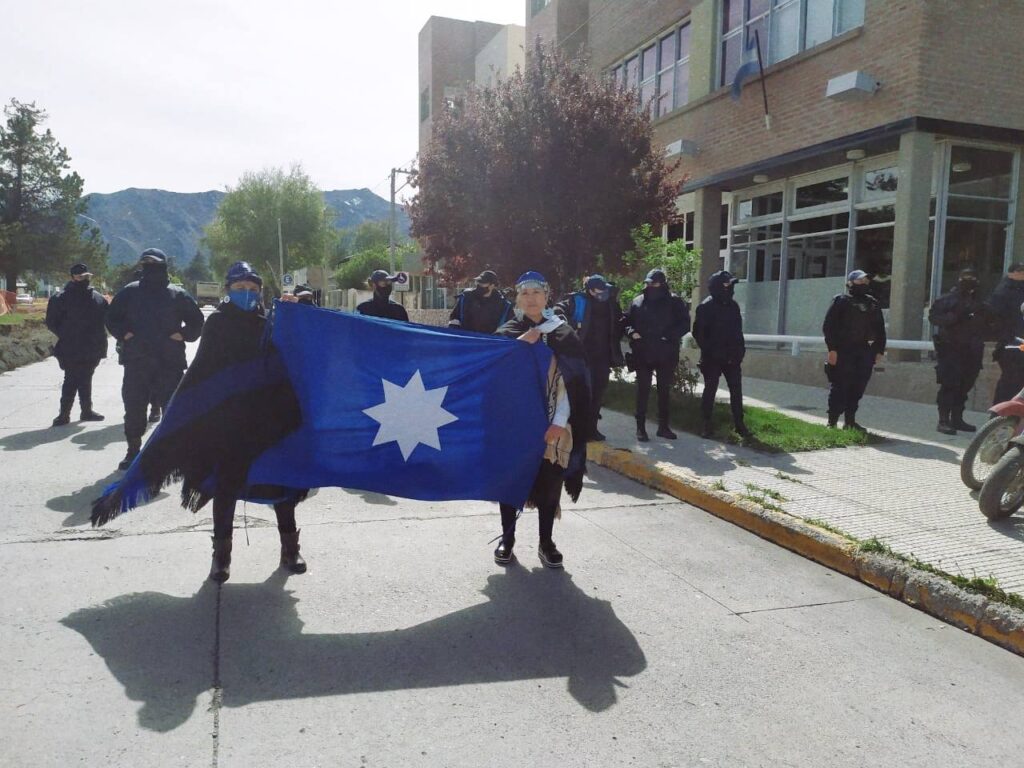
Desde el Movimiento de Mujeres Indígenas por el Buen Vivir, exigen la absolución y plantean que se trata de una causa armada. «Estas dos mujeres (en referencia a Gloria y a su madre) de manera tenaz deciden defender la tierra, resguardando el bosque. Como no han podido desalojarlas, están inventando causas judiciales al llegar al delirio de acusar a Gloria Colihueque Catriman de amenaza agravada por el uso de arma», expresaron a través de un comunicado donde llamaron a acompañar las audiencias en los tribunales de Esquel, tal como hicieron hoy al iniciarse el proceso.
¿Quienes son estos empresarios?
Nahuel Serra es socio principal de una empresa distribuidora y mayorista (SERRA SRL) y Alejandro Samame es miembro directivo (vicepresidente) de la Sociedad Rural de Esquel. Su familia tiene estrechos vínculos con la justicia de Chubut: su padre, Eduardo Samame fue procurador general de la ciudad de Esquel.
Según consta en el Boletín Oficial de la provincia de Chubut del 20 de mayo de 2019, Serra y Samame, conformaron la empresa Los Tercos SRL en abril del 2019 con una habilitación para la explotación agrícola ganadera, forestal y minera en todas sus etapas por un lapso de 99 años.
«Estos hombres que se sienten expuestos y debilitados por la fuerza categórica de estas mujeres mapuche, decididas a defender la vida y el territorio, se sienten amenazados en sus privilegios y en su accionar terricida. No actúan solos, todo el aparato judicial está de su parte, es por ello que tememos que una gran injusticia sea la respuesta del Estado ante tanta valentía y dignidad de nuestras hermanas», expresaron las mujeres de esa organización», dijeron desde el Movimiento de Mujeres Indígenas por el Buen Vivir.
El martes 5 de mayo de 2020, los «nuevos dueños» desembarcaron en la casa de Isabel. Alejandro Samame y Nahuel Serra junto a varios empleados llegaron hasta el territorio donde habita la anciana mapuche Isabel Catriman. «Rompieron el candado de la tranquera, dirigiéndose hacia ella y su grupo familiar, amenazándola con que la matarían y la iban a correr del territorio o iba a terminar muerta. Dejaron allí apostados a cuatro hombres, a veinte metros de la vivienda, aislándola de sus contactos y familiares, quienes la ayudan al traslado al puesto sanitario “Los Alerces” para llevar a cabo los controles diarios de presión arterial, por ser paciente de alto riesgo, padecer hipertensión y una cardiopatía» describía la abogada Sonia Ivanoff en un pedido de medida cautelar presentado ante la justicia provincial a raíz de estos hechos.
Mujer, anciana, pobre y mapuche
Isabel se sienta a hilar la lana de sus ovejas. Sus manos curtidas y laboriosas saben el oficio que le enseñó su madre y su abuela, tanto como que resistir los abusos y despojos es parte de la historia de su familia. De todos los pueblos indígenas preexistentes a este Estado.
A los casi 80 años, Isabel resiste, junto con su familia, la defensa de sus derechos y del territorio. Ser una mujer, anciana, pobre y mapuche, equivale a una posición de desigualdad estructural. Permite al hombre blanco no indigena y con dinero, impunidades y privilegios. Esto ocurre «cada vez que ingresan a su territorio (incluso a su casa) con prepotencia, todas las noches que alumbran su casa con reflectores, cuando largan los perros, al espiar sus movimientos, al intervenir y transformar su territorio, al clausurar los caminos con candados, al mentir cuando hacen las denuncias, al impedir que su hija la visite, entre otras situaciones”, describen en un informe realizado por el Grupo GEMAS. Se trata de un equipo académico interdisciplinario de investigación antropológica y etnográfica. A través de ensayos e informes rescata historias y conflictos de las comunidades indígenas de la Patagonia.
“Lo último que hicieron estos empresarios fue cerrarnos el acceso a la tranquera del vecino lindante por el que podíamos ingresar sin 4 x 4. Vinieron con una máquina y la taparon con tierra. Ahora tienen a dos peones que llevan gente al lugar, se ponen a tomar alcohol y tiran tiros al aire cerca de la casa de mi mamá”, nos cuenta Gloria Colihueque, hija de Isabel. “A pesar de todo lo que estamos pasando mi mamá está bien. Mi tío le hace compañía y también hay lamien (hermanxs) de otras comunidades que se acercan a acompañar”.
Desalojos: la historia sinfín
Isabel recuerda la historia familiar de desalojos y desplazamientos forzados que padecieron las distintas generaciones de su familia y comunidad. Su abuela paterna, por nombrar un caso emblemático, fue una de las tantas víctimas que sufrió el violento “desalojo de Boquete Nahuelpan” en 1937. Ese año, el Estado argentino desconoció por decreto la posesión de la comunidad, reconocida formalmente a principios de 1900 y desalojó violentamente a cientos de personas, familias con sus niñxs y mayores, descendientes del cacique Nahuelpan. Les quemaron sus casas y pertenencias, les soltaron los animales. Cada familia tuvo que salir con lo puesto en búsqueda de un nuevo lugar donde vivir. Este despojo implicó el desplazamiento forzoso de las comunidades hacia distintos parajes cerca y no tan cerca, donde aún hoy se entrecruzan las “historias tristes”.
“Entre esas familias desalojadas en el 37´ estaba la abuela paterna de Isabel, Mercedes Colipan. El desalojo del 37′ de Nahuelpan fue una diáspora familiar. Parte de esta verdad histórica a medias que se cuenta y que se quiere invisibilizar forma parte de esas historias del despoblamiento del territorio y de reservas de indios de fines del siglo XIX principios del siglo XX. En ese recorrido es que Isabel y su hijo Hipólito llegan a la zona de la laguna El Martillo con sus animales», rememora la abogada de la comunidad.
26 de October de 2021
Gioia Claro
Movimiento de Mujeres Indígenas por el Buen Vivir
Compartir
Somos Presentes
Apostamos a un periodismo capaz de adentrarse en los territorios y la investigación exhaustiva, aliado a nuevas tecnologías y formatos narrativos. Queremos que lxs protagonistas, sus historias y sus luchas, estén presentes.
APOYANOS

SEGUINOS
Notas relacionadas


Estamos Presentes
Esta y otras historias no suelen estar en la agenda mediática. Entre todes podemos hacerlas presentes.