

Another hate crime in Veracruz: young chef and social entrepreneur murdered with 20 stab wounds
This is the 18th hate crime perpetrated this year in Veracruz, the most violent state for LGBT* groups in Mexico.


Share

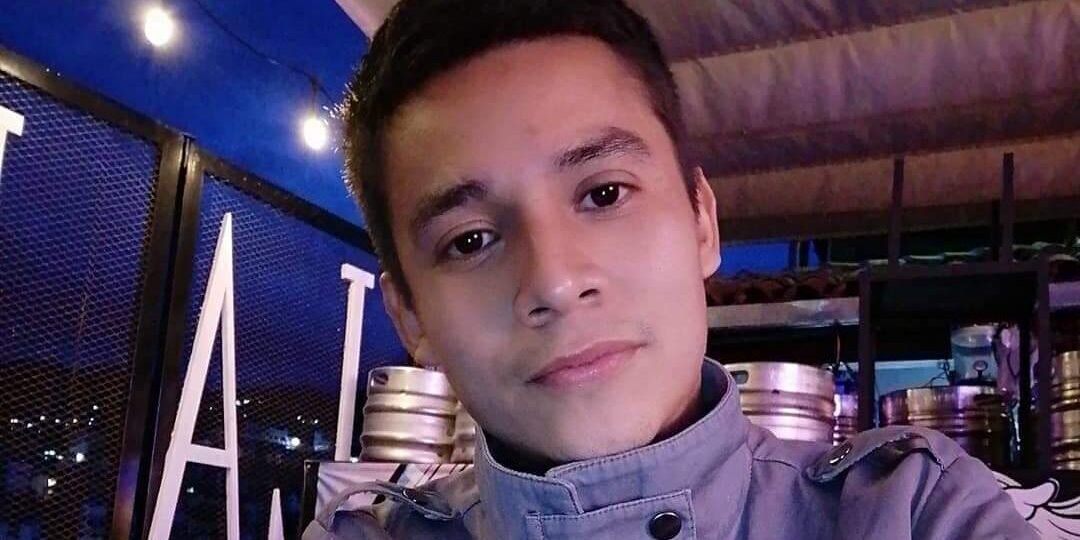
Miguel Ángel Sulvarán Xolo was murdered two days before his birthday. His family decided to say goodbye by forming the number 29 with two balloons: the number he never reached. Miguel Ángel became part of the statistics at 3 a.m. on October 14. This is the 18th hate crime committed this year in Veracruz, the most violent state for LGBT+ people in Mexico.
He was murdered with 20 stab wounds in his own home, with a brutality that leaves his brother speechless. Luis Alejandro was the last family member to see Miguel Ángel Sulvarán Xolo alive. He repeats it over and over, as if it weighs heavily on his soul. “I went to my brother’s house in the late afternoon, around 7. His roommate answered the door, I asked about him, he said he was in his room (…) the two of them (Miguel Ángel and his boyfriend) were on the bed, watching something on the computer. I talked to him for about 10 or 15 minutes, and I told him I was going to come by the next day,” Luis began.
When she left the house, he says, she left him with her boyfriend, the friend he lived with, and his friend's partner. The next time he heard from Miguel Ángel was through numerous calls and messages telling him it was urgent he come to his house. But by then he had already been murdered.
Although many people have asked that the hate crime aggravating circumstance be included in the case file, and Veracruz laws contemplate it, so far the authorities have not done so , according to Luis.
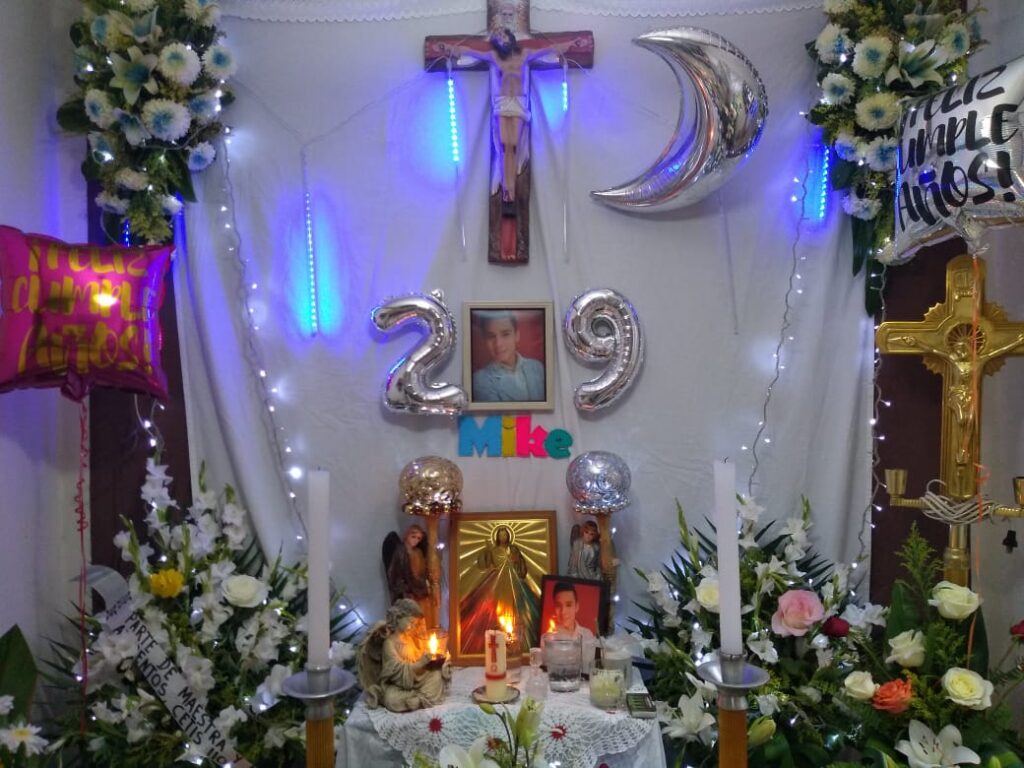
They are asking for it to be investigated as a hate crime.
Benjamín Callejas Hernández, president of the Veracruz LGBTTIQ Coalition, explained that the crime has all the characteristics to be considered a hate crime based on sexual orientation. However, there is a complete lack of attention from the authorities regarding this issue.
In the state of Veracruz, since 2018, Article 144 of the Penal Code indicates as aggravating factors "motives of hatred, derived from the ethnic or national origin, language, race, color, sexual preferences or gender identity of the victim."
Civil associations and the National Commission to Prevent and Eradicate Discrimination (Conapred), a federal public body, publicly requested an investigation into whether stereotypes, prejudices, or unjustified stigmas played a role in the murder and called for adherence to established protocols .
“They shouldn’t be seen as isolated incidents”
However, Callejas Hernández pointed out that something similar frequently occurs in the state, as there isn't even a system for collecting statistics. In other words, the State Attorney General's Office doesn't even know how many hate crimes have been reported. This documentation must be compiled by civil society, which is why they have requested to work in coordination with the Attorney General's Office.
“We’ve had working groups, but they were suspended due to the pandemic. But the call is for working groups to be opened (…) to seek comprehensive support, so that these aren’t seen as isolated incidents,” the activist stated.
Chef and social entrepreneur
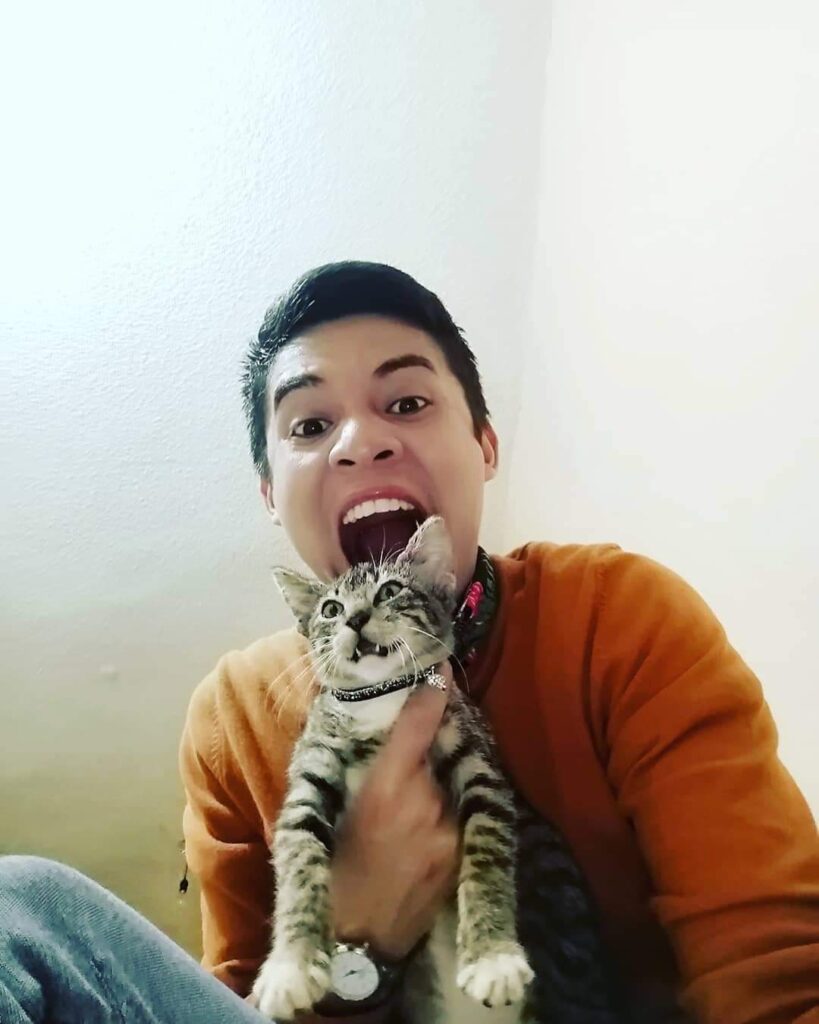
Miguel Ángel moved away from home to study gastronomy in Xalapa, the capital of Veracruz. He moved again to the tourist area of Cancún to practice his profession, but the Covid-19 pandemic left him unemployed and forced him to return to his hometown of San Andrés Tuxtla.
Just a few months later he decided to return to the city where he became a gastronomy professional to start a business.
“He contacted his roommate, they started selling gifts and cash online, and little by little they built up what is now the project, a micro-business called Algarán. My brother dedicated a lot of time, effort, and sleepless nights to this project,” Luis said.
In Algarán, Miguel Ángel and his housemate and partner helped local producers sell their goods in a designated place, so his brother said that he always talked to those who arrived and got involved in the lives of others.
“In his vocabulary, he hated the word death. He always said that life was beautiful and that you had to live it to the fullest, enjoying the small, good and bad moments. He had many projects, among those projects was Algarán,” said Luis.
130 hate crimes with almost no justice
Now his brother is only asking for justice and laments that, more than a week after the hate crime, not all the people who last saw him have given statements. Luis hopes that this could help move the case forward, but the prosecutor's office is slow to act.
"The prosecution is proceeding slowly, giving, I don't know if, time to the people who committed the act to escape," he stated.
Callejas Hernández said that the lack of justice is not unusual. Of the 130 hate crimes committed in the state since 2015, only two have been solved.
That's why Miguel Ángel's brother demanded that impunity not be repeated and that justice be served. “This cannot go unpunished; it can't just be swept under the rug. They have to look at these kinds of cases. Justice shouldn't have to wait until many mothers like mine bury their children before the authorities take action .”
We are present
We are committed to journalism that delves into the territories and conducts thorough investigations, combined with new technologies and narrative formats. We want the protagonists, their stories, and their struggles to be present.
SUPPORT US

FOLLOW US
Related notes

We are present
This and other stories are not usually on the media agenda. Together we can bring them to light.