

Why does the Trans Depathologization Day of Action exist?
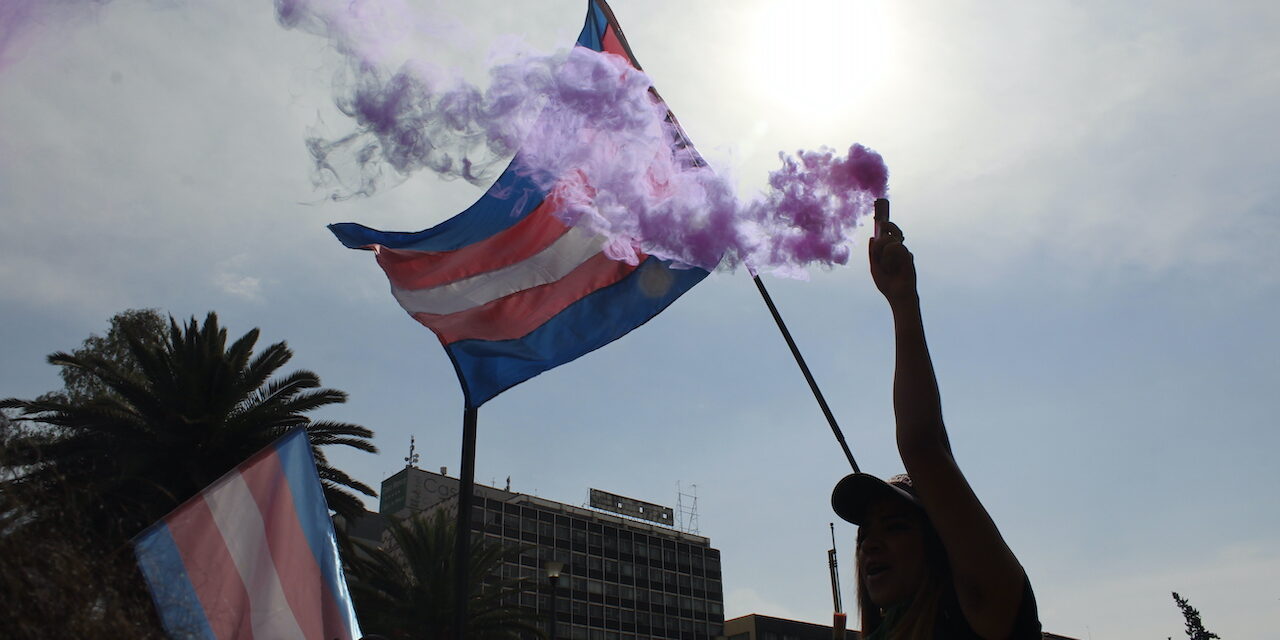
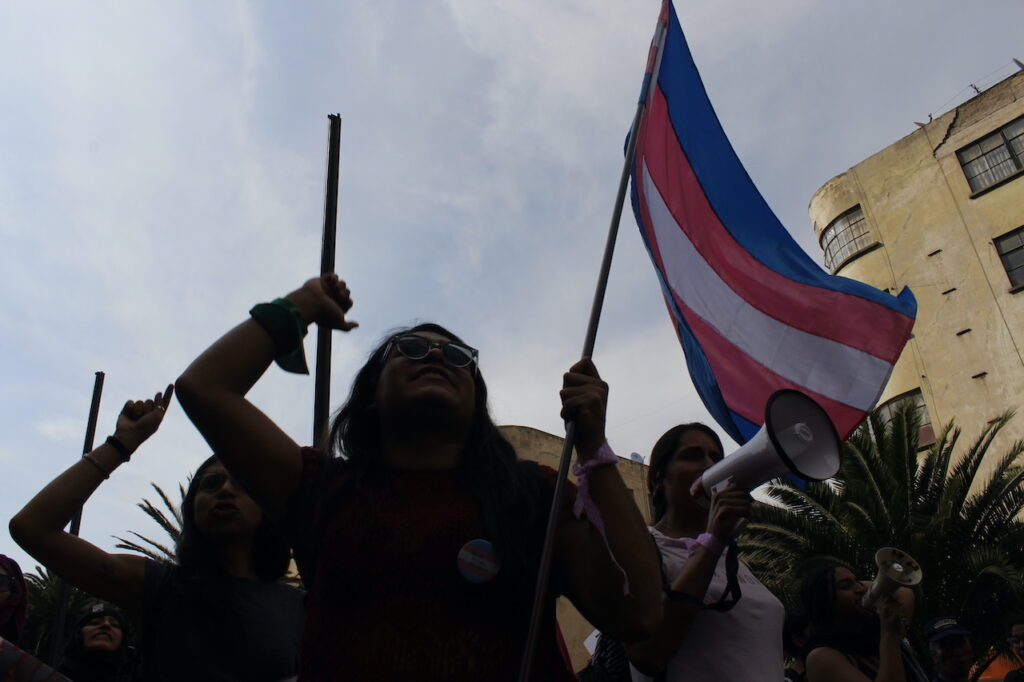
October marks the International Day of Action for the Depathologization of Trans People. Trans and non-binary activists and individuals around the world reclaim their identities, bodies, and subjectivities, and highlight the consequences of pathologizing them.


Share

Currently, transsexuality is no longer considered a mental illness by the World Health Organization; that is, transsexuality should not be diagnosed and does not require treatment. In 2018, the WHO began classifying it as "gender incongruence" and included it in the chapter "conditions related to sexual health" of the ICD-11 . This is an international classification of diseases manual that had not been updated since 1990.
It was an achievement of international trans activism, which organized more than a decade ago in the Trans Depathologization Network. From there emerged a global campaign: Stop Trans Pathologization , which in its early years reached more than 60 cities worldwide.
Although one of its main objectives was achieved – removing transsexuality from the list of mental disorders – activists remain critical of the term “gender incongruence”.
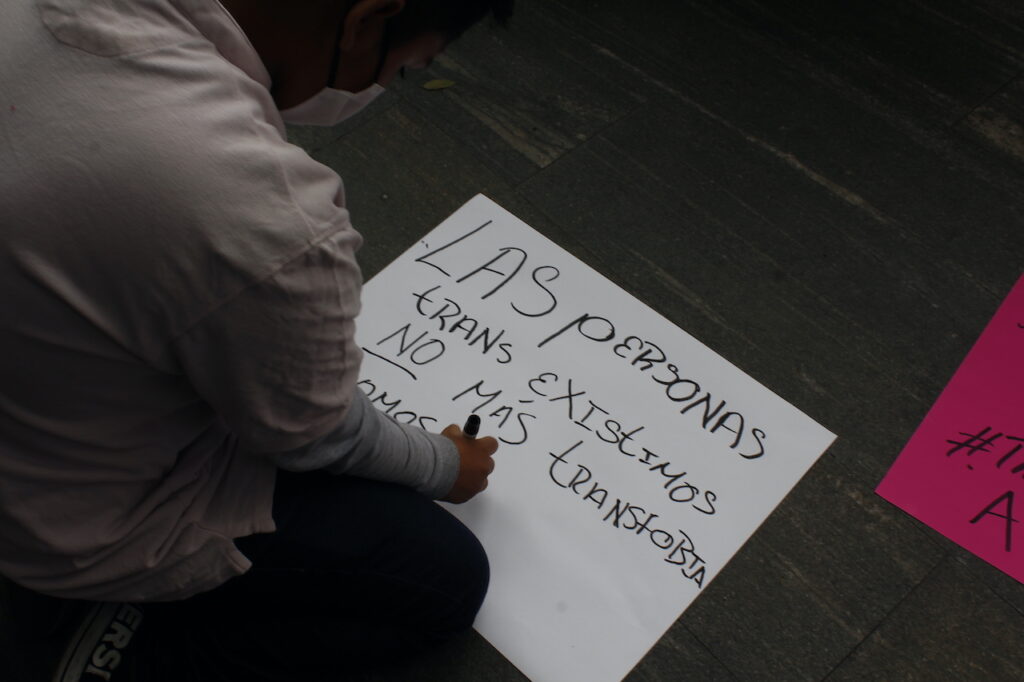
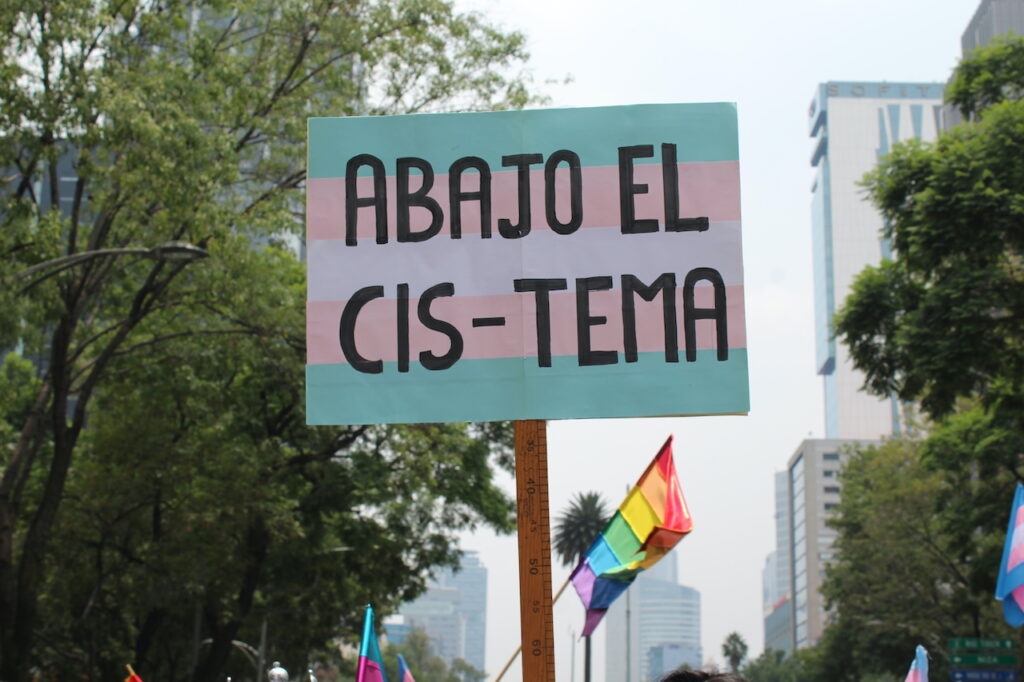
Mexican biologist, philosopher, and researcher Siobhan Guerrero explains this way: “The term 'incongruence' still seems to exert a surreptitious pathologization as a product of cis-heterosexist bias. That is, it reinforces the belief that 'normal' is the way heterosexual and cisgender people perform gender. Or, to put it another way, the most natural, the most functional, or, in a sense, the one that would occur by default. Here we encounter again the idea that cis-heterosexual bodies represent the pinnacle of naturalness and normality, now under the label of 'congruence'.”
Beyond the symbolic achievement, trans people still experience stigma, discrimination, and violence, at both the institutional and social levels.
According to latest trans legal mapping , transgender people worldwide (adults, adolescents, or children) still face numerous requirements for the recognition of their identities. This process can include trials, psychological evaluations, surgical and hormonal treatments; requirements that the person be divorced and have no dependent children; institutionalization in psychiatric facilities; undergoing "real-life rehearsals"; and sterilization in order to access their human rights, primarily the legal recognition of their identity and comprehensive healthcare, including procedures that provide them with well-being in relation to their gender identity without psychiatric or psychological supervision.
As a result, since 2009, the third Saturday of October has been commemorated as the Day of Action for the Depathologization of Trans People . It is a day when activists and trans and non-binary people around the world reclaim their identities, bodies, and subjectivities, and highlight the consequences of pathologizing them.
What is the current situation?
The ICD-11 will not come into effect until January 2022, but each country decides when to adopt it. This manual, in addition to classifying diseases, has implications for states' decisions regarding the financing of health systems; the compilation of statistics to monitor health trends; the development of public health policies; and the planning of service delivery.
According to the WHO, the fact that transsexuality remains on the list of diseases is justified because "significant health care needs remain that can be better met if this condition is coded in the ICD."
Trans activists are demanding , in addition to using a different term to describe “gender incongruence ,” that the ICD-11 be adopted expeditiously in all countries to guarantee access to and coverage of public health services as established within the framework of Universal Health Coverage. There is also a strong demand for the development of legislation and medical protocols that adhere to a human rights perspective and prohibit any form of pathologization, as well as for access to specialized care for trans people .
Furthermore, legal recognition of gender identity should be guaranteed by self-determination and without medical requirements or limitations based on age, immigration status, or binary gender identity.
Furthermore, legal recognition of gender identity should be guaranteed by self-determination and without medical requirements or limitations based on age, immigration status, or binary gender identity.
What is needed for true depathologization?
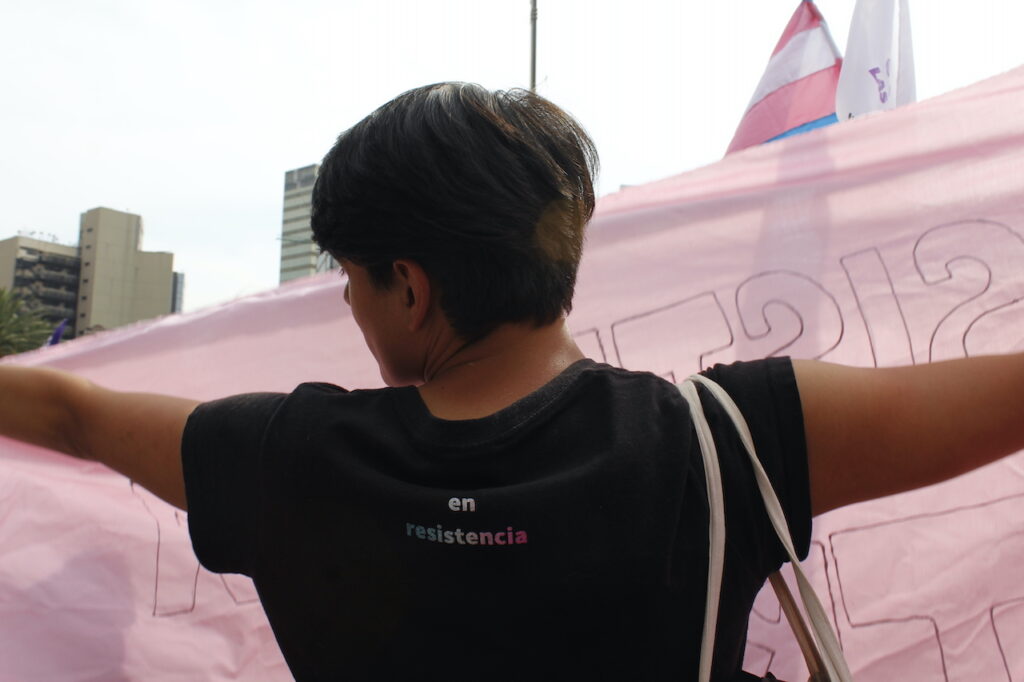
In 2019, UN experts warned that although reclassification is an important improvement, “there are a number of issues that remain to be addressed in order to achieve the complete depathologization of trans and gender-diverse people (…) pathologization has had a profound impact on public policies, legislation and legal doctrine, and in this way has penetrated all areas of state action in all regions of the world and has permeated the collective consciousness . Eradicating the conception of some gender forms as a pathology from everyday life will be a long and difficult process.”
Mateo Gorga, a psychologist and sexologist, told Presentes: “ It is urgent that psychology begins to listen to trans people and their needs and stops seeing a book as the defining factor for a person's existence, because it is extremely violent for a psychologist to be the one to certify what a person is . And although the WHO and the ICD say that being trans is not a mental disorder, there are still colleagues in psychology who rely on a book (DSM-5) and assume as dogma that trans people must have a completely marked gender dysphoria, and if they don't, they are not a trans person. This is extremely violent because instead of providing relief and support, it causes serious mental health problems , homogenizes us, and pigeonholes us into the idea that we must have this complete disgust or rejection of parts of our bodies to be 'trans enough,' when in reality there is no single way to be trans.”
“I didn’t even go to the gender identity clinic. I knew I wouldn’t pass their tests… genderqueer, without classic childhood trans stories, and I wasn’t even sure if I wanted to undergo medical transition. Why did I have to lie to be myself?” This is the testimony of a 27-year-old transmasculine person originally from Spain and was part of the “I need depathologization because…” , launched in 2018 by the organization Trans Europe.
The social pathologization of minorities
In this regard, Gorga adds, “They can’t package us into a single way of being trans; doing so is part of diagnosing us, beyond the medical aspect, it’s also part of a social pathologization that contributes to the stress of minorities, anxiety, the risks of possible suicides, the forced mobility of young people, the idea that there is something to cure when there is nothing to cure, violence, discrimination, stigma and exclusion in all social, work, family spheres, and these are consequences that we are not taking into account and that should be addressed as a public health problem .”
From his personal perspective, Mateo believes that a valuable action to curb depathologization is the existence and promotion of comprehensive sex education and that, internally, trans people share spaces, experiences and affections.
“Listening to the life stories of trans people, meeting them, hearing the diversity of trans voices: trans women, trans men, transmasculine people, transfeminine people, non-binary people, that is, listening to how each person decides to put their experience into words was what allowed me to realize that my experience was valid, that our experiences are valid . For me, that is what depathologization is about, listening to trans people and realizing that we have always existed, that we are part of the diversity of human beings .”
We are present
We are committed to journalism that delves into the territories and conducts thorough investigations, combined with new technologies and narrative formats. We want the protagonists, their stories, and their struggles to be present.
SUPPORT US

FOLLOW US
Related notes


We are present
This and other stories are not usually on the media agenda. Together we can bring them to light.