

Transphobic attack on Vicky Rodríguez, protagonist of the Honduran documentary Victoria
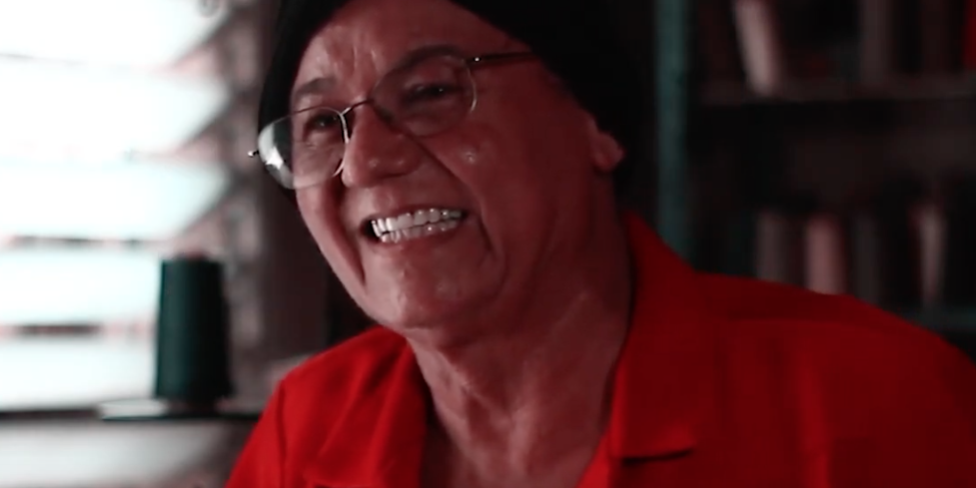
Vicky Rodríguez, a Honduran trans woman and protagonist of the documentary Victoria, suffered a transphobic attack in La Libertad, Comayagua. This is the second time she has been physically assaulted. The attack occurred 12 days after the murder of another trans woman, Erika Tatiana, an activist with the National Party, to which the president of Honduras belongs.


Share

Comayagua, Honduras. A brutal beating left 64-year-old Honduran trans woman Victoria “Vicky” Rodríguez unconscious and in serious condition. The attack occurred early Thursday morning, October 7, and shortly afterward, Vicky was found semi-nude and with her face covered in bruises in the yard of her home in the community of La Libertad, Comayagua department, in central Honduras.
Vicky, 64, was attacked by unknown assailants in this community, located two and a half hours from Tegucigalpa, the capital of Honduras. Due to injuries to her face, legs, and arms, she received medical treatment at a center with financial support from a friend.
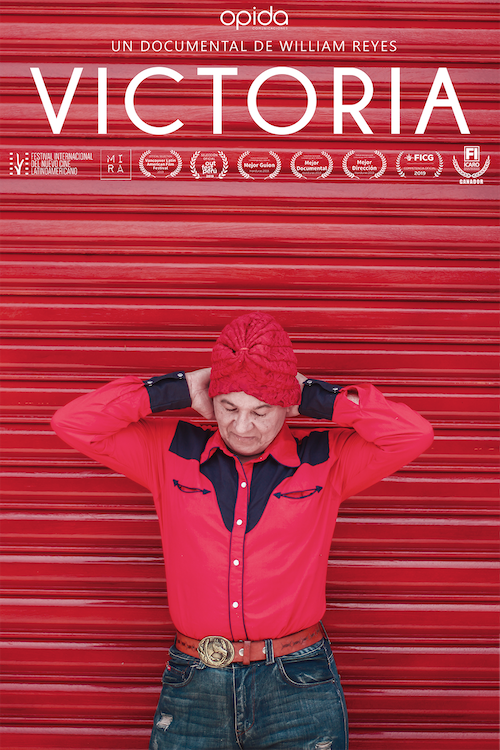
Vicky works as a seamstress and became known for starring in the award-winning documentary "Victoria." She had already been attacked in 2017 because of her gender identity and expression. The perpetrators of the attack four years ago were arrested, according to Vicky's niece, Vilma Suyapa Rodríguez, in statements to Presentes.
The criminal attack against Vicky occurred 12 days after the murder of Erika Tatiana in the city of Santa Rosa de Copán, in western Honduras, on September 25. Erika was an activist with the National Party, to which Honduran President Juan Orlando Hernández also belongs.
The president has been at the center of criticism for calling LGBTIQ+ populations, defenders of the right to decide and of territories, “enemies”.
Vicky Rodríguez's family reported the attack to the National Police. It is hoped that once Vicky's health improves, she will be able to share more details about the attack.
On Thursday afternoon, personnel from the Police Investigation Directorate took Vicky's statement. Today, she will be examined by forensic specialists from the Public Prosecutor's Office in the city of Comayagua.
Vicky's family is demanding that judicial authorities arrest and punish those responsible for the attack. Although there are leads regarding the perpetrators of this latest transphobic attack in Honduras, the police are continuing their investigation to apprehend the attackers.
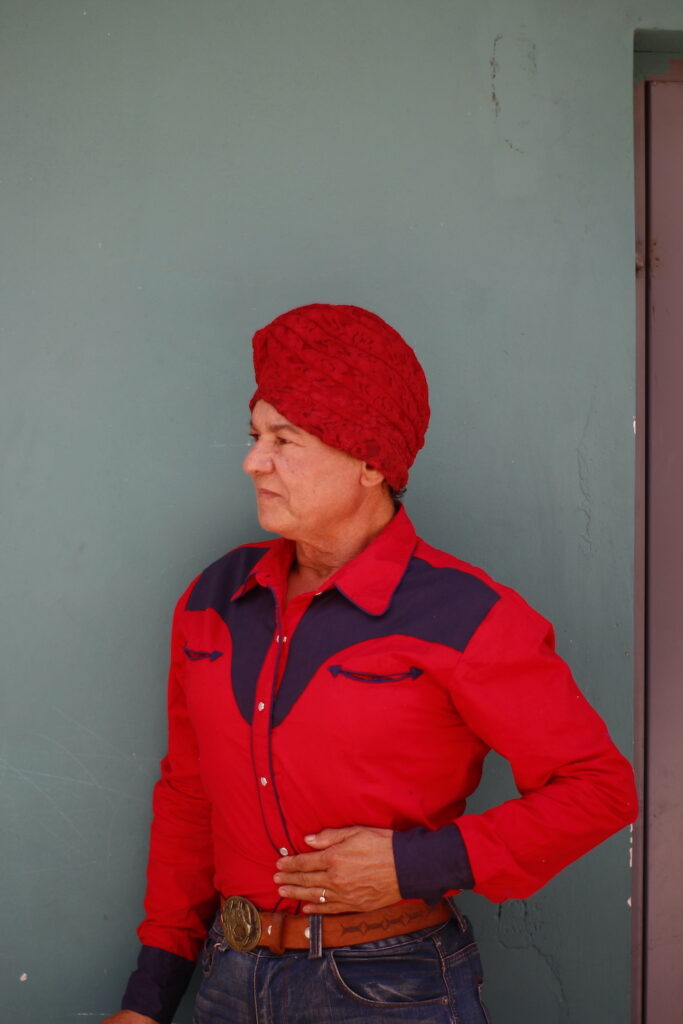
Justice for Vicky Rodríguez
The beating of Vicky was described as a hate crime by the Awilix Association of Tegucigalpa. The transgender organization demanded concrete answers and justice from the Honduran government.
“Once again it is clear that trans women are the most vulnerable, regardless of what city or country they are in,” Awilix wrote on social media.
The situation of the LGBTIQ+ groups to which Vicky belongs is precarious throughout Honduras, but it is worse in rural areas like La Libertad, in central Honduras.
The municipality of La Libertad lacks LGBTI+ organizations, whose members suffer all kinds of abuse and humiliation, said Luis Aranda, the lawyer and journalist who directs the news program Libernoticias, to Presentes.
The municipality of La Libertad lacks LGBTI+ organizations, whose members suffer all kinds of abuse and humiliation, said Luis Aranda, the lawyer and journalist who directs the news program Libernoticias, to Presentes.
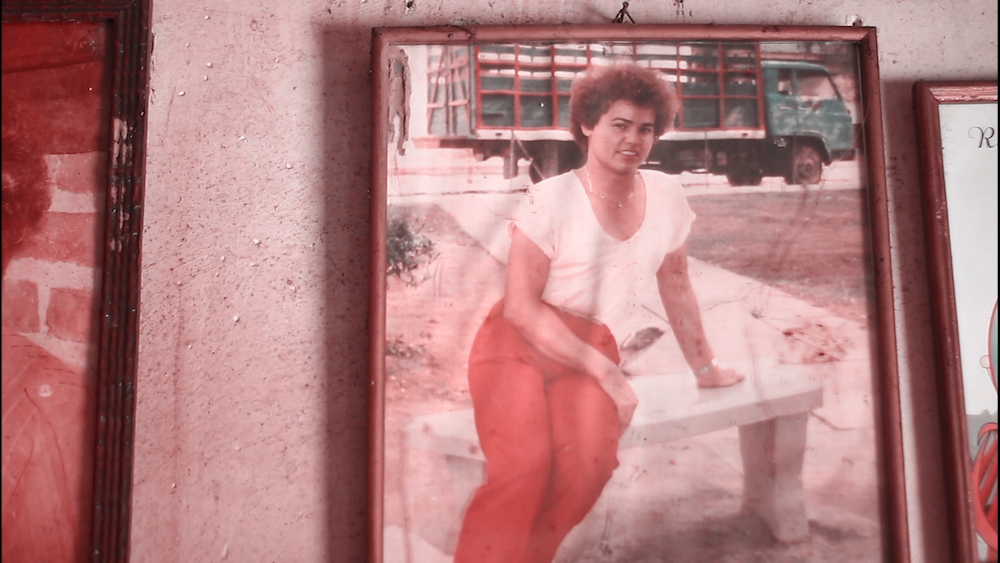
The documentary that made him famous
Vicky became a familiar face in several countries after the premiere of the documentary "Victoria" , directed by Honduran filmmaker William Reyes.
Reyes' film won several international awards for cinematic excellence in 2019 and allowed for a better understanding of the situation of LGBTIQ+ people in Honduras, especially in rural areas such as La Libertad.
The director of “Victoria” told Presentes that he met Vicky when she lived for a time in La Libertad, Comayagua. The filmmaker decided to film Victoria's portrait after learning of her constant struggle to be herself.
Despite the fact that LGBTQ+ people in Honduras lack access to basic rights, Vicky earned the respect of her community, Reyes said. The director of “Victoria” and his team spent two days filming and a month editing and preparing the final version.
The director presented the film at several festivals and won the Central American Ícaro award for best short documentary.
No justice or rights for trans activists
Vicky was attacked 12 days after the murder of National Party activist Erika Tatiana in the city of Santa Rosa de Copán, in western Honduras, on September 25.
Tatiana became the fourth trans woman murdered in Honduras in 2021. To date, since the transfemicide of Vicky Hernández in 2009, 390 LGBTI people have died violently in Honduras.
Trans activist Vicky Hernández was murdered between June 28 and 29, 2009, during the curfew imposed by the coup that overthrew President Manuel Zelaya Rosales to impose a de facto regime.
Although the Inter-American Court of Human Rights found the Honduran state guilty of the murder of Vicky Hernández on June 28, 2021, none of the Court's mandates have been fulfilled. These mandates include a gender identity law for transgender women in Honduras.
According to the Violent Deaths Observatory of the Cattrachas Lesbian Network, of the 17 murders in 2021, 10 were of gay men, three of lesbian women and four of trans women.
The impunity rate for hate crimes against LGBTI+ people in Honduras is 91%, according to data from the same institution.
Tatiana was an activist for the National Party in Santa Rosa de Copán. She supported the political institution for years in various primary and general elections.
President Juan Orlando Hernández's ruling party, to which Tatiana belonged, has publicly spoken out against laws that benefit the rights of LGBTIQ+ people and women, but not about the murder of one of its grassroots leaders.
Furthermore, the Honduran president has publicly stated his opposition to proposals in favor of women's right to decide over their own bodies and to the defenders of territories who speak out against model cities or ZEDEs.
Tatiana's murder has been condemned by national and international organizations, such as the Office in Honduras of the United Nations High Commissioner for Human Rights and the Inter-American Commission on Human Rights, which called on the State of Honduras to investigate and clarify the matter.
We are present
We are committed to journalism that delves into the territories and conducts thorough investigations, combined with new technologies and narrative formats. We want the protagonists, their stories, and their struggles to be present.
SUPPORT US

FOLLOW US
Related notes



We are present
This and other stories are not usually on the media agenda. Together we can bring them to light.