

What does the regulations of the transvestite trans employment quota law say?
The regulations implementing the Diana Sacayán-Lohana Berkins Law expand the scope of the employment quota and include other inclusion measures. What do transvestite and transgender voices have to say, and why are they demanding action on retirement age and reparations?.


Share

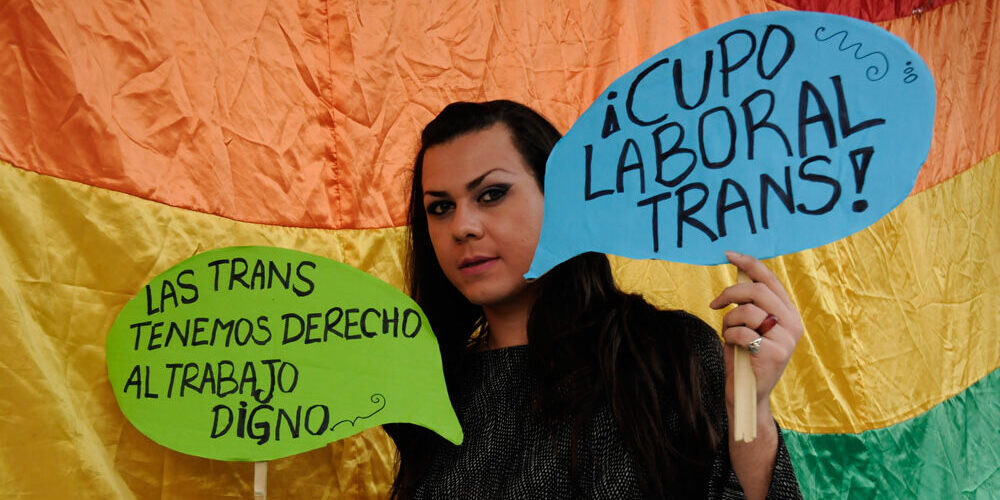
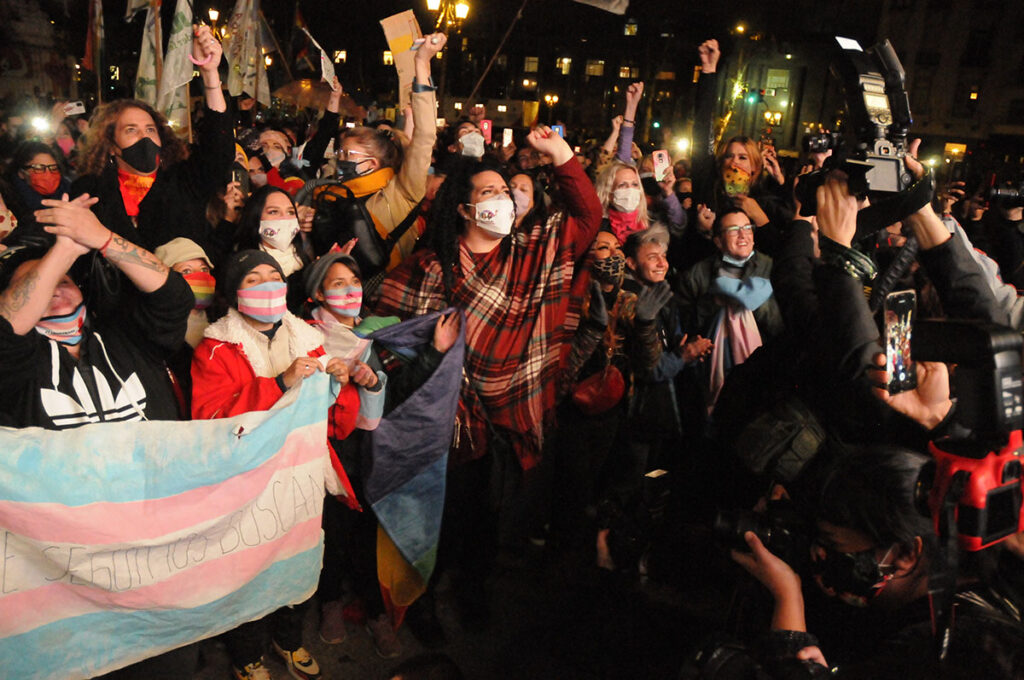
The Diana Sacayán – Lohana Berkins Law Promoting Formal Access to Employment for Transvestite, Transsexual, and Transgender People was enacted and published this Monday in the Official Gazette. Activists recognize the importance of realizing this long-standing demand and are also pushing for the implementation of public policies that take into account the retirement age of these groups to achieve historical redress.
“With the regulations in place, we can implement the entire bill. This allows us to extend the scope of the trans quota registry , which was previously only for the national executive branch of government, and now includes all three branches of government. It also adds training and job skills development programs with the Ministry of Labor, among other things,” Alba Rueda, a trans activist and Undersecretary of Diversity Policies for the Nation, told Presentes.

The law that the National Congress sanctioned on June 24 –Law No. 27,636 for the Promotion of Access to Formal Employment for Transvestite, Transsexual and Transgender People “Diana Sacayán-Lohana Berkins” – establishes that the national State (comprising the three branches that make it up, the Public Ministries, the decentralized or autonomous agencies, the non-state public entities and the State companies and corporations, “must occupy, in a proportion not less than one percent of the total of its personnel, jobs with transvestite, transsexual and transgender people, in all the regular hiring modalities in force.”
The main points
Of its 23 articles , seven of the law have been regulated. “This regulation falls largely under the purview of the Ministry of Women, but there are also other articles that are specific to other ministries. Those will be regulated; they are part of the administrative procedures governed by the regulations,” Rueda explained.
Among them, it is established that the requirement of educational completion cannot be an obstacle to entry and permanence in jobs,” so that real opportunities for access can be guaranteed.
awareness-raising actions on gender and sexual diversity perspectives in the workplace is planned "to ensure that labor inclusion takes place under conditions of non-discrimination and respect for gender identity and expression."
The law promoting transvestite and transgender employment promotes incentives for the hiring of transvestite, transsexual and transgender people in the private sector, such as prioritizing state contracts with private legal entities or individuals that include transvestite and trans people in their staff.

Marcela Tobaldi, president of the trans organization La Rosa Naranja, told Presentes that “the trans community is in very bad shape.” “The situation the world is experiencing, and Argentina in particular,” she explained, “is one of post-pandemic recovery from Covid-19 and the legacy of the Macri administration. Trans organizations in different areas are distributing food baskets, doing everything possible to support each other. That’s why we should take decisive action and provide employment for many more of our sisters.”.

For trans activist Lara Bertolini, “the regulations don't stipulate that people over 40 should have primary access to the quota. Because it always happens that when these laws are introduced, the same hegemonic forces tend to incorporate trans people as young as 18 or 20,” says Bertolini. “The retirement age for trans people is missing,” she adds.

Furthermore, she emphasizes the importance of ensuring that social security for transgender people continues beyond just labor inclusion. “Entering the formal workforce should not hinder access to non-contributory disability pensions or social programs that provide housing or food assistance. This access does not eliminate the lack of rights: it is crucial that we do not lose the existing reparations that are necessary to extend the lives of transgender people .”
The group is demanding urgent reparations for trans and gender-diverse people . “We are asking the President and the National Congress for compensation for the crimes against humanity committed under police edicts and, even today, under the municipal codes that allow for the stigmatization and persecution of trans and gender-diverse women and gender identities. We must recognize that there was an identity-based state terrorism,” explained Bertolini. She emphasized the need for compensation for trans and gender-diverse women over 50 years of age.
How will it be applied?
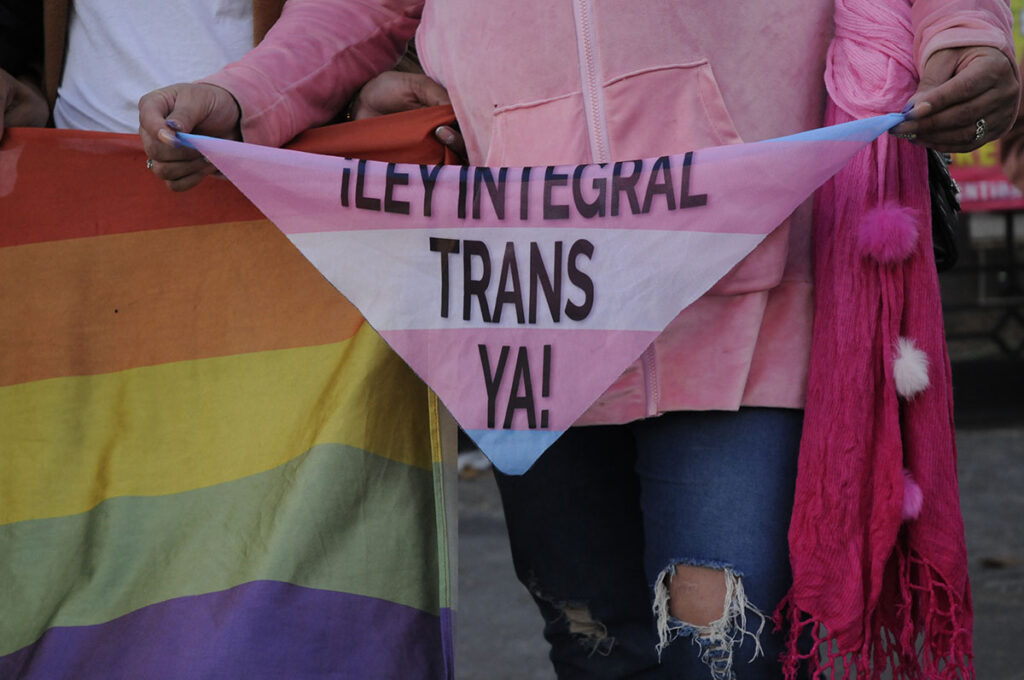
The decree approving the regulations for the law establishes the Ministry of Women, Gender and Diversity as the implementing authority. The Federal Administration of Public Revenue (AFIP) will be responsible for issuing any clarifying and/or supplementary regulations necessary to implement the tax benefits provided for in Law No. 27,636.
Finally, the regulations of the law seek to ensure that it is applied federally with the objective of "eliminating geographical barriers, since the structural pattern of vulnerability in the life trajectories of transvestite, transsexual and transgender people is characterized by the transversality of impediments in the effective access to rights."
Background of the Law: decree and quotas
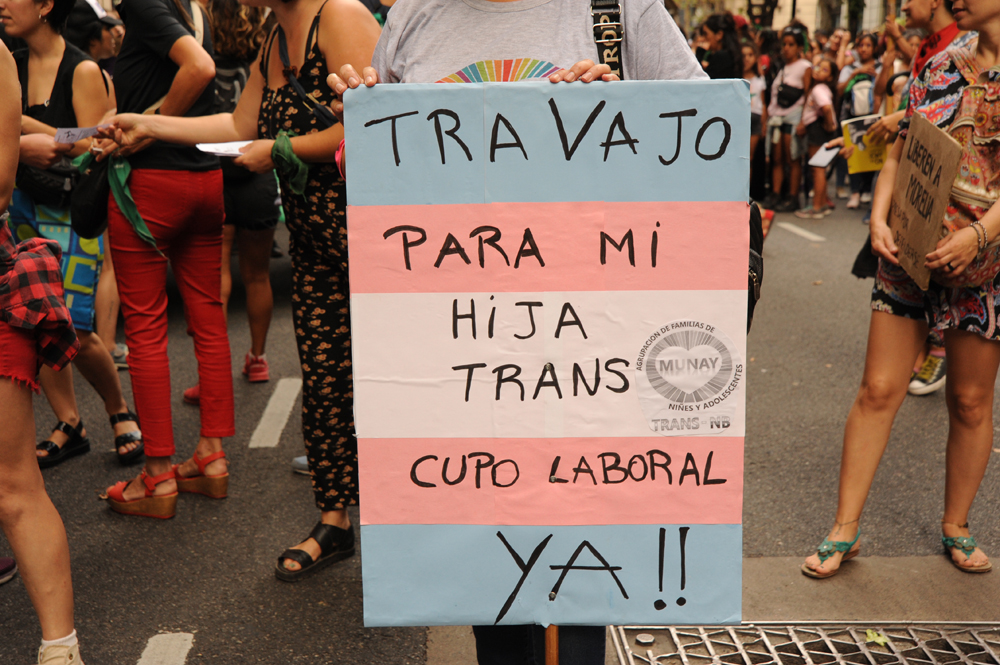
Law 27.636 arose from the need to respond to a context in which "the life trajectories of transvestite, transsexual and transgender people are marked by stigmatization, criminalization and systematic pathologization by a large part of society and institutions" which imply "difficulties for the effective exercise of the right to health, education, decent housing, equitable and satisfactory working conditions, as well as protection against unemployment, without any discrimination," says Decree 659/2021 that approved the regulations of the law today.
The law is based on the Gender Identity Law No. 26,743 and Decree No. 721/20 , by which the Executive Branch established that positions in the national public sector must be filled in a proportion of no less than 1% of the total by transvestite, transsexual and transgender people.
We are present
We are committed to journalism that delves into the territories and conducts thorough investigations, combined with new technologies and narrative formats. We want the protagonists, their stories, and their struggles to be present.
SUPPORT US

FOLLOW US
Related notes



We are present
This and other stories are not usually on the media agenda. Together we can bring them to light.