

Trial begins for Ayelén's transfemicide in Tucumán: delayed and facing criticism
Ayelén Gómez, a young trans woman, was murdered in August 2017 in Tucumán. "We know the investigation was deficient. At this stage, we demand that the State, which abandoned her at the time, take responsibility and deliver justice."



Share

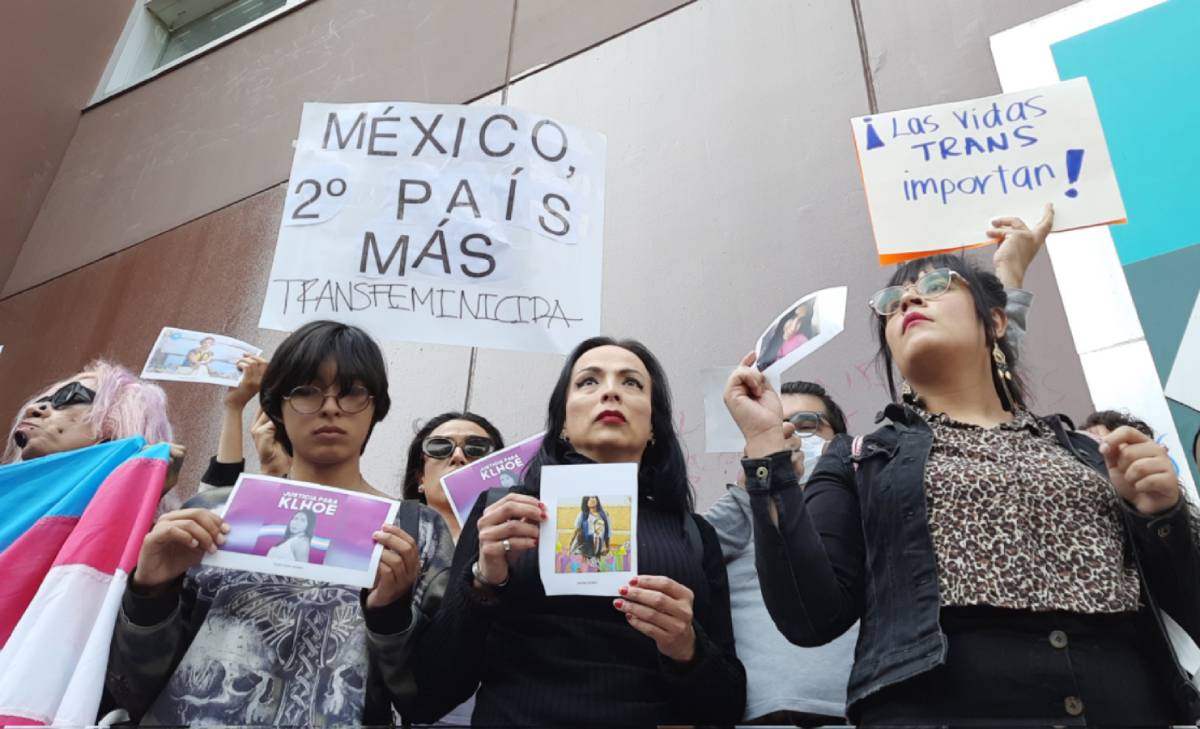
After a four-year wait, the trial for the transfemicide of Ayelén Gómez begins this Monday, September 27. On August 12, 2017, the body of the murdered trans woman was found in one of the stands of the Lawn Tennis Club in the capital of Tucumán province . “Among the main objectives of the organization I represent is that, in addition to obtaining justice, the trial be conducted with a gender perspective, with a transfeminist viewpoint . And that the court take into account the reality experienced by our trans sisters and understand the web of violence to which the bodies of trans people are subjected,” says Martín González, a lawyer with the organization Andhes (Lawyers for Human Rights and Social Studies), which represents the plaintiffs.
Claudina Rukone , an activist from Tucumán and a leading figure in the Argentine Trans Women's Association, believes that expectations for this trial are very low. “ We know the investigation was deficient. At this stage, we demand that the State, which abandoned the case at the time, take responsibility and deliver justice ,” she says.
Martín González warns: the case is classified as simple homicide, not transfemicide . “We have repeatedly requested a change in the classification to aggravated homicide motivated by hatred of gender identity, but it has never been granted,” the lawyer states.
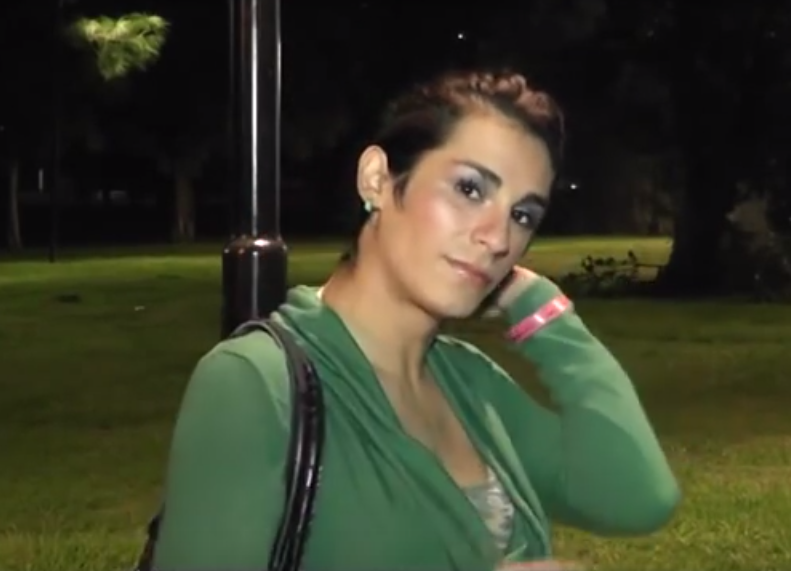
What Ayelén's autopsy revealed
The autopsy determined that Ayelén died from mechanical asphyxiation by suffocation. When her body was found, it was naked, with bruises and dirt in her throat. The only person charged with the crime is Adrián Miranda, nicknamed El Bandera, who has been free since his pretrial detention period expired. “We are concerned that, in addition to the trial, the accused will also be tried for a robbery case that has nothing to do with Ayelén's transphobic murder,” says González. She points out that, in a way, a person's life is being equated with material possessions.
A case in point of the violence against trans women
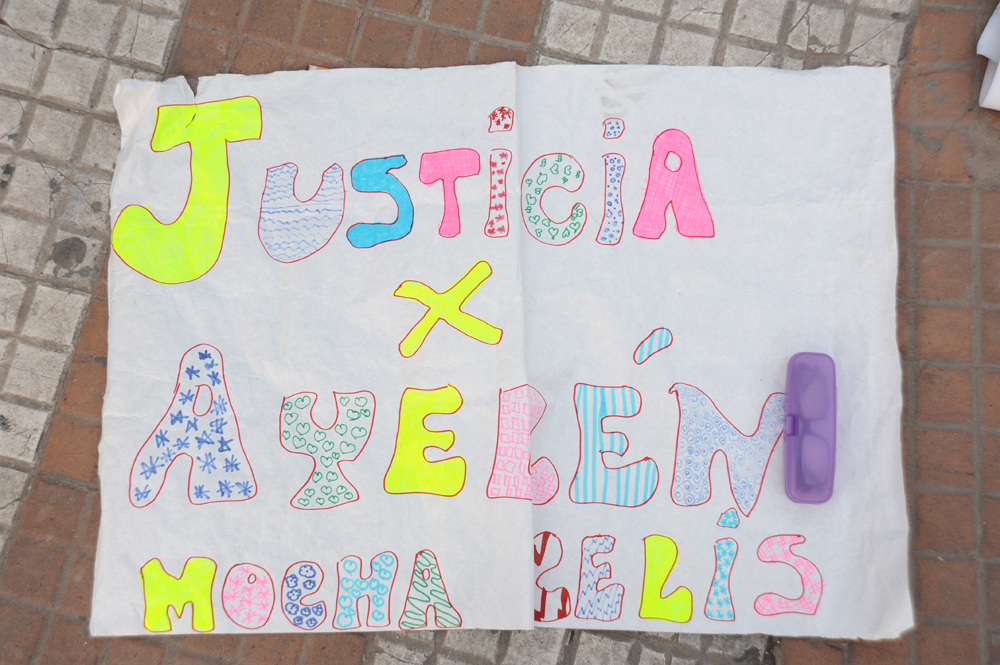
In April 2012, Ayelén Gómez was arrested, raped, and abused by two police officers from the second precinct in San Miguel de Tucumán. As soon as she was released, she filed a police report and a few months later moved to the province of Buenos Aires. Once settled, she began studying at the Mocha Celis Transgender High School in the City of Buenos Aires.
“Perhaps what sets Ayelén apart from many other girls is her relationship with her family, who have always supported her,” says the plaintiff's lawyer. “They are a very humble family, and her mother, sisters, and nieces were all very happy when she returned from Buenos Aires,” González comments, recalling that she returned to the province in 2016.
After graduating from Mocha Celis High School, Ayelén wanted to continue her studies. That's why she approached the Open Doors Trans Education Center (Cetrans) in San Miguel. “Ayelén is a stark example that reflects the life stories of the trans and travesti women community,” stated the organization Andhes. They added: “Trans and travesti women see their human dignity violated by exclusion and lack of access to healthcare, education, employment, and justice. They also face discrimination, criminalization, and multiple and repeated manifestations of hatred toward their gender from society.”
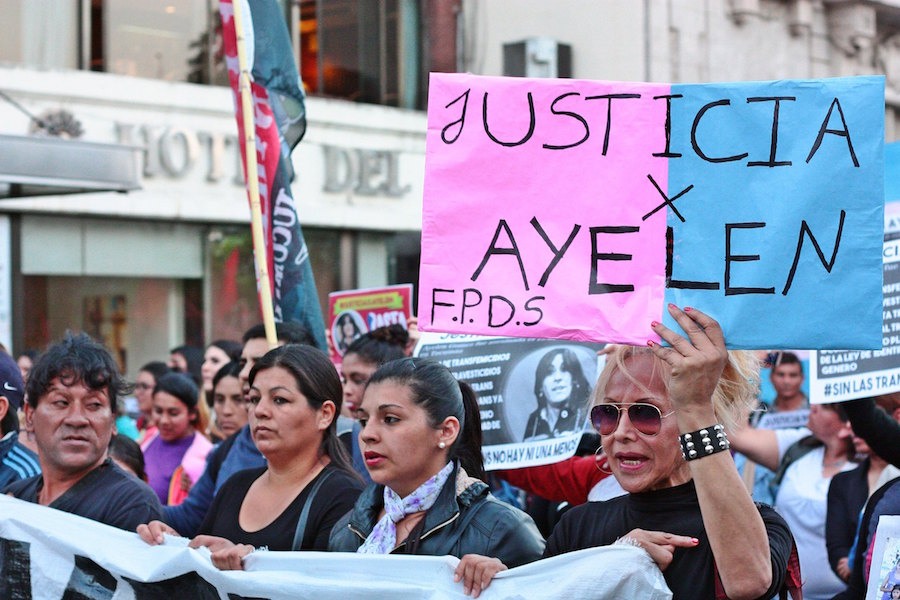
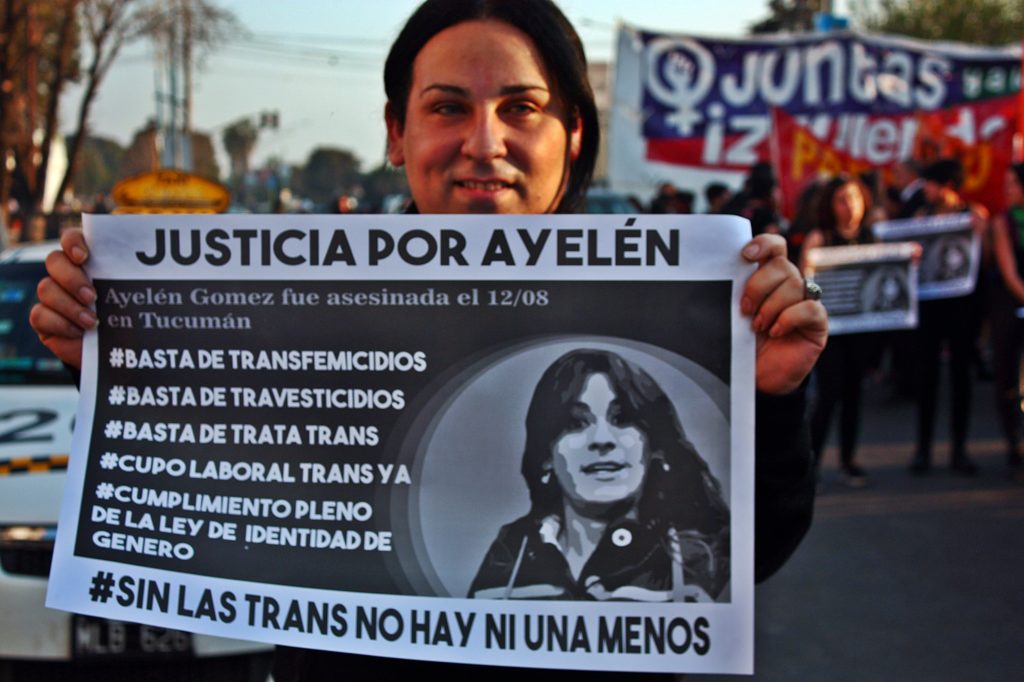
Ayelén: synonymous with struggle and organization
“Since Ayelén’s murder, things have changed in the province. The trans and travesti community began to meet and unite so that it wouldn’t happen again. And although unfortunately this didn’t happen, trans women were able to organize, raise our voices, and make ourselves heard. Today there are many organizations of women and trans people,” Claudina reflects.
Today, there is a public library in the city that bears her name, and organizations have been created specifically to address the situation in the context of the pandemic. The trans community of Tucumán has begun to take to the streets and coordinate actions to demand that their rights be guaranteed. “We have learned that what we are asking for are not privileges, but rights that have been historically violated and postponed,” Rukone concludes.
The trial hearings are scheduled for Monday, September 26, and Tuesday, September 28, in courtroom one of the Criminal Court. The panel is composed of Judges Wendy Kassar and María Fernanda Bahler, and Judge Emilio Paez de la Torre.
We are present
We are committed to journalism that delves into the territories and conducts thorough investigations, combined with new technologies and narrative formats. We want the protagonists, their stories, and their struggles to be present.
SUPPORT US

FOLLOW US
Related notes


We are present
This and other stories are not usually on the media agenda. Together we can bring them to light.