

"Trans Golden Age": Baroque theatre revisited with a transvestite and trans perspective and performances
The play written by Gonzalo Demaría and directed by Pablo Maritano returns with live performances. The cast is made up of transvestite and transgender people, and the play stars actress Payuca del Pueblo.


Share

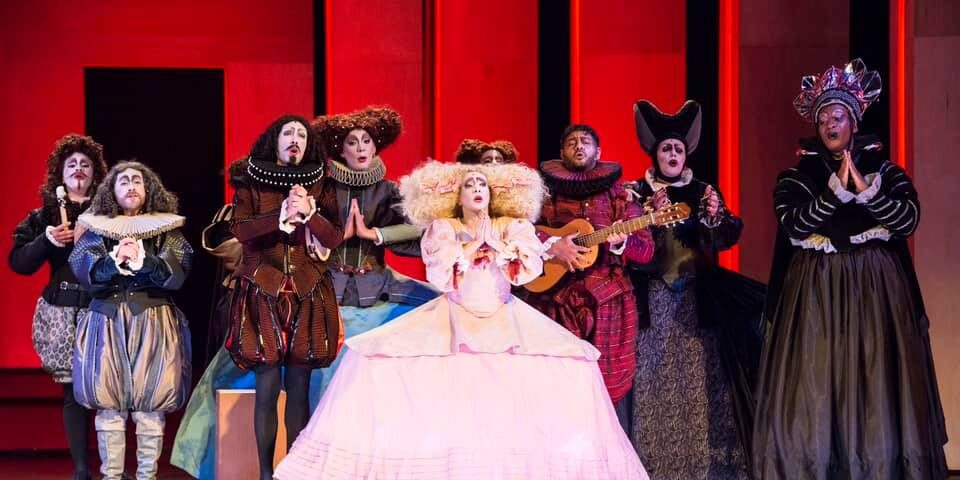
The play written by Gonzalo Demaría and directed by Pablo Maritano returns with live performances. The show, featuring a cast of transvestite and transgender people, stars actress Payuca del Pueblo and premieres this Friday, September 17th, at the San Martín Theatre in Buenos Aires.
The author adapts the Spanish Baroque comedy of errors concerning gender and sexual identity, "Don Gil de las calzas verdes," which premiered in Toledo in 1615. The 17th century was philosophically pivotal in a culture where questions about the condition of the soul and body were ever-present, interrogating gender in countless ways. This adaptation, set in Baroque verse and translated into the Buenos Aires dialect, retains Tirso de Molina's original sexual satire and philosophical and metaphysical themes.
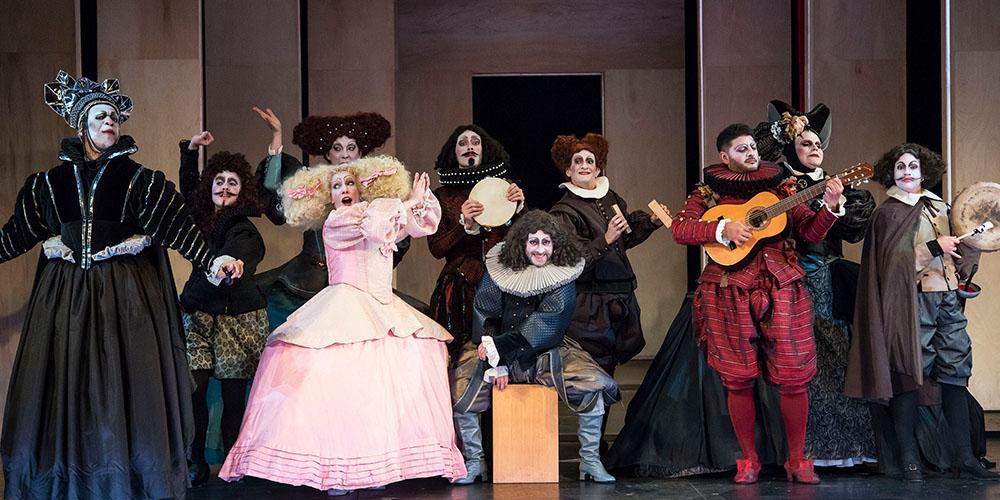
Transvestism is also present in speech and storytelling
“The play incorporates elements of Baroque comedy that, in their coincidences, are very relevant today. The way gender was understood in the 17th century is not the same as it is today. It's not that life was easy for a trans person back then, but within the ups and downs of humanity, it was a century in which the question of what gender is was explored extensively, and it began to be discussed as a social construct. This idea of assigned gender is in the eye of the beholder, not necessarily in the body, and that is a novelty in that sense,” Pablo Maritano told Agencia Presentes.
In this regard, she confessed that her interest in staging a work from the Golden Age had been long-standing, and she undertook a series of readings with colleagues and friends. She also mentioned that they felt the theme of gender was present in the opera and the period, and that upon reading this particular work, she found it "incredible" to be able to stage it, because it addresses the relationship between gender and body, gender and desire, and personalities, in addition to her desire to work with a cast of transgender actors and actresses.
Regarding his perspective and interest in the topic, he confessed: “It’s inseparable from adding issues related to the activism one can do as a cis person, gay or not, but cis ultimately, based on what one considers best for humanity. Speaking about trans issues from a human perspective doesn’t seem like a minor detail to me, because I maintain that humanity doesn’t exist without trans people . I think it’s important to emphasize that the gay community owes a great deal to this group.”
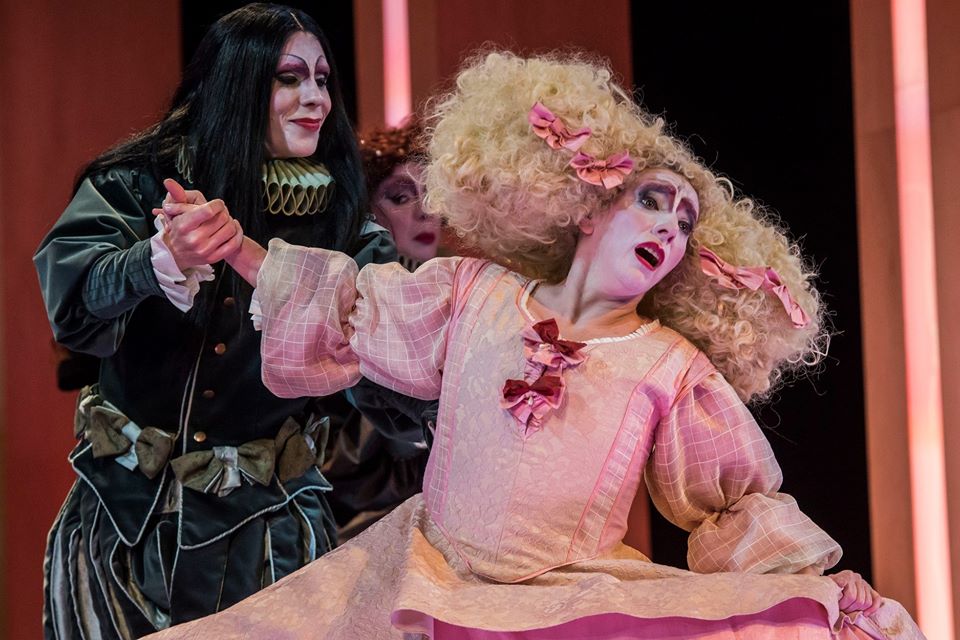
trans cast
For her part, Payuca Del Pueblo, when asked about this leading role, said: “It’s my first time, and it’s been 20 years. Ever since I graduated from drama school, I’ve had this dream, and I thought that when I finished my degree, I would go straight to this theater to star in a play. That didn’t happen. I worked in independent theater, off-Broadway theater, among others, until it finally happened. I’m very happy not only for myself but also for the cast , most of whom are trans people , and I think it’s wonderful to have their talent. I hope this opens the door for other theater companies to give diversity a chance, and that we aren’t just relegated to other forms of theater.”
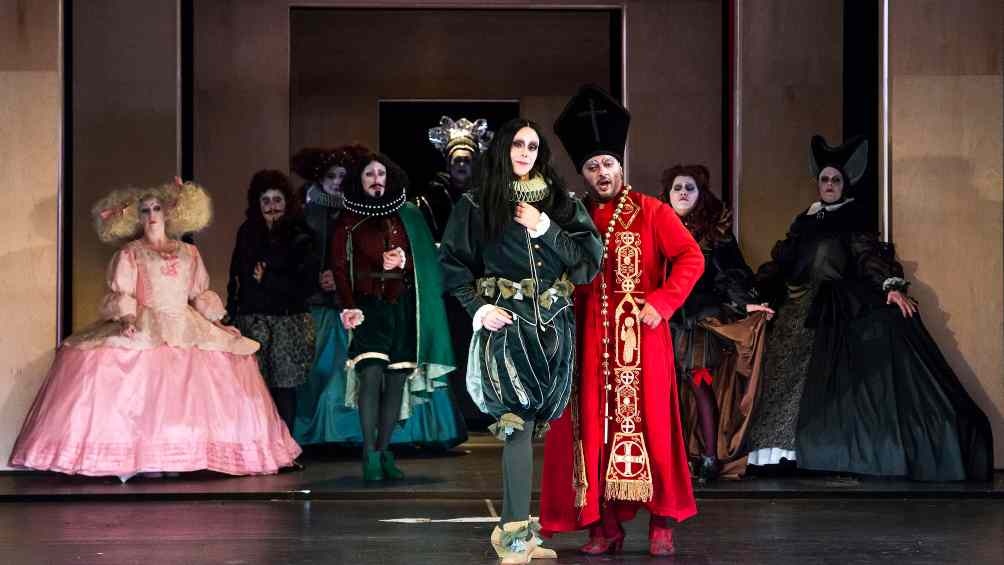
Furthermore, the artist said that she finds it "very difficult to be an activist," but that she engages in activism from her own sphere of influence: acting. She does so out of passion and a desire to share her work with the audience, and today she feels happy to be able to showcase her talent. She invited everyone to attend the performances on Fridays, Saturdays, and Sundays, with affordable tickets.
Regarding the characters in the play, she explained that they are named Doña Juana, Don Gil, and Doña Elvira, and revealed: “These are three characters that, initially, we had worked on with the director, exploring stereotypical feminine and masculine traits. We were met with a setback because it felt abrupt and simplistic. This led to the need for further exploration. After going through various emotional states, we developed three characters distinguished by their intensity, color, and costumes. Little by little, the character became more flexible and refined. In reality, it was never too rigid.”
Finally, Payuca thanked the director for the invitation, saying it was a pleasant surprise to work with him, and described: “He helped me a lot when I had those low points where I didn't know where to go. Pablo gave me many tools to move forward and feel comfortable with what I was doing.”
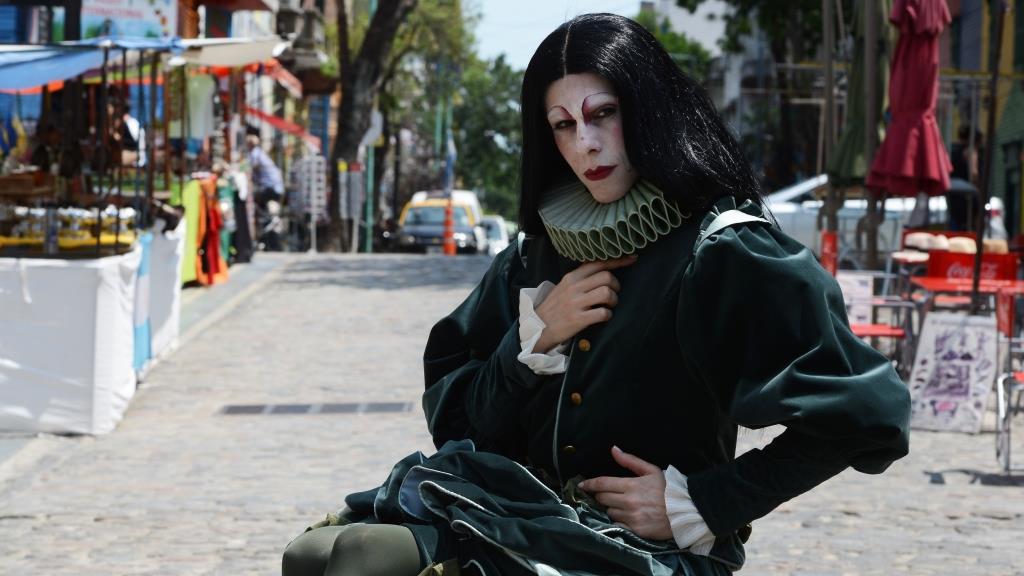
The cast includes Payuca, Monina Bonelli, Roberto Peloni, Ariel Pérez de María, Maiamar Abrodos, Mariano Saborido, Martina Nikolle Ansardi, Rodrigo Arena, Julián Ekar, Emiliano Figueredo, Naty Menstrual, and Fabián Minelli. The musicians on stage are Dolores Costoyas, Iván García, and Hernán Alejandro Cuadrado. Artistic assistance is provided by Felicitas Oliden, lighting assistance by Paul Pregliasco, and set design assistance by Ileana Telayin.
The sound design is by Ariel Gato and Camilo Zentner, the musical adaptation and direction are by Dolores Costoyas, the lighting design by David Seldes, and the lighting refurbishment by Fernando Berreta. The costume design is by María Emilia Tambutti, and the set design by Mariana Tirantte.
Performances: Fridays to Sundays at 8 pm.
Last performance: Sunday, November 7.
Orchestra $600 Pullman $400
Duration: 90 minutes.
We are present
We are committed to journalism that delves into the territories and conducts thorough investigations, combined with new technologies and narrative formats. We want the protagonists, their stories, and their struggles to be present.
SUPPORT US

FOLLOW US
Related notes


We are present
This and other stories are not usually on the media agenda. Together we can bring them to light.