

Two Honduran LGBT activists among TIME's 100 most influential people in the world
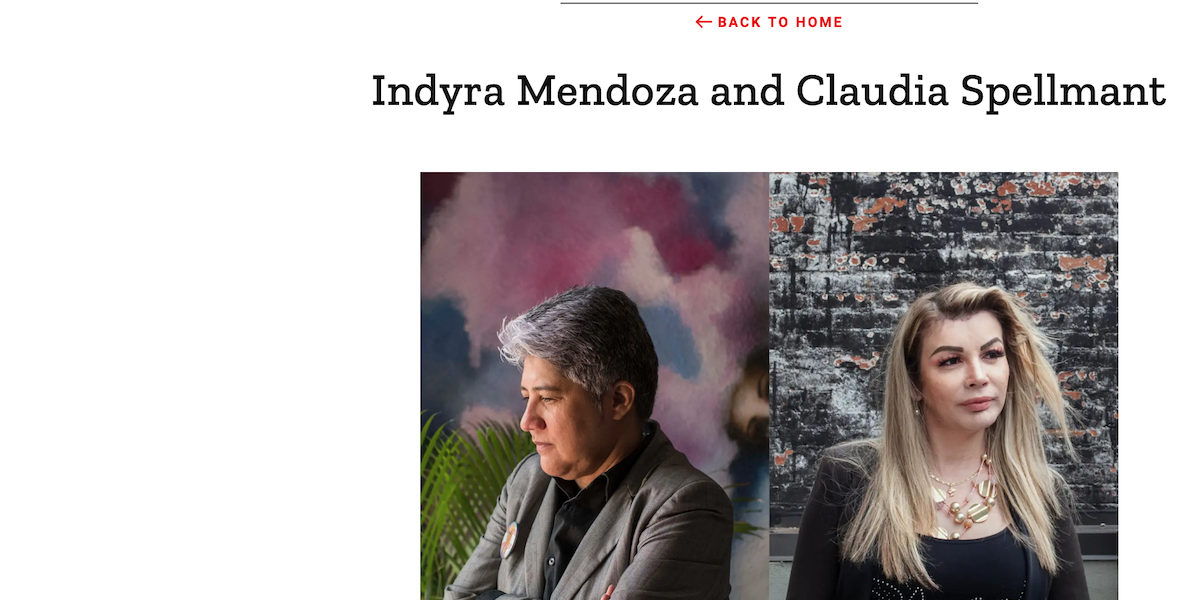
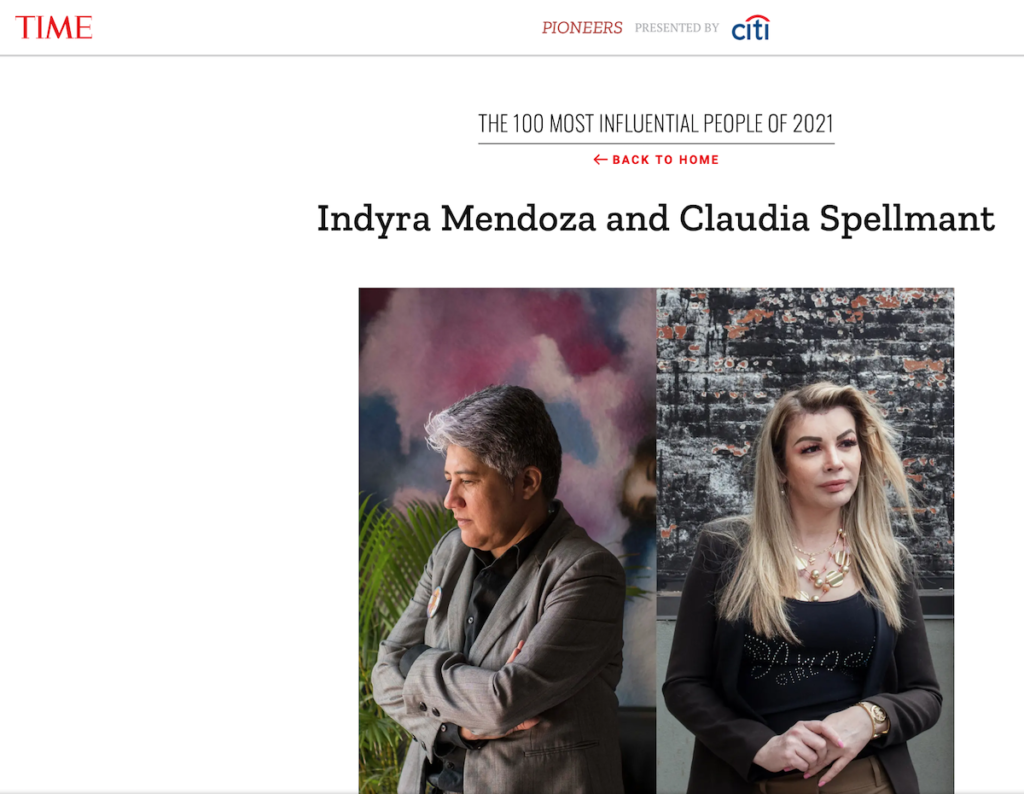
For the first time, two Honduran women appear on TIME magazine's list: Indyra Mendoza, director of the lesbian network Cattrachas, and Claudia Spellmant, a trans activist. Honduras is one of the most violent countries for the LGBTQ+ community.


Share

For the first time, two Honduran women have appeared on TIME magazine's annual list of the world's most influential people. They are Indyra Mendoza, director of the Cattrachas Lesbian Network , and trans activist Claudia Spellmant. Both were born in Honduras and are prominent activists for LGBTQ+ rights in their country.
On September 14, TIME magazine included Mendoza and Spellmant on its list of the 100 most influential people in the world. This marks the first time in TIME's history that it has included individuals from Honduras on its annual list.
Robert F. Kennedy Human Rights President Kerry Kennedy dedicated a moving article to discussing the struggle that Mendoza and Spellmant undertook in search of justice in the case of Vicky Hernandez.
Vicky was a trans activist who was murdered during the 2009 coup. Her case remained unpunished for 12 years until a team of lawyers, spearheaded by Mendoza, succeeded in getting the Inter-American Court of Human Rights to find the Honduran state guilty of Vicky's death in June 2021. Spellmant was instrumental in that ruling, providing one of the key testimonies in the case.
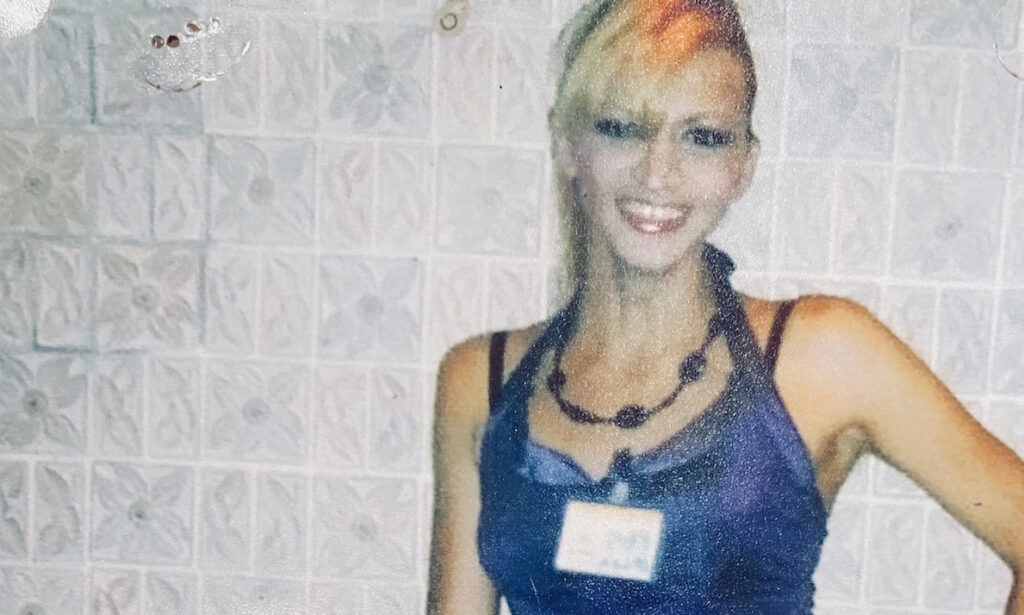
“Mendoza and Spellmant, as LGBTQ+ activists and women, spent years working to demand justice for Vicky, bravely standing up to a discriminatory society that has repeatedly put their lives in danger,” Kennedy writes in the TIME article.
However, for Kennedy, “the fight is not over. The world must follow his example.”
Claudia: “A recognition for the LGBTIQ+ community”
Mendoza and Spellmant join a roster of pioneers who have changed world history.
Spellmant was born in Danlí, El Paraíso, 43 years ago, but feels “one hundred percent from San Pedro Sula.” She worked for over 20 years in Honduras advocating for LGBTQ+ rights, leading the Colectivo Unidad Color Rosa (Pink Unity Collective) in San Pedro Sula, in northern Honduras. It was through this collective that she met trans activist Vicky Hernández. In 2003, she ran for Congress representing the department of Cortés with the Libre party. Following this, she sought asylum in the United States after experiencing several acts of violence against her. She continues to be an LGBTQ+ rights activist and is also a model and actress.
“For me, this is the best award in the world. I feel so happy,” Claudia Spellmant told Presentes from New York. “This means so much to me, and I have so many answers. I’m so happy to be here and represent the LGBTQ+ community of my country. But at the same time, I feel a little nostalgic because I can’t enjoy this achievement in Honduras due to the difficulties, violence, and discrimination that exist here.”
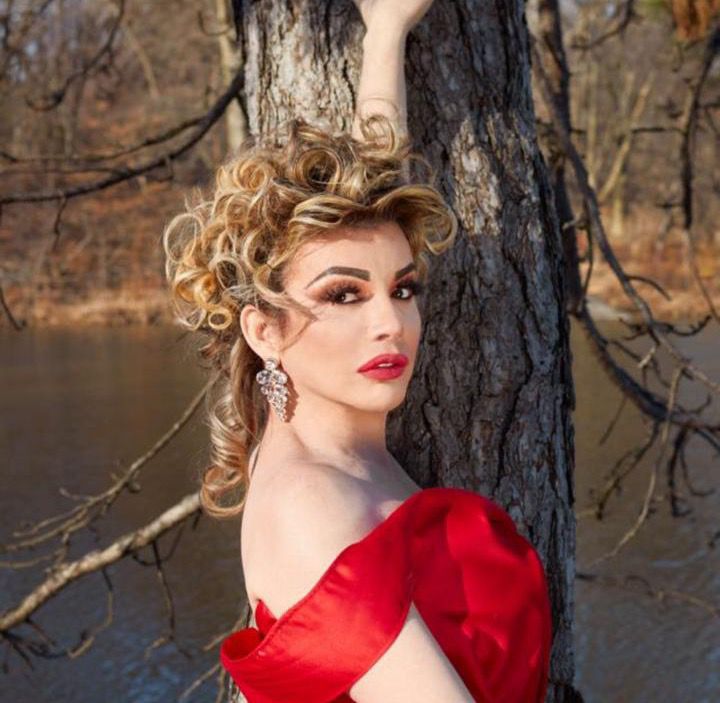
Claudia now resides in the United States, after receiving political asylum following a series of threats and attempts on her life . “I feel very happy because this recognition is not only for trans women in Honduras, but for the entire LGBTIQ+ community.”
In Honduras, 389 LGBTIQ+ people have been murdered between 2009 and 2021. Among them, 10 gay men, three transgender people, and three lesbians were killed this year, according to the violent death monitoring maintained by the Cattrachas Lesbian Network.
“I feel very honored to be alongside Indyra and to be role models for the LGBTIQ+ communities of Honduras and the world. It’s time they start respecting us for our identity, expression, and sexual orientation,” the trans activist added from New York.
Indyra: “An achievement for all of us”
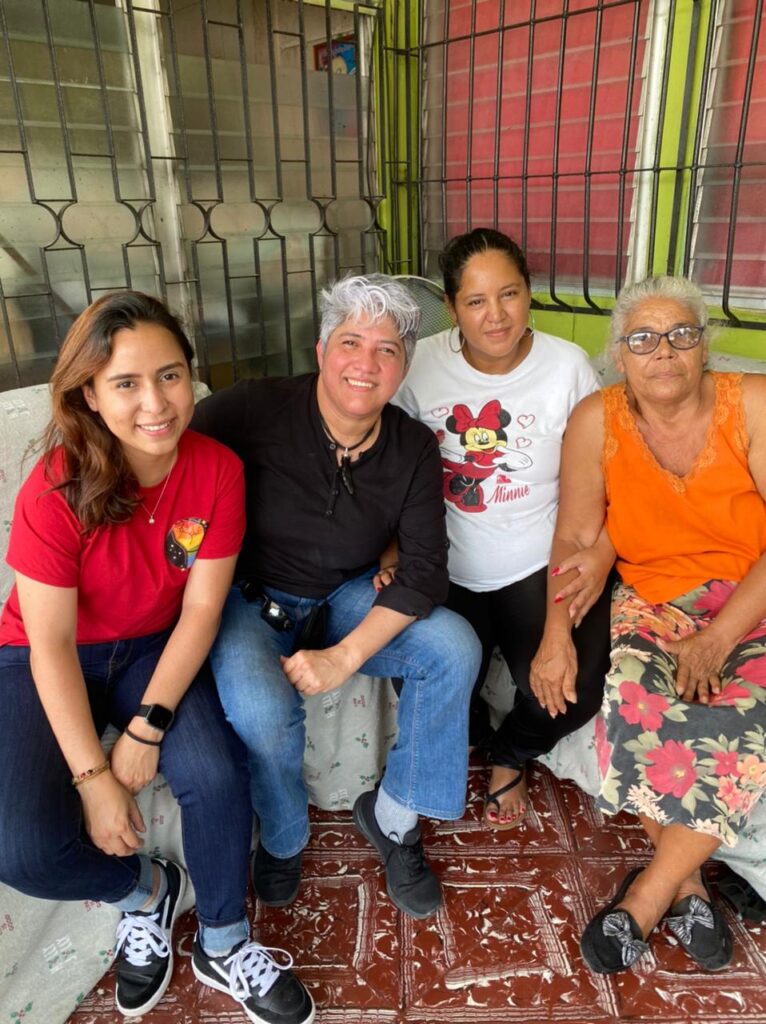
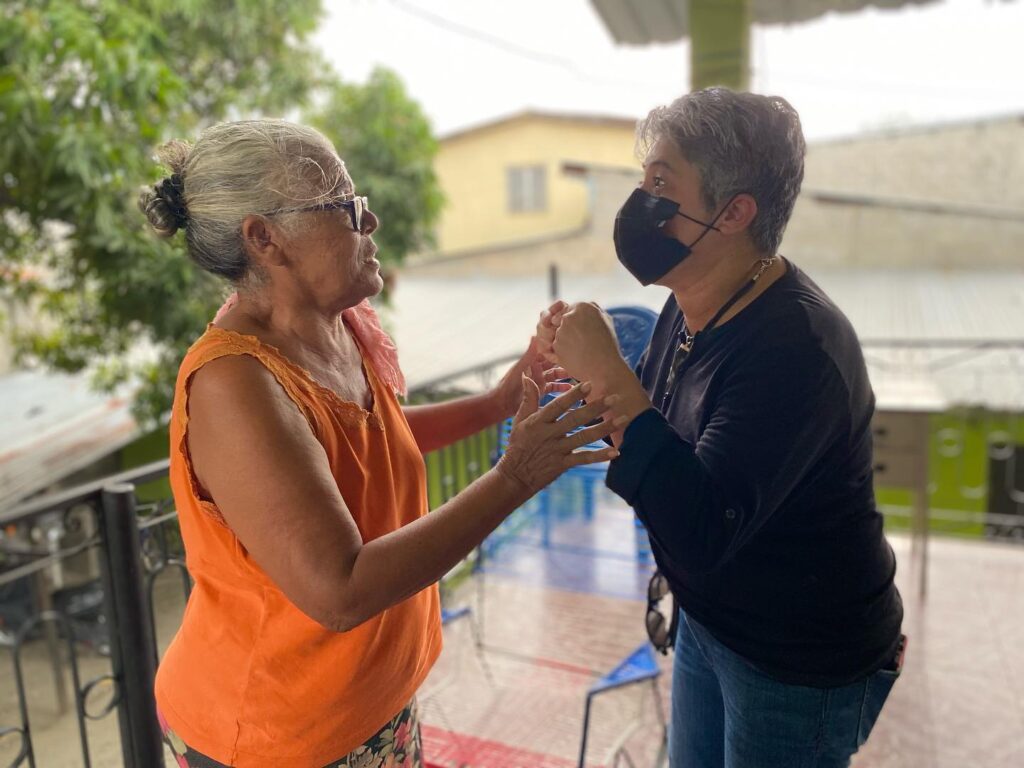
Indyra Mendoza says her inclusion on TIME's list was a surprise. “I have immense appreciation and respect for Claudia. I'm thrilled to be receiving this recognition in La Ceiba, my hometown, and in the La Independencia neighborhood, where I grew up and where we're celebrating 100 years of history,” said the Cattrachas coordinator.
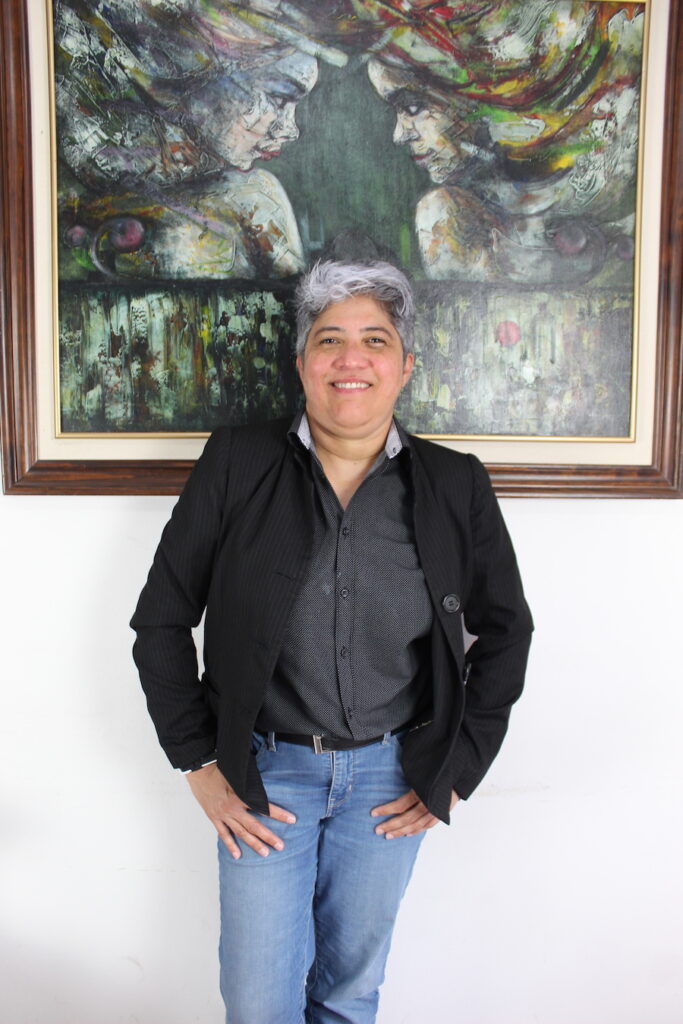
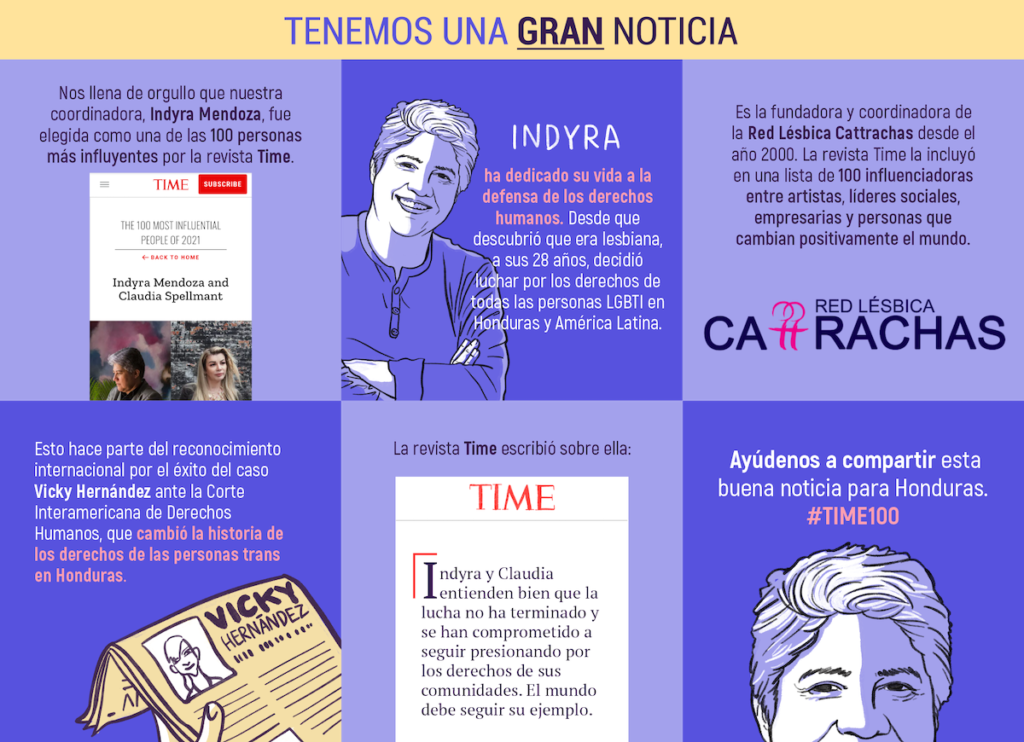
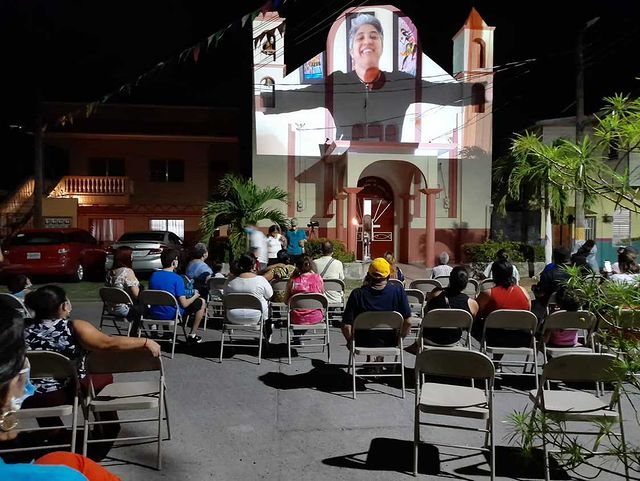
On Monday night, residents of the La Independencia neighborhood in La Ceiba, on Honduras' Atlantic coast, paid tribute to prominent members of the community. Among them was Indyra Mendoza, whose face was projected onto the facade of the local church.
“I’m from this neighborhood, and I was raised here. This community has a strong social fabric [La Independencia neighborhood in La Ceiba]. I was raised here, and several influential people have come from here. The people who have come from this neighborhood are honorable and respect everyone’s rights,” she said with emotion. “My family is happy, and the people of Cattrachas are too. This is an achievement for everyone,” she commented.
Mendoza said she was proud to have learned of her inclusion on the TIME list while in her hometown, among her loved ones and longtime friends.
In TIME's list, Mendoza and Spellmant appear alongside important personalities such as the Cuban Luis Manuel Otero Alcántara, a performance artist and Cuban dissident, known for his public performances.
The Honduran women are also joined on the list by the president of the Constitutional Convention, Elisa Loncón of Chile . It is highlighted that “for the first time in history, Indigenous peoples are participating in the life of the State as representatives of their nations of origin, and President Elisa embodies centuries of their dreams and struggles.”
Furthermore, TIME includes on its list Prince Harry and Meghan, the Duke and Duchess of Sussex, singers Britney Spears, Billie Eilish and Lil Nas X, gymnast Simone Biles and Salvadoran President Nayib Bukele.
TIME's list usually comes out in May, but it was delayed due to the pandemic and was published in September, five months later.
We are present
We are committed to journalism that delves into the territories and conducts thorough investigations, combined with new technologies and narrative formats. We want the protagonists, their stories, and their struggles to be present.
SUPPORT US

FOLLOW US
Related notes



We are present
This and other stories are not usually on the media agenda. Together we can bring them to light.