

Farewell and tribute to trans activist Lourdes Ibarra in Jujuy
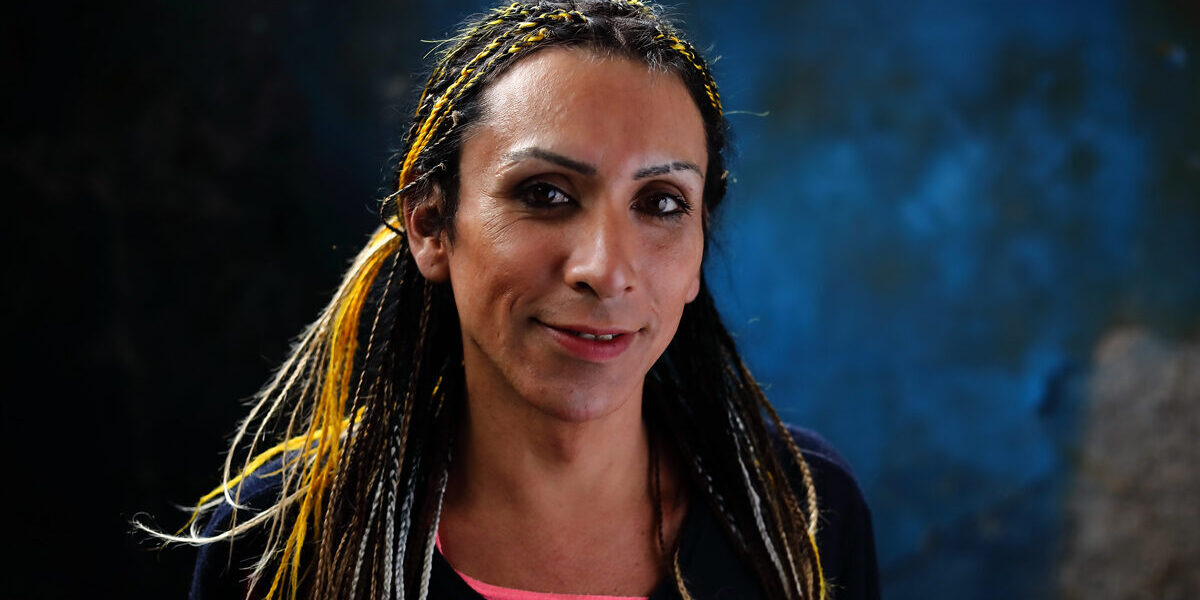
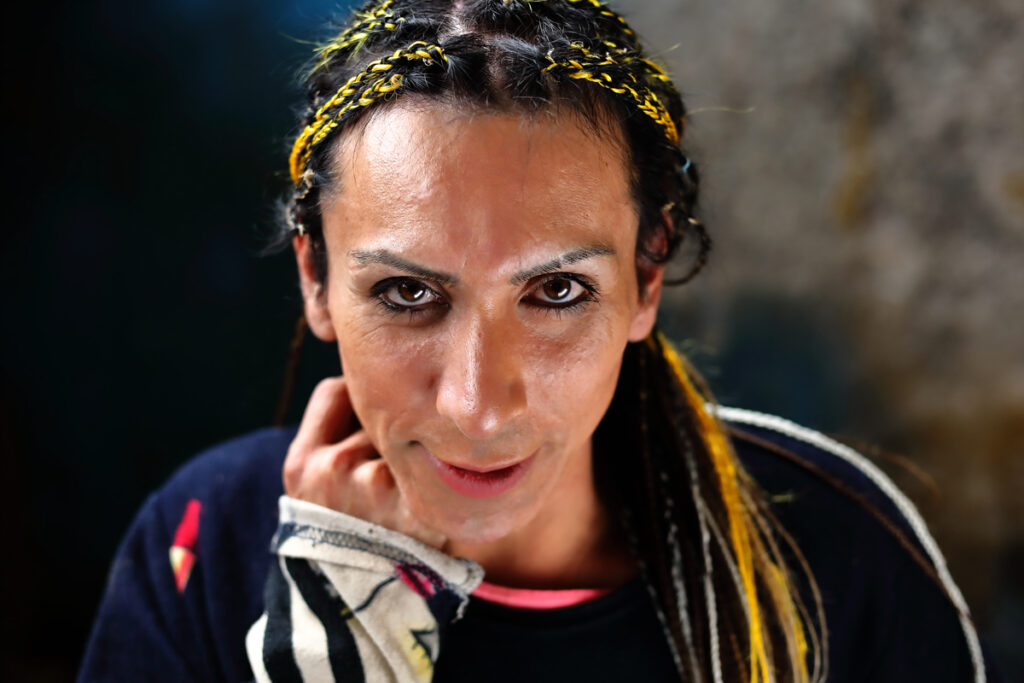
Lourdes Ibarra was 36 years old. A defender of transgender rights, she died in the Palpalá hospital, where she had been mistreated so many times and where she had worked tirelessly against discrimination. She was honored yesterday with a communal meal and criticism of the Jujuy provincial government. The police attempted to issue her a citation for the ceremony.


Share

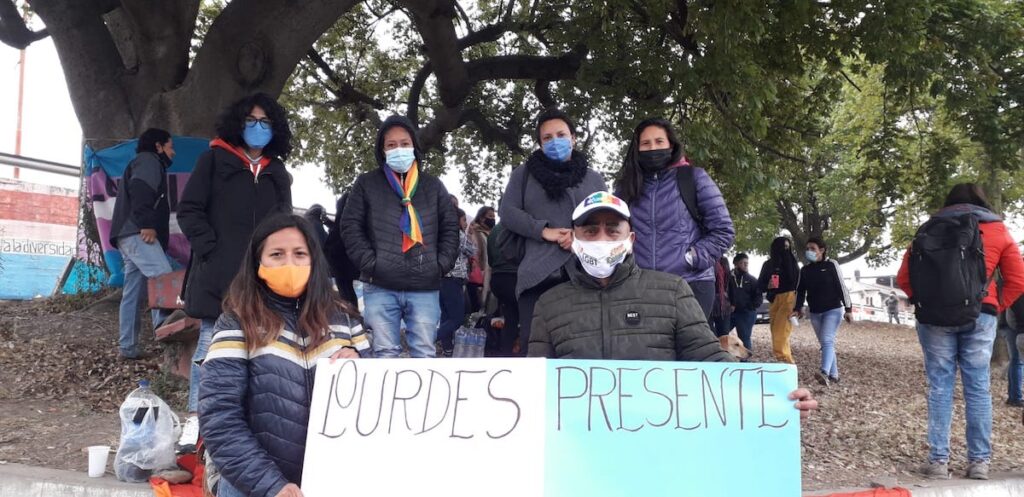
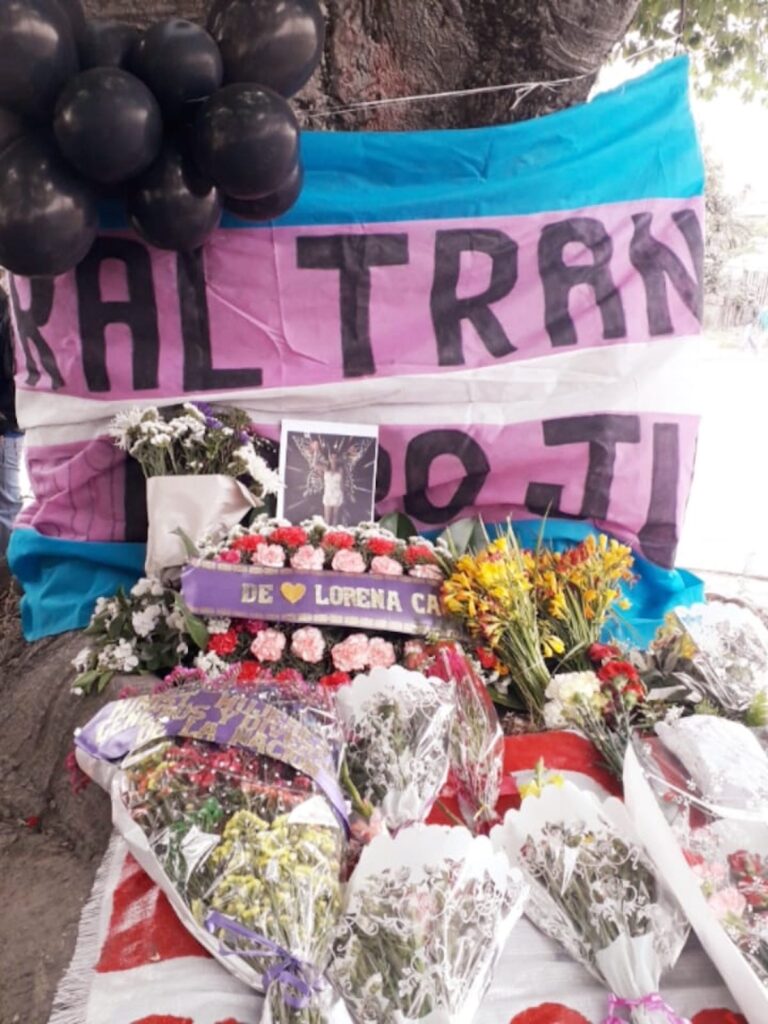
Lourdes Ibarra, a prominent activist for LGBTQ+ rights and one of the founders of the Damas de Hierro (Iron Ladies) Foundation, passed away Monday afternoon at the age of 36 in her home in Palpalá, Jujuy, after a battle with cancer. Sister organizations and human rights groups gathered yesterday to bid her farewell at the Espíndola Bridge plaza in Palpalá, near the family home where she had lived her entire life.
A communal meal was prepared there, and a memorial shrine was set up in her honor.
The farewell was marked by criticism of Gerardo Morales's government, which they claimed abandoned her during her illness, and of the Jujuy health system, which they publicly denounced for acts of mistreatment and discrimination based on Lourdes's gender identity. But the central focus of this community ceremony was to remember Lourdes's joy and energy, and to commit to continuing the path she forged with her life.
Born into a close-knit family that always supported and respected her identity, Lourdes Ibarra completed her higher education, graduating as a theater teacher. However, she was never able to teach, precisely because of discrimination, as Sara Correa, general coordinator of Damas de Hierro and resident of San Pedro de Jujuy, and Jorge Wierna, of the NOA Diversa Civil Association, recalled to Presentes.
Lourdes' struggles for equality
Lourdes began her activism at age 14, alongside Wierna, with whom she formed the first organization fighting for the rights of people living with HIV/AIDS. The following year, “in 2001, we established the first civil society organization fighting AIDS at San Roque Hospital, the Ayni Civil Association.” She was a member of the first founding board, recalled Wierna, for whom the young activist's death “is a great loss for Jujuy, and for the country.” In 2003, Lourdes took charge of Ayni at Gallardo Hospital in Palpalá, the same hospital where she received treatment while battling the disease.
This was followed by a period of learning and activism for the rights of transgender people in the northern province. Along the way, she met Sarita Correa, and also Dayra Vigabriel, co-founder of Damas de Hierro (Iron Ladies). “We’ve known each other since we were 18, and we’ve never let go of each other’s hands since. She was like a sister to me,” Dayra recalled. She described her as “a great friend, a great companion, a great fighter who opened this space for me and made me dream that one day we would have a foundation, and we did, we achieved it. She was nationally recognized, she did so much and had so much more to do, but cancer took her from me.”
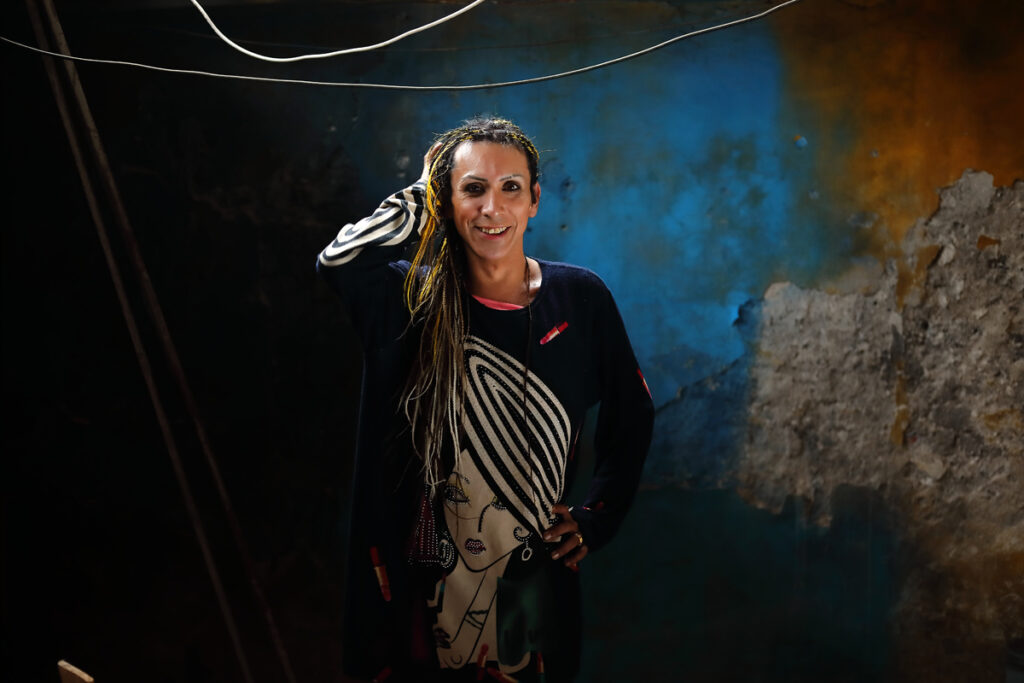
Sarita Correa met her “six or seven years ago” through activism, and they have shared struggles ever since. The most recent was the Trans Memory Rally , in which Lourdes only participated briefly at the end, already weakened. In addition to remembering trans women who were victims of violence, they demanded the approval of a trans employment quota and its implementation in the municipality of San Pedro, the only one whose City Council approved this right in 2018, but “so far there isn’t a single trans woman working.”
Sarita also highlighted Lourdes' personality: "She was a very cheerful, intelligent, well-prepared person, with an education, she was a theater teacher" and she excelled in developing projects.
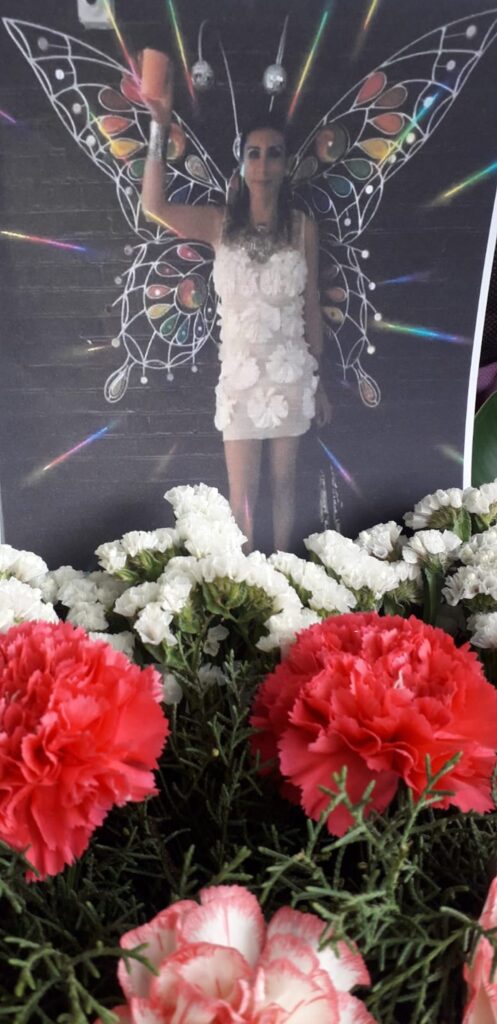

Promoter of the trans employment quota in Jujuy
“We’ve always interacted, especially regarding prevention campaigns,” initially about HIV/AIDS, and together with other emerging organizations, they joined forces to fight “for legislation in the Legislature.” “Lourdes was one of the driving forces, along with us, behind the introduction of the trans employment quota law in the province of Jujuy, which to this day we haven’t been able to get approved, because it was presented several times and rejected by the current government,” Wierna recalled.
Just over a year ago, she had been incorporated into the Provincial Council for Women and Diversity of Jujuy, “in theory, within what would be the trans job quota, supposedly adhering to the decree issued by the President. Through that, she was able to incorporate two more colleagues from Damas de Hierro,” said Wierna, who also described her as “a very bright person, with a lot of energy, a lot of strength.” “A real fighter, always looking out for others.”
“She was a great comrade, extremely active, a fighter for causes, and always seeking equality for her peers, raising awareness about rights. She was always involved in different organizations until she managed to establish her foundation, Damas de Hierro (Iron Ladies). There she began to bring together several trans women, seeking to empower them and make visible their very sad stories,” who “lack public health, lack work; there she also raised the banner of the fight for trans quotas, and she became involved with different political forces. In the last provincial election, she was a candidate for councilor in Palpalá for the ruling party,” described Mariana Mamaní, a journalist from Jujuy.
Mamaní added that she also worked to “raise awareness about transgender children , speaking with healthcare teams to help parents.” “With great affection and love, she supported many mothers and fathers, guiding them through the process of the famous gender identity law, which she said, ‘We have a law, but it needs to be implemented.’” Lourdes legally changed her gender identity in June 2012 and received her national identity document that same year: “I felt that this event changed my life because it’s about recognizing yourself as you perceive yourself,” she later recalled in an interview with the Télam news agency.
Lourdes was also one of the driving forces behind the first trans house in Jujuy, run by trans people, through the Iron Ladies Foundation. It opened in February 2020 in Palpalá, 15 minutes from San Salvador, with the aim of providing shelter for trans women from other towns.
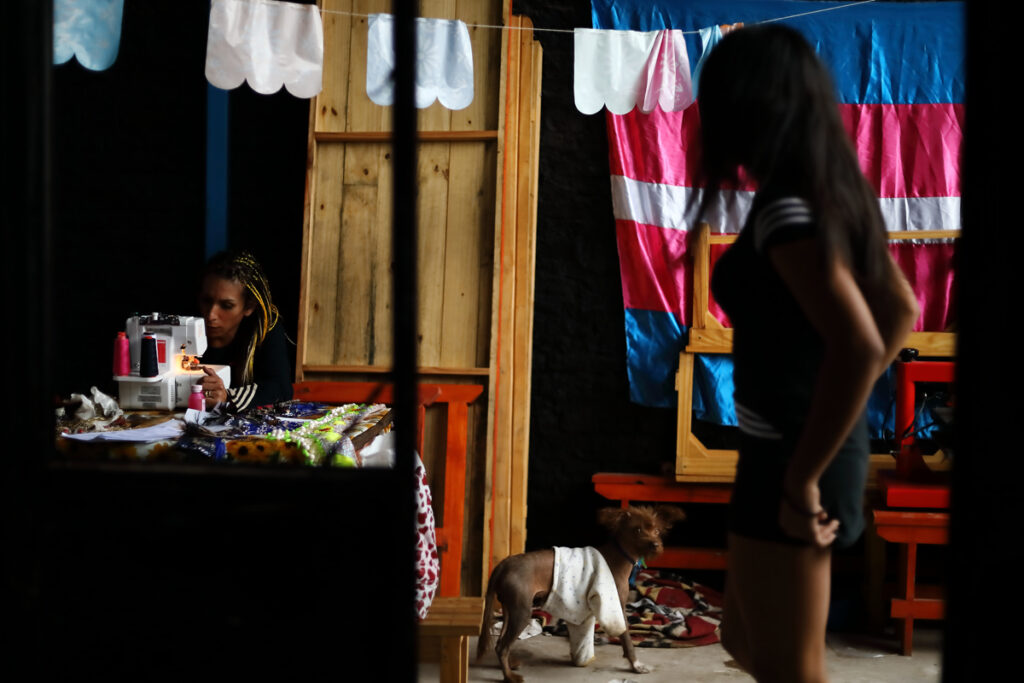
“She was abandoned by the State”
Wierna announced that trans organizations in Jujuy are considering filing a formal complaint against the provincial government because they believe Lourdes Ibarra was abandoned. “She was practically abandoned by the provincial government throughout this difficult ordeal (with her illness). She asked for help and was refused all assistance. They never offered any kind of help,” she stated.
According to Wierna, this situation was the most terrible for Lourdes. “What was worst for her was this abandonment by the State, by her colleagues at the Women's Council,” she said, adding that this was compounded by “everything she had to endure” within the healthcare system, “situations of violence and mistreatment every time she ended up in the emergency room at Gallardo Hospital.” This was especially painful for her because she had worked extensively on prevention and awareness campaigns regarding the treatment of transgender people at this healthcare facility. Wierna stated that out of respect for the family, and especially for the mother, “who is suffering the most,” they will wait a few days “to see what legal action we will take against the State for this situation.”
Lourdes was admitted to the Gallardo Hospital last Monday at noon, where she died shortly after 4 p.m. Until then she had been at home, because "She didn't want to know anything about hospitals anymore, and even less about the emergency room because she always had the same problem: they didn't attend to her, they took a long time to attend to her, and her condition was quite complicated."
In the list of the State's debts to Lourdes Ibarra, it was noted, as with Sarita Correa, that she was never able to teach. "She passed away without achieving her dream of teaching theater," it was said. And it was recalled that she was a "very good actress," having staged plays such as "Raquel," "A Date with a Surprise," "Sugarcane Embraces," "Microtheater of the Sexes," and "I Am," all of which focused on the LGBTQ+ community. She was recognized for her art, which she transformed into another form of activism.
“And despite having a degree and everything, she was never able to practice her profession simply because she was trans. She would always cry and tell us that, despite having a degree and everything, she was never able to practice her profession, and sometimes, even though she had more or higher scores than other colleagues, they wouldn't hire her simply because she was trans,” Correa added.
In this somber atmosphere, the Jujuy provincial government made its presence felt yesterday at the gathering held in the plaza to bid farewell to Lourdes Ibarra. There, the police attempted to issue a citation for an alleged infraction against the Iron Ladies. This action was prevented by the presence of a lawyer and the arrival of provincial deputy Leila Chaer, but it sparked anger at a particularly grief-stricken moment.
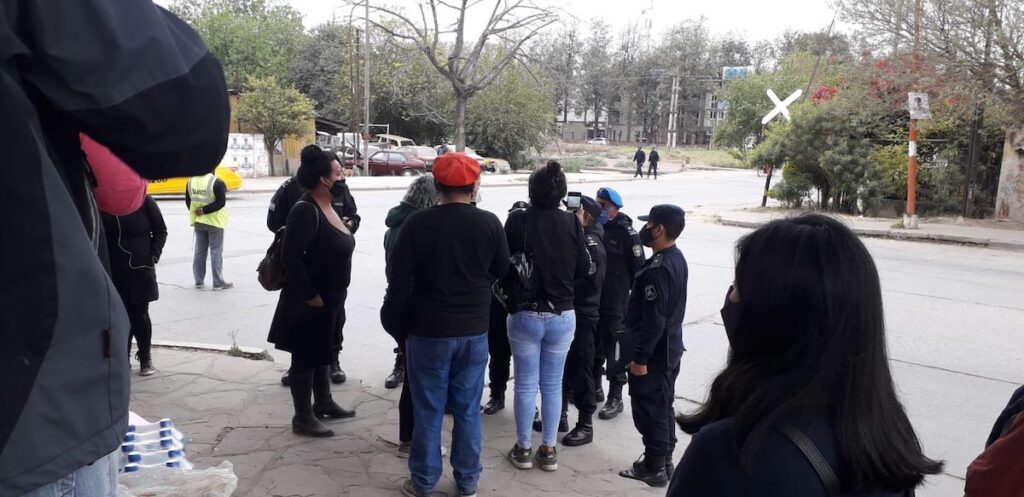
Wierna recalled that they had asked the government to support them by donating meat to offer a meal "to the women from all over the province who came to say goodbye to her," but they received no help and, instead, "The police tried to chase us away, but we resisted," Vigabriel said.
Wierna added that this attitude from the Jujuy government doesn't surprise her. “It's not the first time this has happened. It already happened to us with our comrade Aylén Chambi,” a trans activist who died in October 2014. “She didn't even have a coffin, her gender identity wasn't recognized” in the funeral insurance. “We had to ask for help, and the one who ended up providing the coffin and paying for everything was Milagro Sala. And now Milagro Sala isn't here, because if she were, I'm sure she would have done everything possible to ensure that Lourdes was not only better cared for, but properly cared for as she should have been, because she didn't even have an assistant or a nurse. The few people who came to help with Lourdes's care were close friends, people who knew her very well, loved her very much, and came to help,” she said.
In March 2018, the Iron Ladies Foundation, together with the Provincial Directorate of Statistics and Census (Dipec), promoted the first census of transgender women in Jujuy. The data obtained revealed that, out of a total of 163 transgender people, the majority were in a “high degree of vulnerability” due to a lack of access to housing and formal employment.
With the flags and projects of Lourdes
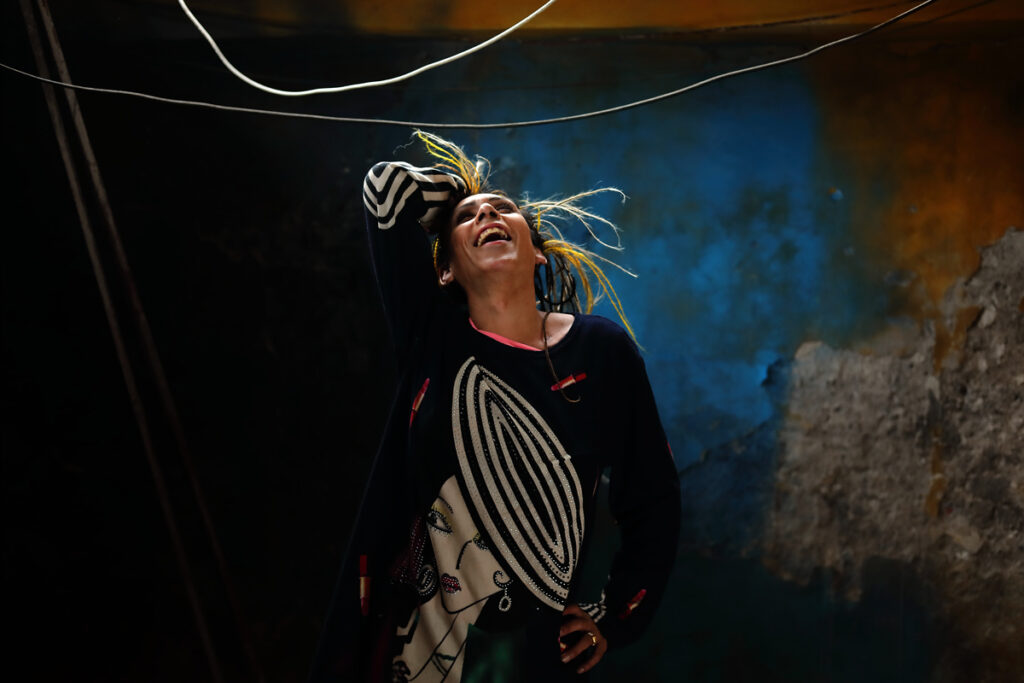
Mamaní believes that Lourdes' work "will remain in each of the organizations across different political spheres, and that those ideals will continue to resonate strongly here in Jujuy. She was a great role model." Vigabriel agreed, emphasizing that the foundation will continue the activism. "This fight continues. This legacy will live on. I'll have to take the lead with the women. I know it will be difficult now that she's gone, but we have to carry on; there's no other way," she affirmed.
The Foundation is currently working on the Trans Nodes project, a kind of branch office of the Foundation, which has already been established in San Pedro, San Salvador, Monterrico, Perico, and “soon in Ledesma (Libertador General San Martín).” These nodes provide support and counseling services to transgender people.
Correa added that they will continue fighting for the approval of the trans job quota in the province, and in each of the municipalities, “as it should be, respecting our community.” She said that this project and the Trans Hubs project “are the two projects that Lourdes left me to finish.”
According to Wierna, by securing her inclusion on the Provincial Women's Council, Lourdes and the allied organizations succeeded in getting the Jujuy state to de facto recognize the gender identity law, although it has not yet been implemented in the province. "And this is one of the activities, goals, or objectives that Lourdes and I will be pursuing before the Pride march in November."
In Eva, a short film directed by Dana Gómez, Lourdes Ibarra worked doing what she wanted: being an actress.
We are present
We are committed to journalism that delves into the territories and conducts thorough investigations, combined with new technologies and narrative formats. We want the protagonists, their stories, and their struggles to be present.
SUPPORT US

FOLLOW US
Related notes

We are present
This and other stories are not usually on the media agenda. Together we can bring them to light.
1 Comment