

For trans people in Paraguay, the state's response is prison.
Transgender people are the most vulnerable group in Paraguayan prisons. The prison system exacerbates discrimination that already exists in society against the LGBTI population in general, and against transgender people in particular.


Share

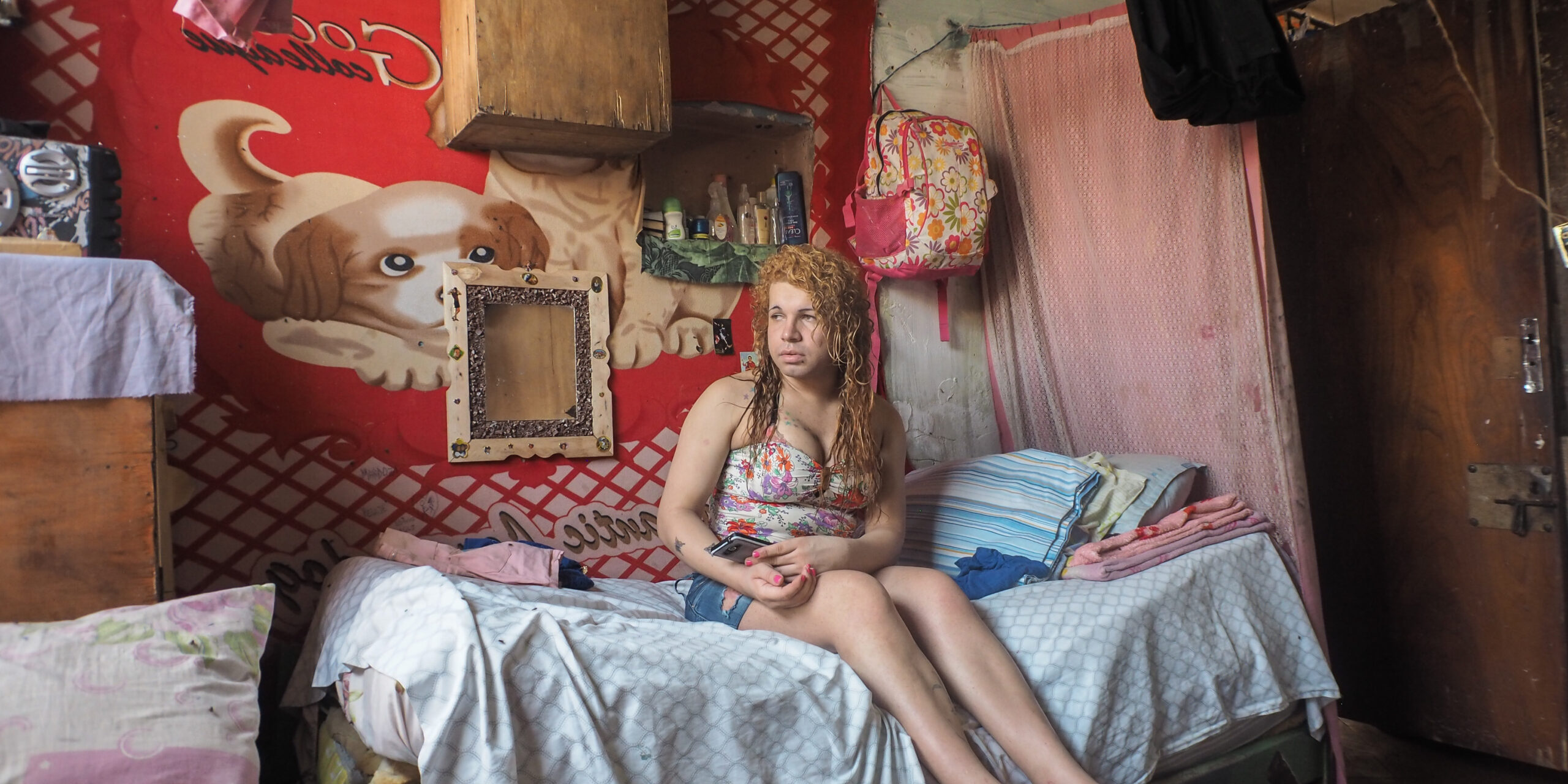
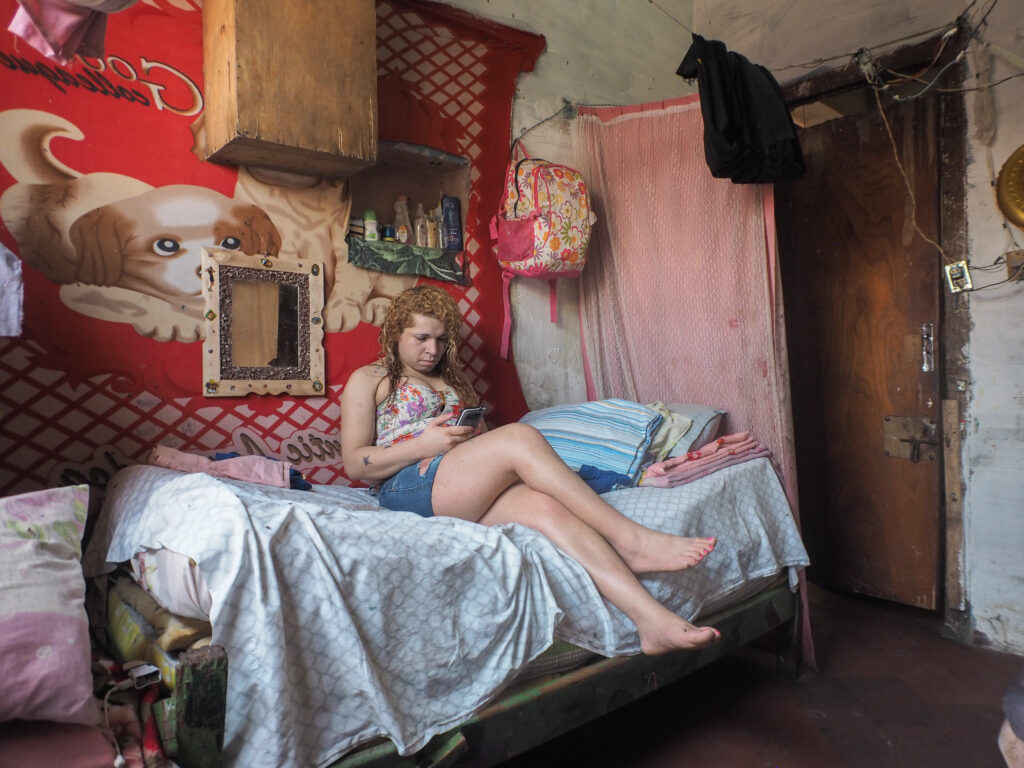
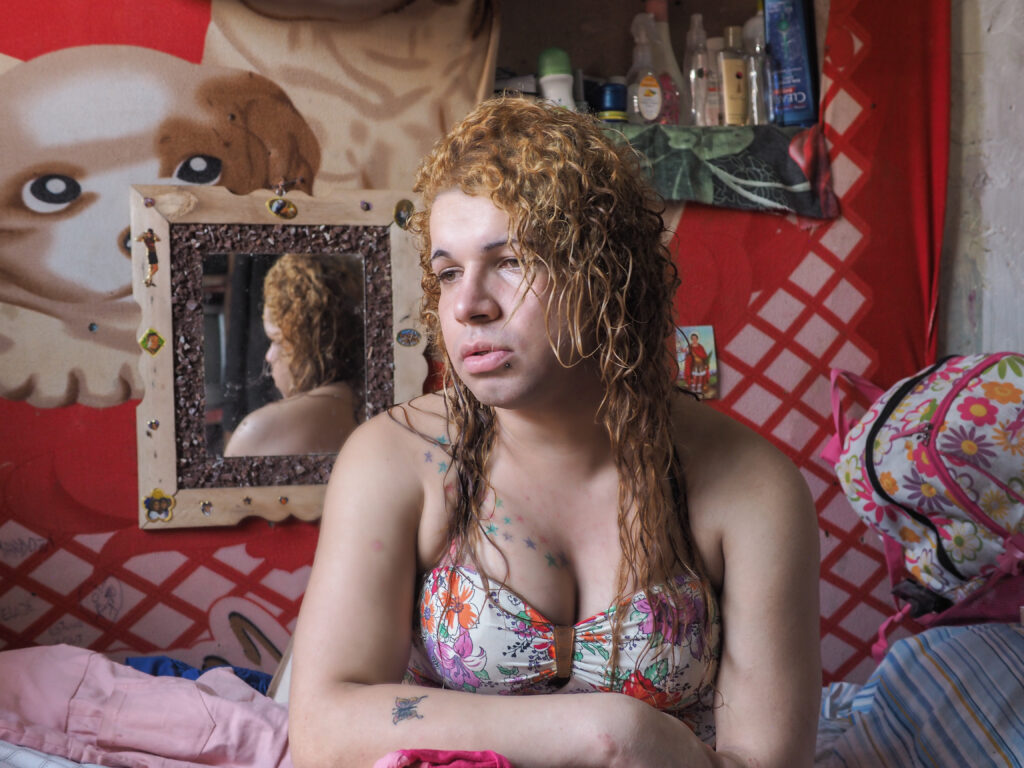
Yanina Monserrat is 21 years old and is 13 days away from being released from prison, but she says it in a low voice so that no one finds out: "Anything can happen."
In 2014, when Yanina entered the Emboscada National Penitentiary, a prison guard hit her on the back with a wooden baton and cut her hair short. On another occasion, he locked her up with 17 other inmates. They almost raped her. “There were about 20 of us, including two trans people, but he only hit me and cut my hair without saying a word. I threatened to report him, and he told me my complaint wouldn't do any good, so I just kept quiet,” Yanina recounts two years ago.
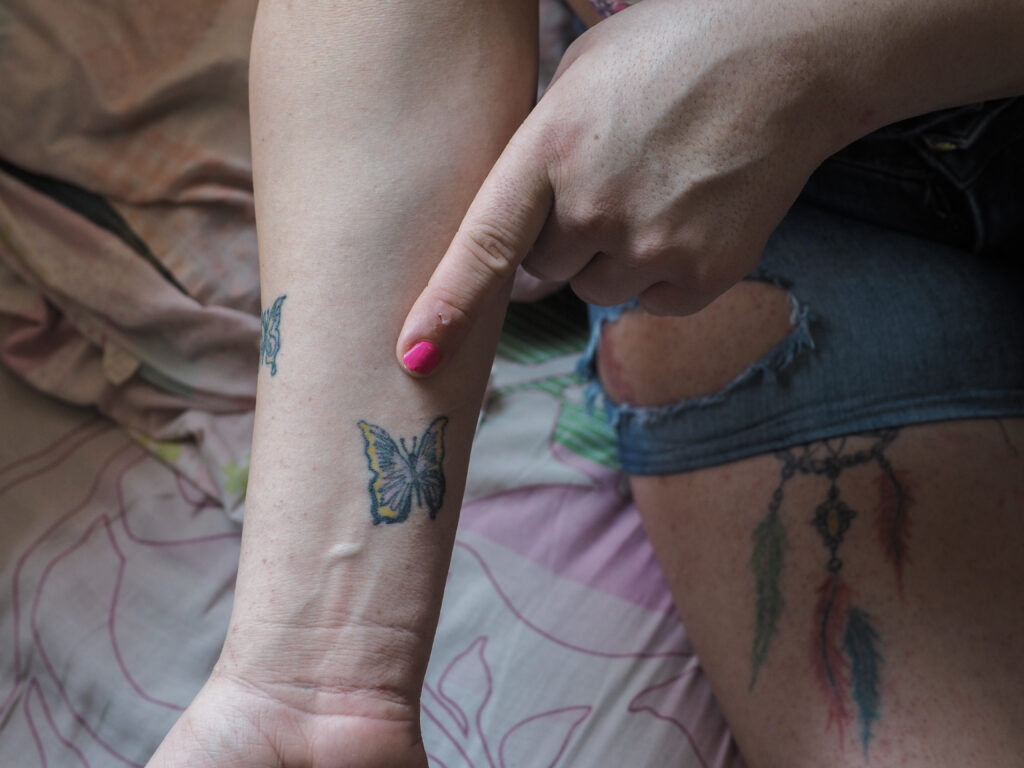
The prison guard beat her on the back, feet, and arms with a baton. Yanina showed her mother the marks on her body, but she refused to file a report. Worse than that was being sent to another prison. Forcing them to change their clothes and cutting their hair are among the most common forms of discrimination and violence within prisons. So are arbitrarily transferring them to other prisons, negotiating their cells with third parties, and subjecting them to exploitation, abuse, and rape.
Trans people have historically been subjected to social exclusion, transphobia, and human rights violations. And not only in Paraguay. Anyone detained is subjected to torture, held in inhumane conditions, in overcrowded and cramped facilities. Where one person is supposed to be, there are more than five, and if you don't have basic necessities, you sleep on the floor, eat rotten food, or go hungry.
According to data from the National Preventive Mechanism (MNP) in mid-2020 , Paraguay's prison population reached 13,925 inmates. Of these, according to the Ministry of Justice, at least 37 are transgender people nationwide. The majority of transgender people are imprisoned without a conviction, but this situation also extends to the rest of the prison population: 71.7% of those deprived of their liberty in Paraguay have not been convicted. However, transgender people are exposed to a system characterized by a strict division between the sexes, based on a binary and heteronormative logic, which doesubly violate their rights because they are transvestites and transgender.
Prison guards, the first agents of violence
“You have two parallel systems, more or less. There are the laws, the regulations, the protocols, but how the prison actually works is another matter. It all depends on the prison guards. If you talk to the wardens, even the most well-intentioned ones will tell you that there’s nothing they can do about it,” reflects Mirta Moragas, a lawyer and feminist activist. She has worked directly with incarcerated lesbians.
Transfers are another way of wielding power. If a prisoner is from Asunción and is arrested, the prison guard might decide to send them to the department of Concepción (300 km from the capital) simply because they don't like them. There, they lose contact with their support networks, such as family, and with human rights organizations that monitor prison conditions and secure resources.
Yren Rotela is a trans activist and human rights defender who has worked for years in close collaboration with the Ministry of Justice, through the Directorate of Attention to Vulnerable Groups and Human Rights. She explains that sometimes, in confinement, the lack of plans, projects, or activities that support mental health and help with reintegration can weaken social cohesion.
“There are often problems among them. I receive complaints that, when they have a cellblock, those cellblocks or cells are often sold, so they end up being in the corridors. And being in the corridors also presents many difficulties. That's why these transfers are made, and often, in search of a cell or a cellblock, they leave,” she points out.

Officials receive no specific training regarding human rights. “Often, in prisons, they are forced to cut their hair or dress as men. As long as they remain in men's prisons, it will continue to be a problem because they are the most vulnerable and most violated link. They are constantly victims of attacks, aggression, and discrimination,” Dante observes.
The former commissioner of the National Preventive Mechanism (NPM) agrees that prison guards are the main perpetrators of violence, but acknowledges that there are different sectors within the prison that are generally managed or exploited by other inmates. “In the accounts I specifically recall, many of them reported having been victims of discrimination, attacks, or violence at the hands of other inmates. Often, this was in collusion with the guards, and other times, it happened outside the prison walls,” he clarifies.
“The answer is always confinement”
“I used to send drugs on request,” Yanina says, lying on her bed staring into space. “A guy told me he was selling them, but one of my jealous friends gave me a headache . If they wanted a box of crack and three of cocaine, I’d deliver them; they’d give me the money, and I’d hand them over. But the other one robbed a guy, and they took me to the police station because I was with her. They searched me there and found a phone and 800,000 guaraníes. They found the drugs in my purse.”
Yanina was arrested in 2014 for being an accomplice to aggravated robbery. She was sentenced to eight years, but after appealing, her sentence was reduced to five, and she was released in 2019. At that time, there were 15 transgender women incarcerated in Tacumbú prison. Five of them were Yanina's friends; she only exchanged greetings with the others, and that was about it. She liked to watch movies and soap operas and listen to music on YouTube. The warden lets her use her cell phone, even though it's prohibited. She uses it to video call her grandmother and listen to Natti Natasha.

“They give us prison; they don’t give us, for example, house arrest or other alternatives. The answer is always incarceration ,” says Yren Rotela, a trans activist and human rights defender. “That’s what happens when a prosecutor charges us with stealing 100,000 guaraníes (US$15). I’m not judging the act itself, but the judicial process. We don’t fall under the principle of presumption of innocence, because we’re always considered guilty. And that has to do with the prejudices, discrimination, and taboos that permeate this entire judicial system,” she maintains.
Just as outside prisons, inside, transgender people are particularly affected by the structural problems that characterize the country's prisons. Overcrowding, corruption, and self-governance by inmates increase the vulnerability of a group already exposed to all kinds of abuse.
Tacumbú prison, a risk for LGBTI people
Tacumbú prison has the highest levels of overcrowding and overpopulation in the entire country, posing a risk to LGBTI detainees. As early as 2013, both the National Preventive Mechanism (NPM) and the Inter-American Commission on Human Rights (IACHR) pointed to the deficient material conditions in which transgender people detained there are held, in addition to the violence and discrimination to which they are exposed. This is detailed in a document coordinated by the Association for the Prevention of Torture (APT) , based in Geneva.
“The prison is whatever the guards want and organize it. And there are privileges there too, which are obviously based on class, and there is a lot of violence against trans people. It’s a parallel world, and in that world, trans people always end up losing. The most vulnerable on the outside are the most vulnerable on the inside. Because the only thing that makes me equal, eventually, is money,” says Mirta Moragas.
However, a strange phenomenon of overrepresentation of the LGBTIQ+ population occurs in prisons. On April 30 of this year, the Ministry of Justice, through Resolution No. 302, approved the inclusion of the “LGBTIQ+” category on the daily report form for penitentiary establishments. The daily prison report distinguishes between foreigners, Indigenous people, and people with disabilities, and now it also includes an LGBTIQ+ field. “Nobody acknowledges that we exist, but in prison they do recognize us,” says Moragas.
A protocol for the care of transgender people.
On August 24, 2015, the Protocol for the Care of Transgender Persons Deprived of Liberty , and is currently in effect under Resolution No. 744 of the Ministry of Justice. It establishes the objective of improving care for transgender persons deprived of liberty and guaranteeing non-discriminatory treatment. It also stipulates that transgender persons deprived of liberty must not be subjected to any degrading acts, that they must be guaranteed access to healthcare, that their chosen names must be recorded, that statistical data must be generated, and that staff must be trained in the appropriate treatment of transgender persons.
“There was an outreach from human rights organizations to the organizations in general. But even though the number of LGBTI people was recorded in the daily report, there wasn't an organized list to easily identify people or to follow up with them. Another issue is that the protocols may be very nice, but they aren't followed,” Leguizamón observes.
In April, the Ministry of Justice announced it would open a pavilion at the Padre Juan Antonio de la Vega Penitentiary exclusively for transgender people. The goal is to reduce discrimination among prisoners. Víctor Manuel Benítez Salinas, Director of Attention to Vulnerable Groups, told Presentes that, sometimes, because prisons are overcrowded, pavilions exclusively for transgender people are not assigned.
“There is a commitment to support. On one hand, myself, as a human rights defender, the trans and travesti organizations of Panambi, and the LGBTI comrades of the Paraguayan Network of Sexual Diversity (Repadis). The pavilion is still a request that has been made insistently because we believe it can be one of the ways to improve the living conditions of people deprived of their liberty and with that real social reintegration in mind,” says Yren.
Forgotten during the pandemic
The COVID-19 pandemic exacerbated the already existing situation for people living in prison. Among the negative effects on the enjoyment of rights by transgender people are the lack of personal hygiene items, access to drinking water, health services, food, and physical space.
According to the 2020 report by the Paraguayan Human Rights Coordinator (Codehupy), the exponential increase in the prison population has remained constant over time. The structural deficiencies of the system not only expose the entire prison population to a high risk of COVID-19 transmission but also force the State to redouble its efforts to address this situation.
Marie García, from the organization Panambi, says: “In this pandemic context, everything worsened. We know that the situation of the women in prison is deplorable in itself, but it was very difficult for them to stop receiving visits. As an organization, we can no longer reach them during our visits. We were able to bring them some food supplies, but we know the situation of our colleagues in prison. Many are struggling with addiction, don't have access to their medication, and are victims of sexual exploitation.”
Moragas explains that visits are fundamental for the emotional support of incarcerated individuals. But it's all interconnected: without visits, there is no emotional or financial support, and their quality of life doesn't improve. “In the case of cisgender women, there is abandonment because, at its core, there is moral condemnation of their behavior. In the case of transgender people, almost all of them were abandoned by their families of origin.”
The families they have in practice are their own trans friends and companions. There is a widespread abandonment by their families of origin and then a replacement by trans families. “Although, theoretically, it is a public institution, everything is privatized de facto, and if you want to eat something that doesn't have worms, if you want to smoke a cigarette or something more or less decent, you have to pay,” Moragas explains.
Visits are not a privilege, they are a right, and they are essential to the emotional and social well-being of people who are incarcerated. “It’s awful because the first punishment you receive in prison for anything you do is to have your visits taken away,” she continues.
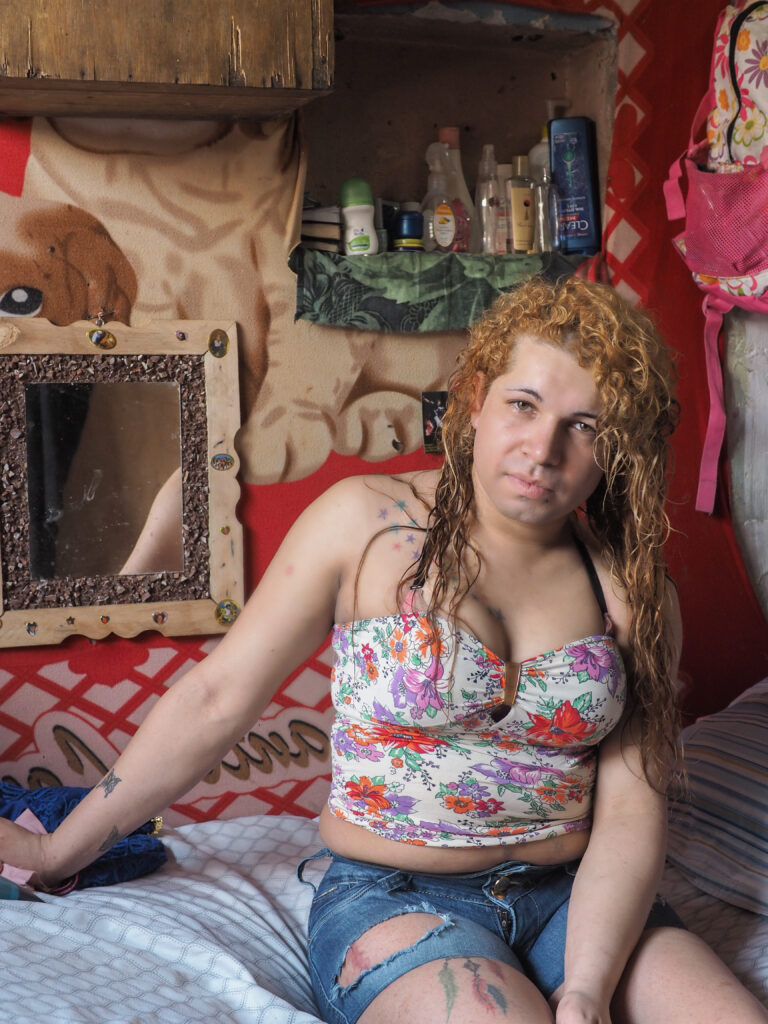
Both Yren and Marie also point to the violation of the confidentiality of transgender people's HIV status as another frequent problem during the pandemic. Because many transgender people work in the sex industry and don't want the rest of the prison population to know they are living with HIV, they don't pick up their medication and don't access treatment within the prison.
“The issue of ARVs (antiretrovirals) is an ordeal. We leave the medication there, but few will pick it up because the others find out when the officials call out their names. Or many receive it and then throw it away again. With this agreement we're working on with Panambi, Repadis, and the Ministry of Justice, I think many things will improve,” Marie believes. But it all starts with a ward.
We are present
We are committed to journalism that delves into the territories and conducts thorough investigations, combined with new technologies and narrative formats. We want the protagonists, their stories, and their struggles to be present.
SUPPORT US

FOLLOW US
Related notes



We are present
This and other stories are not usually on the media agenda. Together we can bring them to light.