

Trans childhoods and adolescences: myths and prejudices to dismantle
There are many myths, prejudices, and adult-centric views surrounding transgender children and adolescents. Luis, Sofía, and César tell us in this article how to dismantle these beliefs.


Share

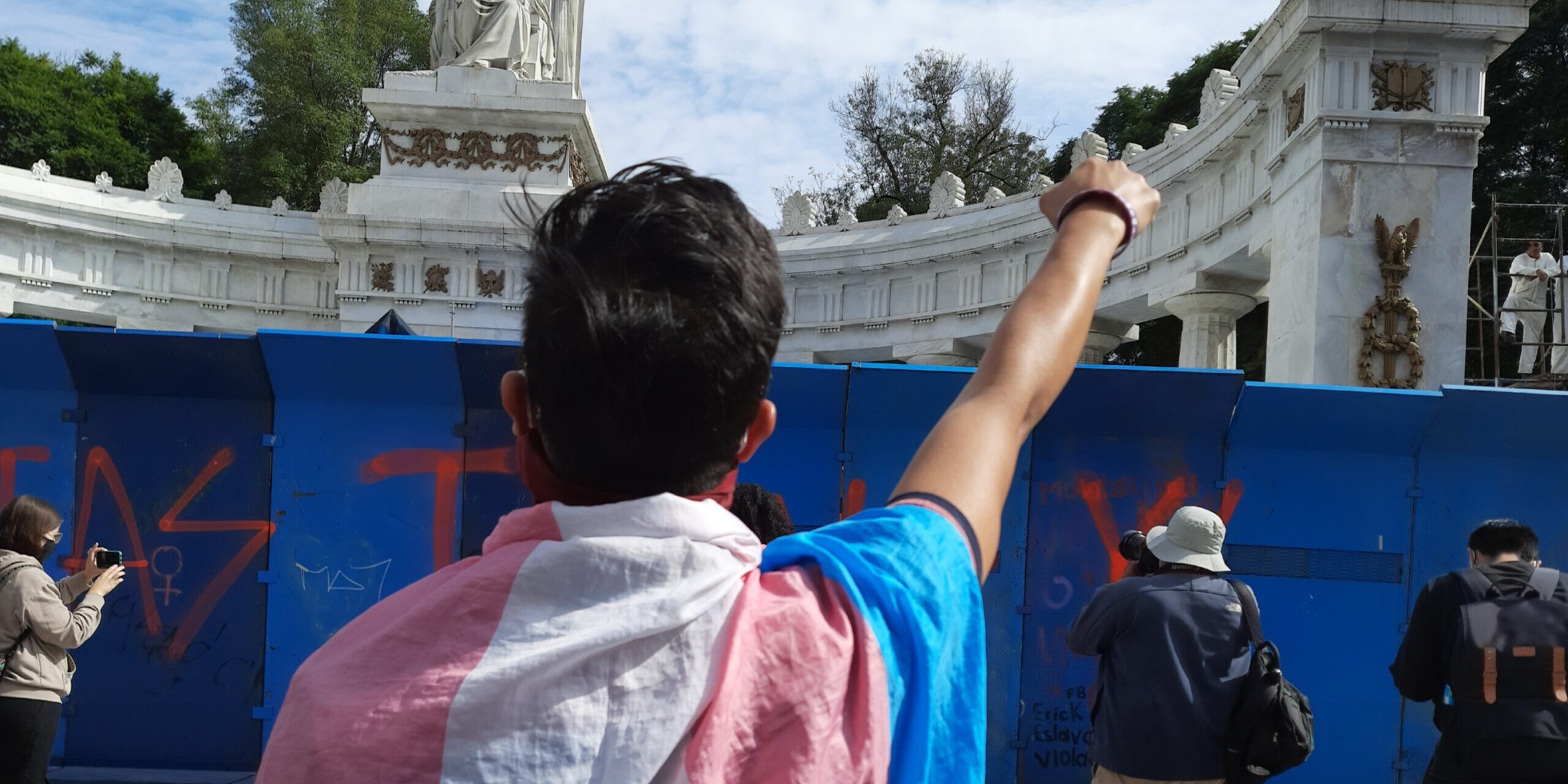
When I was five, I asked for the Ken doll with the magic beard for Three Kings' Day. I felt that toy reflected something of me; it was like seeing my dad every morning and knowing I was like him, but different. The Ken doll never arrived, not because the Three Kings (my mom) didn't want it, but because she never found it. For me, this memory is a treasure, holding a power I try never to ignore, because it was me at five years old communicating in a letter something I always knew: I'm not a woman. The word "trans" came later.
I'm sharing this because trans people are always assumed to be adults, but I was also a trans child. Because it's simple: trans childhoods exist.
I wish I could end the text here and not give any further explanations, but 25 years after that letter from Reyes I am here telling you that there are still those who believe the opposite and rely on a series of false myths to assert it, even to deny them their rights.
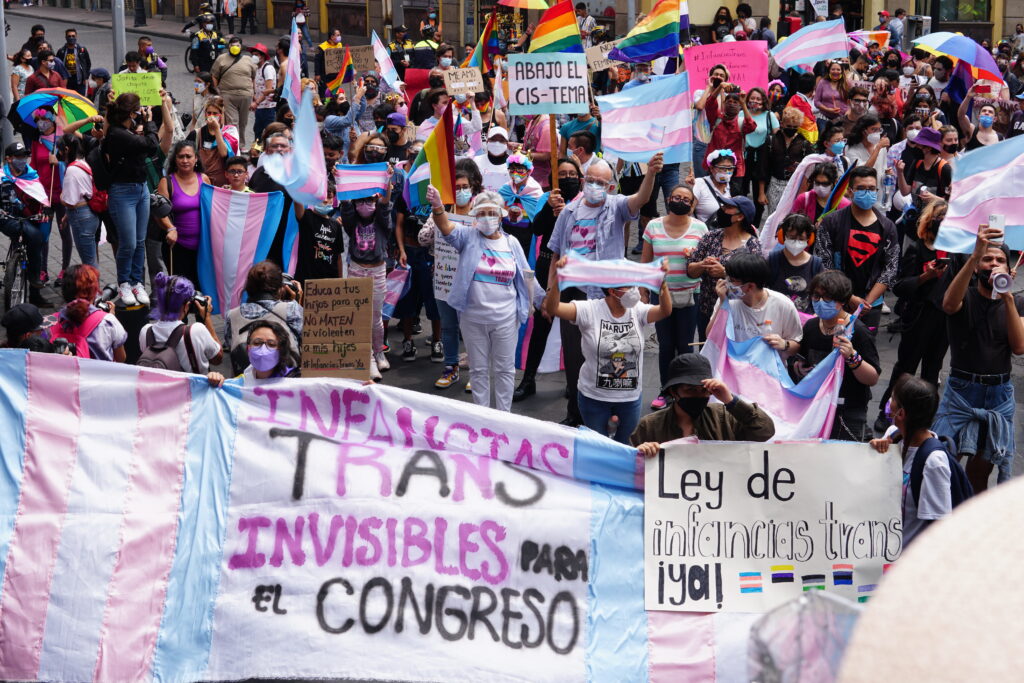
As happened with the previous legislature of the Mexico City Congress, which refused , on more than one occasion, to vote in favor of a bill seeking to guarantee the right to identity for transgender minors. But these discourses don't stay confined to the plenary session; they also spread from anti-rights groups and reach society at large.
To break with those narratives, I spoke with Luis, Sofía and César, three trans teenagers, who taught me step one: listening to trans children and teenagers.
“At their age they don’t know who they are”: false
“There are many trans people who have known it since they were little… we just don’t know how to express it, but we know who we are. In my experience, I felt that something wasn’t right with me, and I knew I wasn’t a boy from the age of four, but I didn’t know how to say it. When I was eight, I saw a documentary about a trans person and I said, ‘That’s me,’ and that’s how I was able to tell my mom, ‘I’m a girl.’”
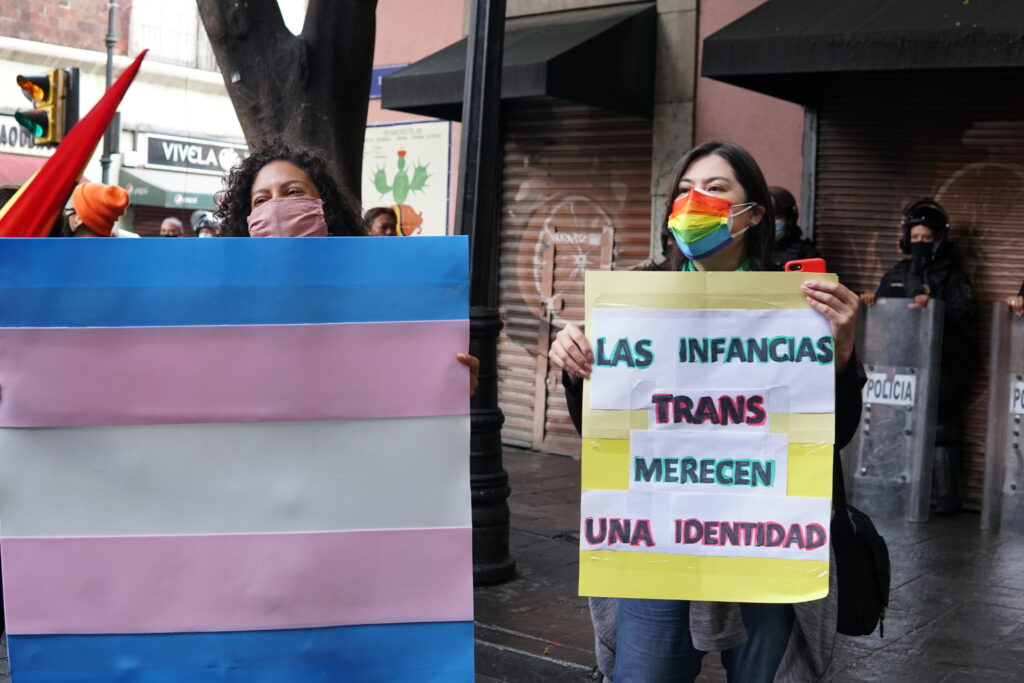
This is the experience of Sofia, who is now 16 years old. Cesar, 13, and Luis, 18, went through a similar process when they were both 11 years old, and it was the internet and a book that helped them, back then, to put into words: —I am a child.
Gender identity isn't a choice, nor is it a phase. It can't be changed or imposed. In fact, you and the person next to you both have gender identities. Everyone has one, and we don't choose it; we simply live and express it.
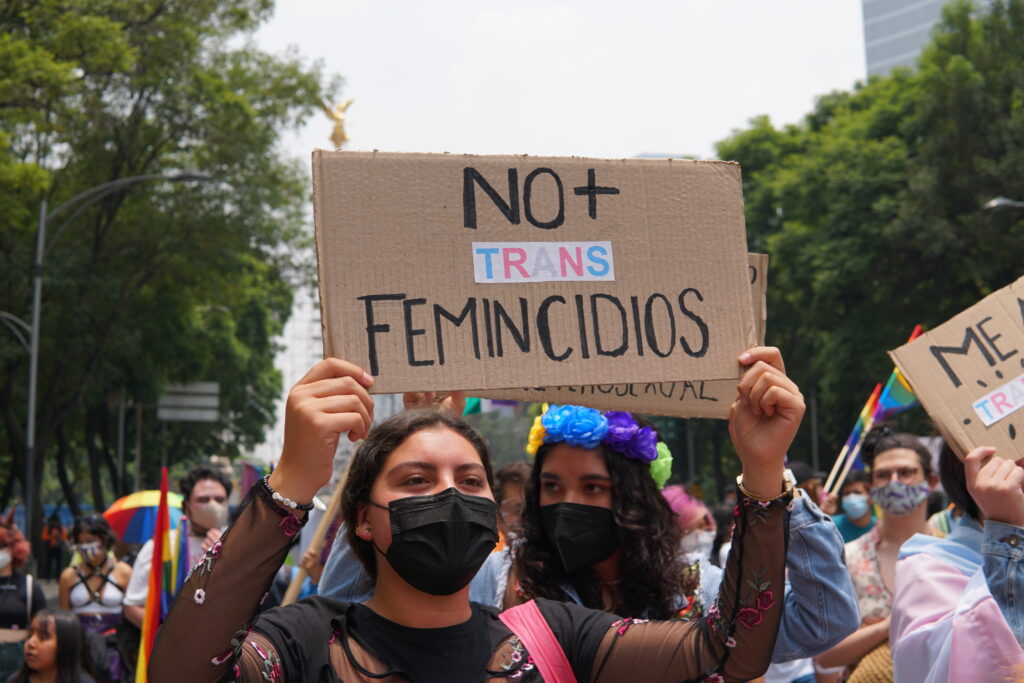
According to the National Population Council ( CONAPO ), of the 6.8 million adolescents between 13 and 14 years old living in Mexico, between 1.2% and 2.7% have a gender identity different from the one assigned to them at birth, that is, between 81,000 and 183,000 adolescents.
And it's likely that many of those teenagers have heard phrases like "you're confused," "you're not mature enough to know who you are," "you're not old enough to decide." At least César, Sofía, and Luis have heard them, in an attempt to make them understand that because they are minors, they supposedly lack the capacity to know who they are.
Luis is a co-founder of the Association for Transgender Children and, based on his life experience and activism, explains that the false idea that children "are not capable of understanding who they are" is something that has been very difficult to change in legislation, because, he says, "it is a reflection of how patriarchal and adult-centric power hierarchies operate on trans children, adolescents and youth."
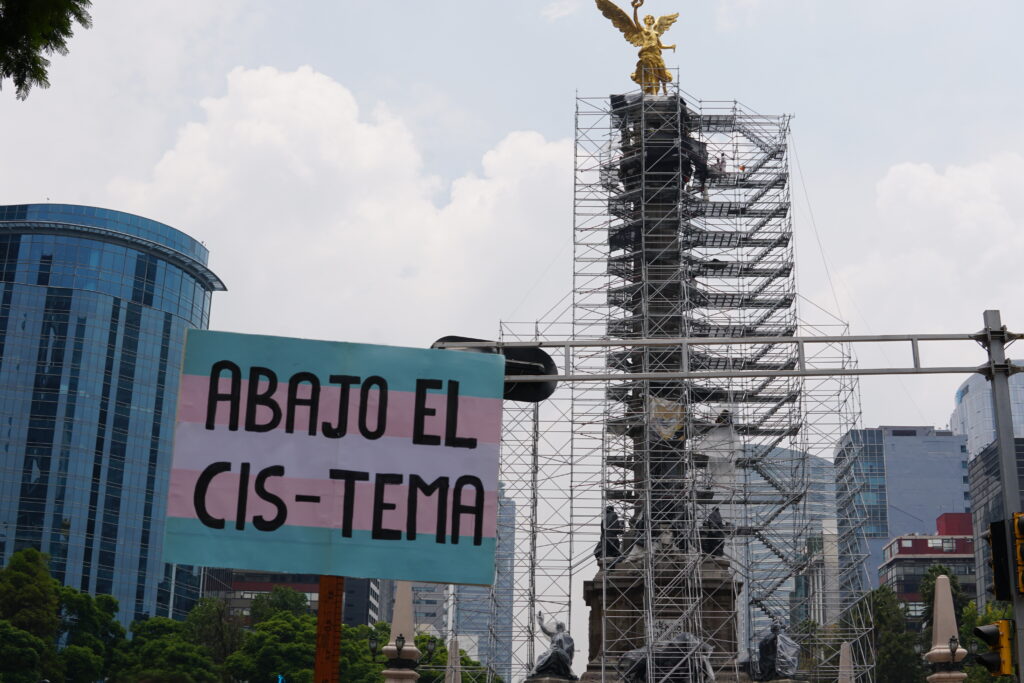
“Parents decide to change their children’s sex”: false
That which is in quotation marks is another false myth surrounding trans children and for Luis, Sofía and César it is "too crude".
Specifically because, in Luis's words: “I doubt a family would choose to make life more complicated. It's very difficult to be the family of a trans person under 18 because there's a whole stigma within society that also goes against, specifically, the mothers, and they're accused of — 'they didn't do their job properly, they didn't give (insert anything that could instill classic masculinity or femininity)'.”
According to a report by the Association for Transgender Children, 85% of the people who accompany and support trans children and adolescents are their mothers.
Furthermore, as Sofía, César, and Luis have explained to us, gender identity is something that only the person experiencing it can determine. It cannot be changed, imposed, or erased; attempting to do so would be engaging in a practice considered torture and a violation of human rights, known as Efforts to Correct Sexual Orientation and Gender Identity ( ECOSIG ), methods that are prohibited and punished in Mexico City, the State of Mexico, Baja California Sur, Yucatán, and Zacatecas.
But supporting children with love and mutual learning can make all the difference in helping them grow up happy, free, and safe. The journey won't always be easy, and along the way, both children and their families (un)learn together. Trans children, by knowing who they are and communicating it, also engage in a pedagogical exercise within their family and social environments. By living as visible trans children, they demonstrate that they can be just like other children—just as free, just as happy.
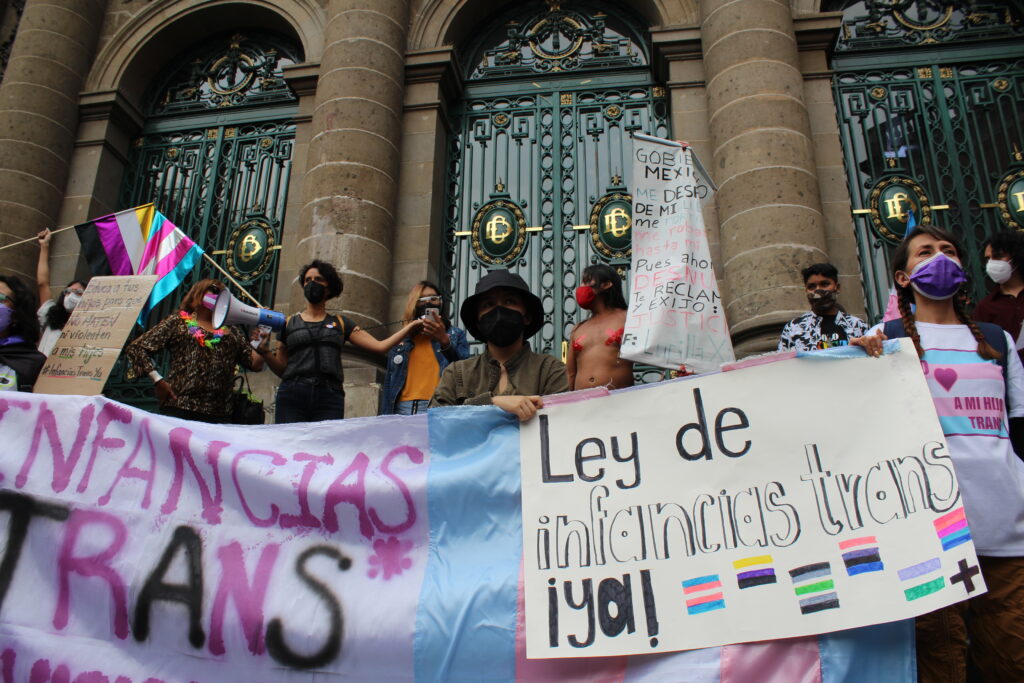
“I feel privileged because my mom, dad, and brother support me, and my experience has been very good. I think the first four months were hard because it’s not only a transition for us (trans people), it’s also a transition for the family; it’s getting used to it, it’s accepting your child’s pronouns, it’s protecting you, and that’s also difficult for them,” says Sofía.
At one point in our conversation, César emphasized how vital family support is for a trans person of any age.
“ Being a trans person is inherently dangerous, but being a trans person without family support makes it even more so . The suicide rate among trans people is high because they lack support from their families and society, which is why family support is so important. Sometimes kids message me on TikTok saying, 'It would be nice if my mom supported me too,' and I don't know what to tell them. It makes me sad to think that there are so many trans boys and girls who aren't supported and who suffer because of it every day.”
César is right about the suicide rate. According to the National Survey on Discrimination Based on Sexual Orientation and Gender Identity ( ENDOSIG, 2019 ), transgender people report a higher prevalence of suicidal ideation as a consequence of a hostile and discriminatory social context.
The movement advocating for the rights of transgender children wasn't conceived by an adult, whether cis or trans. This struggle arose from the demands, from the voices of these children who know who they are, how they feel, and what they want. Listening to them is only the first step and the first opportunity for mothers, fathers, and their families and social circles to support them and ease their path.
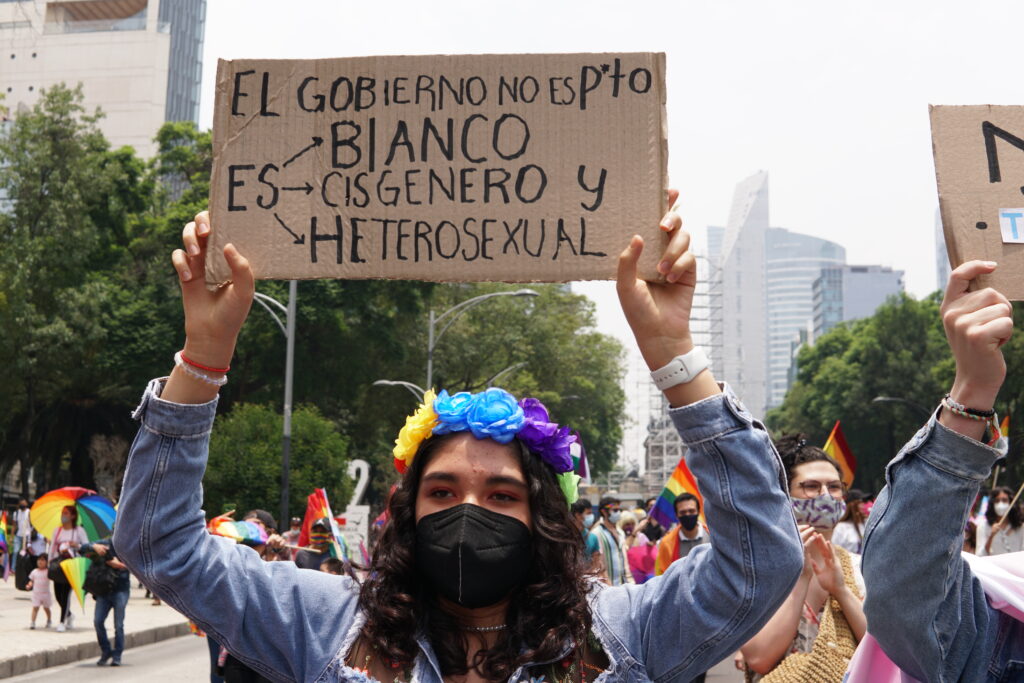
“They want to give children hormones”: false
Something I've learned from covering the trans family movement is that it's never been about wanting to change their children's identities and bodies, but quite the opposite. Alongside them, they learn that their bodies aren't wrong, that they aren't a mistake, that there are girls with penises and boys with vulvas.
In reality, from the Inter-American Commission on Human Rights ( IACHR ) to the Supreme Court of Justice of the Nation ( SCJN ), rulings uphold that the recognition of gender identity for any person (adult or minor) must be guaranteed without requiring proof of medical or surgical interventions, hormonal treatments, or other procedures. However, in Mexico, there are still very few options for transgender children to be fully recognized and protected.
Recently, Mexico City's mayor, Claudia Sheinbaum, issued a decree allowing for changes to birth certificates through an administrative process, but this only applies to people over 12 years old born in Mexico City. Jalisco, on the other hand, is a kind of oasis ; it's the only state with the highest human rights standards for guaranteeing the right to identity for transgender people, simply because it doesn't discriminate based on age and because anyone in the country can obtain their birth certificate quickly, affordably, and without pathologizing them.
But let's be realistic, not all families and individuals have the resources to travel and process their new birth certificate in Jalisco. In Mexico, only 14 states have a gender identity law for transgender adults, and for a child to obtain their new birth certificate in one of these states, they will have to resort to an amparo lawsuit, a costly and lengthy process.
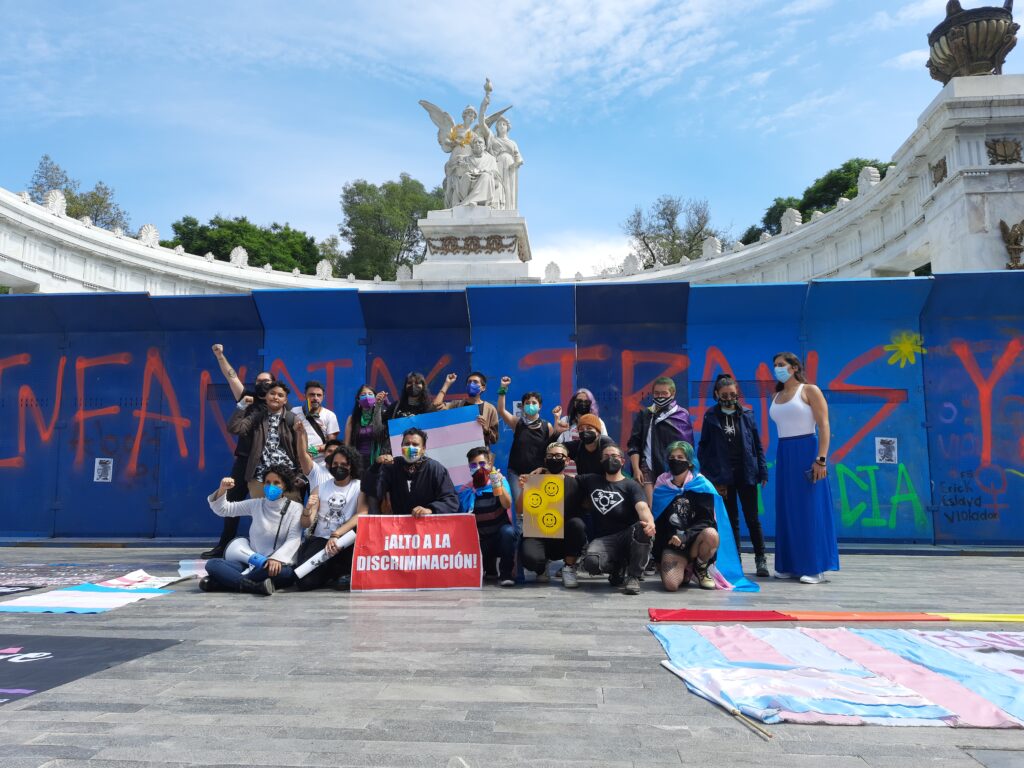
In the other 18 states of the country that do not yet guarantee this right to trans people (neither adults nor minors) the remaining option is a costly, time-consuming and pathologizing trial, where psychological and psychiatric reports are required to approve the mental health status of the people who request it and sometimes also of mothers, fathers of minors.
In Mexico, a birth certificate is a document that guarantees a person's identity and is essential because it grants access to other rights such as health, education, housing, employment, etc. Not having this right guaranteed opens the door for virtually any institution to violate your human rights.
Can you imagine a judge deciding who you are? Can you imagine having to travel from your home to Jalisco just to have this basic right guaranteed?
César and Sofía, who are from the State of Mexico, had to do it along with their families. This represented an enormous emotional and financial burden that not all families can bear. César sums it up like this: “It’s not cool having to travel and pay tolls for a right that should be possible in the state where you live. Trans rights are human rights!”
“I will never be invisible again”
Those were the words Sofia spoke the day she held her birth certificate in her hands. That day she also celebrated her 16th birthday.
“It’s one of the most beautiful things that can happen to a trans person because you see your name, the one you choose. Officially, no one can call you by your deadname (the expression used to refer to the name a trans person doesn’t identify with). You no longer have to go to school in fear of your old name still appearing. You are now legally who you are. You stop being invisible, and that feels really good,” Sofía tells me with a smile.
César feels very excited and happy, but also nervous, because now that he's starting school, his name will finally appear on the class lists.
“I like to cherish moments, and when I received my birth certificate, that moment was truly magical. I remember it fondly; it made me feel very secure knowing that I would be protected because with the document and the legal protection, they would no longer have the right in any way to disrespect me or to disrespect my gender identity.”
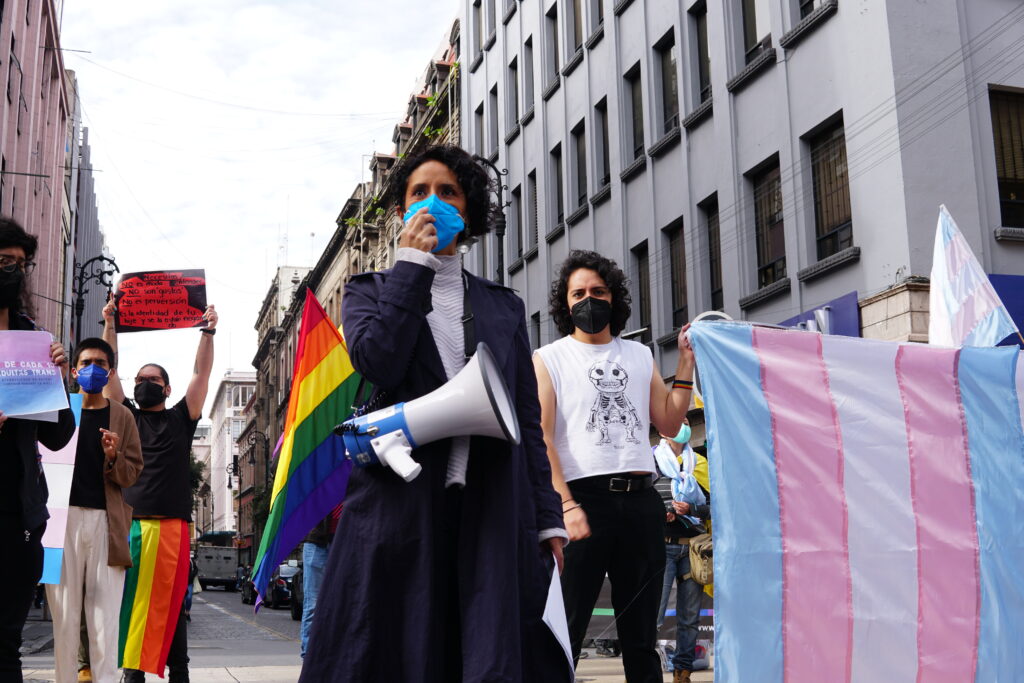
Luis helps me understand that a birth certificate has a different power than being socially recognized without a birth certificate that supports the legality of your identity for others.
“I felt immense pressure to play a role. To have to portray that expected role now as a man, because if I didn't have a birth certificate and didn't present myself as the stereotypical man with stereotypical masculinity within our patriarchal society, then my identity was less credible in the eyes of society. So having it (the birth certificate) gives you so much freedom to be yourself. Because you no longer have to convince anyone of anything, you don't have to ask for permission, or explain yourself. The birth certificate saves you from many things that aren't life-or-death situations, but ultimately, if they start to accumulate—because that's the problem—it's not just social discrimination, or discrimination from a person, or from the health sector, or from the laws, but all of those things in a single day, then going day after day with that accumulation becomes a very difficult existence.”
Before pointing fingers, before condemning trans children and adolescents, their chosen and biological families, it would be wise to listen to them. I believe we have much to learn from them: from their kindness, the care with which they treat others, the love with which they embrace who they are, and the joy and strength they possess in building possible futures and livable dreams.
We are present
We are committed to journalism that delves into the territories and conducts thorough investigations, combined with new technologies and narrative formats. We want the protagonists, their stories, and their struggles to be present.
SUPPORT US

FOLLOW US
Related notes
We are present
This and other stories are not usually on the media agenda. Together we can bring them to light.