

What is the new proposal for El Salvador to have a Gender Identity Law?
The Salvadoran Congress has received a new version of the gender identity law. The previous version had been shelved.


Share

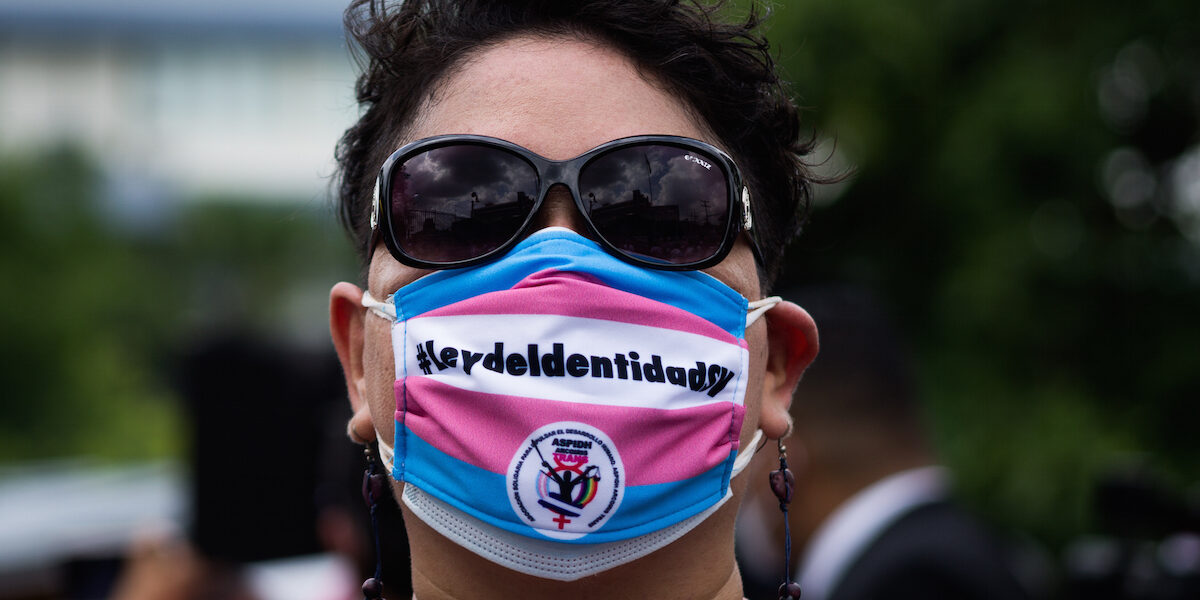
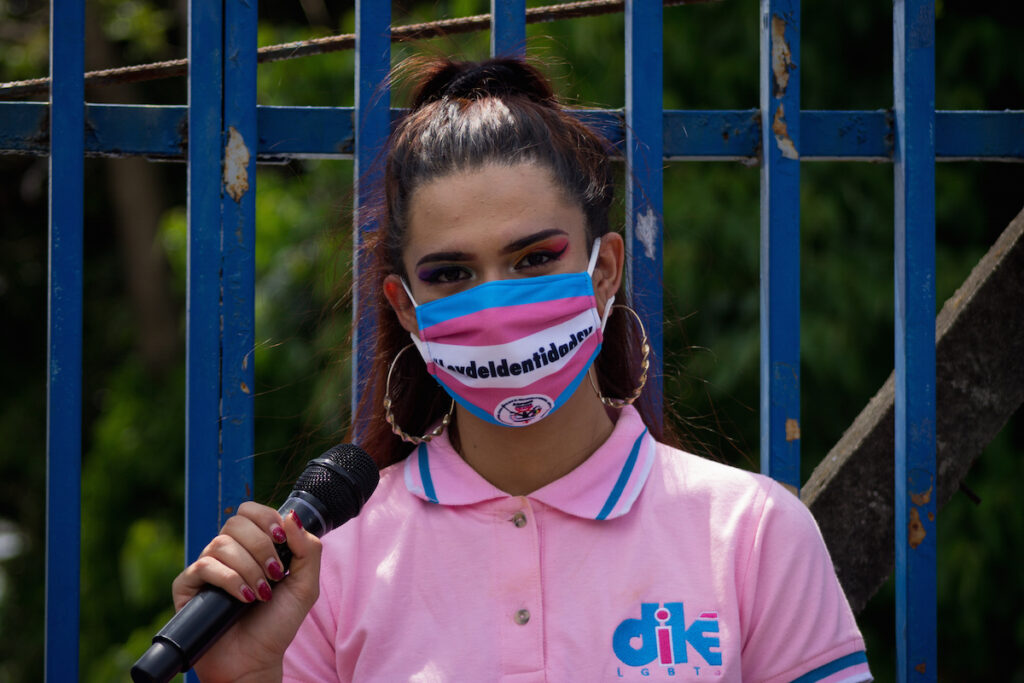
Transgender rights advocates presented an updated draft of the gender identity bill to the Salvadoran Congress. The bill seeks to ensure that transgender people have official identification documents that reflect their gender identity, a right currently denied under existing legislation.
The proposed law consists of 22 articles, maintains the spirit of the previous proposal, and cites international regulations. Among these is Advisory Opinion 24/17 of the Inter-American Court of Human Rights (IACHR), which orders States Parties to the System to establish a procedure allowing transgender people to legally change their name to reflect their gender identity.
“We hope that this time there will be political will (to approve it). They (the representatives) have repeatedly claimed to represent the people or the citizenry. We are no less citizens, nor less Salvadoran than the rest of the people who don't have problems with their name and who are not asking for privileges. We are asking for a right that fits our needs and our realities,” Amalia Leiva, representative of Communicating and Empowering Trans Women – COMCAVIS, told Presentes.
How did we arrive at this proposal?
The first draft of the gender identity law was presented on March 22, 2018. It was discussed for three years in the women and gender equality committee of the previous legislature (2018-2021), but legislators failed to reach a consensus to bring the proposal to a vote in the plenary session.
For the bill to be approved by Congress, 43 votes out of the 84 representatives were required. However, the organizations promoting the draft bill maintain that commitment and political will from all parties represented in the Legislative Assembly were lacking.
El Salvador, which reports high rates of discrimination and murders against the LGBT population, had until June 2019 Presidential Decree No. 56, which prohibited discrimination based on gender identity and sexual orientation in all state institutions.
The new legislature (2021–2024), with a supermajority from the ruling party Nuevas Ideas and its allies, ordered the draft bill to be shelved on May 14. The same occurred with 30 other bills that were under review, as they were deemed “obsolete and out of touch with reality,” according to Nuevas Ideas congresswoman Marcela Pineda.
“At no point did the proposal have any partisan slant, which was the argument used by the cyan (Nuevas Ideas) bloc to shelve it and claim it was outdated. Now we have resubmitted it to the Legislative Assembly to improve the proposal and ensure a better interpretation of it,” Amalia emphasized.
Human rights organizations sent letters to the parliamentary groups of the eight political parties represented in Congress requesting a forum to discuss the draft bill. However, only two minority parties responded: together they hold five of the 84 seats.
“We received virtually no response from any of the parties ; unfortunately, only the FMLN and Nuestro Tiempo responded. We are still waiting for the others to join this legislative initiative,” Britanie Castillo, technical assistant at the Solidarity Association to Promote Human Development – ASPIDH Arcoíris Trans, told Presentes.
El Salvador lacks legislation guaranteeing the right to name and gender recognition for transgender and transsexual individuals. Trans women and men must continue using the name and gender that do not correspond to their gender identity on their official documents. Only Mexico, Argentina, Chile, and Uruguay have similar regulations.
“We hope that they become aware of the need for a gender identity law for trans people, and that they are empathetic to this reality that we trans people live in El Salvador,” Britanie said.
The least “cool” government and Assembly
Since May 1, when the new deputies of the Legislative Assembly were installed, the Central American country has seen numerous staged events led by the ruling party, featuring young people who claim to "fight for the people."
In three months they have dismissed the magistrates of the Constitutional Court and the Attorney General, approved the controversial law that recognizes Bitcoin as legal tender and sent to the archives the proposed water law and the law for Equality and Non-Discrimination.
President Nayib Bukele's Nuevas Ideas party won a resounding victory in the February midterm elections, securing, along with its allies, a supermajority in the legislature, with 64 seats out of a total of 84. This majority allows them to govern and pass legislation without opposition.
Bukele, 40, calls himself the “coolest president” in the world. He swept the 2019 elections and became a media phenomenon, defeating the traditional parties in the Central American country. His 41-page electoral platform, “Plan Cuscatlán,” contains no proposals for the LGBTI population.
“We are waiting to see what happens because now we have someone to point the finger at. Nuevas Ideas has an absolute majority in the Assembly and the power to adapt regulations and enact laws that guarantee the rights of all people equally,” Britanie said.
We are present
We are committed to journalism that delves into the territories and conducts thorough investigations, combined with new technologies and narrative formats. We want the protagonists, their stories, and their struggles to be present.
SUPPORT US

FOLLOW US
Related notes

We are present
This and other stories are not usually on the media agenda. Together we can bring them to light.
1 Comment