

What does it mean to be an LGBT+ activist in Latin America?
The importance of affective networks, the protection of mental health, collective self-care, and the struggle as a way of life are some of the issues highlighted by LGBTI activists from the region.


Share

The importance of support networks, mental health protection, collective self-care, and the struggle as a way of life are some of the themes highlighted by LGBTI activists from the region to Presentes as they reaffirmed their struggle this August 20th, the Day of Activism for Sexual Diversity in Argentina, in memory of Carlos Jáuregui, a leading figure in the LGBTI struggle in this country.
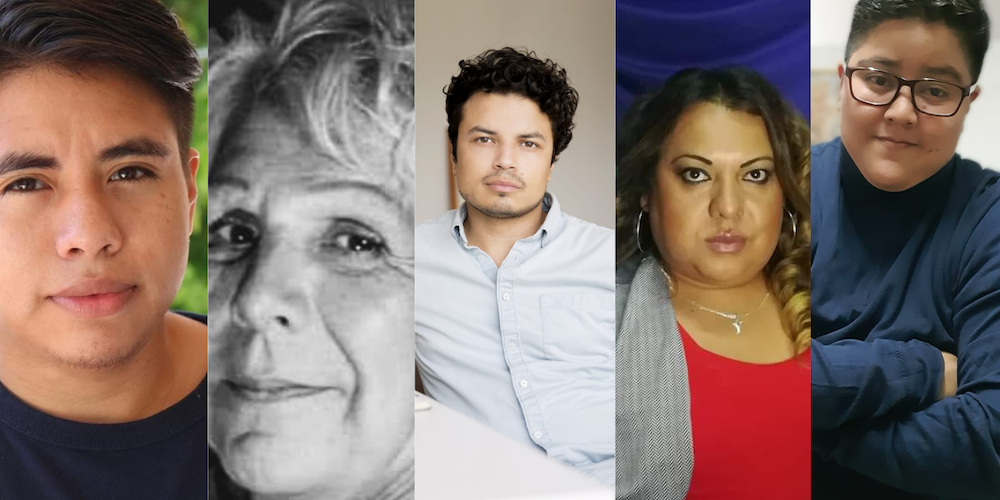
From Honduras, Guatemala, El Salvador, Paraguay, and Argentina, human rights defenders and activists spoke with Presentes about the importance of fighting to achieve rights, as well as how they combine their daily lives with the situations of exposure and risk they face.
Yren Rotella is a 40-year-old Paraguayan trans activist. She was born in Asunción into a humble farming family and currently lives 30 kilometers away in the city of Julián Augusto Saldívar. She has been an activist for human rights for 24 years (more than half her life), in addition to coordinating social projects, working as a sex worker, and selling various products to make ends meet.
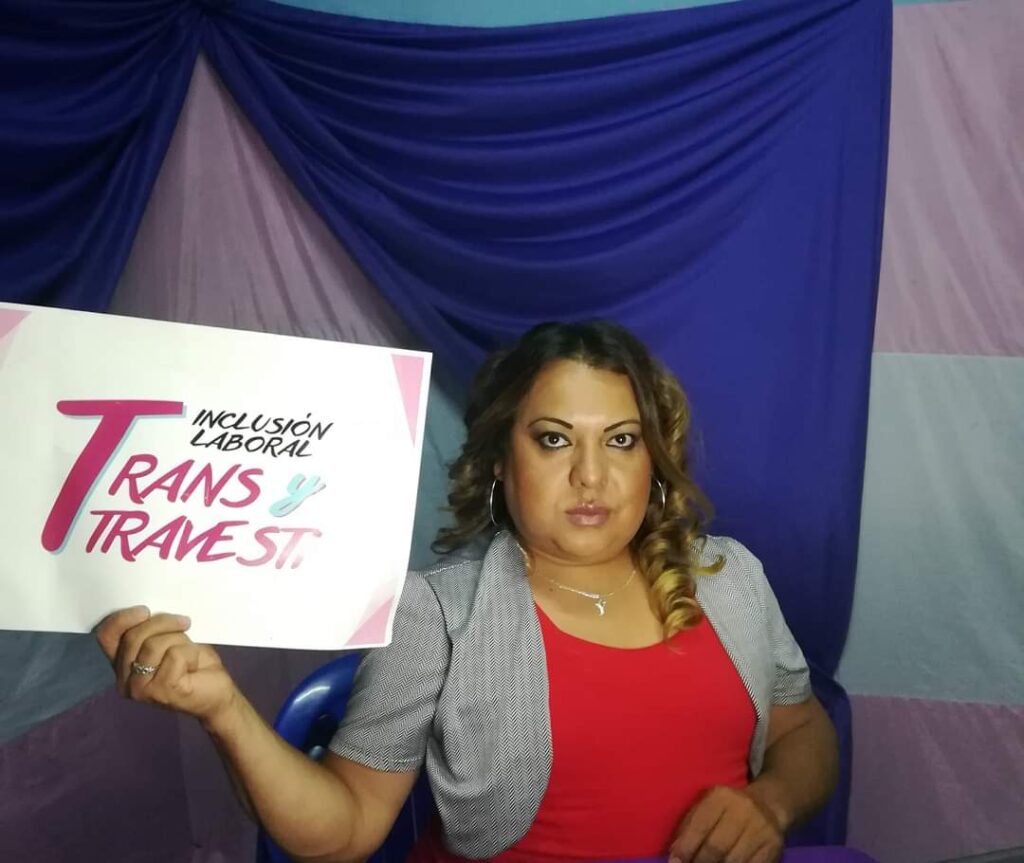
“For me, being an activist is one of the biggest decisions I’ve ever made: it changed me and saved my life. Being an activist means courageously putting your body and face on the line in a sexist and violent world. It’s an act of bravery and pride,” Rotella tells Presentes.
She currently runs Casa Diversa, a community center for sexual diversity that provides shelter, assistance, and support to victims of violence, discrimination, and human rights violations. "Our activities are based on empowerment through art and education as transformative tools," she explains about this work.
Furthermore, she believes that "living as an activist is having the opportunity to deconstruct and rebuild oneself" and for this "it is very important to live in an affective circle that helps to cope with the struggle because along the way there are difficult moments and many risks."
“Thanks to activism I was able to have a family”
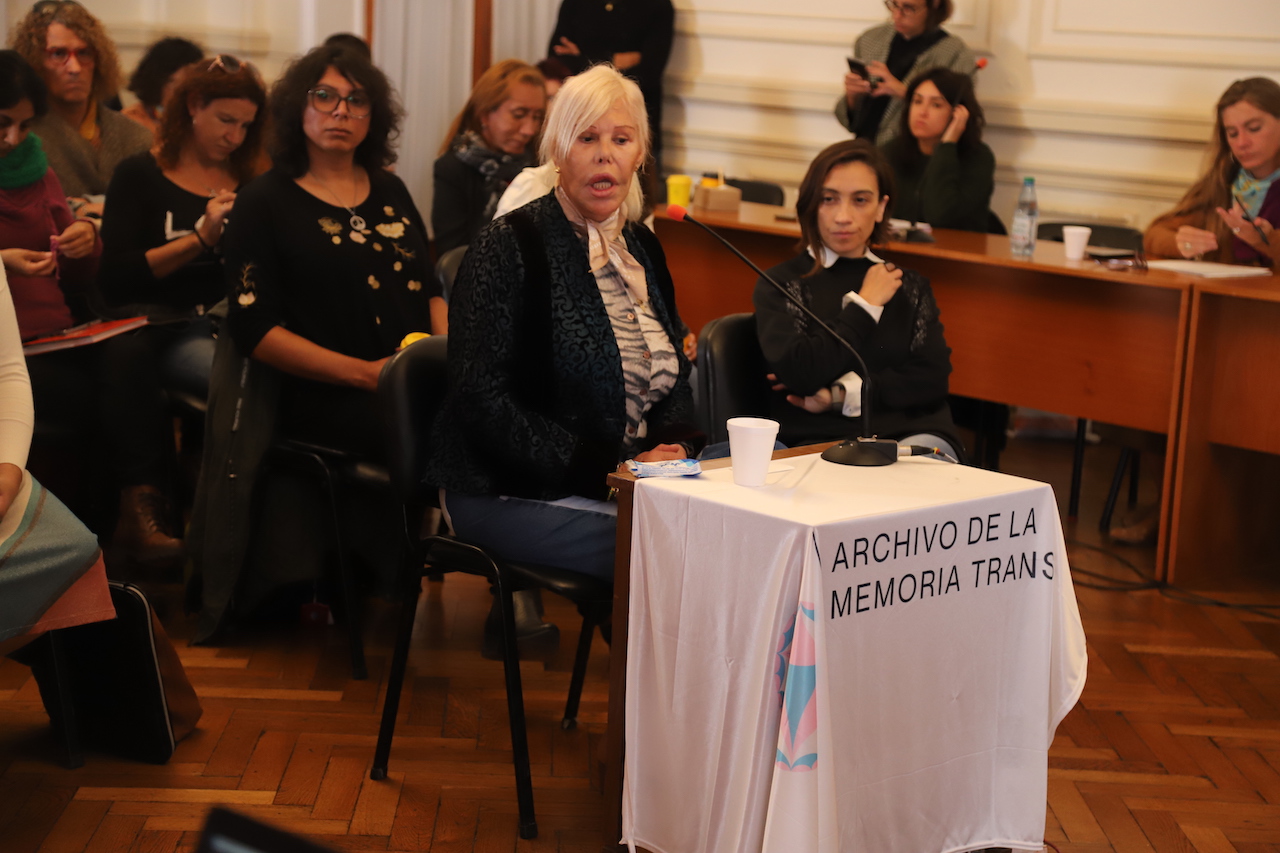
Ivanna Aguilera, a trans activist from the province of Santa Fe, Argentina, and a survivor of the detentions she experienced during the last dictatorship in the Communications Battalion of Command 121, also spoke about this last point.
"Through activism, I managed to have a family that the system had denied me: the family of my comrades, with whom I'm always interacting, working together, building networks. Activism is getting together at a comrade's house and sharing a pot of food, going to see our comrades when they're sick, supporting each other through thick and thin," she says.
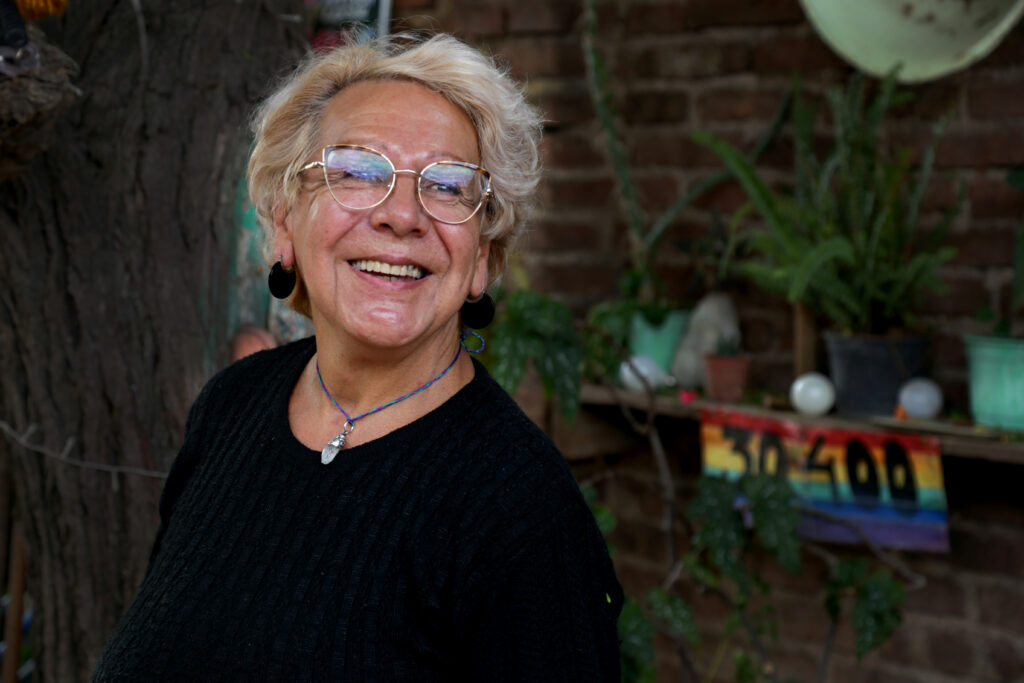
Aguilera is 63 years old, currently lives in Córdoba and, in addition to being in charge of the Trans, Travesti and Non-binary area at the Faculty of Philosophy and Humanities of the National University of Córdoba, she is also part of Flores Diversas, an organization that supports trans and travesti women in critical health condition.
Regarding the beginning of her struggle, she recounts: “I realized I had to take action and start demanding our rights in 1990 when, here in Córdoba, we suffered a massive raid on a nightclub where everyone present was arrested, including the owners. Only trans and travesti people were detained, and no one wanted to defend us. There, along with other comrades, we decided that we had to be the ones to do something, for ourselves, and by ourselves, because we weren't even outcasts; we were nothing to society.” That year, Aguilera, along with other activists, founded the first LGBTQ+ organization in Córdoba, called the Association Against Homosexual Discrimination (ACODHO).
“I began to understand what dignity was.”
Seydi Irias (36), a lesbian activist and computer engineer from Honduras, discovered activism through the organization she has been involved with for the past five years: Cattrachas. "I recognized myself as a lesbian a long time ago, I had my own processes of deconstruction, but it was when I found my collective that I began to understand what dignity was, things I didn't even have access to before, like heteronormativity and homophobia, which you experience but don't understand or don't want to question," she says.
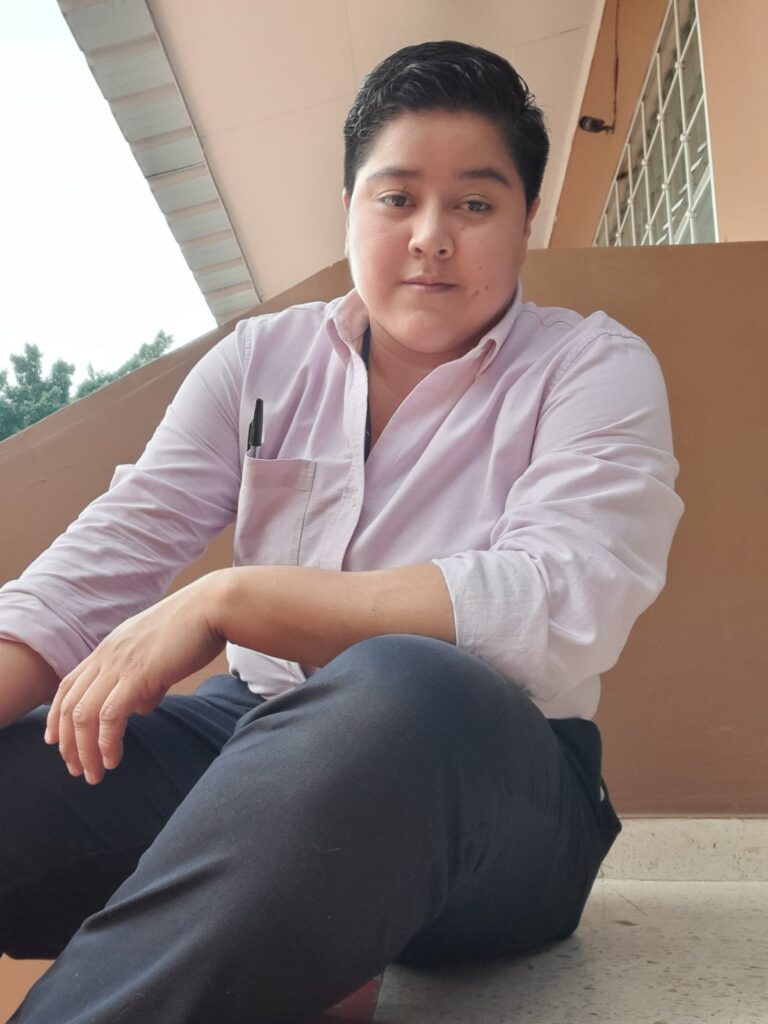
“In my country,” she continues, “LGBT people are not allowed to donate blood, there is no marriage equality, we don’t have the right to adopt. All these violations of civil rights are the starting point for the struggle we wage as a group. My activism began in Cattrachas knowing that I was not alone, that I was a lesbian, and that I didn’t feel cowardly for being one, but rather worthy of my sexual orientation and of having been born a woman.”
“We put our bodies, sexuality, and identity on the line all the time.”
For his part, Daniel Villatoro, an LGBTI activist and director of the Guatemalan organization Visibles, says that for him, being an activist is "quite a challenge." "I started as a journalist, but as I researched these issues and came to accept myself more, I realized that more than just reporting on events, my country needed change. It was quite a challenge for me to move beyond the journalistic ethic of non-interference in reporting and become more actively involved, taking on a specific LGBT leadership role," he explains.
Both community networks and mental health are priority issues on Visibles' agenda. They run a program at the Public University's School of Psychology on how to avoid pathologizing LGBT identities, which has engaged 800 students since its inception three years ago. They also offer an internal workshop called the Queer Wellbeing Guide.
Daniel is one of the people who, like so many others, migrated to a bigger city in search of "more tolerance, more inclusion, fewer harmful effects of violence and the ability to live freely."
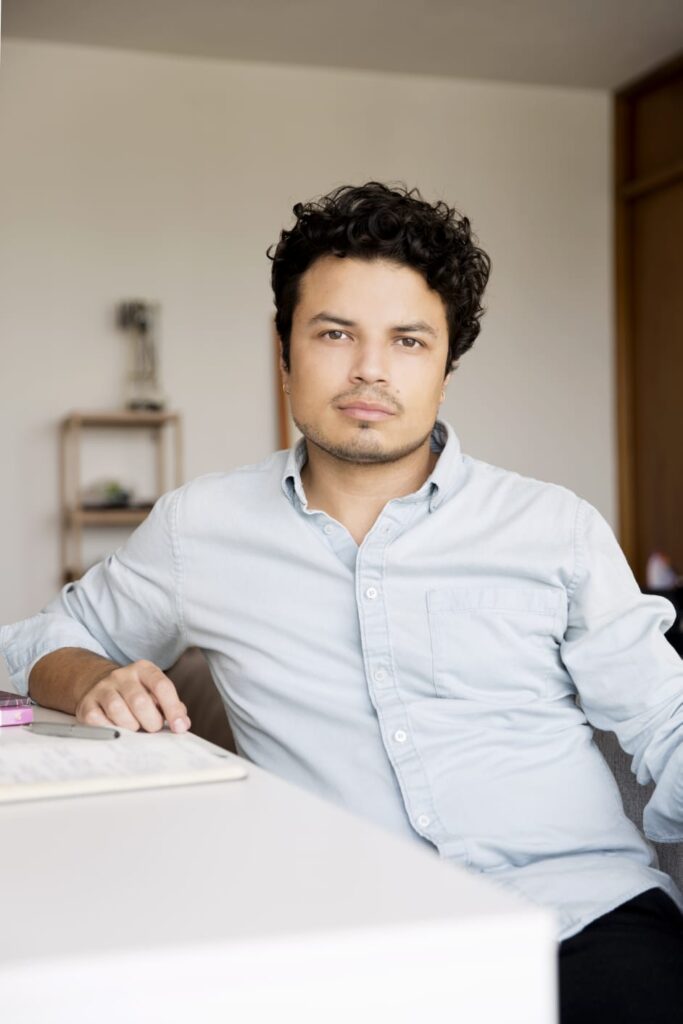
Regarding this, she explains that activists "are putting their bodies, sexuality, and identity on the line all the time. Bringing that personal well into the open can be very difficult, especially in a country where people don't even feel comfortable coming out of the closet or living freely. We do that every day, 8 hours a day, constantly explaining things in public institutions and in the media, in order to raise awareness, sensitize people, and reach out."
During 2020, 331 human rights defenders were murdered worldwide, 264 of them in the Americas, according to Front Line Defenders' Global Analysis 2020 report. The country with the highest number of murders of this group was Colombia—177 people killed, 53% of the total—followed by the Philippines and Honduras, with 25 and 20 murders respectively, Mexico (19), Afghanistan (17), Brazil (16), and Guatemala (15).
The majority of them (63%) were defenders of Indigenous peoples, land rights, and the environment, while 28 percent defended women's rights and 26 percent specifically the rights of Indigenous peoples. Regarding LGBT activists or defenders, five people died violently in Honduras between 2020 and 2021, according to the Cattrachas Observatory, and six in Guatemala.
"There will always be risks for people who defend human rights or are activists because of hate speech and the detractors who still exist," says Gabriel Benjamin Escobar, who considers himself a human rights defender, rather than an activist.
“Being an advocate has a direct impact on mental health”
Escobar lives in El Salvador, is a 26-year-old trans man, and implements public relations and communications strategies at COMCAVIS TRANS, an organization that works to ensure that the Salvadoran State makes visible, recognizes, and fulfills the human rights of the LGBTI population.
Regarding this, he adds that "it is necessary to take into account the political and social context in which human rights defenders operate" and explains that in El Salvador "the discourses carried out by the figures who are currently in government have led to a lot of stigmatization around people who are activists or defenders."
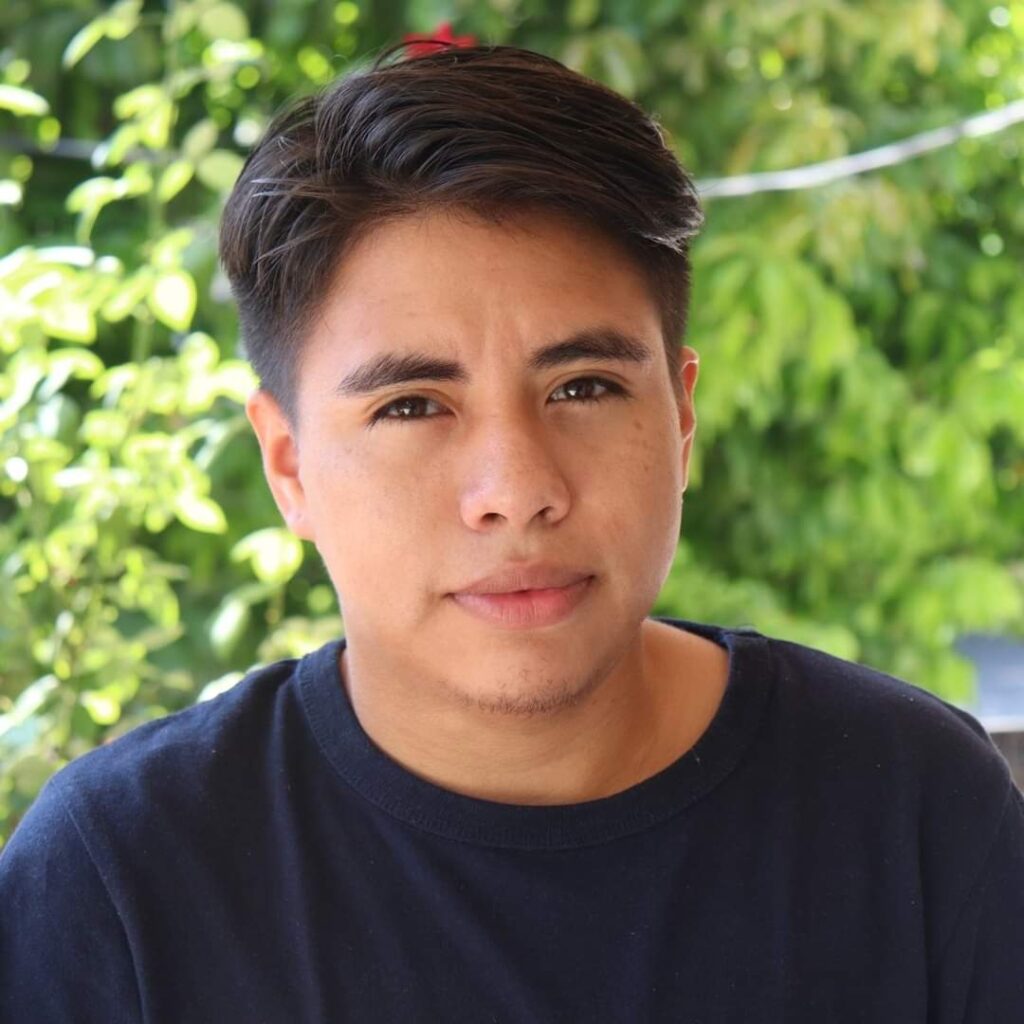
In this sense, she believes that being a human rights defender "has a direct impact on mental health." "That's why," she adds, "affective support networks, personal self-care, and collective self-care are so important. One must try to separate their work as a human rights defender or their activism from their personal life. We are exposed to situations that sometimes cause emotional strain—such as anxiety or feelings of powerlessness—because we are exposed to life stories involving violence and human rights violations, and these directly impact our perception."
After a pandemic that largely exhausted the energy of activists, but demonstrated the importance of their actions, this August 20th recognizes and celebrates the global relevance of the political will to change unjust realities.
How is activism experienced? "Berta Cáceres put it this way: the best form of rebellion we have is joy," concludes Seydi Díaz.
We are present
We are committed to journalism that delves into the territories and conducts thorough investigations, combined with new technologies and narrative formats. We want the protagonists, their stories, and their struggles to be present.
SUPPORT US

FOLLOW US
Related notes
We are present
This and other stories are not usually on the media agenda. Together we can bring them to light.