

Five months without Tehuel: what we know so far
In recent weeks, Oscar Montes, one of those arrested, requested to testify but gave false leads. The reward for anyone who provides concrete information leading to his capture has been doubled.



Share

Tehuel de la Torre was last seen on March 11, 2021, in Alejandro Korn (Buenos Aires province), when he went to meet with Luis Alberto Ramos, who had offered him a job as a waiter. Luis Alberto Ramos is in custody and remains silent. In recent weeks, Oscar Montes, another of the two detainees, requested to testify, but only provided false leads.
According to the line of inquiry pursued by the Prosecutor's Office, the pact between Ramos and Montes conceals the truth about what happened to the young trans man. A few days ago, the reward for information leading to his whereabouts was doubled. It is now $4,000,000 and complete anonymity is guaranteed.
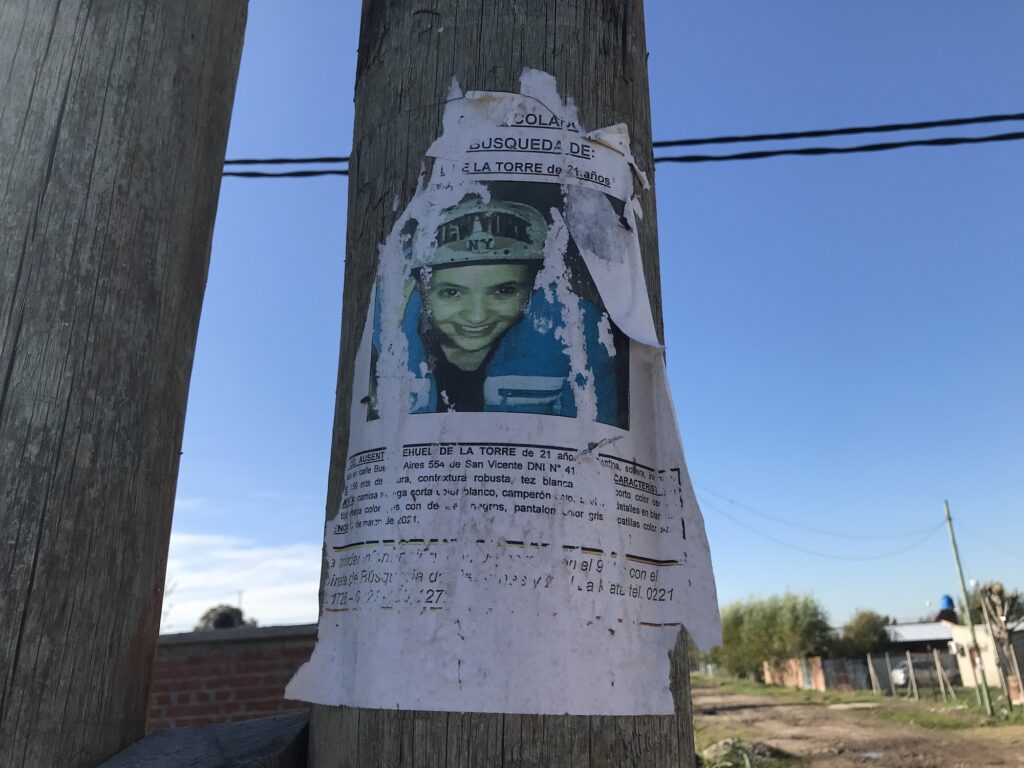
Meanwhile, DNA comparisons are progressing between samples taken from family members and detainees and traces found in the initial operations. The search area is expanding, new raids are being carried out, and the missing person case file is growing ever longer. But Tehuel remains missing.
The case is being investigated by the San Vicente Decentralized Functional Instruction Unit (UFI), under the direction of Prosecutor Dr. Karina Guyot, La Plata Judicial Department. There, for example, the searches were planned, initially conducted within a radius of approximately two kilometers around the homes of the two detainees . In the most recent operations, area was expanded to another two kilometers from that same location, where he was last seen.
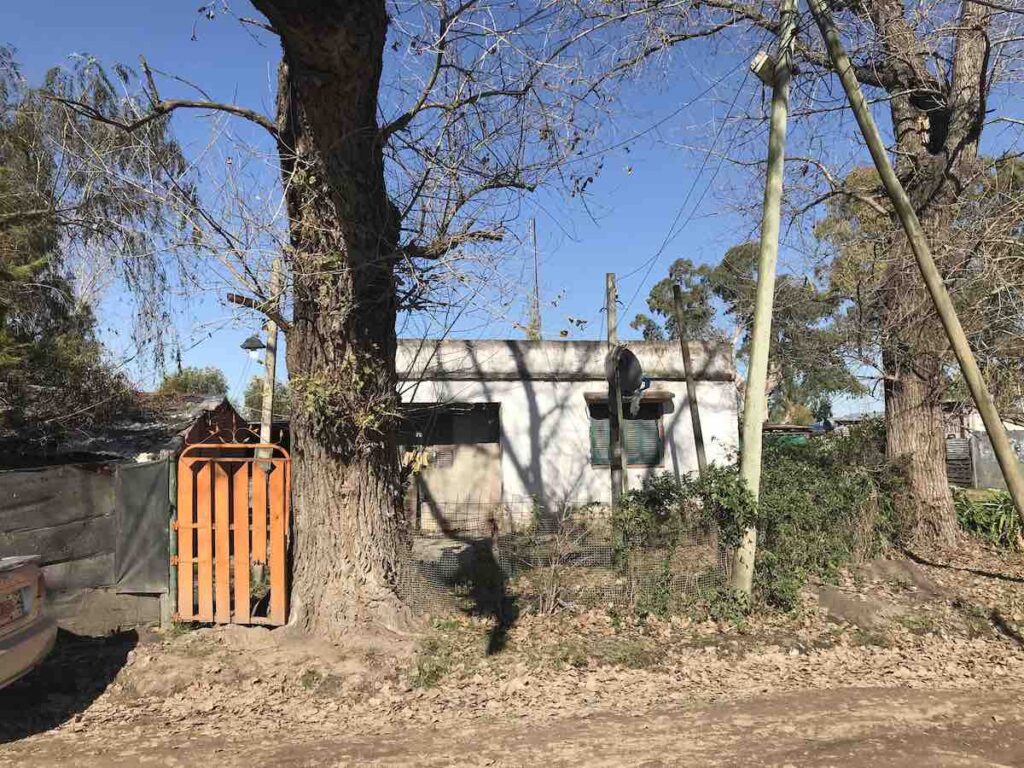
On March 11 – as stated in the reward offer from the Buenos Aires Ministry of Security – “he allegedly left his home located at 500 Buenos Aires Street in San Vicente, Buenos Aires Province, at approximately 7:00 p.m. He was last seen between 7:30 p.m. and 9:00 p.m. that same day in the vicinity of Mansilla Street at 1200 or Frías Street at 800, both addresses located in the town of Alejandro Korn.”
The traces so far
In those last two addresses, the Prosecutor's Office located—between 7:45 p.m. on March 11 and 12:30 a.m. on March 12—according to reports from mobile phone companies, the last activity on Tehuel's cell phone and also his last photograph found , alongside those who are now detained. According to sources within the ongoing investigation, that phone was found burned along with a jacket on March 16, during one of the first operations, in front of Ramos's house. Furthermore, forensic analysis was also carried out on the phones of Ramos and Montes, which yielded useful information for the search.

The search
first raids and two arrests took place garbage dumps, waste treatment sites, a pig farm, and similar locations , with personnel from the provincial police, tactical divers, and later with the support of federal forces. In most cases, the operations had to be carried out in open areas with sparse population and difficult terrain (wetlands, dense vegetation, and challenging access).
In the last month, a specific aerial survey was also added, conducted by paragliders. This aerial mapping, carried out by experts familiar with the area, aims to optimize searches in specific zones and identify, from a different perspective, possible access points and areas where it would be advisable to intensify ground searches.
The expert reports
Over the past two months, DNA samples were taken from the detainees and from Tehuel's family members to compare them with possible blood samples and a condom found during the initial raids. After processing the genetic information, comparisons were made with traces of blood—the results of which have not yet been released to the media, but have been shared with the family.
Amidst the pile of papers that make up the missing person case file at the Prosecutor's Office, there are requests for information—and some responses—of various kinds. These include requests to telephone companies, security camera monitoring centers, and healthcare providers (in case someone matching Tehuel's physical description was admitted during that period), among others.
Following a phone call from a possible witness who believed she had seen the young man in Caleta Olivia, the Buenos Aires provincial justice system also sent a request to the Northern Regional Unit of the Santa Cruz Police, the Radioelectric Command, and the infantry unit. Posters with Tehuel's image were placed in local businesses, and the search was broadcast on local radio and television stations, in addition to standard police operations. However, no new leads emerged.
Two weeks ago, amidst searches and legal proceedings, the Prosecutor's Office confirmed that Montes, one of the detainees, had specifically requested to give a statement. Despite the expectations it generated within the investigation team, the information he provided led nowhere . It consisted of false or inaccurate data that fell apart in less than a week.
“It hurts more”
“It’s a sad day, and tomorrow will be worse. We miss him so much and want him in our lives,” Verónica Alarcón tells Presentes. Every 11th is special, but grief has been a constant part of her family’s routine for the past five months.
Tehuel no longer lives in the spaces he shared with his family, but he remains a strong presence for each member. “Everyday life consists of waking up and going to bed thinking about Tehuel. We call the lawyer in case there’s any news. My mother goes to the prosecutor’s office to see if there’s any information; you spend all your time wondering when the forensic reports will be ready, where Tehuel is. The truth is, as time goes by, it hurts more,” says Verónica.
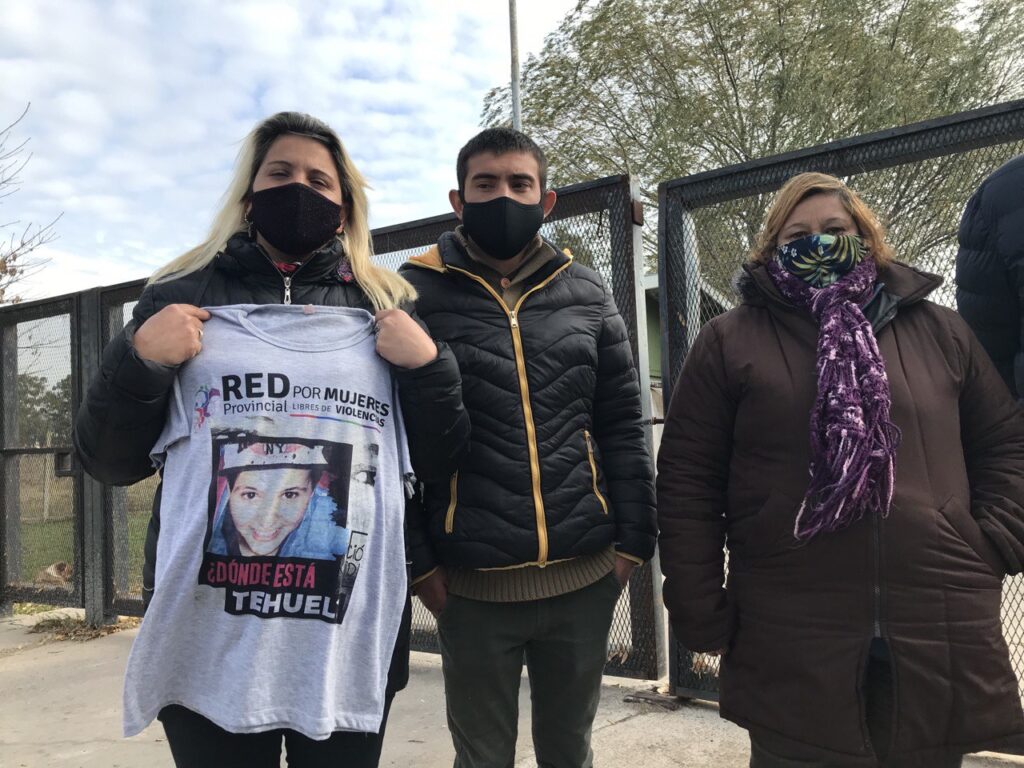
Hope rests on the results of the DNA tests conducted at Ramos's house. They are waiting to find out if the samples match Tehuel or either of the other two defendants. Meanwhile, Verónica is organizing tomorrow's march at 5 p.m. in San Vicente, but clarifies that they lack the physical and emotional strength to participate in other activities they know will be taking place elsewhere.
“We marched so that he is not forgotten and the search continues,” she emphasized, adding that “there is a reward. If anyone has information, please call 911, 147, or go to the San Vicente Prosecutor’s Office.”
Verónica's message to Ramos and Montes remains the same: "Tell me where my brother is and what you did." And her demand also persists: "Let justice be done, let them pay for what they did."
The neighborhood speaks in hushed tones.
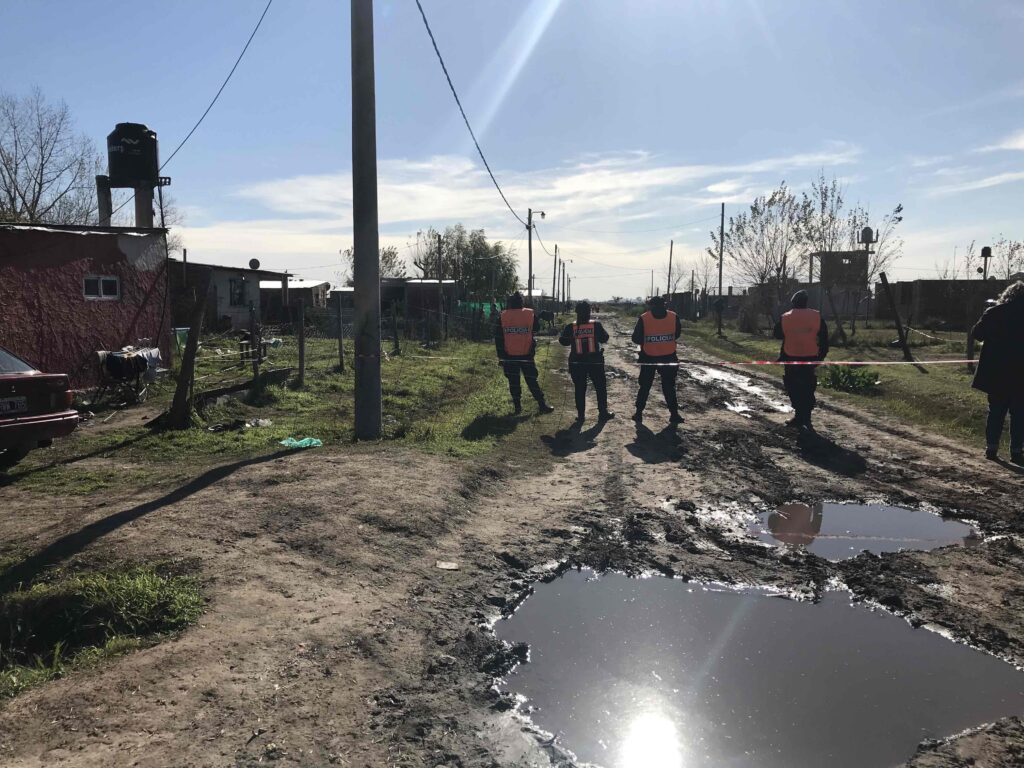
The neighborhood where Ramos and Montes lived before their arrest is a young one. It grew up a little over 10 years ago on what used to be a vast field and part of the Miriní lagoon. First, there were shacks built on reclaimed land, and over time they became brick houses. Because it's very close to the La Esperanza neighborhood, it's nicknamed La Nueva Esperanza (New Hope), although some still call it "la toma" (the squat). Tehuel's trail goes cold in La Nueva Esperanza.

It's a working-class neighborhood, with snack bars, small shops, and children playing barefoot in the dirt streets. It's a somewhat isolated area where many reports of gender-based violence are received.
The two men arrested in the case are well known in the area. Ramos has a history of violence: a completed sentence for homicide. Montes, on the other hand, has no criminal record, but several people in the neighborhood described him as violent.
Journalist Daniel Rosales, director of Al Sur Web—a long-established news outlet in San Vicente—told Presentes that “the first detainee (Ramos) is known as one of the neighborhood thugs, a guy involved in illicit activities and with a serious criminal record.” Regarding the second detainee, he explained: “Montes comes from a family that has lived in the area for many years; it’s the Villa Coll neighborhood, next to La Esperanza. He’s a waste picker. And he was Ramos’s accomplice.”
What are they saying in the neighborhood about the first person arrested? Ramos worked at the cooperatives/ He lived with his mother on the same property, each in their own little house/ He handed out government assistance/ He came home high, you could tell/ It was said that he hit his mother. She sometimes came home with bruises on her forehead. We saw some cuts on her too/ His uncle lived with them/ After the Tehuel incident, his mother and uncle packed their bags and a mattress and left in a white car/ From the house, the investigators took candles and satanic books/ He was always armed with a kitchen knife.
The Prosecutor's Office insists that both detainees know the truth about what happened to Tehuel and that there are others who know what happened but are afraid to speak out. That is why they emphasize that, in addition to the reward offered by the Buenos Aires provincial government, they are also guaranteeing the anonymity of anyone who can provide concrete information leading to the discovery of the young transgender man.
"Tehuel is the face of the invisibility that trans men suffer."
Tehuel disappeared while looking for a job he'd been offered. He never had a steady job, always supporting himself with odd jobs. His girlfriend made donuts and pastries, and he would go out to sell them. Sometimes he helped neighbors by mowing lawns or removing trees. The only job he'd ever had was handing out flyers for Mi Cabaña, but it didn't last long because of the pandemic. Three months after his disappearance, the Diana Sacayán-Lohana Berkins Law, promoting access to formal employment for transvestites and transgender people, was passed. This initiative seeks to address the lack of basic rights for this community, both a cause and consequence of a chain of structural violence and systematic violations. The demand for Tehuel's reappearance was present in speeches in the National Congress and even in celebrations in the streets, where people continue to ask, "Where is Tehuel?"

In a dialogue with Presentes, Fernando Martín, from Hombres Trans Argentinos –an organization that works on issues of trans masculinities– expressed: “Unfortunately, Tehuel is the face of the invisibility that trans men suffer and the violence we go through throughout our lives.”
Verónica, one of Tehuel's sisters, told Presentes a few weeks ago: “Tehuel was looking for work, taking any odd jobs he could. I understand that sometimes, because he was a trans man, they wouldn't hire him. He and his wife lived day to day. He told me that he would make milk for their son, take him to preschool, and pick him up. A very good father, a very good husband, and above all, a good brother.”
To provide data
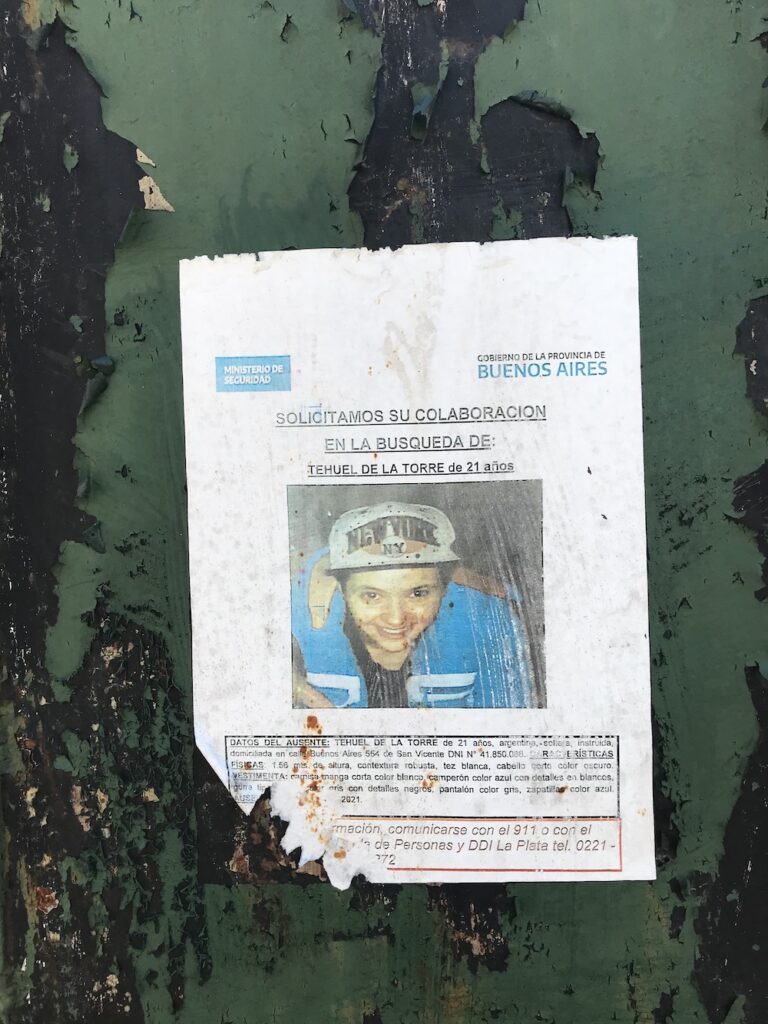
Those wishing to provide the required information should appear before the Chief Prosecutors of the various Judicial Departments of the Province, the San Vicente Decentralized Functional Unit, La Plata Judicial Department (located at Alem Street No. 45 in the town and district of San Vicente, telephone (02225) 481-737/772), or before the Provincial Directorate of the Registry of Missing Persons (located at 2nd Street between 51st and 53rd, Office No. 118, La Plata, telephones 0221-429-3091 and 429-3015 from Monday to Friday from 07:00 to 19:00 hours).
The reward amount will be distributed only among those who come forward to provide information to the designated authorities, stating that they are motivated by the offer, in accordance with Decree No. 2,052/98 and its amendment, Ministerial Resolution No. 2,390/07, based on the merit of the information provided.
We are present
We are committed to journalism that delves into the territories and conducts thorough investigations, combined with new technologies and narrative formats. We want the protagonists, their stories, and their struggles to be present.
SUPPORT US

FOLLOW US
Related notes

We are present
This and other stories are not usually on the media agenda. Together we can bring them to light.