

The Wrong Body?: Gender Identity, Rights and Transition Pathways
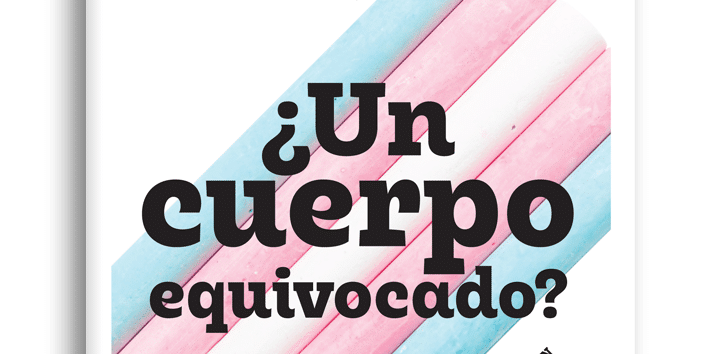
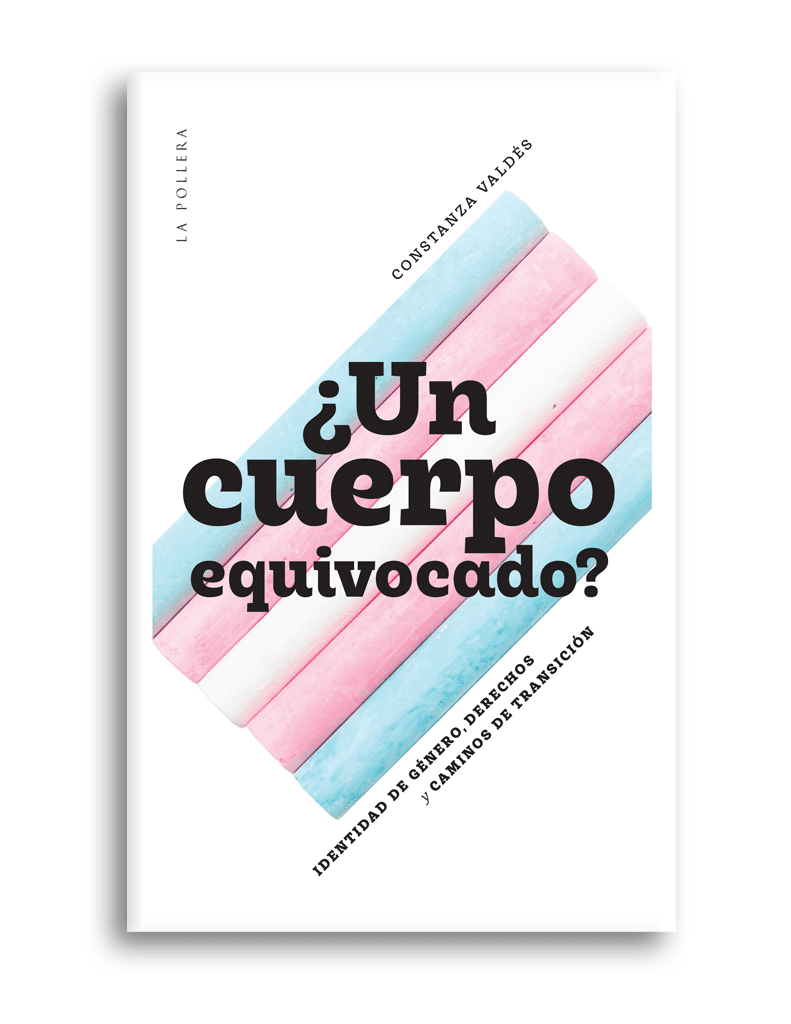
Preview of the book "A Wrong Body?", a text that weaves together testimony, essay and the journey as a trans activist, feminist and lawyer of Constanza Valdés, published by La Pollera in Chile.

Share

Yo
All experiences are unique and unrepeatable.
Little has been written in Chile about gender identity, the rights of transgender people, and the gender identity law. Furthermore, the limited material available has been mostly produced by cisgender people, which isn't a problem in itself, but it does contribute to the lack of a comprehensive perspective: once again, the rights of transgender people end up being discussed without the participation of transgender people.
Identities and lived experiences permeate not only political discourse but also academic research and related theses. Articles and documents about trans people written solely by cisgender individuals tend to resemble external studies (those that focus on the subject of interest), and even when cisgender people are included in the process, the picture doesn't change much because they are consulted about their experiences without being made active agents in the production of knowledge.
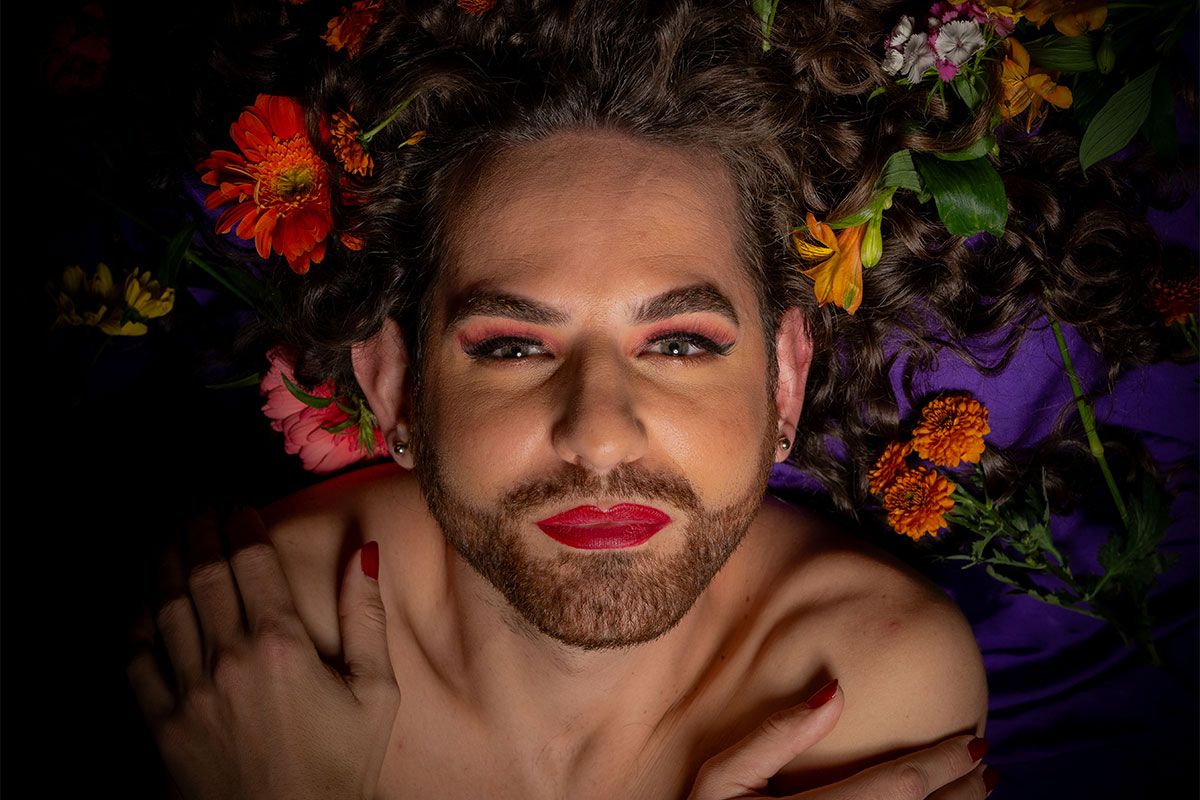
Today I write with the hope of combining two elements: the legal aspects of the reality of trans people and my own story, both with their evolutions, transitions, and nuances. I speak here as part of a historically discriminated and excluded population that wants to tell its own story, to generate knowledge about itself and its peers. And at the same time, I share my passion for activism and the role my profession has played in questioning current legislation and proposing changes that allow us to move forward. Our life stories will always determine what we write—what we research and question—and to ignore this would be one of the most profound mistakes when it comes to understanding the issue.
Despite what the media and movies might lead us to believe, I can tell you that no two transitions are the same: experiences are not equivalent but unique and unrepeatable, even when they share common elements . It's important to keep this in mind when listening to, reading, and watching the testimonies of trans people, because no one is born in the wrong body, and their stories will always be different.
With that clarified, I was born on February 10, 1991, in Valparaíso, under the name of… ( no, you never ask a trans person their birth name ). My parents separated a few years later, which led to family differences, estrangement from my father, and a move to the city of Rancagua, where I grew up. Beyond the jokes and urban legends, Rancagua is known for its copper mining, preserving the image of the Chilean huaso (cowboy), and venerating rodeo as a sport (animal abuse) fundamental to our identity. In other words, it's a conservative city, deeply rooted in traditions and with little tolerance for diversity in its various forms, a sentiment further reinforced by its strong religious character.
Although I don't remember much about my childhood and adolescence—and I often wonder why—I know that as a child I loved playing with the other children in the neighborhood, and my greatest passion was watching and playing soccer, a legacy from my grandfather and father. Yes, just as there are trans girls who play with dolls, dresses, and makeup when they're little, there are others of us who don't experience anything similar. Connecting play with a person's identity is a conceptual error that also involves gender roles and stereotypes , and that's why, whenever I'm interviewed, I emphasize the following: the fact that I didn't play with dolls or express differences regarding my body during my childhood doesn't invalidate my gender identity, nor that of other trans people who might identify with my story.
In fact, I often try to remember if there was any situation in my childhood where I transgressed gender roles, and so far, none has surfaced. I do recall, however, that in my school days I didn't like it when they called my name on the roll: something that deepened over the years and makes perfect sense now. For a long time, I thought the strange feeling my name gave me was irrelevant, but in retrospect, I understand that it was its implications that bothered me—having to carry it with me and letting it affect my gender and my life.
I went to three schools in total, and I only remember two things from the first one: that I didn't want to get vaccinated (now I'm incredibly grateful for vaccines) and that I wasn't very happy (although what trans person is happy during their school years?). But since I spent more time at the first school and it was right next to my house, my memory holds many more scenes and people: dear, close friends, and, very importantly, I attended a co-ed class.
In those years I didn't know I was a trans girl. Perhaps if I had inquired or someone had asked me questions about it I might have guessed, but in the nineties the trans population and children were invisible and there was a lot of ignorance and prejudice about people's sexual orientation (it was assumed that everyone was heterosexual and, if not, a supposed "desire" to be a man was attributed to you if you were a lesbian and a woman if you were gay).
I always liked girls, but it was rarely reciprocated. I fell in love, gave chocolates for Valentine's Day, and enjoyed all the cutesy things while I was little, and I suppose all of that mitigated any different or transgressive behavior I might have had: my sexual orientation, in this case, corresponded with what society expected of me given my assigned gender. I don't know if I was happy during that time, but I didn't have as bad a time as I did in the years that followed.
When I was about to start fifth grade, we moved, and I started studying at the local Marist school, in an all-boys class. If I had to sum up my experience in one word: horrible. The outgoing girl who enjoyed playing and spending time with her classmates was suddenly subjected to the demands of a Catholic school that was homophobic, transphobic, lesbophobic, and elitist—a safe space only for cisgender heterosexuals of a certain social class. To this day, I still resent that school and all the bad times I went through. I ended up there because of the move, but also because my mother subscribed to the political ideas of the country's far right and thought it would be beneficial for me to study at a school with a certain ideology and history. One of the happiest days of my life was my high school graduation. I remember that as soon as the ceremony ended, I left, skipping all the commemorative activities that followed, and, as a final gesture, I listened to the song " Freedom" by Rage Against the Machine.
Moving to a central neighborhood where I didn't know anyone had a series of consequences and brought about major changes in my life: I drifted away from the friendships I had forged in my old house, I only went out when necessary, I started spending more time alone, and I would spend hours looking at things on the computer. Little by little, my personality became more introverted, and sadness and loneliness overwhelmed me. The all-boys class I was in was, in reality, a jungle ruled by the law of the strongest, where bullying was a daily occurrence and no one did anything to prevent it. Patriarchal spaces were promoted by the school in all their splendor, and the absence of a gender perspective and inclusion was predominant. (I know some might argue that "times were different then," but that doesn't excuse the responsibility the school had and still has.)
We are present
We are committed to journalism that delves into the territories and conducts thorough investigations, combined with new technologies and narrative formats. We want the protagonists, their stories, and their struggles to be present.
SUPPORT US

FOLLOW US
Related notes
We are present
This and other stories are not usually on the media agenda. Together we can bring them to light.