

Who protects human rights activists? From collective care to self-care
To reflect on activism, illness but also paths to healing, Presentes spoke with two activists and an official about the internal dynamics of social movements and what it means to defend human rights.


Share

Guatemala's ongoing crises, coupled with the defense of human rights, prominently feature defenders of the land, Indigenous peoples, and LGBT+ individuals. This was particularly evident during the pandemic, as the lack of state response necessitated addressing the urgent needs of these populations. This had a profound impact on defenders, who, in addition to COVID-19, suffered—and continue to suffer—physical and mental health problems due to being on the front lines.
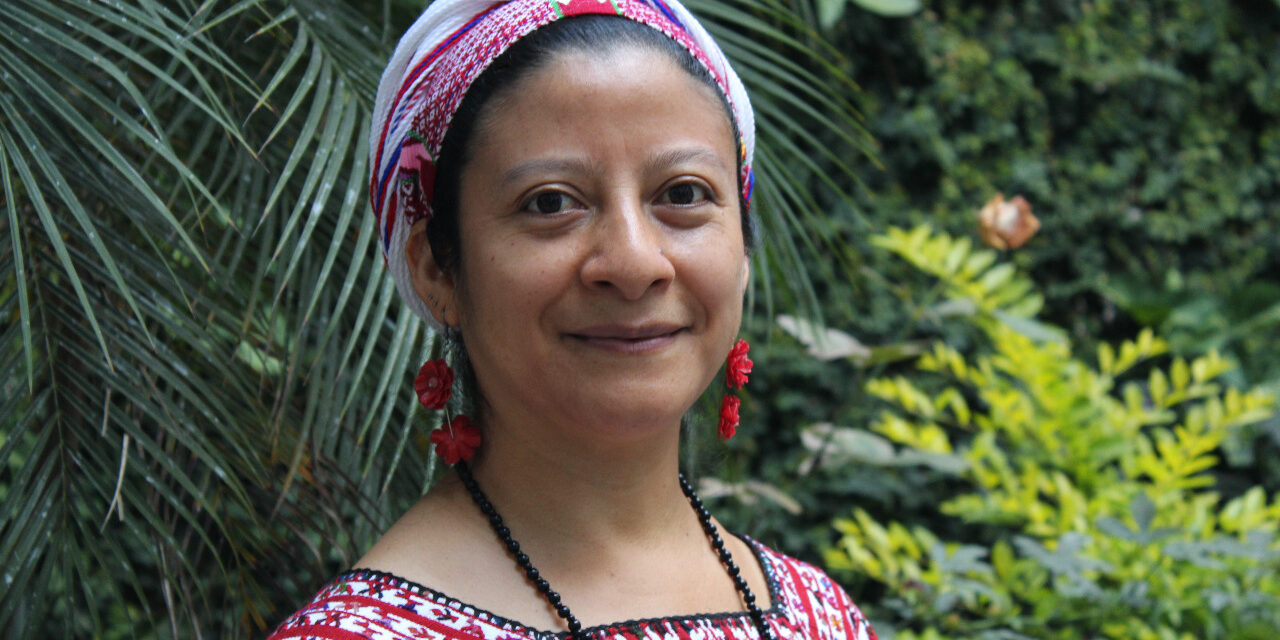
Dorotea Gómez Grijalva: defending human rights from within the State
Dorotea Gómez Grijalva is a poet and feminist, born in Santa Cruz del Quiché. Her childhood and adolescence were marked by the internal armed conflict in Guatemala, an experience she explores in most of her works. She currently serves as a Women's Advocate at the Human Rights Ombudsman's Office, drawing on her more than 25 years of experience defending women's human rights. Dorotea doesn't consider herself an activist, but rather a revolutionary woman committed to women's freedom and fulfillment, and to the struggle for a more just, inclusive, loving, and liberating global society for women of all ages, backgrounds, and identities.
For Dorotea, the way she lives and the example she sets through her fight for rights, her political, professional, and spiritual aspirations, are more important than adopting a label. Although she doesn't identify with the concept of healing, she advocates for dialogue and the need for women to connect with themselves.
“Let’s not forget ourselves, that we are human, that we need time for ourselves, to attend to our needs, conflicts, internal challenges, and concerns. Because I don’t consider myself sick, I’m not sick with anything, I’m looking for a way to find balance between the dimensions of my being: spiritual, emotional, physical, and rational.”
Amalia Jiménez Galán: “Healing has many names”
In contrast, Amalia Jiménez Galán, who was born in Spain but currently lives in a house located in the mountains, in Kaqchikel Maya territory, in a place that was later renamed Santiago Sacatepéquez in Guatemala (32.5 kilometers from the city), believes that healing has many names and has been labeled so much.
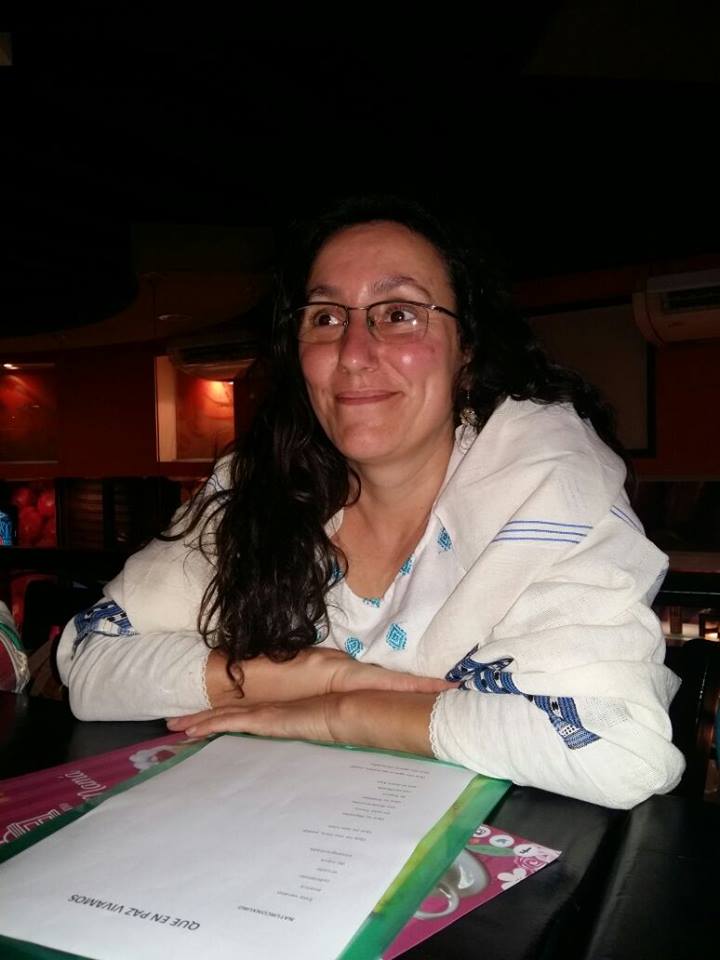
She explains that although she is not of indigenous origin, she identifies as a "Mayanized Vetona" woman. Adopted by the Vetona region, she is a defender of indigenous peoples and sexual diversity, and she was spiritually born in the Mayan lands of Iximulew de Paxil Cayalá (the name of the place where corn originated according to the Popol Vuh, the sacred book of the K'iche' people), which after colonization became known as Guatemala.
Today she is 50, but she began her activism at the age of 21 when she took a trip to Bolivia in the Amazon rainforest where she witnessed situations.
“In that sense, the word activist doesn’t bother me, neither for my own life nor for others. I consider it a synonym for a person who is a defender of human rights. I could say, in my particular case, for example, that I haven’t done anything else in my entire life since I was 21 years old.”
Amalia states that when activism becomes a constant running from one struggle to another, from one pressure to another, acting for the sake of acting without internal transformation, then the word "activist" no longer resonates with her. She recounts her experience in the Spanish Human Rights Association, where she was active for many years and realized that hatred had taken root within her towards the capitalist, white, superficial European world, disconnected from life and dedicated to consumer production, which was slowly wounding her soul and heart. She believes that solidarity is a practice that can help heal these emotions that can contaminate the very essence of people.
“I needed some time to step away from that activism to see it a little from a distance, and that's when I was able to realize that within all these miseries, violence, and critical situations, there was immense solidarity, that among all the people who made up those support networks there was trust…”.
Gabriel Álvarez: on activism and psychology
Gabriel Álvarez is a 32-year-old trans man and a psychologist by profession, specializing in research. He is part of Trans-Formación, the first collective of trans men founded in Guatemala. He says that for him, being an activist means recognizing the boundaries between professional work and activism, but that these two realities constantly intersect. He believes in being a role model not out of ego, but because of his willingness to help others and break new ground.
Gabriel talks about "burnout syndrome" in activism, a situation where, when we become immersed and entrenched in our own problems, we can't distance ourselves and it feels like we have a job 24/7, 365 days a year. He also discusses vicarious trauma, which occurs when the traumatic situation doesn't happen to the activist directly, but they experience it so closely or witness it so frequently that they can develop post-traumatic stress disorder.
“"The problems that affect other peers can hit you quite hard because the level of commitment assumed and the lifestyle, I think, does cause discomfort, and it's also about constantly realizing how hostile this context can be for some populations like us."
Álvarez also comments on the “Manifesto of Radical Tenderness.” It is an activism “that seeks to go forth with its sword drawn. To stand up and show its vulnerabilities not from the wound but from the understanding that one is human and there is no human being on earth who has not gone through some difficulty.”
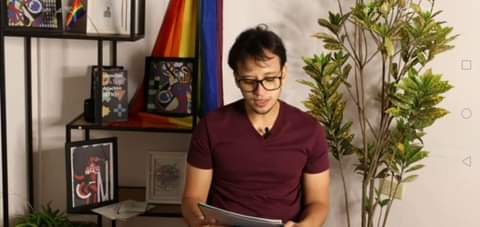
It suggests that for better self-care and care for others, it is important to have genuine support networks, to recognize our boundaries and set them. It's about having spaces where we can talk about our feelings and afflictions, understanding that we are relational beings who need others, and not only defending life but also demanding these needs to be present and connected.
“We (the dissidents) have a history of disengagement because we have been excluded and the theory of recognition tells us that we need a place of belonging but if we do not start to build it we will not get out of that same space either.”
These traumatic events that can happen to activists can build strength in people and enhance tools by making their voices heard, strengthening character and making people stronger by understanding the cause they believe in.
We are present
We are committed to journalism that delves into the territories and conducts thorough investigations, combined with new technologies and narrative formats. We want the protagonists, their stories, and their struggles to be present.
SUPPORT US

FOLLOW US
Related notes


We are present
This and other stories are not usually on the media agenda. Together we can bring them to light.