

Congress of the State of Mexico approves reforms to recognize trans identity
Edomex became the 16th of 32 states to guarantee the right to change gender on the document through administrative means for trans people of legal age.



Share

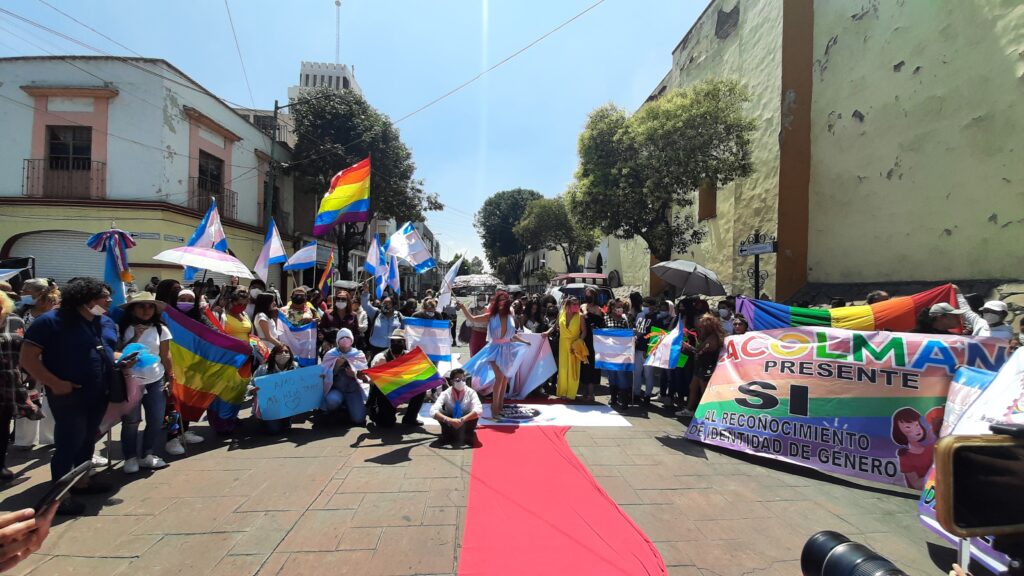
On July 20, the Congress of the State of Mexico (Edomex) approved reforms to the Civil Code that allow transgender adults to obtain a new birth certificate at Civil Registry offices that reflects their gender identity and name. Outside the legislative building, transgender people and activists from various municipalities in the state celebrated, chanting “Yes, we did it! Yes, we did it!”
The ruling was approved with 61 votes in favor, 8 abstentions, and 1 against. Thus, the State of Mexico became the 16th of 32 states to guarantee this right administratively to transgender adults.
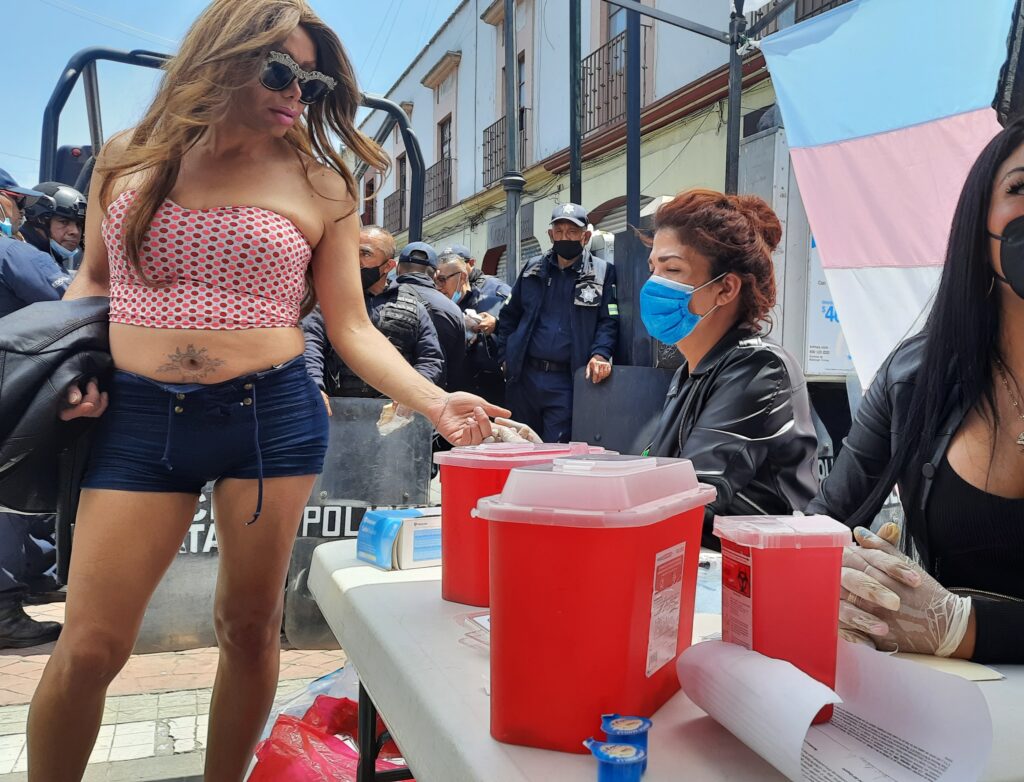
“It was long overdue for this legislature to address this debt. We are happy, I am happy for my trans sisters, for myself, but also for the new generations who will be able to access this right. This will allow the inequality gap to narrow, leading to better educational, employment, health, and social opportunities. This law is also for survivors of expulsion and segregation, those who did not have access to a family, education, or dignified work. But the most important work is yet to come; there is much more to be done,” said Tanya Vázquez, a member of the Mujeres Trans Famosas Toluca .
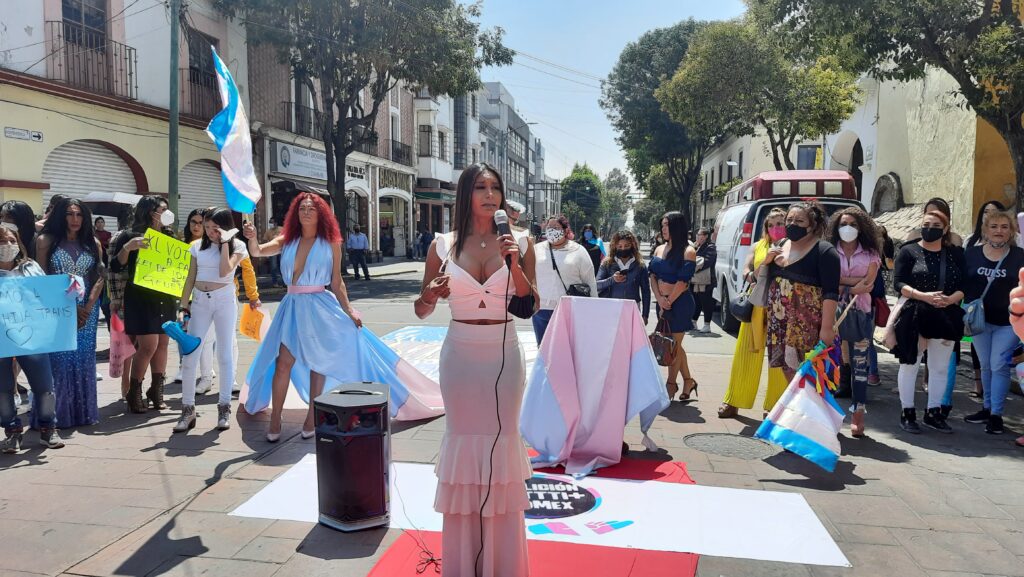
To complete the process, interested adult transgender people must appear at any Civil Registry office in the State of Mexico; indicate the registration data recorded in the original certificate, provide their requested gender and name, and declare under oath that they do so personally and voluntarily.
However, it can only be processed once the reforms are signed by the governor, Alfredo del Mazo, and published in the Official Gazette of the State of Mexico.
A 16-year struggle
Tanya Vázquez tells Presentes that Mujeres Trans Famosas Toluca (Famous Trans Women of Toluca) was the organization that, for the past 16 years, has spearheaded the fight for the right to identity to be recognized in the State of Mexico. The first proposal they developed was in collaboration with Patricia Mireles Sosa, an activist, lesbian, and president of the Council for Sexual Diversity of the State of Mexico ( CODISEM ).
But it wasn't until 2019 that Representative Liliana Gollas presented a bill to joint committees of Congress that included reforms to the Civil Code to guarantee the right to identity for transgender people. The proposal was developed in conjunction with the LGBTTTI+ Coalition of the State of Mexico , made up of various organizations and collectives, including Famosas Toluca, CODISEM, Fuera del Clóset , and others. On December 11, 2020, the joint committees of Congress approved the reform bill, and it went to the full Congress for a final vote.
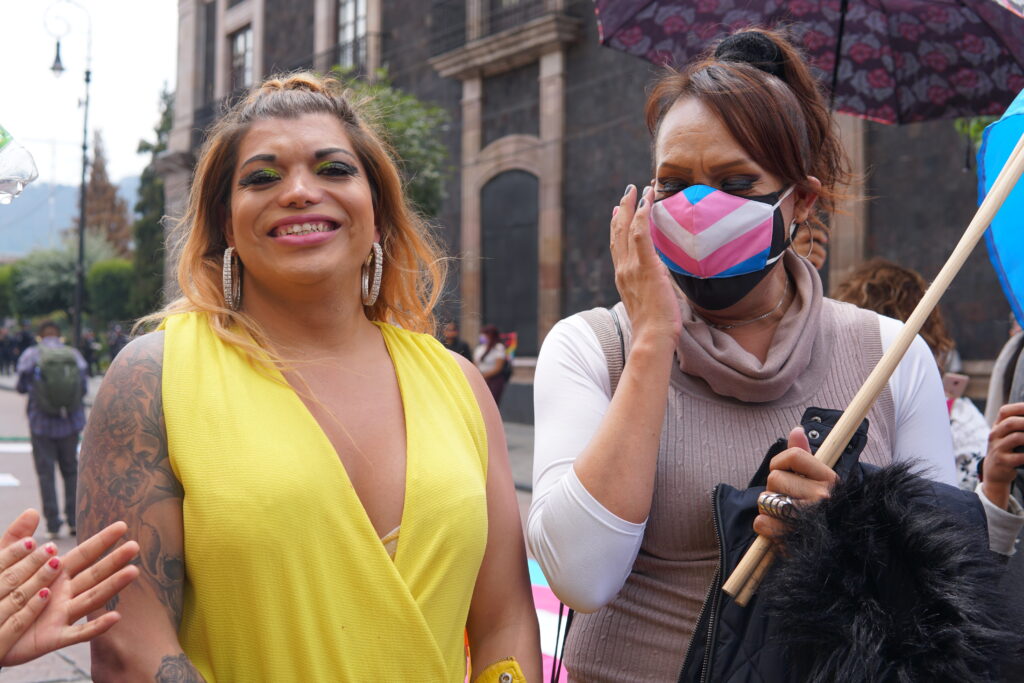
The vote in the plenary session took seven months to arrive. “We felt that the delay was for political reasons, since the election came up. Several representatives made promises to us, but nothing happened,” Vázquez says. After the broken promises, trans activists staged a sit-in outside Congress and began a hunger strike because “we were fed up with so much negligence from this and previous legislatures in failing to redress the historical wrong.”
By the end of March 2021, the deputies had made a commitment to the activists and set a date for the vote and approval: July 20.
Transodium
During this waiting period, trans activists experienced harassment from transphobic women's groups and the National Family Front, who, through hate speech and disinformation, argued that the law "erased" and "endangered" the rights of cisgender women and that it intended to "hormonize and mutilate" children. Nothing could be further from the truth.
The reforms —approved on July 20— propose that transgender adults can obtain a new birth certificate specifying their name and gender identity through an administrative process, with the aim of preventing transgender people from having to go through pathologizing trials or lengthy and costly legal proceedings to have their identity recognized.
“What has happened in Congress with these groups is sexist, violent, patriarchal behavior, which is the same thing that kills diverse women, and by diverse I mean both cis women and us, trans women. Of course, we are against any discourse and collective that incites hatred because what we want is to support feminist struggles, as we have done, so that they help and contribute to guaranteeing the rights of diverse women,” says Tanya Vázquez.
“Yes, we did it!”
“The opinion and the draft decree have been accepted in general by a majority vote,” was the announcement made by Congress after the favorable vote of 61 votes.
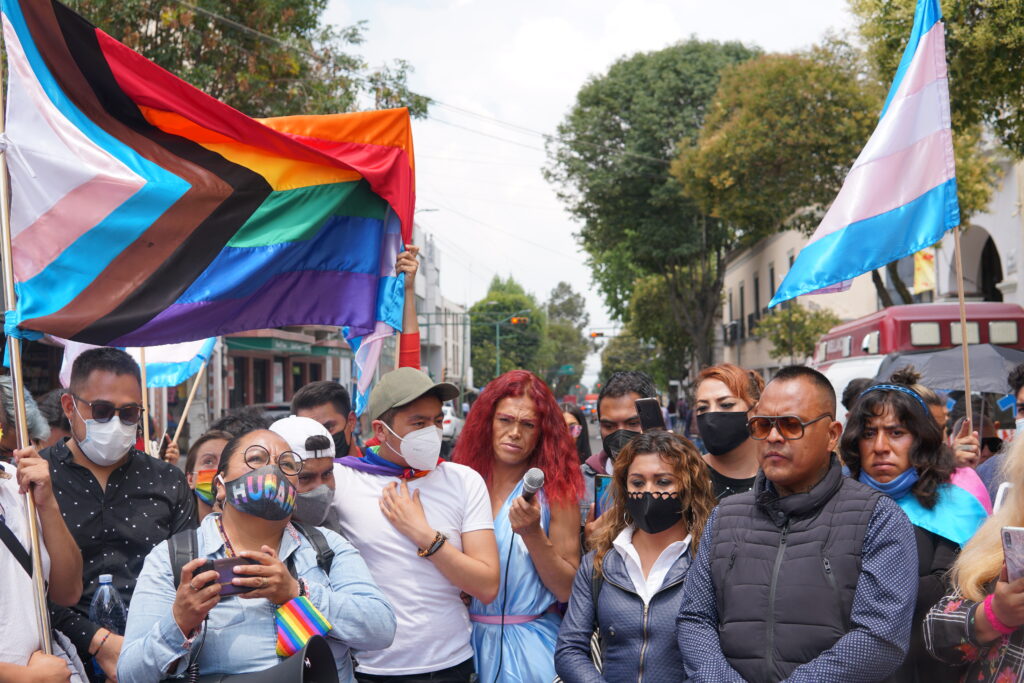
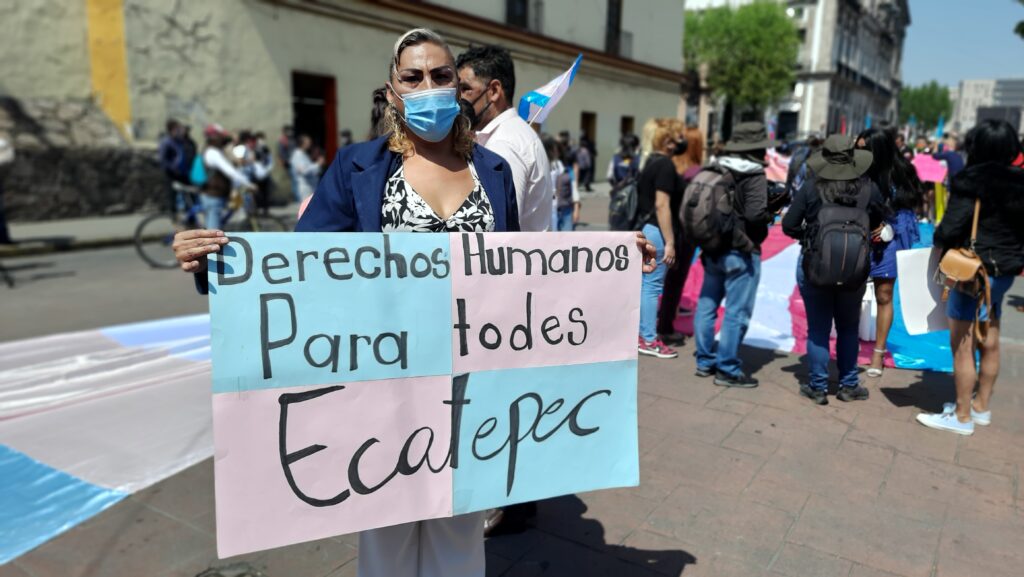
Outside the Congress were trans people from the State of Mexico and others from Mexico City who came in support. Upon hearing the ruling, they shouted in celebration, “Yes, we did it! Yes, we did it!”, waving flags and raising their fists in the air.
Agencia Presentes covered the event from Congress and gathered testimonies to learn about their feelings and understand why it is important that their identity be recognized.
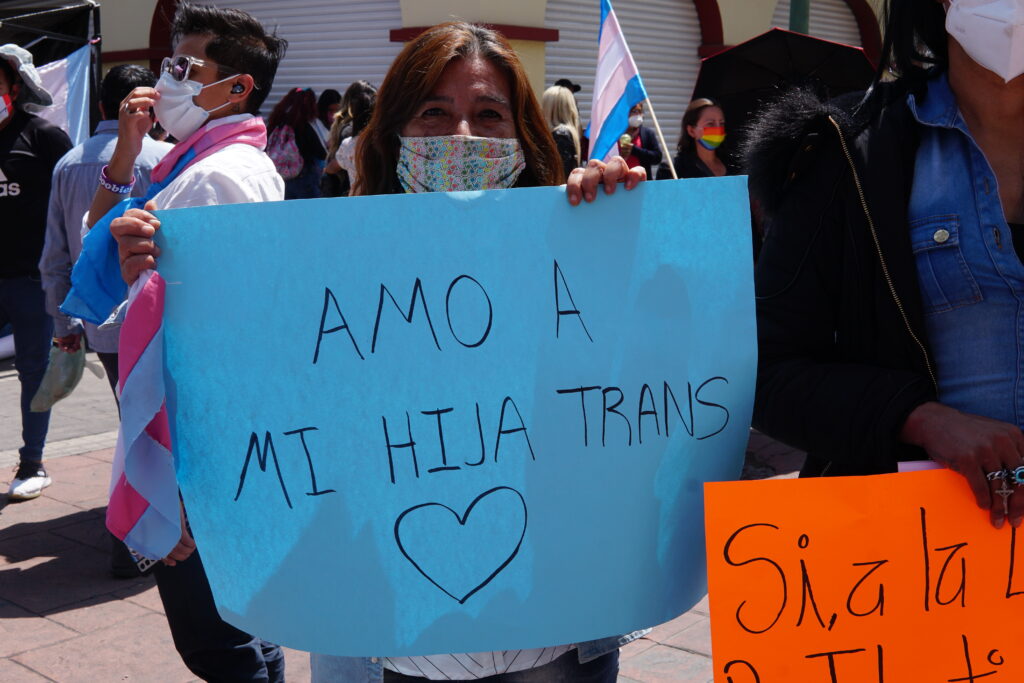
“Trans people don’t want more rights than anyone else—as some have said—all we want is the same access, the same possibilities, and the same number of opportunities as everyone else. Trans men exist, even though we are made invisible by a patriarchal state that erases you upon reaching this status of manhood, where it no longer matters if you have trouble obtaining your documents and accessing employment. My experience in the workplace was horrific; I lost all my benefits, including the opportunity to apply for a job in another country. The reality that trans people experience, with or without privilege, has a lot to do with how society perceives us, and I believe it is time for this identity law to aim to break down the stereotypes and prejudices that have so greatly harmed our community. The debt is historical, and we are going to achieve justice. If we don’t come for everything, what are we here for? Identity Law!” —Diego Martínez, trans man.
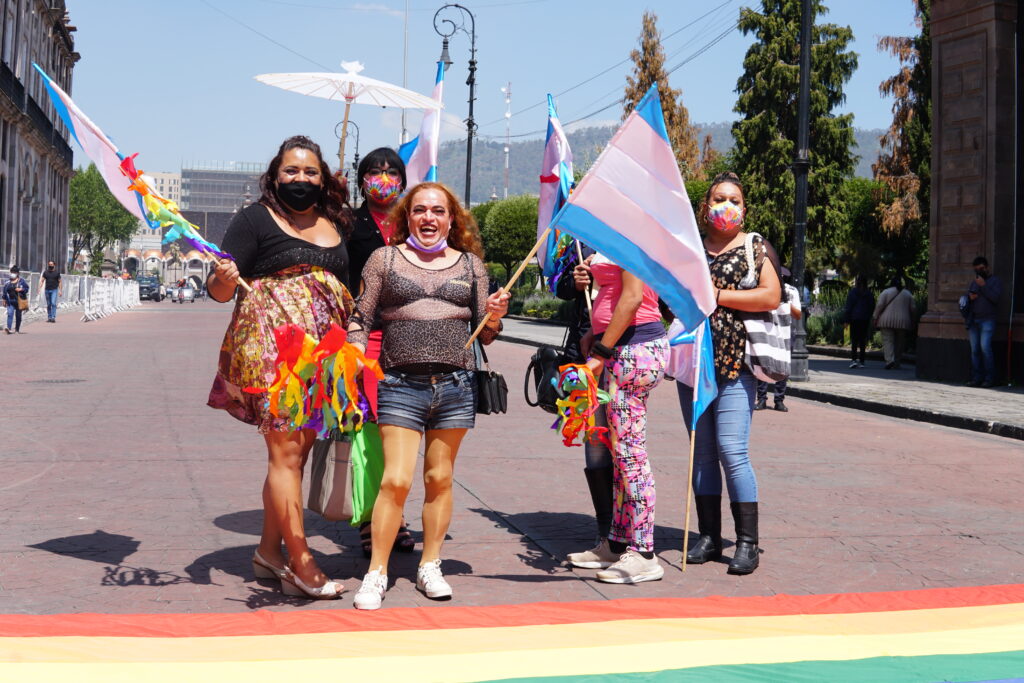
“I never thought this day would come, and I’m so happy to be here because for over 15 years we’ve been fighting for recognition of our identity. Trans people have been subjected to discrimination and violence in every possible way. I’m here, under this sun, so that future generations don’t have to go through what we went through. It’s not my fault I wasn’t sent to school; I can barely read, but thank God, what little or much I know has helped me get by in everyday life. They say we have no rights, that we have nothing. Right now, I have plenty. My name is Rudy, they call me Rudy, and I am Rudy.”
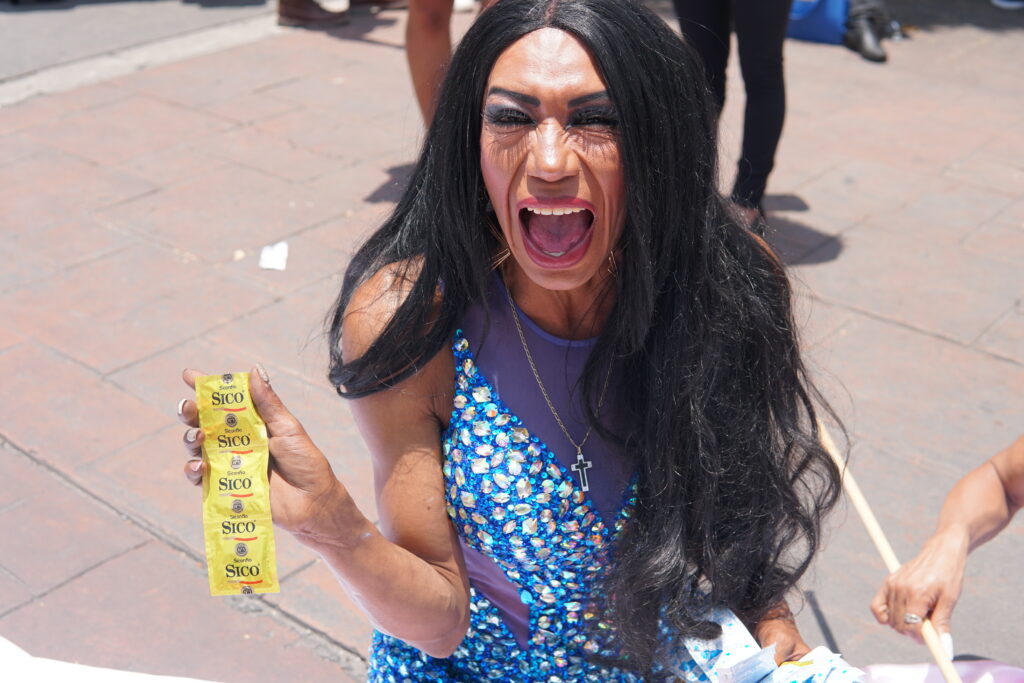
“We are in a regressive, sexist, and heteronormative context. The hardest part is yet to come: re-educating society and raising awareness about the importance of this law. This law doesn't change anything overnight; for this reality to truly change, public policies are needed to provide access to employment, healthcare, education, and dignified work. We need a retirement home for transgender survivors and, in the future, to include transgender children in this identity law because that's where it all begins.” —Tanya Vázquez.
We are present
We are committed to journalism that delves into the territories and conducts thorough investigations, combined with new technologies and narrative formats. We want the protagonists, their stories, and their struggles to be present.
SUPPORT US

FOLLOW US
Related notes


We are present
This and other stories are not usually on the media agenda. Together we can bring them to light.