

“Our Trans Comprehensive Sexuality Education”: Young feminists and members of the LGBTQ+ community created a podcast about sex education
They are between 17 and 23 years old, active in different spaces, and have created a fundamental tool for the sexual education of young people.


Share

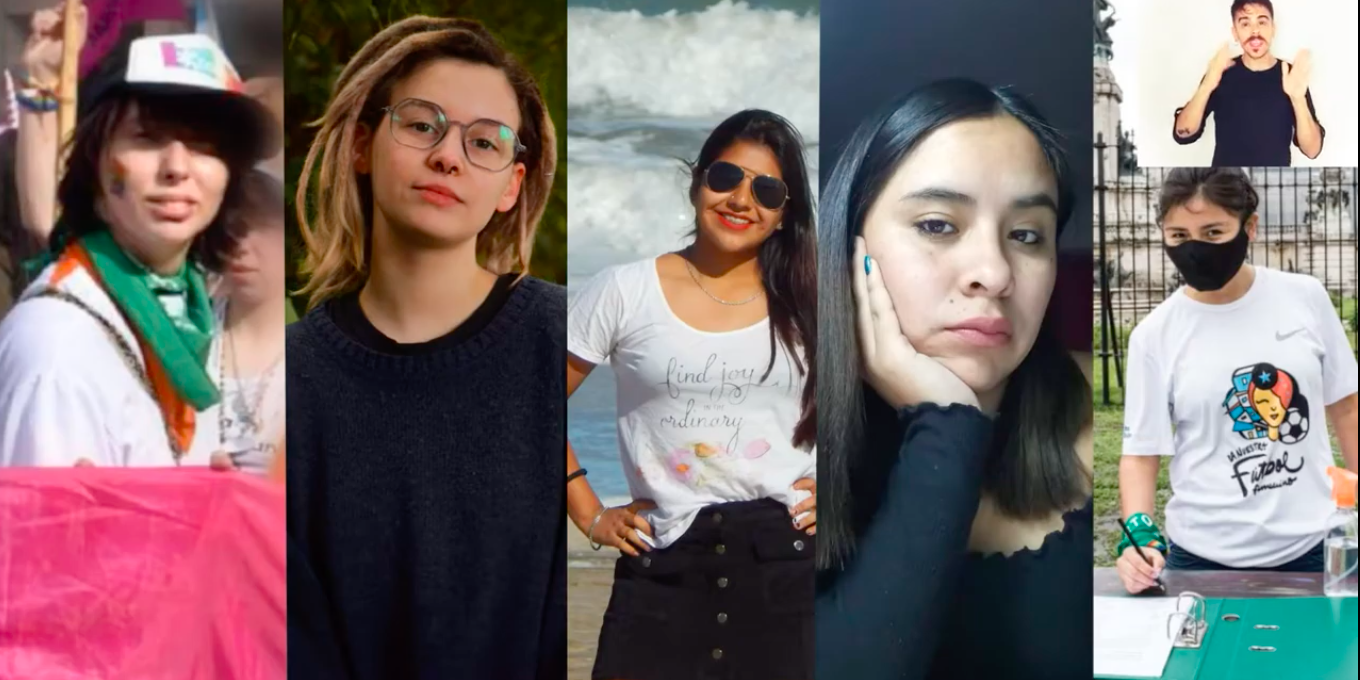
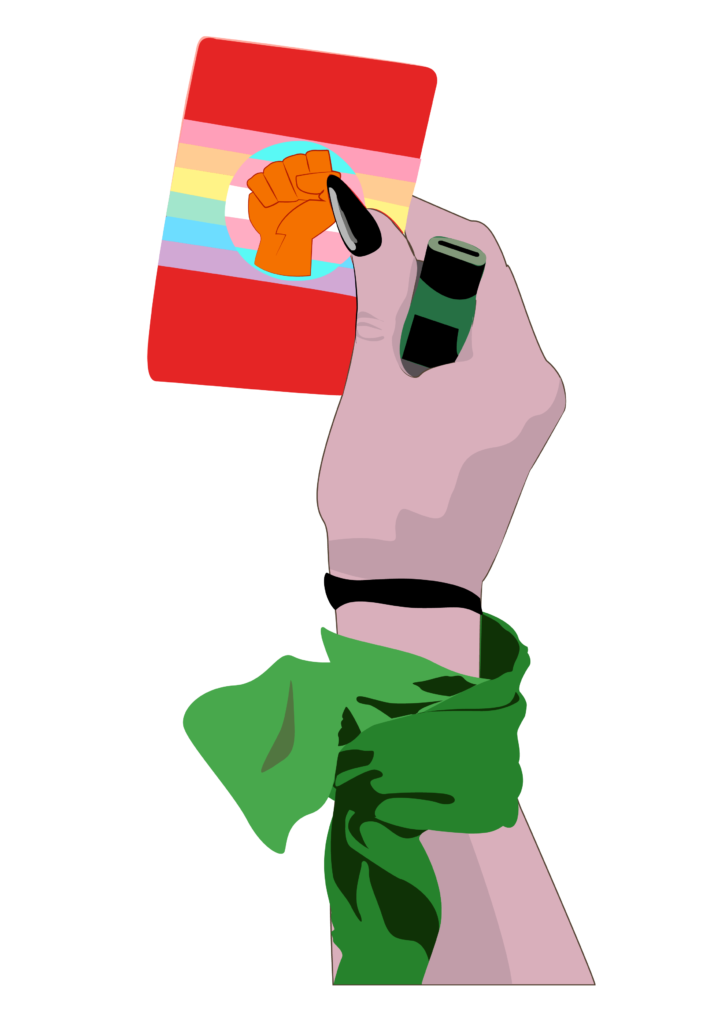
“We are Nuestra ESI Trans, a red card to sexism,” says the voice of a trans boy in a podcast on Spotify and also in a video with sign language. “We are between 17 and 23 years old and we are activists. Now we are going to talk about non-normative identities and institutions,” the voice continues, accompanied by photos and logos of Argentinian organizations and the UN.
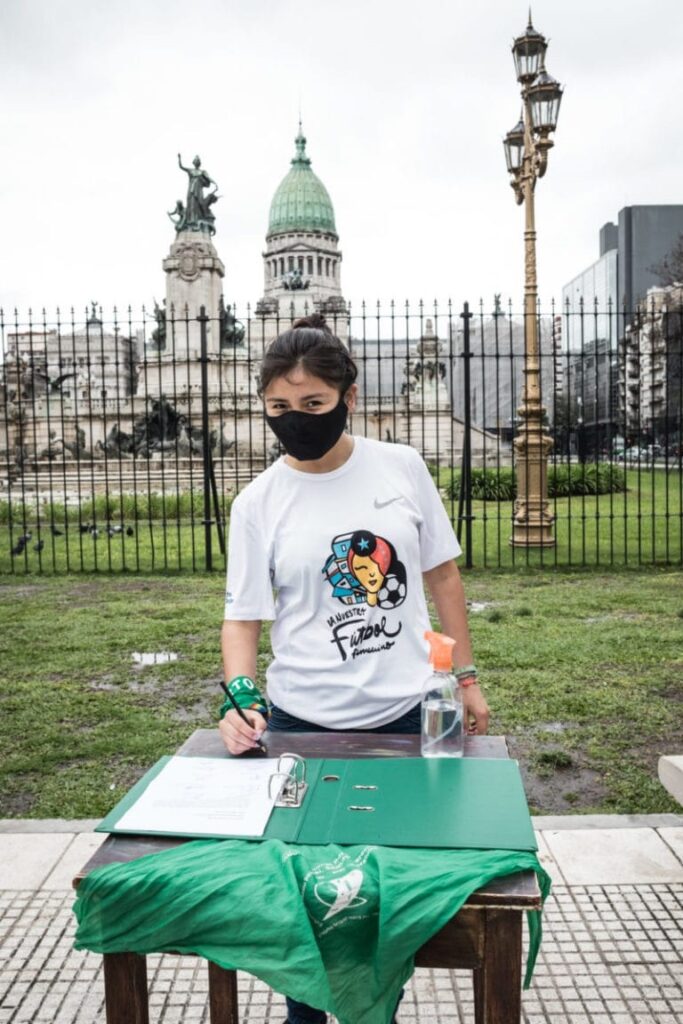
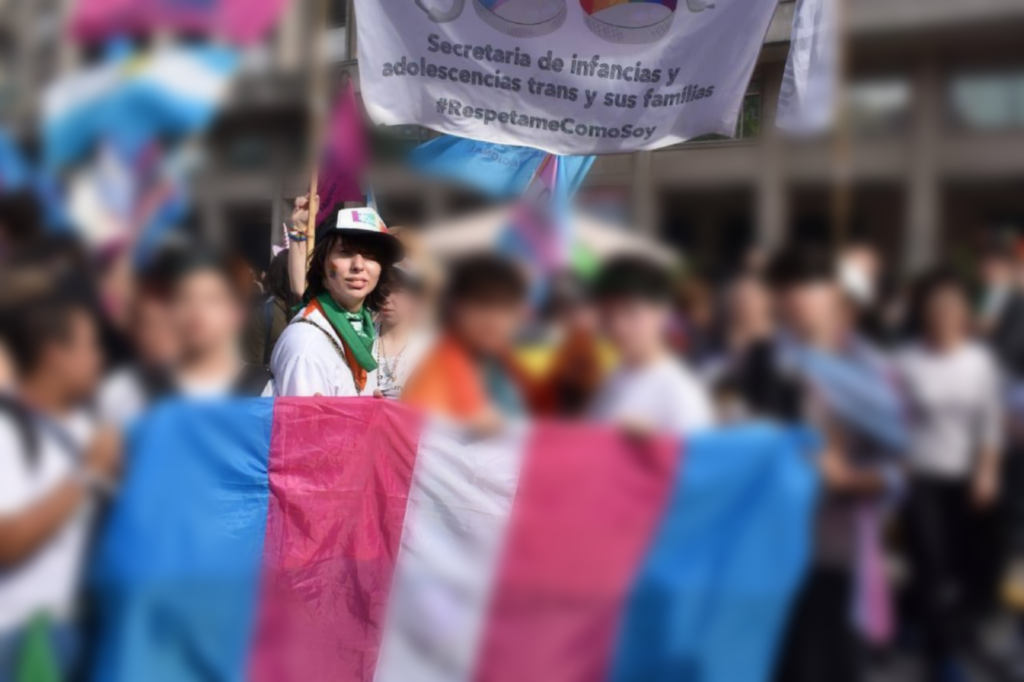
The speaker is Alex Llamazares, 17 years old, and a member of the Secretariat for Trans Children and Adolescents and their Families of the Argentine LGBT Federation; then Alejandra Clavijo, a 19-year-old cisgender woman and a leading figure in La Nuestra Fútbol Feminista (Our Feminist Football), will speak. They will be the main voices of a winning project.
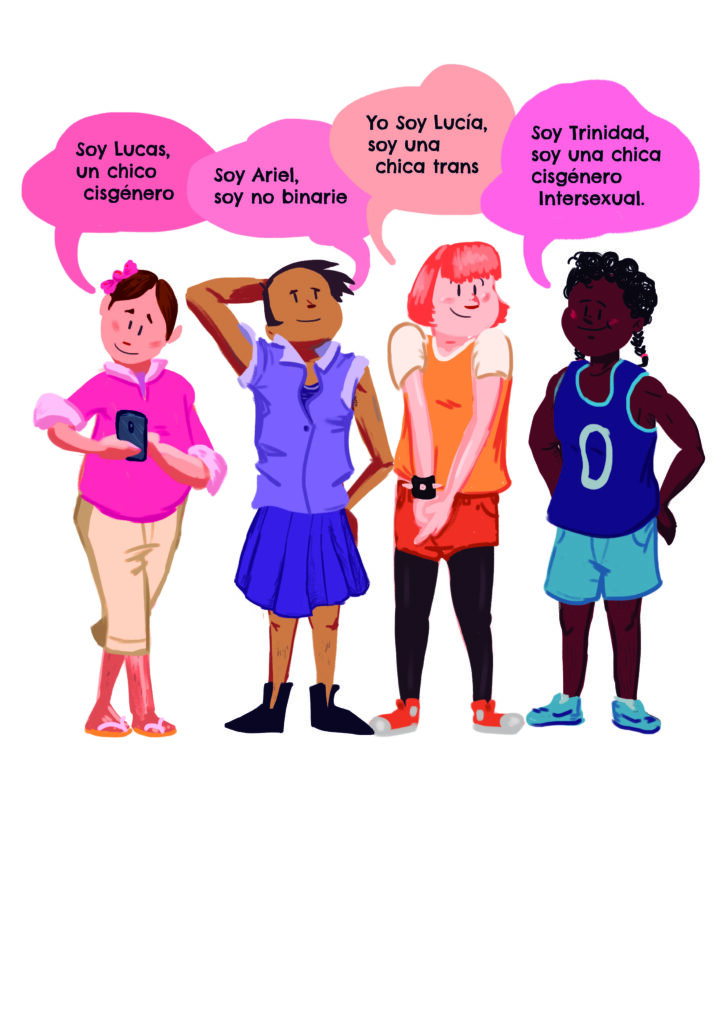
In September 2020, a call for proposals was launched for young people across the country to submit projects aimed at preventing gender-based violence through Comprehensive Sexuality Education (CSE), and six proposals were selected. Among them were the organizations to which Alex and Alejandra belong. They didn't know each other, but from there they began working together and created "Nuestra ESI Trans" (Our Trans CSE), receiving support from the National CSE Program of the Ministry of Education.
The call was promoted by Spotlight in Argentina, a global alliance of the European Union and the United Nations that seeks to contribute to the elimination of violence against women and girls worldwide.
“It’s a call to adults to think and see that we, from our adolescence, can do something and that we don’t want them to stop us,” warns Alejandra Clavijo about this material that, she says, changed her way of understanding many things, especially the adversities that her trans peers go through.
A podcast for my dad
“When I started transitioning, my dad had no idea what was going on, and that made it really hard for him to accept me,” says Alex Llamazares. He lives in Ingeniero Maschwitz, in the Escobar district, and has been an activist since he was 12.
“Once she understood what it meant to be a trans person, she went to the Secretariat, listened to a talk, and saw that other parents were going through the same thing. She started to open up, and her relationship with me improved a thousand times over,” she adds. That's why she thinks this material, which she created with other young people, can be key not only for those transitioning, but especially for adults, so they can understand and support them with information, knowing what's happening.
When he began his transition at 14, he says he had no idea what it meant to be trans. “I think that material would have helped me a lot,” Alex reflects.
It's with ESI (Trans)
“ Es con ESI arose from the concern about the problems of gender violence in our country, and from the conviction that the Comprehensive Sexual Education Law and the promotion of ESI in schools is a fundamental tool to think about new ways of relating to each other, more equitable, more egalitarian, and that end gender violence,” Impacto Digital, the organization that together with Fusa Asociación Civil launched -with the support of Spotlight- the call that was won by the organizations of which Alex and Alejandra are a part, told Presentes.
Manuel Aguilera says they reversed the question: “Instead of asking ourselves how we could provide tools to the kids, what we asked ourselves was how we could make it so that all that mobilized youth, working and defending their rights, could amplify their voices and so that the same kids could train teachers, state officials, different public policy implementers and above all help them build policies for young people conceived and designed by the young people themselves.”
The call for proposals received over 100 projects from across the country, and from these ideas submitted by young people from different provinces, eight were selected, which were later narrowed down to six. Those selected received 30,000 pesos for project design and technical support. The organizations provided them with facilitators who monitored and tracked the progress of their projects.
More accessible material
The decision to create both a podcast and a video was made by the creators themselves. As part of their work, they interviewed leading figures in Comprehensive Sexuality Education (CSE) from different parts of the country to learn about their needs and working methods. One of these figures explained that in her province, especially in rural areas, they often hold open radio broadcasts sharing CSE content, and a podcast format would have been ideal, as it wouldn't rely so heavily on visuals, but they didn't have the resources to do so.
That's why they decided part of it would be audio-only. The problem was that this excluded those who couldn't hear. "Since we realized it had to be truly inclusive, we decided to make the video with sign language," says Alex. So, both chapters, one about non-normative identities and the other about women and diversity in sports, can be seen and heard.
Alejandra, from La Nuestra Fútbol Feminista (Our Feminist Football), is convinced that having materials like this in schools could change the challenges her trans friends face. In addition to podcasts and videos, there's a PDF guide with laws, websites, and resources on how to teach comprehensive sexuality education (CSE) with a focus on sexual diversity. There are also colorful activities that explore different body types. She believes it's important for teenagers who need information or feel lost. And she urges teachers to use this material and present it to their students.
An enriching amalgam
“It was great working with a different organization, mainly because they could provide us with information that we wouldn't have applied at all if we hadn't already gathered it with the girls from La Nuestra. We knew all the data on sexism in sports from the perspective of how it affects trans people. But their insights into the limited funding that organizations provide for women's soccer compared to men's is a perspective we might not have broadened,” says Alex.
Alejandra also believes it broadened her perspective. “Being part of this project was very enriching for me. I think it changed my way of seeing things a lot, because I wasn't very familiar with the trans community. I have acquaintances, friends, and so on, but it's a whole other world you enter when you learn in detail about the adversities they face.”
Football, feminism and family
“At La Nuestra, we’re a pack doing our own thing, standing tall on the field just like we do in life,” says Alejandra. Ten years ago, she saw how a group of women fought for their space on a mud field in Villa 31, so that the men, who yelled at them to go wash the dishes, wouldn’t take their place.
“I am a foreigner, I am Bolivian. When I moved to Villa 31, we bought a house next to the small soccer field, which was dirt. I saw how the boys threw stones at the girls on the field, they told them to wash the dishes. I saw all that struggle from a young age,” says Alejandra.
There she found her second family. Now there are more than 200 women, girls and children, from six years old to any age, there is no limit.
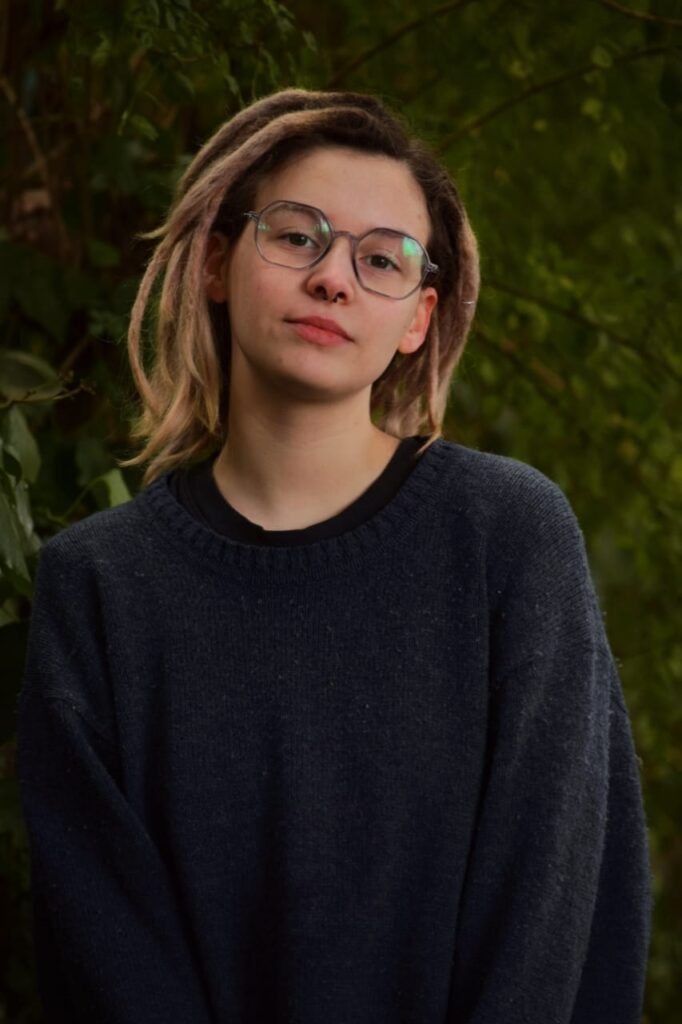
“In elementary school, they already separate the girls and send them to play hockey or volleyball. Physical education teachers aren't keen on the idea of mixed-gender or women's soccer,” Alejandra complains. In the video, she also shares her experiences of how difficult it is to be a woman, an immigrant, and from a poor neighborhood.
But she's not pessimistic, and she not only intends for things to change, but she plans to be one of those who makes it happen. "It's a call to reflection for adults that things are changing, and that we are the ones who are going to fight for this change whether they like it or not, facing any adversity, being trans, being women, being the silenced people we were until now."
We are present
We are committed to journalism that delves into the territories and conducts thorough investigations, combined with new technologies and narrative formats. We want the protagonists, their stories, and their struggles to be present.
SUPPORT US

FOLLOW US
Related notes


We are present
This and other stories are not usually on the media agenda. Together we can bring them to light.