

Six trans women murdered in 12 days in Mexico: one trans woman killed every 48 hours
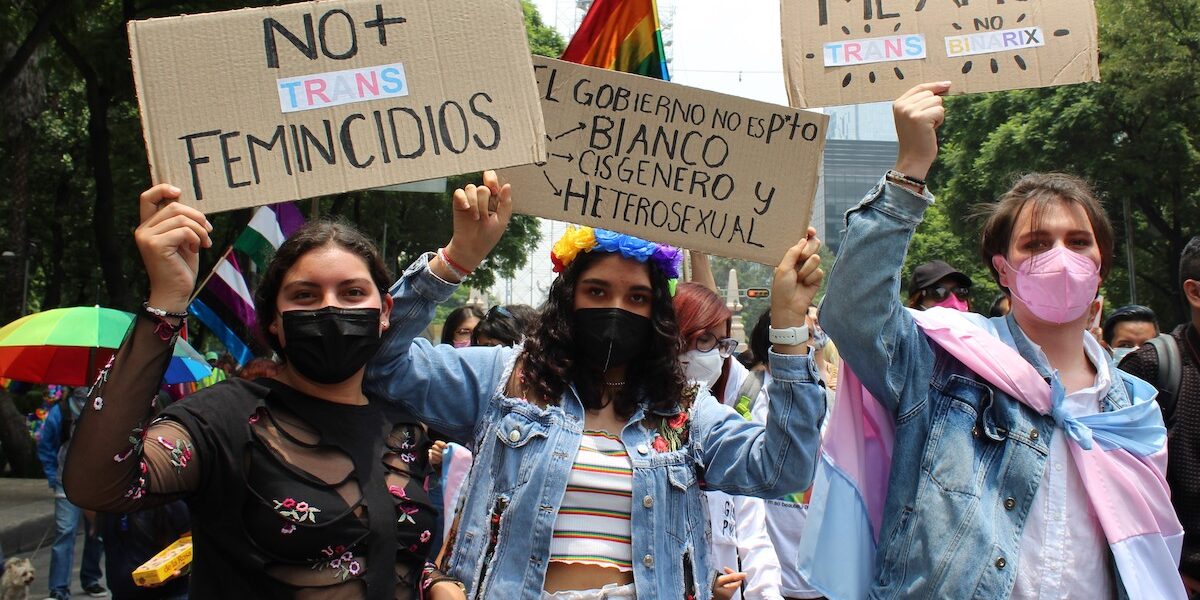
Kendra in Tijuana, Valeria in Colima, Ivonne in Mexico City, Michell and Dayana in Jalisco, and a trans woman whose name is still unknown were victims of fatal transphobic violence in Mexico. They demand an investigation with a gender and human rights perspective.


Share

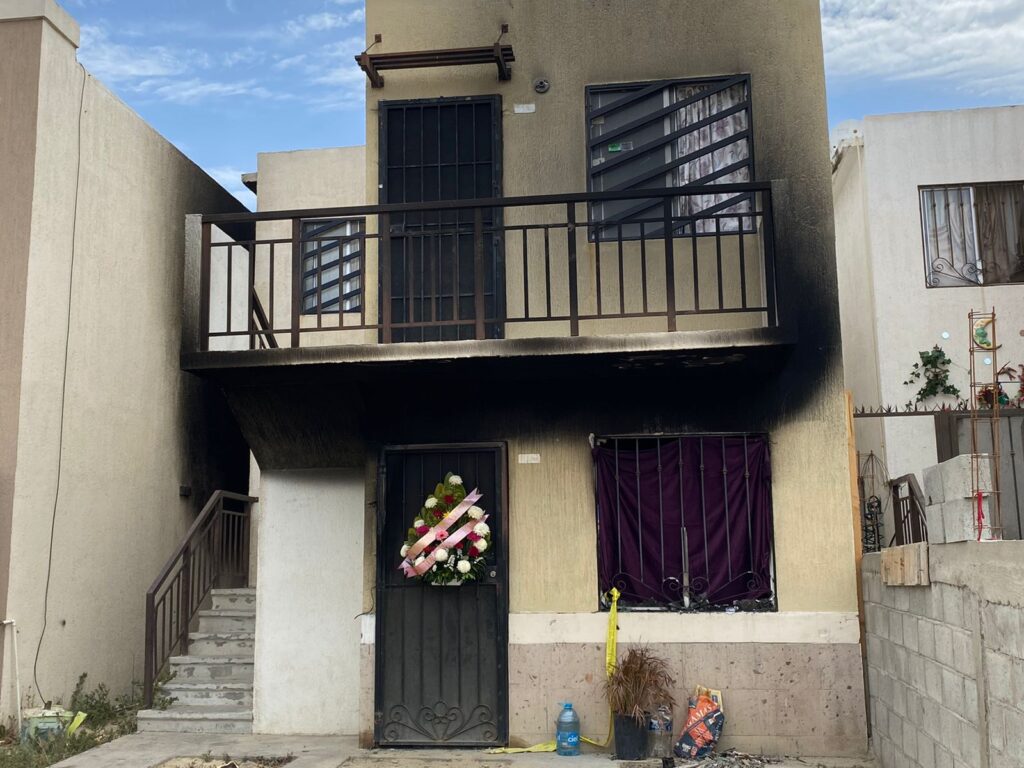
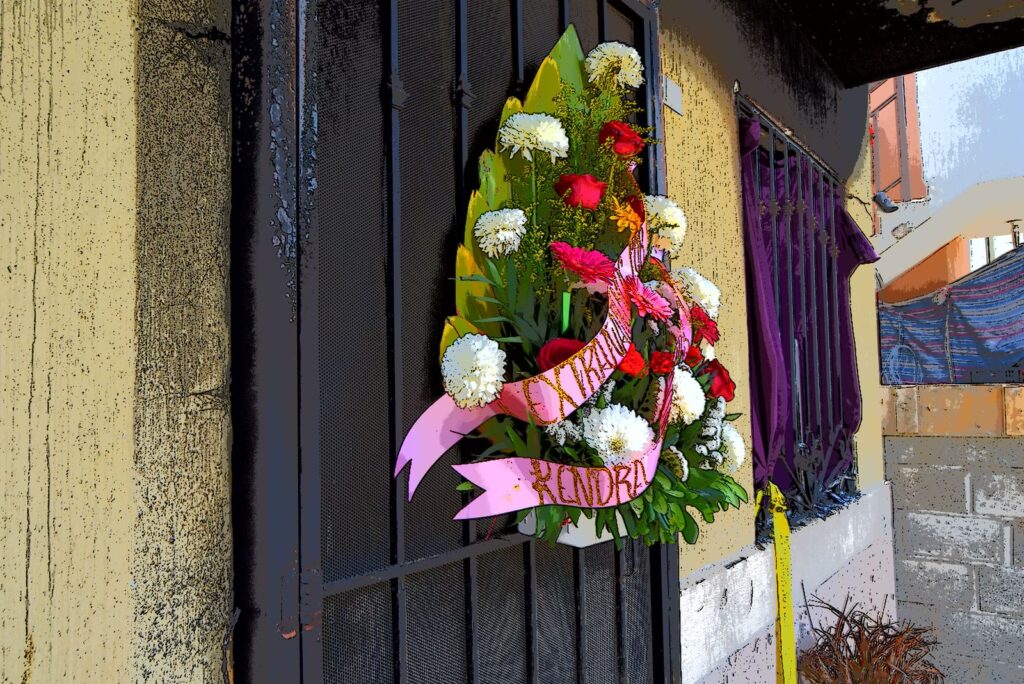
On July 7th in the border city of Tijuana, Kendra Medina, a 29-year-old trans woman, was murdered and her house was set on fire. Kendra's transphobic murder was the third to occur in Mexico in a single week. That same day, but in Colima, Valeria was murdered and tortured ; and on July 1st, Ivonne was murdered in Iztapalapa, Mexico City .
Because of this wave of transfeminicidal violence, the National Council to Prevent and Eradicate Discrimination (Conapred) and the Ministry of the Interior urged the authorities to investigate with a gender and human rights perspective.
At the time of publication, Presentes received news of three more transfeminicides: that of Michell and Dayana in Jalisco; and the transfeminicide in Colima of a trans woman, whose name is still unknown.
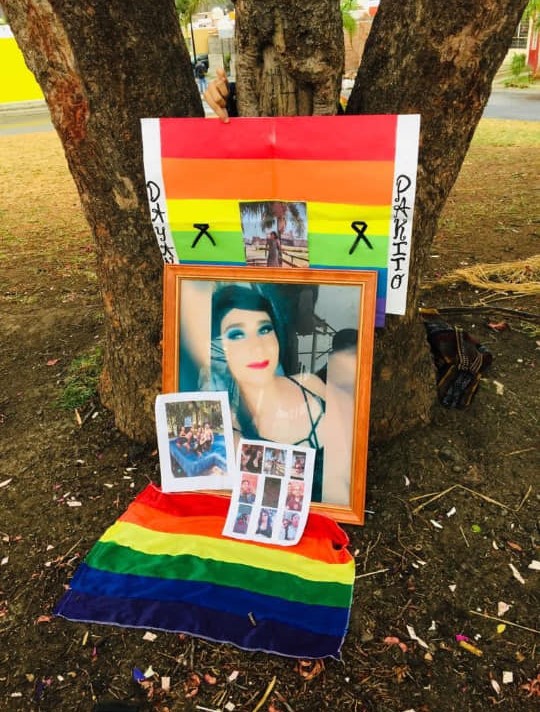
What has happened in the last twelve days confirms the data released by the organization Letra S in its latest report : an average of 6.5 LGBT people are murdered each month in Mexico. But these recent crimes also suggest that the actual number of victims of hate crimes may be much higher.
Kendra was murdered and her house was burned down

Regarding the murder of Kendra Medina in Tijuana, the Baja California Attorney General ruled out that it was a hate crime and will not be investigated as a femicide. LGBT groups and trans activists are demanding the application of the national protocol for law enforcement personnel in cases involving sexual orientation, gender identity, or gender expression.
“Her death is something very horrible, very painful, and we don’t understand how or why. And how can I put it? Well, (Kendra) was a very friendly person; no one ever knew anyone who didn’t like her. We feel very angry because nobody deserves to die like this,” Yaritza Ibarra, Kendra’s childhood friend, expressed with restrained emotion in a telephone interview.
According to information provided by reporter Lorena García to the State Attorney General's Office, Kendra's murder is simply a homicide. Furthermore, statements by prosecutor Hirám Sánchez reveal his ignorance in distinguishing between sexual orientation and gender identity.
Transphobia in Baja California
“We are not the ones to deny other people’s identities, and unfortunately, the prosecutor is allowing himself to refuse to recognize Kendra as trans . Furthermore, he confuses key terms like gender identity with “sexual preferences,” an outdated term that shows a lack of respect for the human rights of sexual diversity. This only continues to reflect a lack of sensitivity toward the LGBTTTIQ+ population, which results in a lack of follow-up on cases with a gender perspective,” says a statement from the Tijuana LGBTI Cultural Community organization.
According to records kept by trans activist Susana Barrales, at least five other trans women have been murdered this year in the state of Baja California . She says that the names of some of them are unknown, precisely because their deaths are underreported as homicides, since there is still no gender identity law that would allow the trans population to legally update their documents with their name and gender.
Kendra: bruises and signs of torture
Kendra lived in the Hacienda Los Laureles Pacífico neighborhood, located on the outskirts of Tijuana, in the large industrial complexes, 19 kilometers from the city center. She worked in the Molding area of Plant 1 on the A shift at the Industrial Hunter maquiladora.
Simey, a trans woman and Kendra's neighbor, recounts that around six in the morning, neighbors reported a fire. “The neighborhood has been without water for a week, so there was no way to help. Besides, there wasn't a cry for help. Nobody thought Kendra was inside her house because we knew she worked the morning shift.”.
Firefighters who entered to extinguish the blaze found Kendra with bruises and signs of torture. According to information from reporter Ángel Alpuche for El Imparcial, forensic experts from the State Attorney General's Office ruled out fire as the cause of death and presumed, based on a wound on her neck, that the cause may have been strangulation.
However, almost a week after the incident, the Prosecutor's Office has not clarified the official cause of death . According to a local media outlet, the autopsy by the Forensic Medical Service indicates that it was due to a "traumatic brain injury caused by a violent blow."
Prosecutor's office does not investigate hate crimes
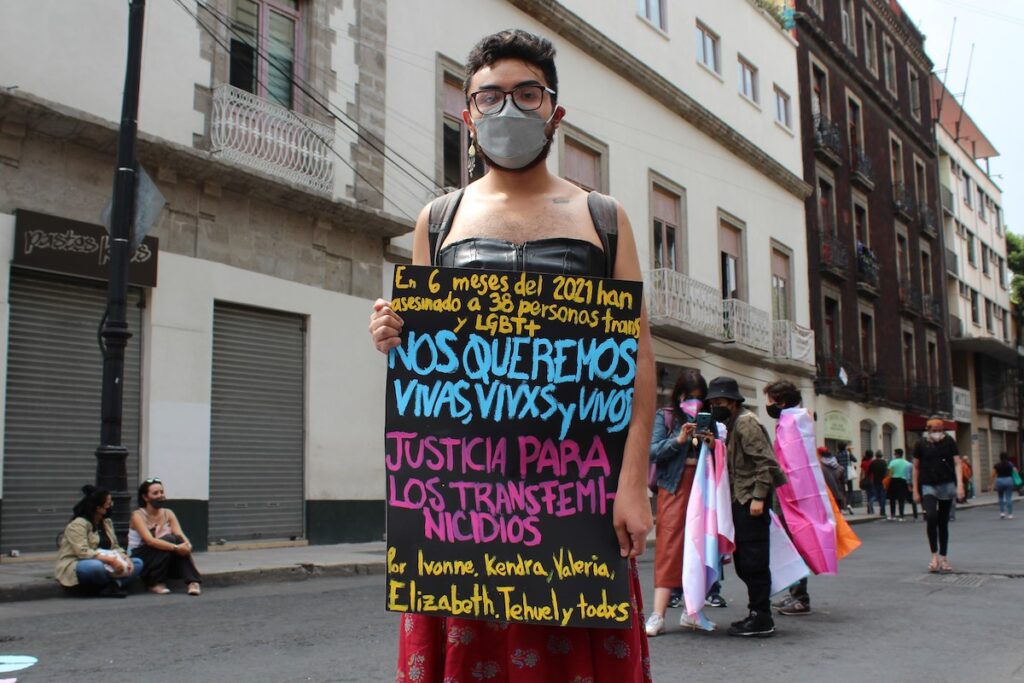
The chief prosecutor, Hiram Sanchez, stated that Kendra's murder does not meet the criteria to be investigated as a femicide, nor as a hate crime. The reasons?
“We didn’t initiate the investigation as a crime against a trans person because he was identified by his given name, as a male. He hadn’t undergone any gender reassignment surgery, at least he wasn’t transgender, so we had no knowledge of how he came to have that preference and made it known on social media […] And no evidence was found that it was related to his sexual orientation,” he told local journalists.
The Baja California Penal Code does not classify the sexual orientation or gender identity of the victims as an aggravating factor in homicide cases, nor is it specified within the femicide crime protocol. In Mexico, only 13 states include these aggravating factors in their penal codes for the crimes of homicide and serious bodily harm.
According to reporter Lorena García, the prosecutor explained that the main line of investigation is that "the murderer is a person who knew the victim.".
Kendra's journey, from Nayarit to Tijuana
Kendra was originally from a town in Tecuala, Nayarit, a state in western Mexico, and at the age of 20 she migrated to Tijuana. “Life there is more rural, she didn’t like that life, she wasn’t suited for it, and she left out of necessity because there are no opportunities there,” says Yaritza Ibarra, Kendra’s childhood friend, in an interview with Presentes.
Kendra began her physical transition in Tijuana. Yaritza says that her family “always respected” the femininity she was already expressing, “especially when dancing to reggaeton and English music that she really liked,” she recalls.
Family and friends followed her transition through Facebook. “I saw her photos and that she was going to exercise. At first, she changed her name a lot, but then she settled on Kendra. I think she chose that name because of the telenovela she really liked, the one starring Marjorie De Sousa (who played Kendra Ferretti in 'Amores Verdaderos'),” Yaritza explains.
Yaritza says that Kendra was respected at the factory. On the day of her murder, the company expressed its condolences to her family.
Two days after her murder, the community where she grew up organized to raise money so Kendra's body could be transported from Tijuana to Nayarit. This Sunday, July 11, she was mourned by friends from her work, but her body remains in Tijuana. "Kendra's transfer has been postponed because there are no flights to Nayarit," Yaritza explained in an interview.
Kendra's family, friends, neighbors, and activists are demanding justice.
“Tijuana is transphobic, sexist, and conservative.”
“Tijuana is a transphobic, sexist, and conservative border city. LGBT people, but particularly women and the trans community, are experiencing a lot of sexist and transphobic violence, as well as violence from armed groups and politicians with hate speech,” says Susana Barrales, a trans activist from that city.
Susana's words and perceptions align with the data. For the third consecutive year, Baja California is the most violent state in Mexico , according to the 2021 report from the Institute for Economics and Peace. Furthermore, on June 30th, the Ministry of the Interior activated a Gender Violence Alert due to the increase in femicides, rape, and domestic violence in at least six municipalities in the state, including Tijuana.
“When I found out, my skin froze. Suddenly knowing it was my neighbor, another trans woman, makes me feel in danger, because we don't know if there's someone out there looking to attack us,” says Simey, a trans woman and Kendra's neighbor.
“ Trans women don’t deserve this: to live in fear. We are human beings who deserve all respect and we need rights . We demand to be treated with equality and without violence, not with kid gloves. And oh, what we are going through hurts me deeply, and I’m afraid, I won’t deny it, for myself and my friends. We shouldn’t even have to be thinking about going to the other side (migrating to the United States) to avoid being next,” says Susana Barrales indignantly.
Susana adds that she prefers to stay out of the investigation into Kendra's murder, but is in contact with the family should they need support. She has received threats in the past because of her activism, and given the current situation in Tijuana, she is prioritizing her own safety and that of the trans women around her.
We are present
We are committed to journalism that delves into the territories and conducts thorough investigations, combined with new technologies and narrative formats. We want the protagonists, their stories, and their struggles to be present.
SUPPORT US

FOLLOW US
Related notes

We are present
This and other stories are not usually on the media agenda. Together we can bring them to light.