

Interview: Marlén Viñayo, the filmmaker who tells the story of two gay ex-gang members in a Salvadoran prison
"Unforgivable" is a short documentary that explores the relationship between two young gay ex-gang members in a Salvadoran prison. We interviewed its director, Marlén Viñayo.


Share

Photos: Neil Brandvold and La Jaula Abierta.
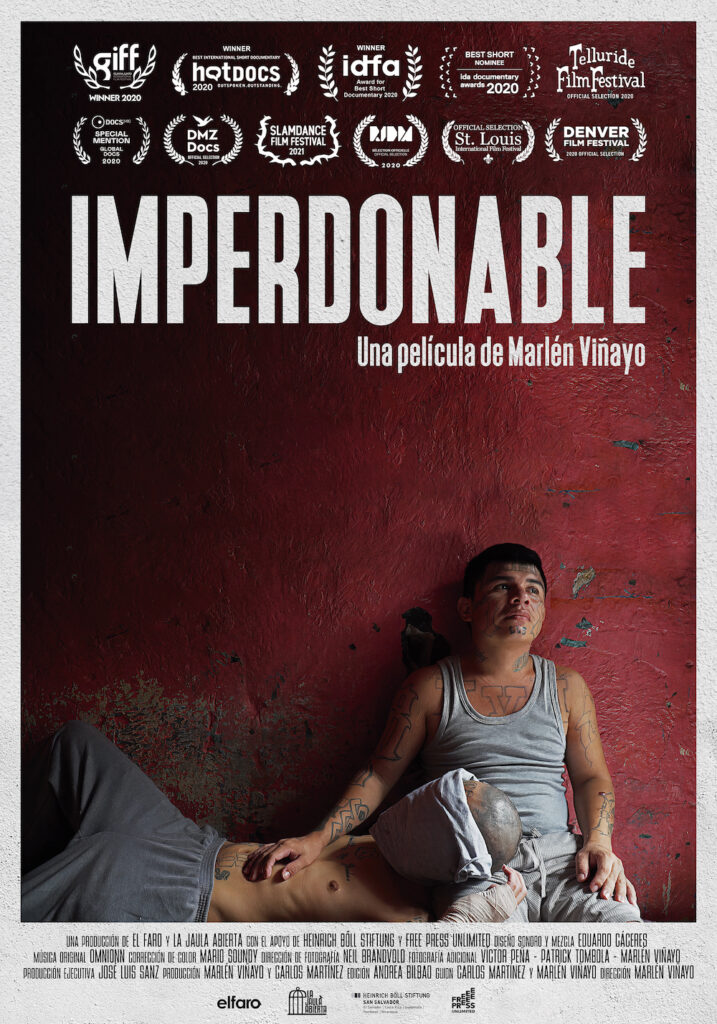
Spanish filmmaker Marlén Viñayo shattered preconceived notions about the dynamics within El Salvador's bloody gangs, or maras. She did so with the short documentary " Imperdonable " (2020), a production that tells the story of the relationship between two former gang members in a prison in the impoverished Central American country.
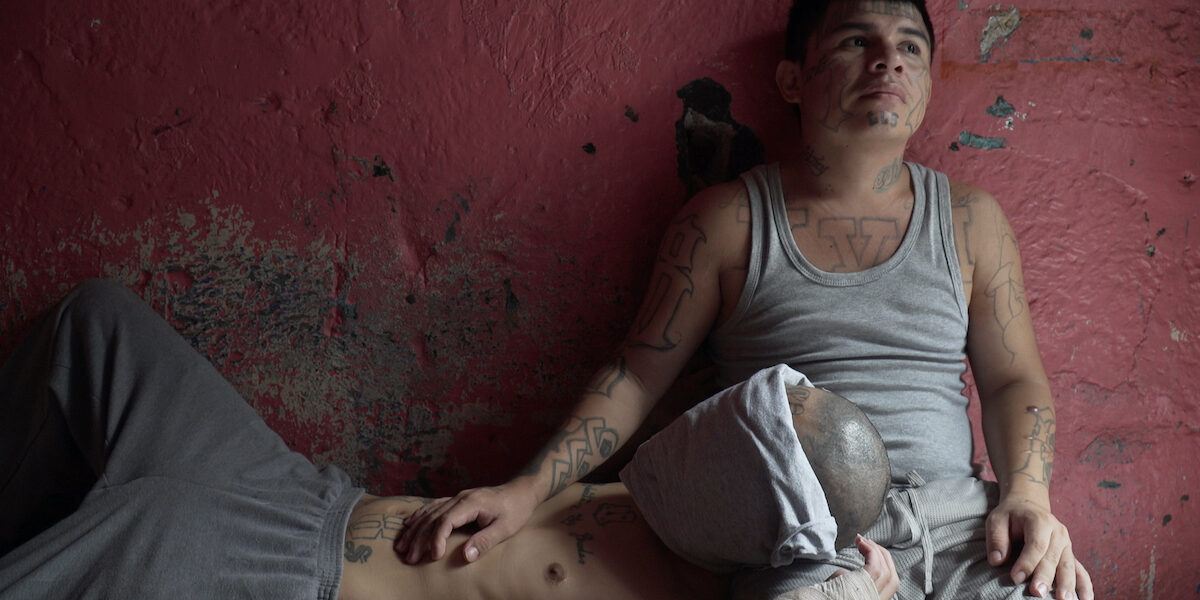
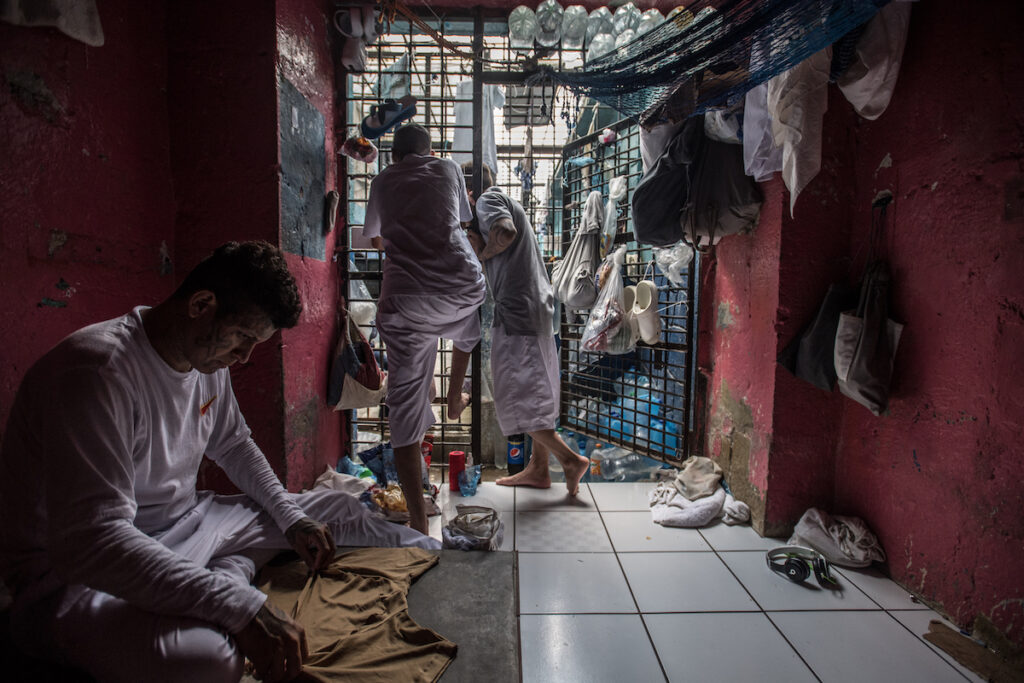
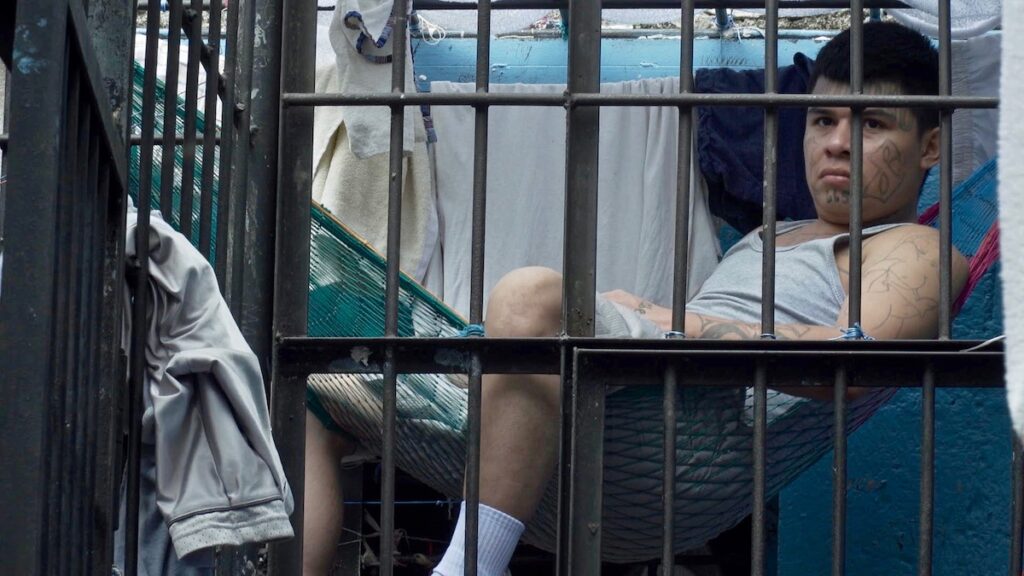
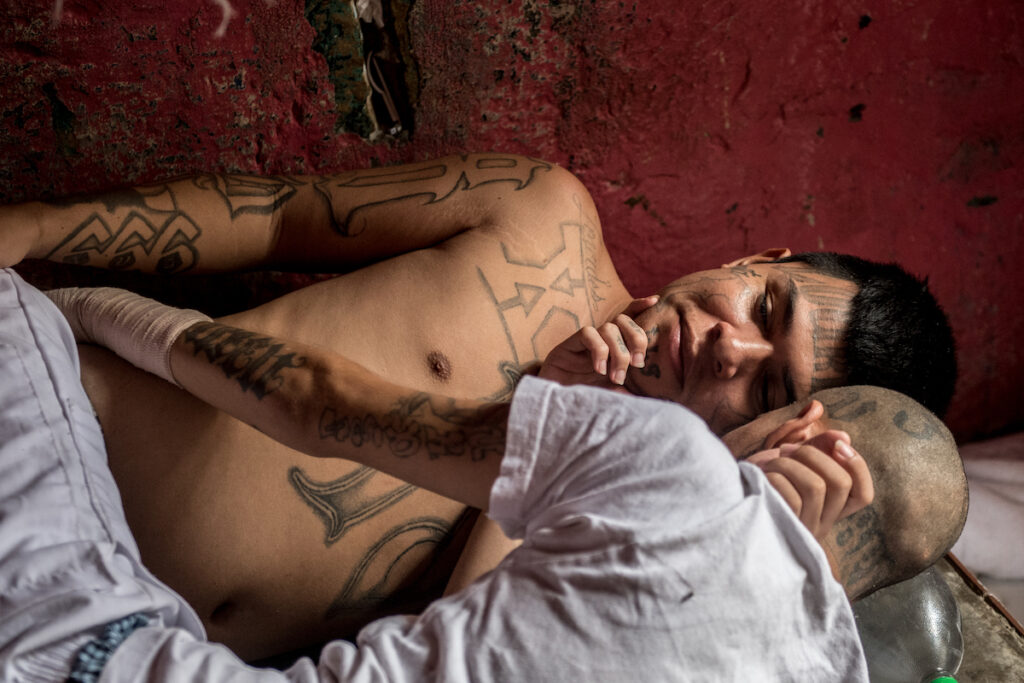
Filmed inside the San Francisco Gotera prison in 2019, the documentary explores the bond between two young former gang members incarcerated for homicide, extortion, and terrorist activities. They live together in a two-meter cell, transforming it into a kind of home where they share food, dreams, and the seemingly endless time remaining on their sentences. The documentary has had a significant impact both nationally and internationally.
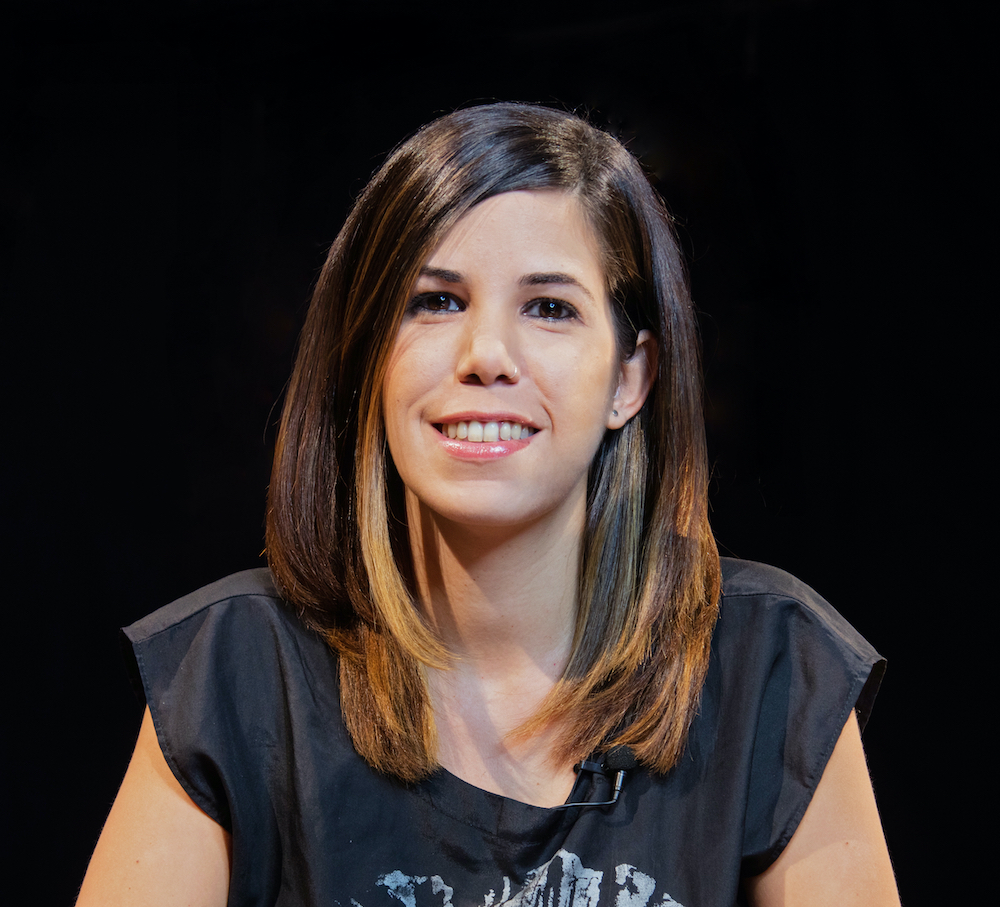
Viñayo had been living in El Salvador for seven years when she first became involved with this story . She had never been interested in making a documentary about gangs. She believed it was a topic that had already been extensively explored, researched, and discussed, and that she had nothing to contribute. "But when I heard about these people, I was immediately interested," she tells Presentes in this interview. "I thought I could show a new perspective and a different image of gangs. That's why I was interested. Learning about their relationship was already quite surprising, especially because you don't go to prison expecting to find love," says the filmmaker, who also directed La Cachada (2019).
The gang, homophobic and sexist
Gangs are characterized, among other things, by their intolerance of sexual diversity among their members and also towards people from other communities. Your film has broken all the molds in that regard. What did it mean for you to address such a sensitive topic as the relationship between two former gang members in the film?
First of all, the fact that they were former gang members and have now openly come out as gay doesn't change the gang's stance. The gang remains a deeply homophobic and sexist criminal organization. And as soon as they suspect one of their members is gay, they murder him in horrific ways. The fact that they're alive is what's surprising. Well, due to certain circumstances, such as the fact that they were in that prison and couldn't be killed. But the gang does have that rule. Because for them, if one of their members is gay, it's something that shames them as an organization. Meeting these people was very surprising, especially that they were alive.
The filming took 12 days. They were intense and surprising days. "You can tell that these are very complex people. One minute they'll be telling you with absolute coldness how they murdered people, and five minutes later they're showing tenderness, love, and care for each other," says Viñayo.
Do you know how the movie has been received in the gang?
Well, no. The film has been here in El Salvador and it's been online. And now it's online again, and frankly, we don't have any reliable information.
During the twelve days of filming, how did you perceive the interactions between the protagonists? As you mentioned earlier, they could go from describing a crime to showing each other tenderness in the next second. What was it like for you to witness these displays of affection within a prison?
Well, for me, meeting them and spending those days with them was surprising, and it created a lot of internal conflict. Because there came a point where I didn't know what I felt for them. It was a whirlwind of feelings and confusion. And it was like I was trying to force myself to define what I felt for them. Until a moment came when I said, "Well, no. I can't and I don't have to define what I feel for them." So, through that film, I tried to convey this complexity and the internal confusion I had about what I felt for them. I tried to convey it in the film. And so, it's not a film that tries to offer answers. That was never the idea. It tries to generate questions and for the viewers to watch it, feel it, and reflect on it and ask questions of themselves.
Of confinement and freedom
Were you able to identify any of the protagonists' fears of living under the stigma imposed by society?
Yes, of course, because they know perfectly well that they're under death threats. And they're under death threats for several reasons. First, because they left the gang and covered up their tattoos, they're living with members of the rival gang, and also, they've openly acknowledged that they're gay and in a relationship. The gang knows this; the gang knew it when we arrived there. So, they know they're at risk of death, a risk they can't escape. It's very hard because they know that if they get out of jail, they have nowhere to go. There was a scene that wasn't in the film where one of the characters, one of the protagonists, asks Walter, the protagonist, what he would do if one day he was told he was free. He asked him what he would do. He was thinking and said, "I don't know, I don't know what I would do. I don't know where I would go because I have nowhere to go. I can't go back to my community. I can't go home, and I don't know what I would do. Maybe I would hide in a sewer .
It's a contradiction because it would seem that they feel safer inside a prison than outside of it.
Yes, in fact, I do remember the first day that producer Carlos Martínez met them. One of them said that in that small cell he finally felt free. When Carlos told me that he had met them and what he had talked about with them, that was one of the things that kept going through my head. I mean, how can someone say they feel free in a cell two meters by one? What does he have outside that cell? What awaits him outside that makes him feel free there, in that inhuman space?
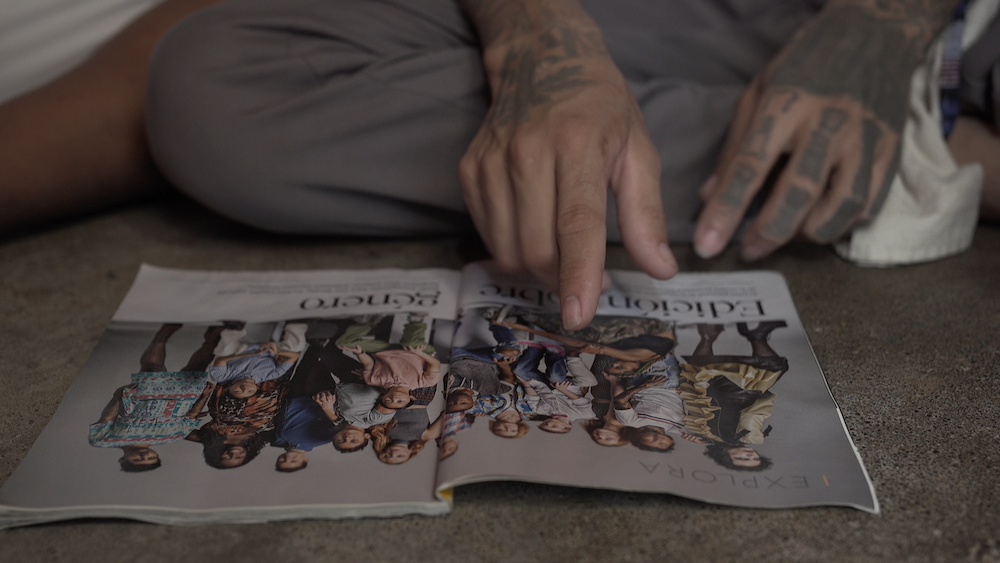
“There are people who are easier to kill than to love another person of the same sex.”
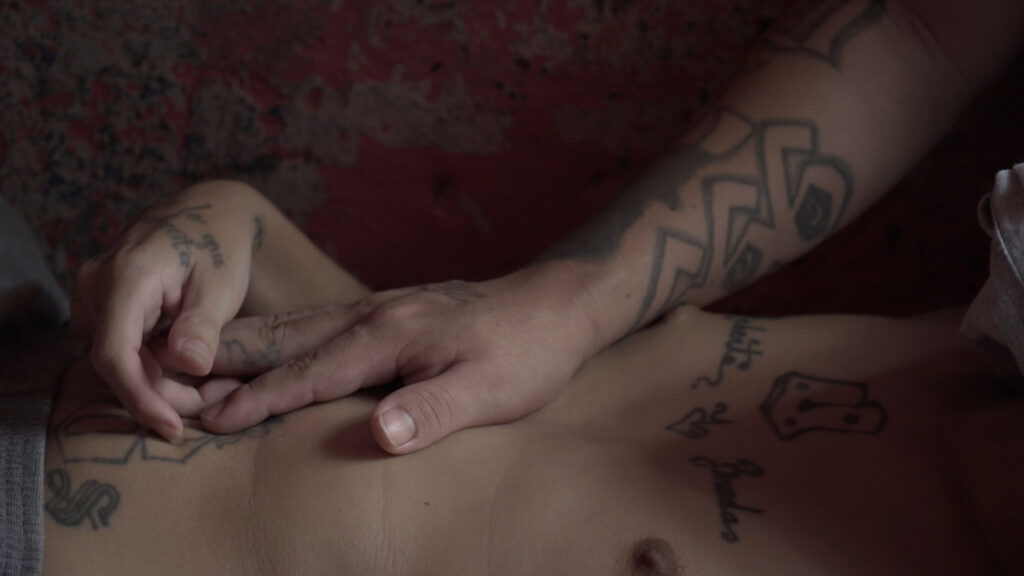
One of them says in the film that it is easier to murder a person than to love another man.
When he said that to us in an interview, we were surprised. I was so astonished that it changed the course of the film. When he told us this, we decided that through the film we would first try to understand how that seemingly absurd phrase makes sense to some people, like Walter, who was saying it to us. Then, we had to understand why and try to show that in the film. That was the perspective we decided to take: to break down a phrase that completely impacted us.
You said the film doesn't intend to provide answers, but what do you hope it will provoke in viewers?
We hope this film will reflect a society with a perverted moral compass, where it's easier to kill someone than to love someone of the same sex. We found it interesting and thought it would contribute significantly to the debate and reflection, as a story told from an isolated place—like an isolation cell in a Salvadoran prison—allows us to talk about and reflect on the society we live in as a whole.
We are present
We are committed to journalism that delves into the territories and conducts thorough investigations, combined with new technologies and narrative formats. We want the protagonists, their stories, and their struggles to be present.
SUPPORT US

FOLLOW US
Related notes



We are present
This and other stories are not usually on the media agenda. Together we can bring them to light.