

Sex workers in Mexico City organize to demand rights
In Mexico City, sex workers protested for labor rights, housing, and healthcare. They celebrated being united and organized.


Share

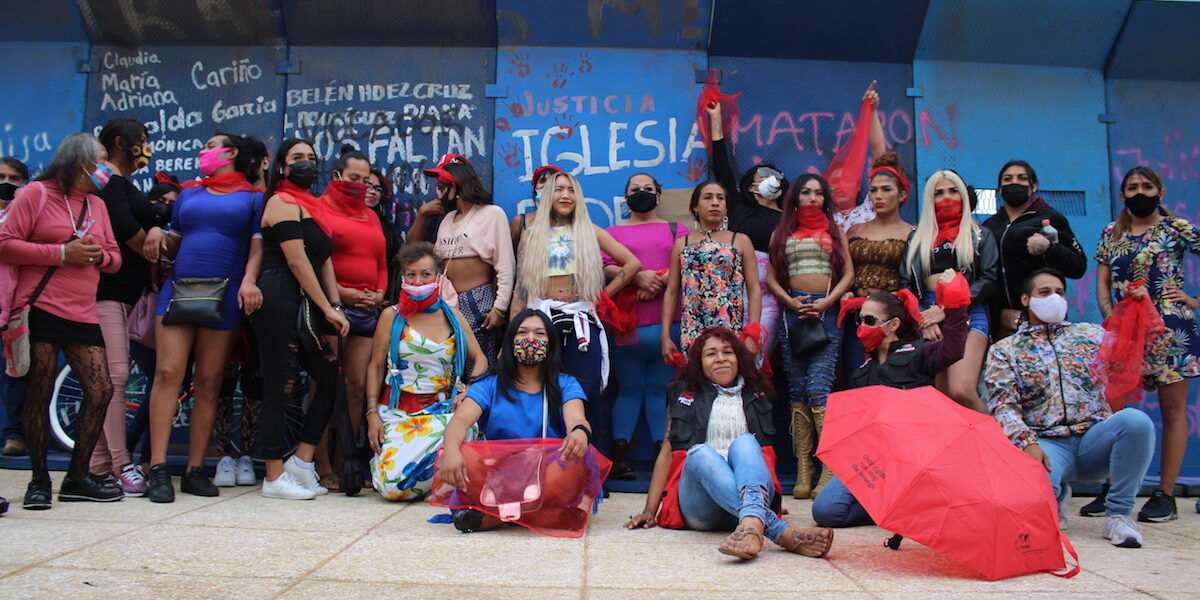
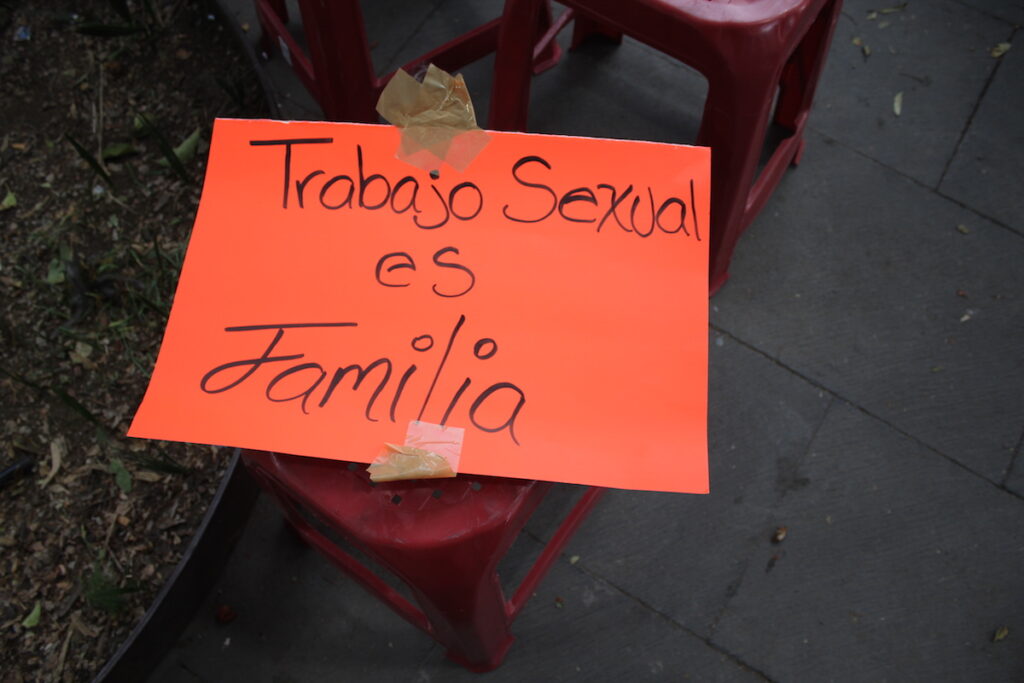
Every June 2nd, International Sex Workers' Day is commemorated. Yesterday in Mexico City—as well as in several other locations—organizations and collectives of autonomous and independent sex workers held actions to demand recognition of sex work as work and access to rights such as healthcare and housing. They also celebrated the joy of being together, organized, and alive.
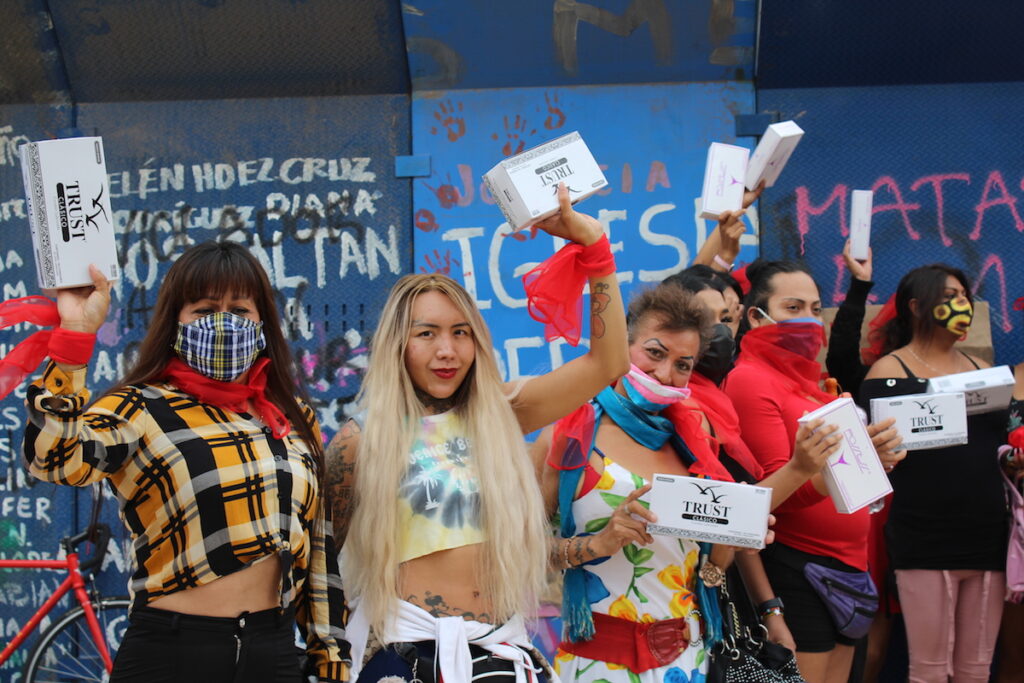
Members of the Latin American Platform of People Who Engage in Sex Work Mexico ( PLAPERTS ), the Trans Collective for the Freedom to Be and Decide, and the Trans Collective of the State of Mexico gathered at the Monument to the Revolution. They read a statement demanding their rights and denouncing the ongoing vulnerability they face one year after the start of the Covid pandemic.

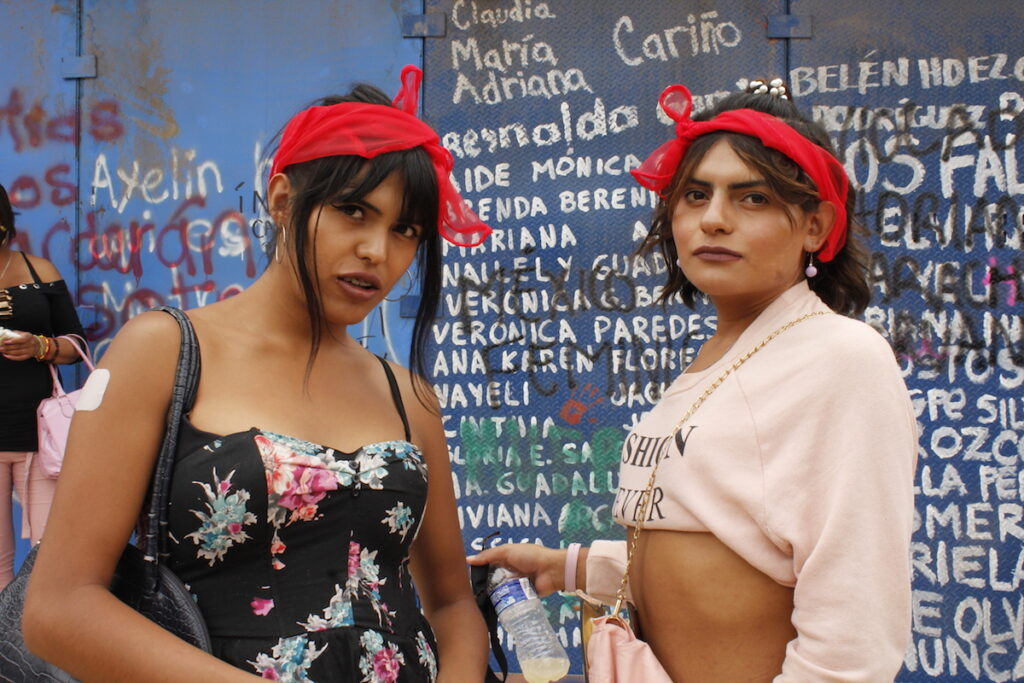
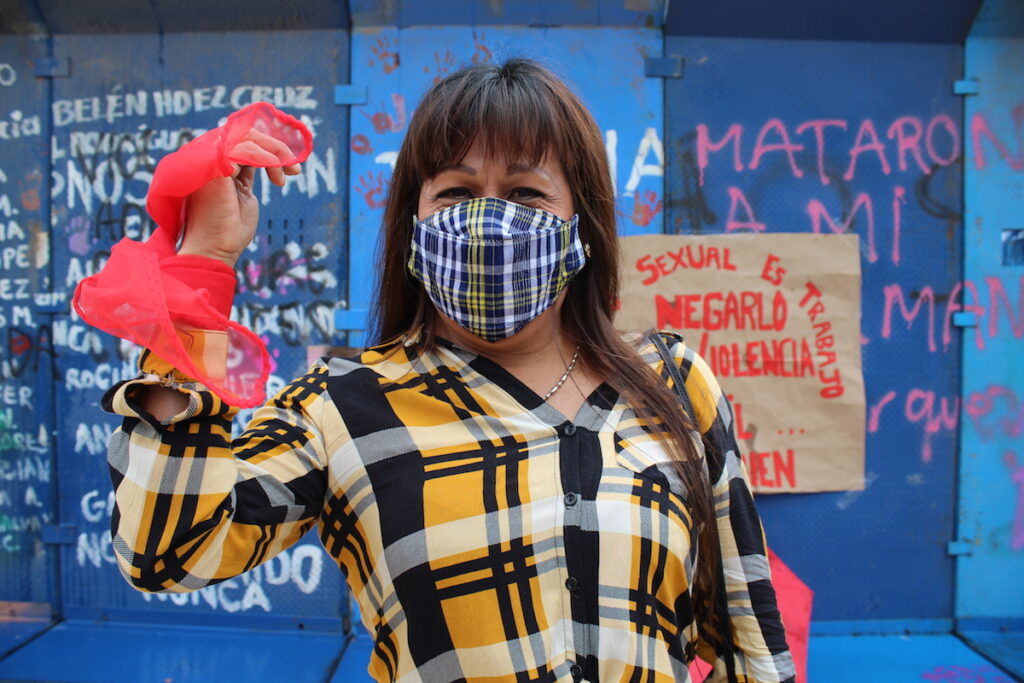
“We will continue to denounce the lack of answers and the political discrimination, and despite being treated evasively, we will continue organizing until our voices are heard. Sex work is work,” they declared together. They also distributed boxes of condoms and red bandanas, which they tied to their hair with help. Others tied them to their wrists, and some even danced with them, waving them in the air.
Three hundred meters away, behind the Revolución metro station, the Center for Support of Trans Identities ( CAIT ), the Mexican Alliance of Sex Workers ( AMETS ) and El Condomóvil coordinated a gathering to share with sex workers in the area.
Free HIV, syphilis, and hepatitis C tests were administered; clothing, shoes, condoms, and face masks were distributed; these actions are part of Haciendo Calle, a project that began last March to collectively support street sex workers, trans women, migrants, older adults, poor and racialized women during the pandemic.
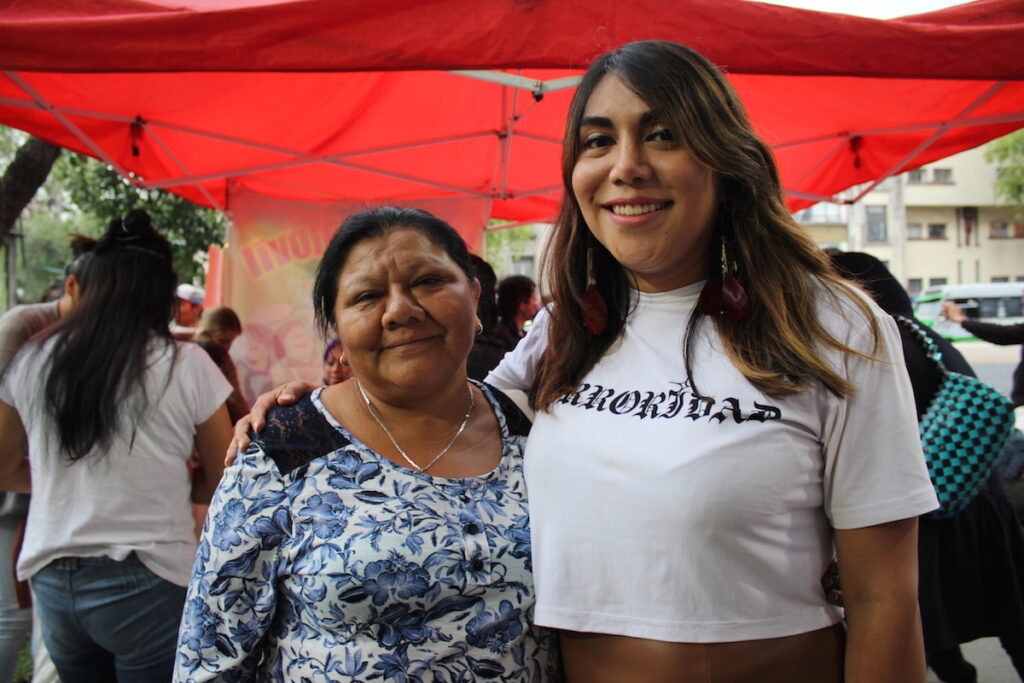
They also “echar el taco” ( that is, they shared hot food ), a birthday cake was cut, and the life and resilience of Esther, an independent sex worker who for 30 years has accompanied other colleagues in different parts of the city; domestic workers; migrants; drug users and homeless people, were celebrated.
“We are together and we are alive”
“ I think one of the things that makes me commemorate this date the most is knowing that no other woman has to feel alone anymore. And being able to be with my sister Esther today, who has been working and supporting my fellow sex workers for 30 years, is a reason to celebrate. When there is love, joy, when we joke about the clients, when we fight and tomorrow we're out drinking together. Those are moments of joy. I think that changing the idea that sex work is this sad and painful place also means appealing to other forms of resistance, other ways where sex workers don't need to be saved. We save ourselves, ourselves and each other. And yes, maybe not everyone is driven by emotional commitment, but some are driven by anger, and that's valid too because anger has allowed us to organize. Pain has allowed us to take to the streets to demand, to shout, to denounce, to curse. I think being able to be with my sisters today is a reason to celebrate simply because we are together and we are lives ,” Natalia Lane, coordinator of CAIT and consultative assembly member of the Council to Prevent and Eliminate Discrimination in Mexico City.
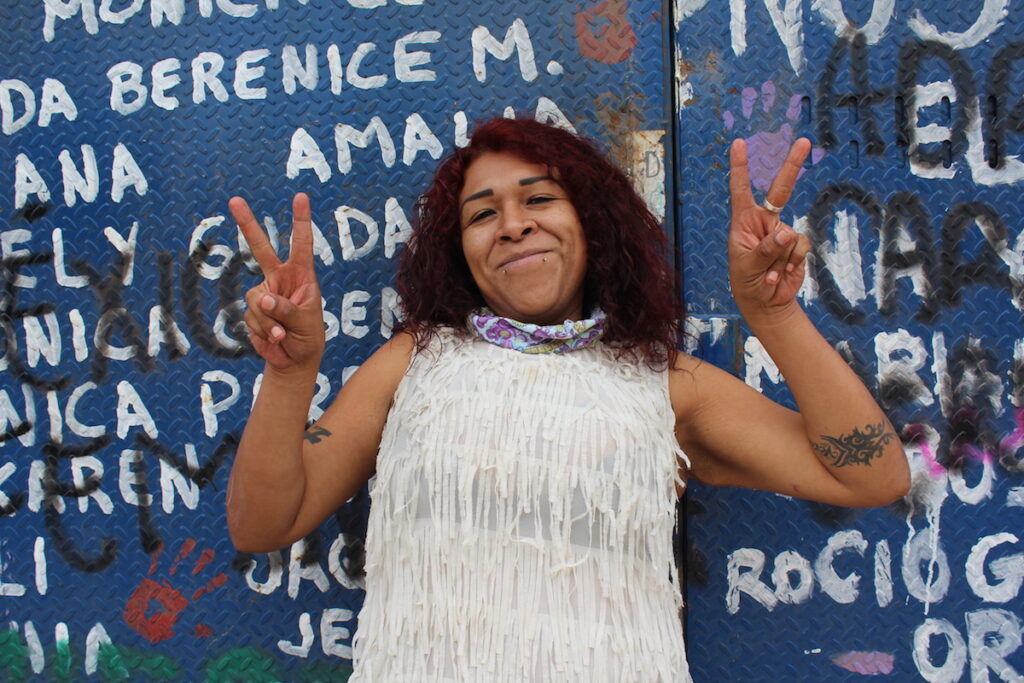
“Today it is important to be present, to make ourselves visible as sex workers and to highlight the different ways in which we practice this profession. Today I raise my voice because I am autonomous and because I disregard moral values ,” Veronnika Greyson, trans cannabis activist and member of PLAPERTS Mexico.
“We support each other, we love each other. And you should see how grateful I am because I was stabbed, I arrived at the hospital alone with my head smashed in, but now here we are, together ,” Skarley.
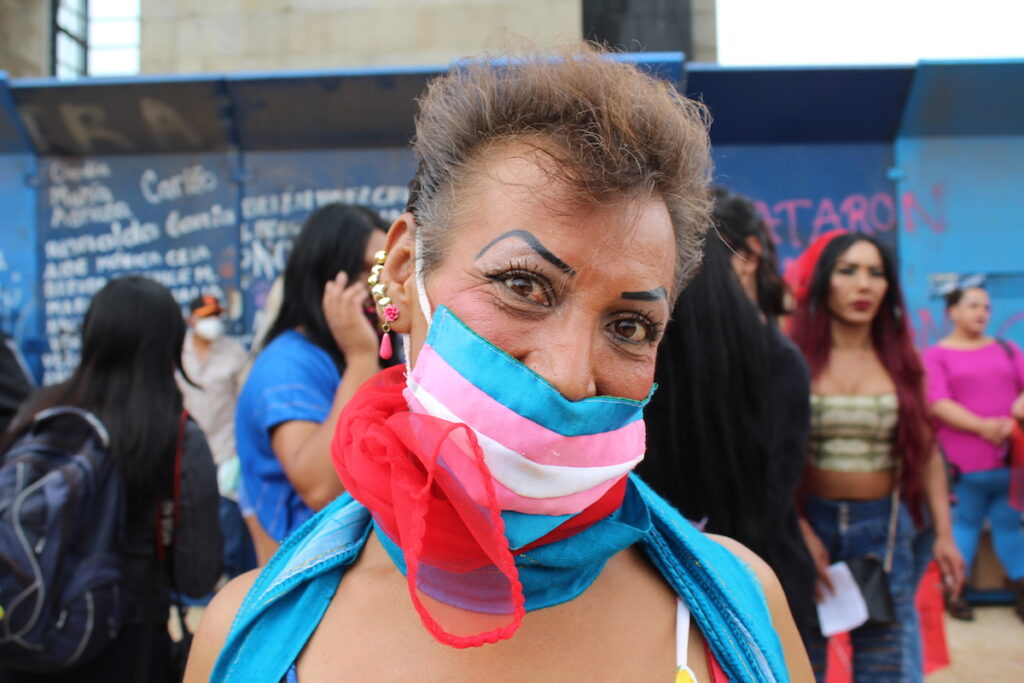
“Today I feel very satisfied because I am with my friends demanding our rights and those of our families, and that makes me happy. I think about my parents because they are already grandparents and depend on me, I think about when I left Huejutla (Hidalgo) ,” Alejandra.
“I’ve been a worker for 23 years, and work has helped me understand what true friendship and camaraderie are. Holding these events where these bonds of affection can be expressed is incredibly interesting because it unites us and strengthens us in the face of a State that has always wanted to keep us invisible,” said Kassandra Guazo, coordinator of the HIV prevention and detection area at CAIT.

“Being here is showing respect to sex workers.” “It’s honoring those who have died from the double discrimination of being a trans woman and a sex worker ,” Rebeca and Andrea said.
“I’m a bass player, but I worked as a sex worker for a year, and I’m here to support my transgender female friends who work in the sex industry because wherever they go, I go to support them. Even though I haven’t done it for many years, I haven’t forgotten them ,” Julia.
“At work, no one is anyone's rival. We're well-organized. We know that, regardless of whether some are friends and others aren't, we can't abandon each other,” Dayana said.
“I feel good, happy. It makes me proud to call myself a sex worker because I am free, and despite being in this job where we are so stigmatized and discriminated against, we have a moment of joy, and the cake was delicious, strawberry flavored, ” Maribel said.
Without labor rights
Currently there is no legislation that recognizes the labor and wage rights of people who engage in sex work in its various forms in Mexico City.
After 20 years of activism, in 2014 a court order , forcing the Mexico City Labor Department to recognize sex work as "non-salaried" and issue identification cards to sex workers in the sector. Since then, the department has issued these cards to anyone who requests them. For the sex workers interviewed by Presentes, this system does not guarantee their rights.
According to a survey conducted in December 2019, in Mexico City, 94.2% of sex workers operate on the street; 42.9% are trans women; 50.2% migrated to the city from other states; and 69.1% are the main economic provider for their families.
“A decriminalization model is needed that recognizes sex work as non-wage labor in the Civic Culture Law and within public policies, but that also brings together the voices and specific needs of sex workers,” Natalia Lane points out.
In February 2020, organized sex workers presented a citizen initiative that seeks to regulate sex work "so that it is free and autonomous, to have security, health and access to justice," Natalia says.
We are present
We are committed to journalism that delves into the territories and conducts thorough investigations, combined with new technologies and narrative formats. We want the protagonists, their stories, and their struggles to be present.
SUPPORT US

FOLLOW US
Related notes


We are present
This and other stories are not usually on the media agenda. Together we can bring them to light.