

The Ava Guaraní Paranaense forest guardians resist eviction and the plundering of their lands
They were expelled from their territories, recovered a part of them, and now face an eviction trial.


Share

The other side of the story regarding one of the world's largest hydroelectric dams, the Itaipu Binational Dam, is evident in the peaceful resistance of the Ava Guaraní Paranaense people. These communities, spread across more than 50,000 hectares, were displaced 48 years ago for the dam's construction along the banks of the Paraná River. This resulted in a little-known genocide, and also destroyed one of the planet's most beautiful and magnificent natural wonders: the Guairá Falls, or Seven Falls, which formed part of the territory of this great people, guardians of the forests.
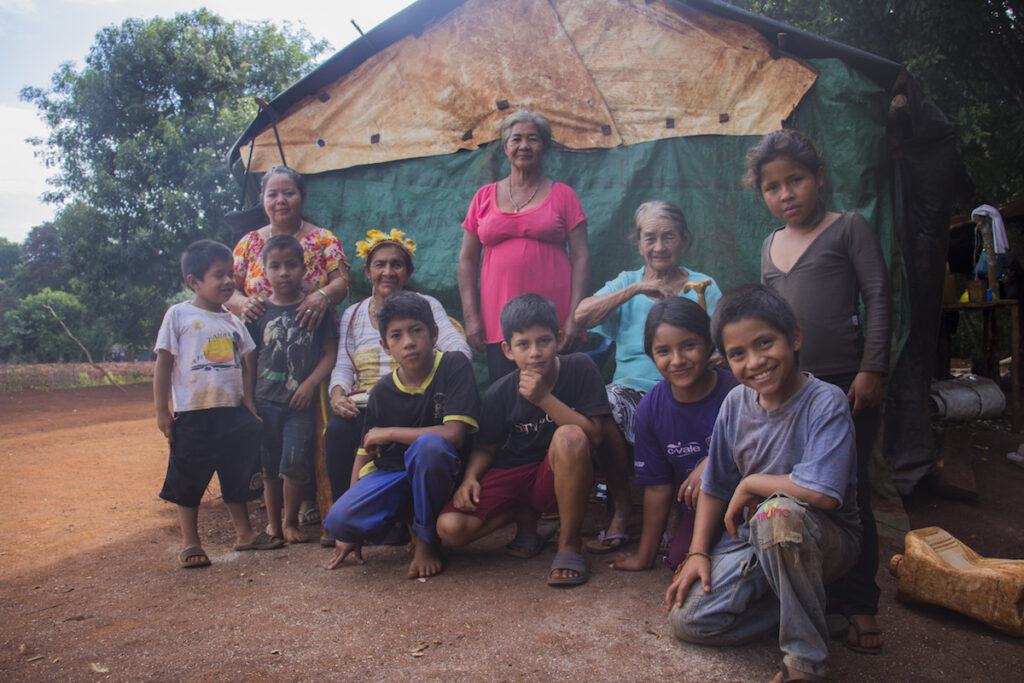
Tekoha Sauce is one of the 38 displaced communities and an emblem of the struggle for territorial restitution. Many of its members keep alive the ancient wisdom of the Ava people of Paraná with a resilient spirit.
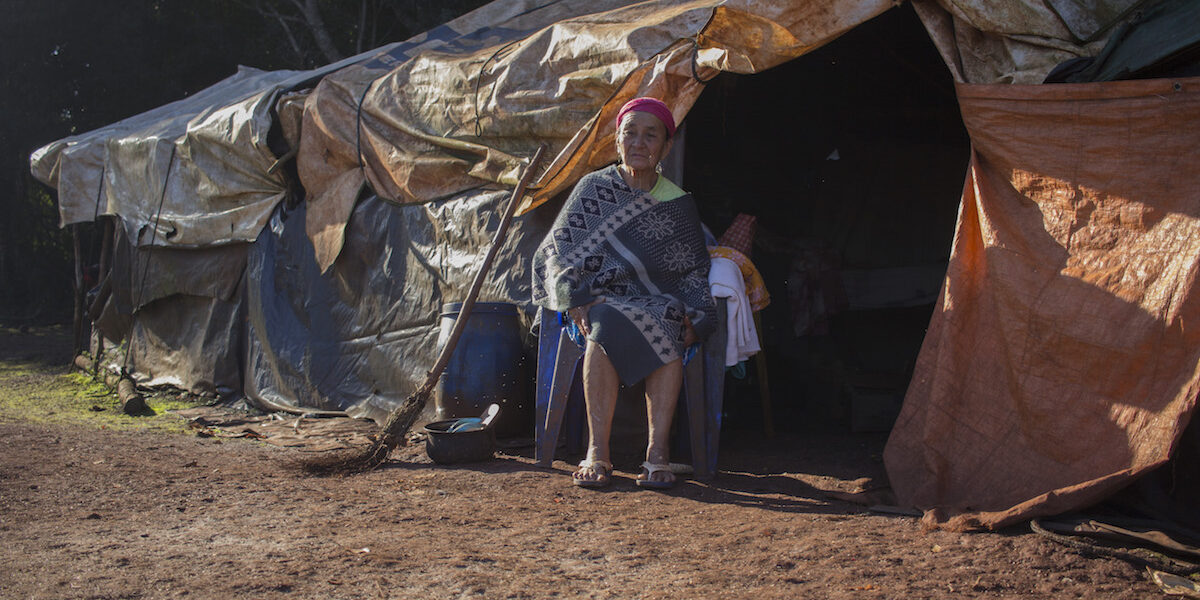
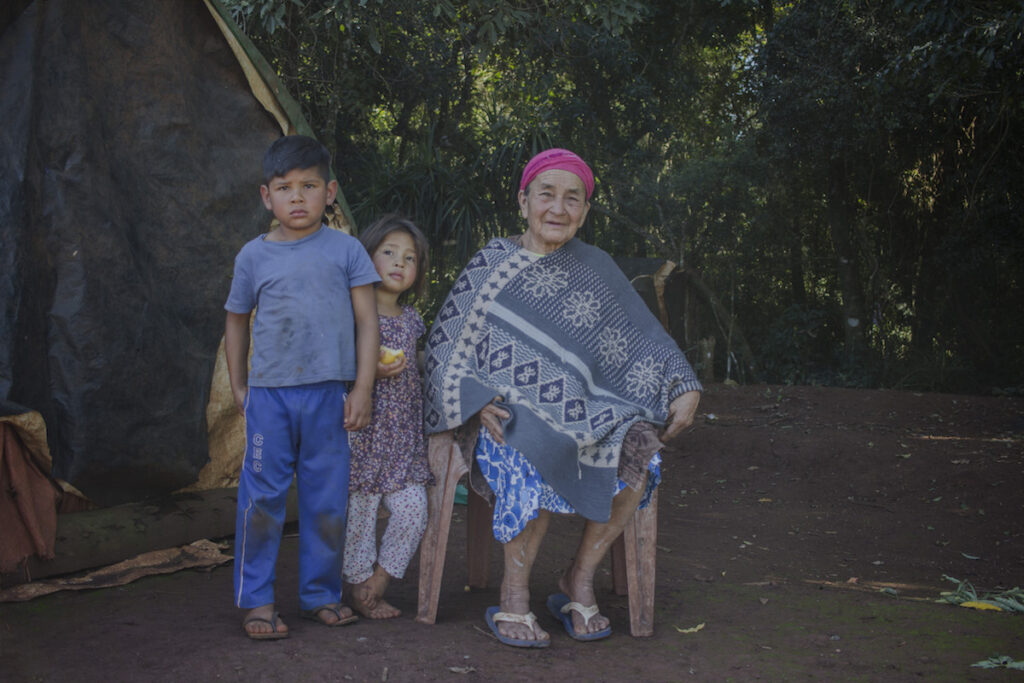
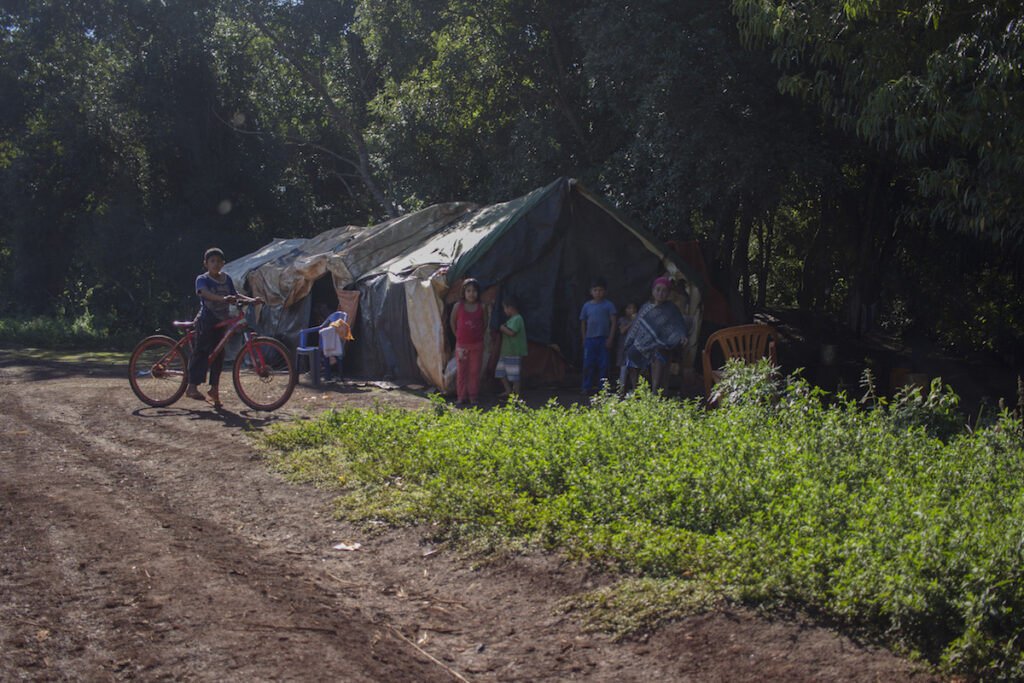
Five years have passed since 79-year-old Carmen Martínez and all the families of her Tekoha Sauce community sought refuge on part of their ancestral lands. There, they set up their tents and makeshift dwellings along a road bordering the Limoy nature reserve, which now belongs to the Itaipu Binational hydroelectric project.
In the midst of the pandemic, they face an eviction lawsuit filed by Itaipu. Furthermore, the community is under constant surveillance by park rangers to prevent them from fishing, hunting, or disturbing the ecosystem.
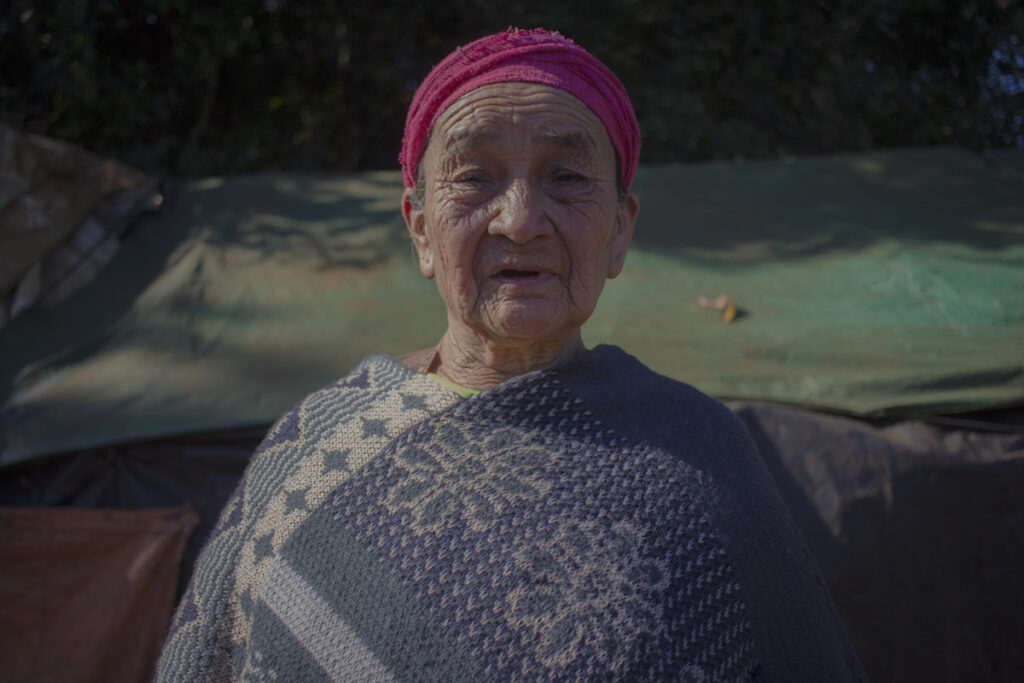
Grandmother Carmen, like everyone in the community, is an example of resilience in the face of adversity. She says that despite all the hardships, she is happy to be in her true home, although she would like to have a garden and animals. But her goats have died, and she had to sell the ones that survived because of the constant poisoning they suffered from the extensive monocultures that surround them, a reality that prevails in the area and in the territories of the Alto Paraná and Canendijú departments.
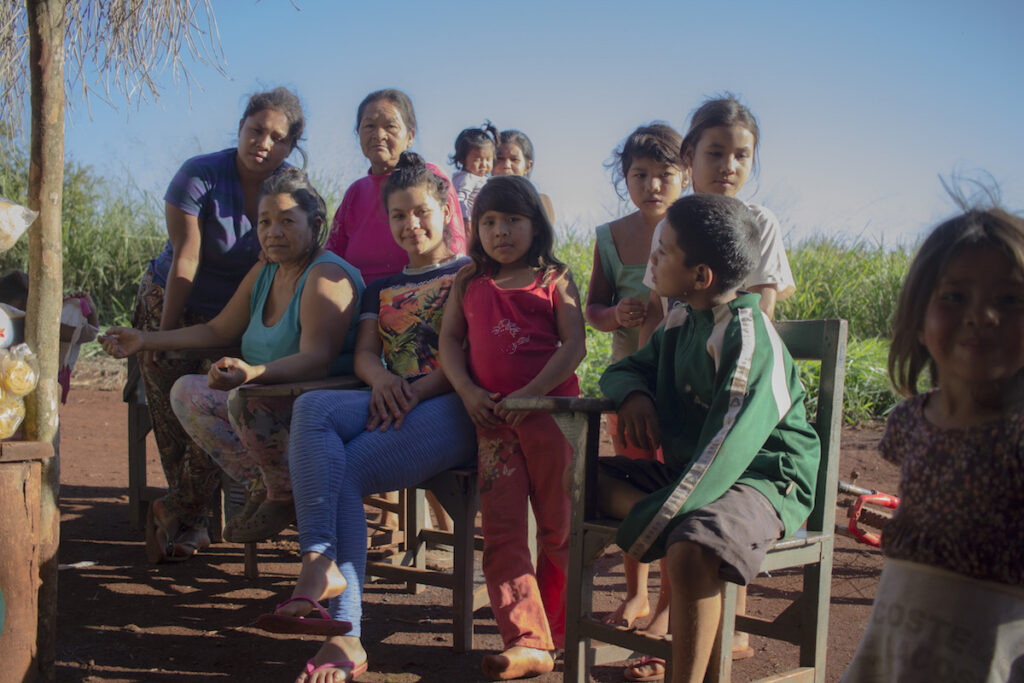
Grandmother Carmen also shares the importance of medicinal plants, because they remain the best and almost only healing alternative along with prayers and the connection of sacred songs, which is part of the cultural identity of the Ava people of Paranaense and is combined with the struggle and in fact is where all the actions and strengths of these peoples originate.
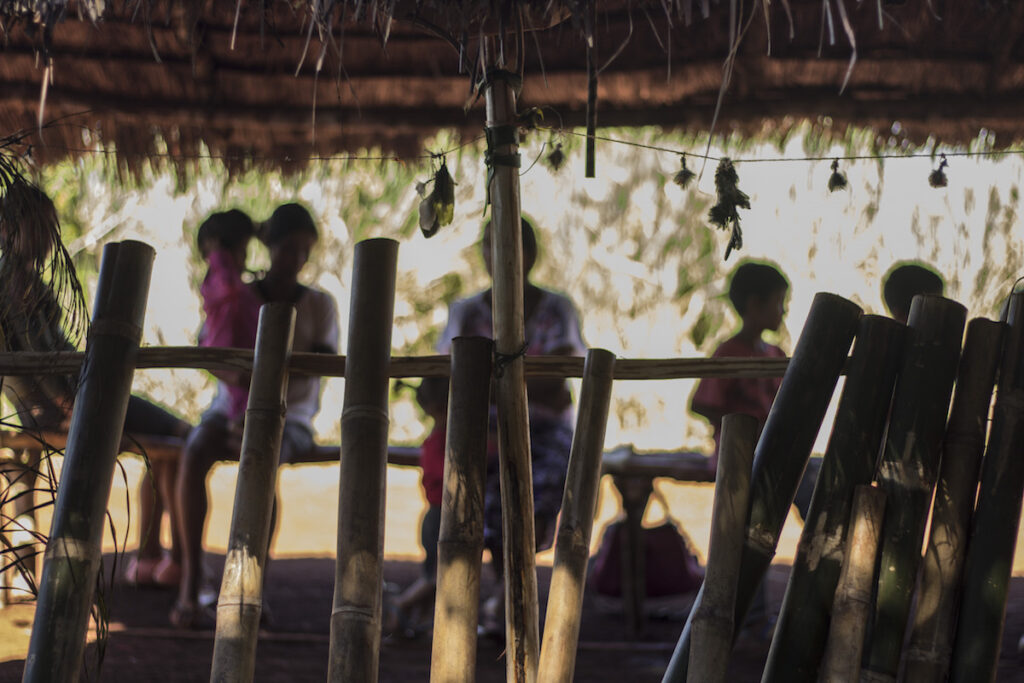
The first thing built in a tekoha (collective living space) is a jeroky aty , which in Paraguayan Guarani means "gathering for dancing," and in the Ava Guarani of Paraná, it is where prayers rise from chants and chants through the takuas ). They send prayers to the forest that connect with the wisdom of the woods, the ancestral voices, and the sense of teko kaagy , or life with the forest, life with the Paraná River, because the Paraná River is as much a part of the people of the Ava Guarani of Paraná as they are part of the Paraná River.
Living history
The limited information available about these communities came through the anthropological interpretation of the Western perspective, which gave them the name Ava Chiripá. A chiripá is a type of loincloth. "Many people, when they talk about our communities, refer to us as if we were part of a distant, past history, but we are not history; we are making history, creating a new history every day," says leader Amada Martinez of Tekoha Sauce.
In 2016, there was another large and violent eviction ordered by Herman Hutz, a Brazilian agribusiness owner and landowner with thousands of hectares in the area. Hutz is related by marriage to Senator Juan Afara of the Colorado Party, and he managed to get the then-president of the Paraguayan Indigenous Institute (INDI) , Aldo Zaldivar, to provide trucks and personnel for the elaborate eviction that resulted in the burning of the Indigenous people's homes.
Zaldívar also repealed resolution 120/13, which recognizes the historical debt of the Paraguayan State with the avá-guaraní indigenous communities affected by the construction of Itaipú and which recognizes the claims for damages.
Currently, these peoples live in a permanent exodus but with the hope of territorial recovery, despite the lack of guaranteed basic services in health, education, housing, all fundamental human rights.

Pandemic
Faced with the current pandemic, these communities find themselves helpless. The most recent eviction, that of the Cerrito Community of the Avá Guaraní people (Minga Porã, Alto Paraná), occurred on May 13, 2021. They maintain that the pandemic is a consequence of the mistreatment of Mother Earth. "We are the caretakers of the forests and we know the medicines that heal these viruses. They don't realize they are exterminating the very medicines that can save them," the women say.
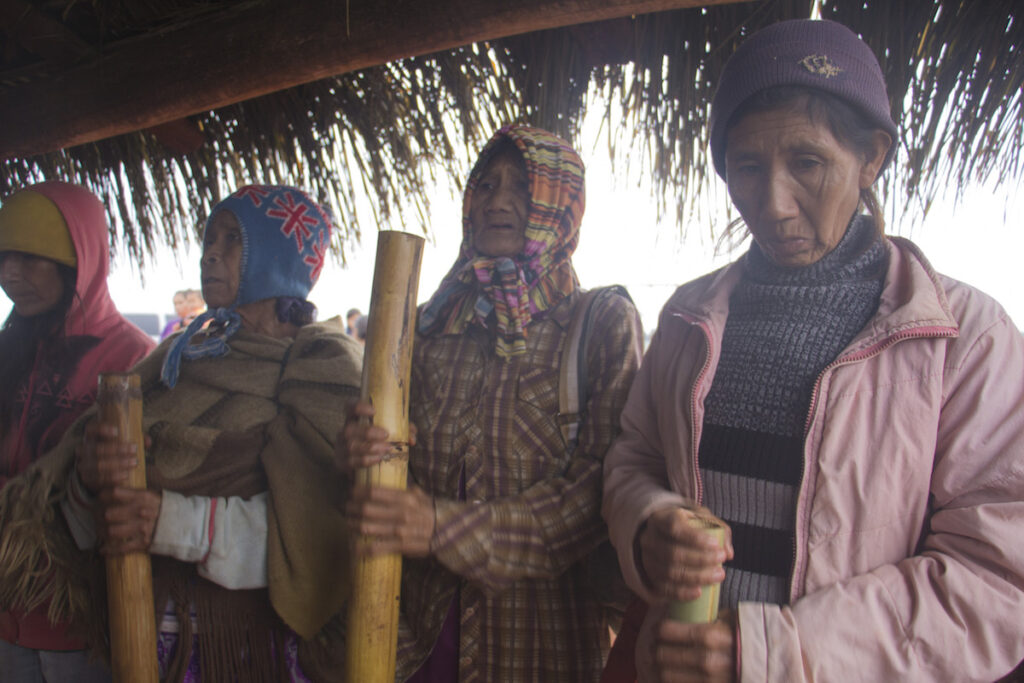
"The strength to resist comes from knowing that we belong to this land and we are from the banks of the Paraná River. We know that this is our place in the world, and it was so for thousands of years until 48 years ago. This gives us confidence that we will be able to return," says Carmen.
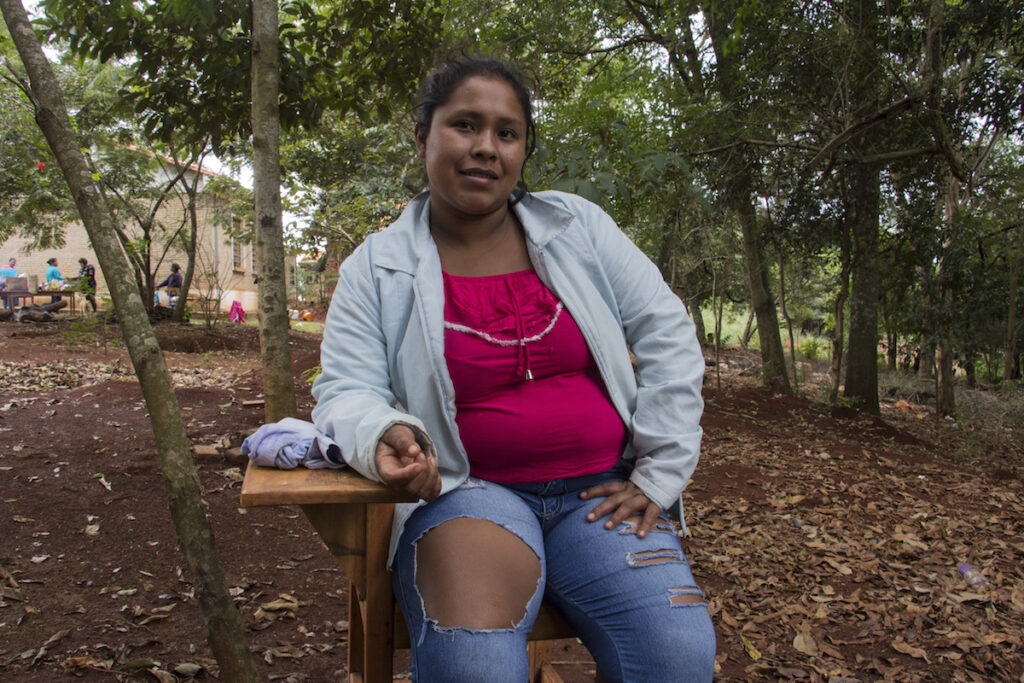
Nancy Ramos, 27, is from Tekoha Sauce and shares that resistance is a way of life so that her children can have a better future. Her first daughter was born during the 2016 eviction. Since then, in the midst of a situation where they were left with absolutely nothing (their fields were burned, as were all their belongings, including their sacred temple, and even their chickens were stolen), they rebuilt themselves as a community. In the midst of this resistance, Nancy had another daughter, because she believes that resistance is the meaning of her life, as it is for the entire community. She says that children are born knowing this, just as she was when she was born, knowing that one day she would return to her sacred teko , or territory. And that if they die, they will die where they are meant to die, not in other realities that are not theirs.
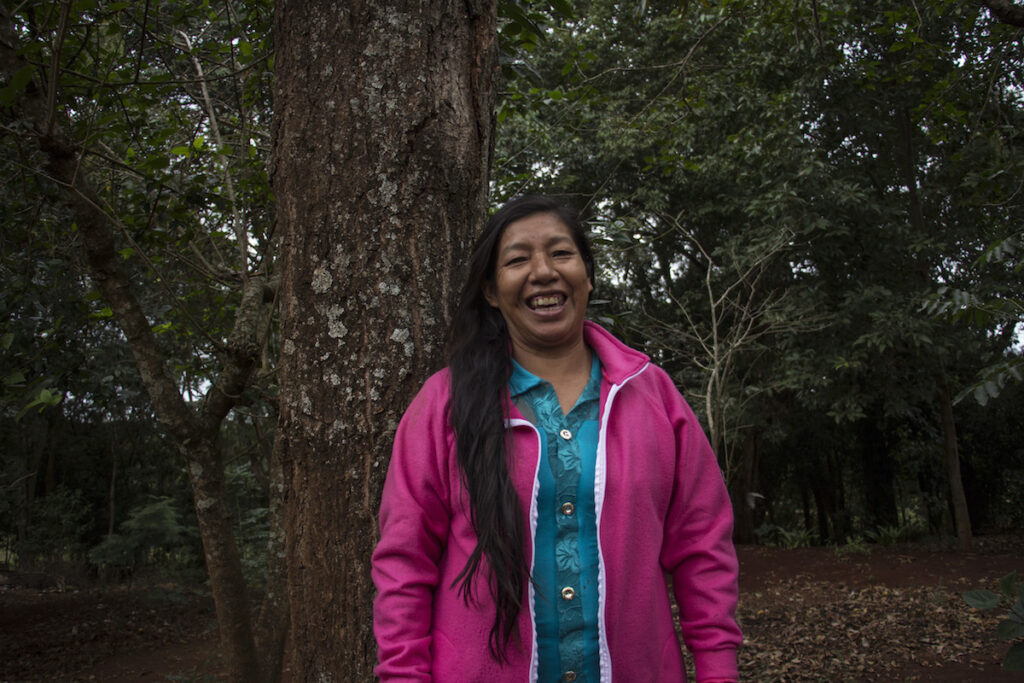
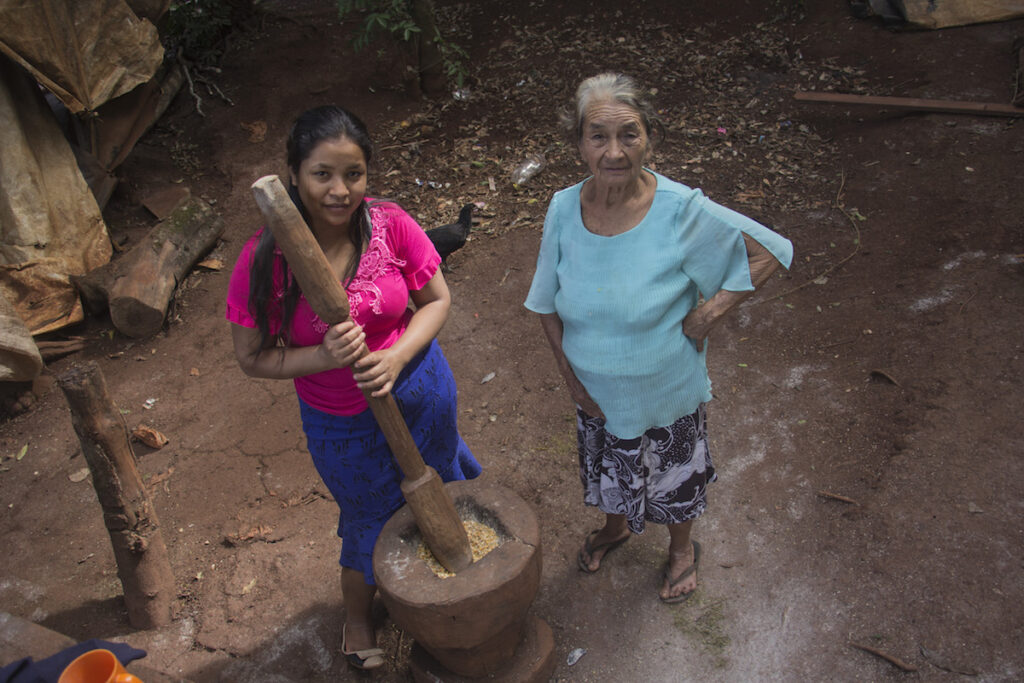
Through resistance to evictions, many ancestral traditions are also kept alive: natural childbirth, traditional medicine, storytelling, and sacred songs. This is how the spirituality inherent in the identity of this community is maintained, ultimately providing strength and a will to live each day.
A little bit of hope
A path toward redress is now opening. In April of this year, the Paraguayan Senate created a commission to review the responsibilities of Paraguay and Brazil, 50 years after the Itaipu treaties. This commission will, for the first time, include the rights of the Ava Guarani people of Paraná, thanks to the commitment of its representatives.

We are present
We are committed to journalism that delves into the territories and conducts thorough investigations, combined with new technologies and narrative formats. We want the protagonists, their stories, and their struggles to be present.
SUPPORT US

FOLLOW US
Related notes

We are present
This and other stories are not usually on the media agenda. Together we can bring them to light.