

Protests against the Gender Identity Law in El Salvador
The Gender Identity Bill was shelved along with the Equality and Non-Discrimination Act.


Share

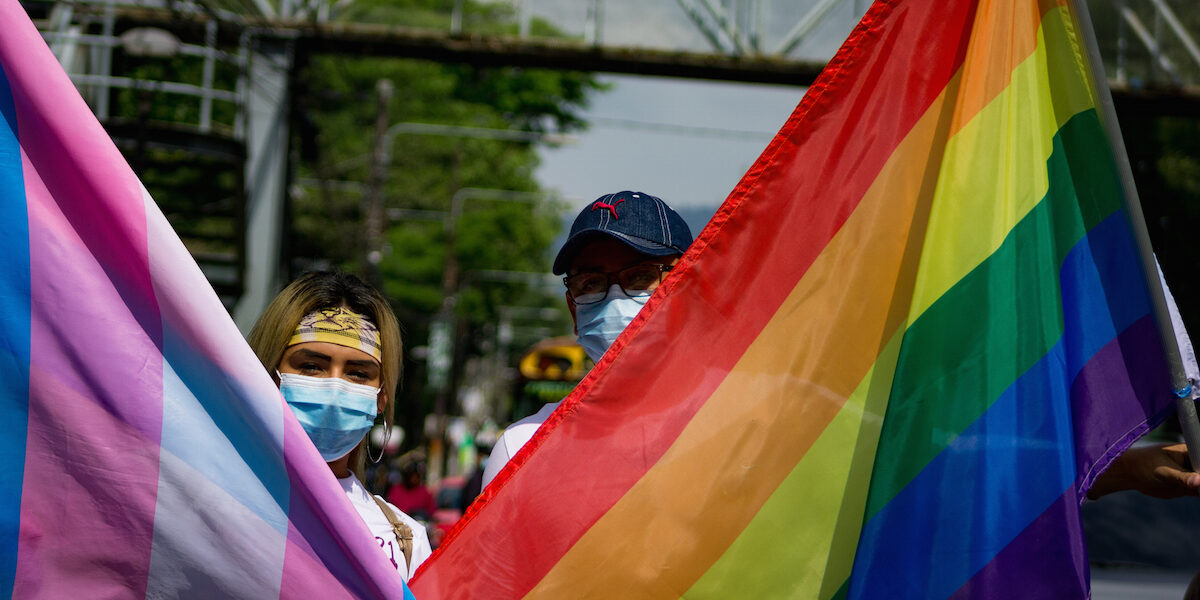
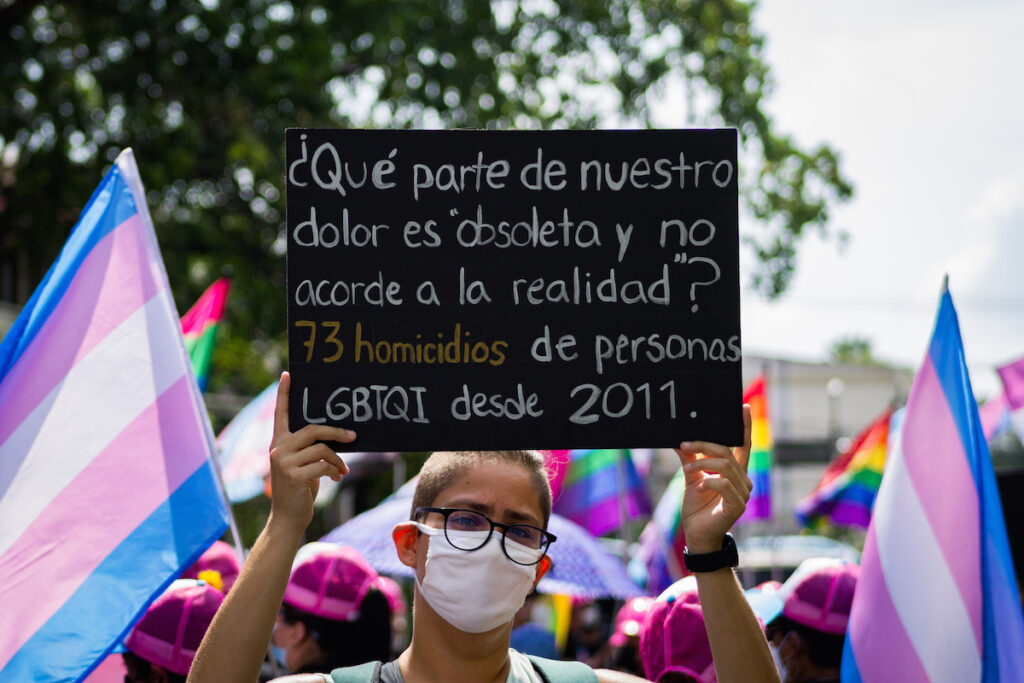
The proposed Gender Identity Law suffered its first setback in El Salvador's new Legislative Assembly on Friday, May 14. This came after the Congressional Women and Gender Commission decided to shelve 30 bills that had been under review by the previous legislature (2018-2021). The Commission deemed the bills "obsolete and out of touch with reality," according to Marcela Pineda, a member of the ruling Nuevas Ideas party.
The Equality and Non-Discrimination Law was also shelved. None of the ruling party deputies from Nuevas Ideas and its ally, the Grand Alliance for National Unity (GANA), have offered an explanation for why they shelved the proposed law.
The proposed Gender Identity Law was submitted to the Legislative Assembly on March 22, 2018, by various organizations. The Women and Equality Commission was tasked with its review and discussion. However, it was not approved.
El Salvador does not have legislation that guarantees the right to recognition of name, sex and gender of transgender and transsexual people.
For the bill to be approved by Congress, 43 votes out of 84 representatives were required. However, the organizations promoting the draft bill agreed that commitment and political will from all parties represented in the Legislative Assembly were lacking.
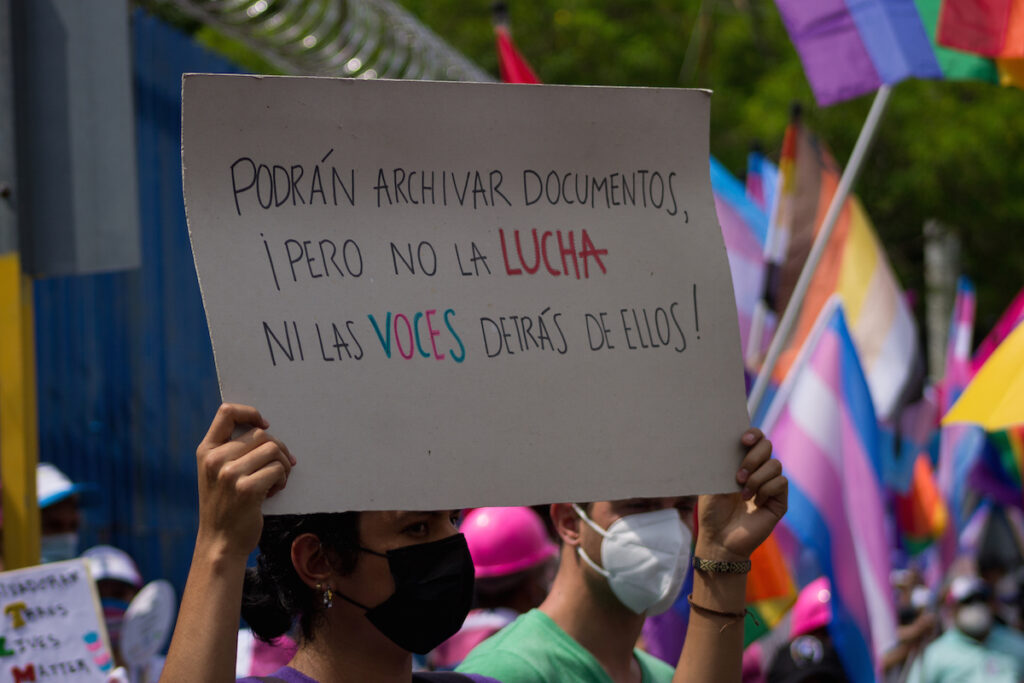
Now the proposed law has been sent to the archives, with no possibility of being discussed again.
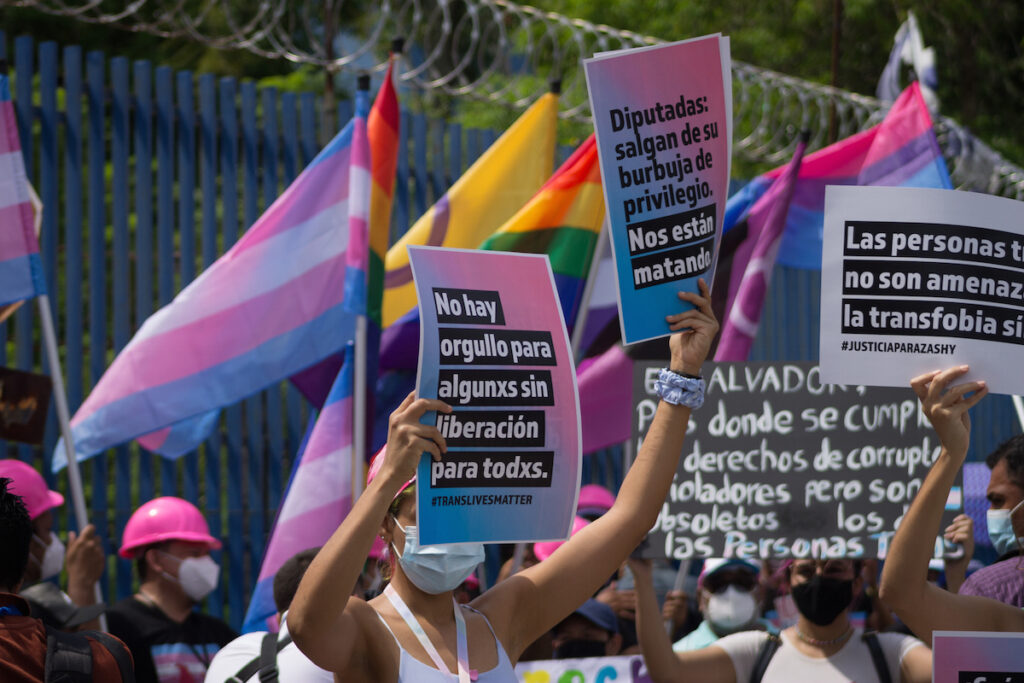
“We are not going to wait three more years to be taken into account. This Legislative Assembly is supposed to legislate for the people and their needs, so we expect answers as soon as possible,” said Bianka Rodríguez, director of Communicating and Empowering Trans Women – COMCAVIS, during a protest against the decision to shelve the proposed identity law.
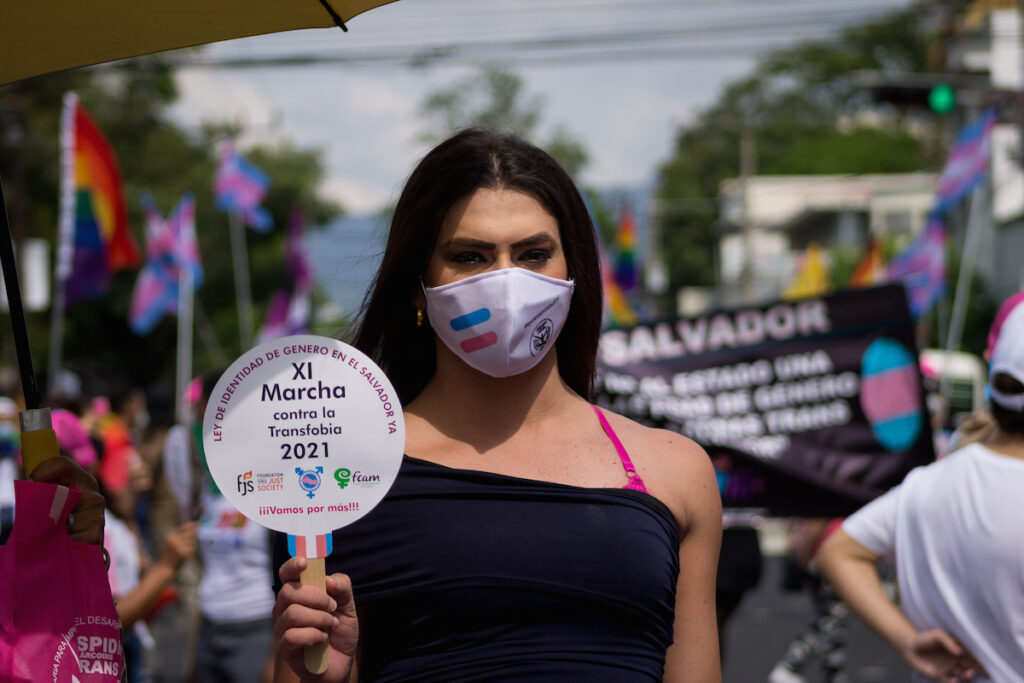
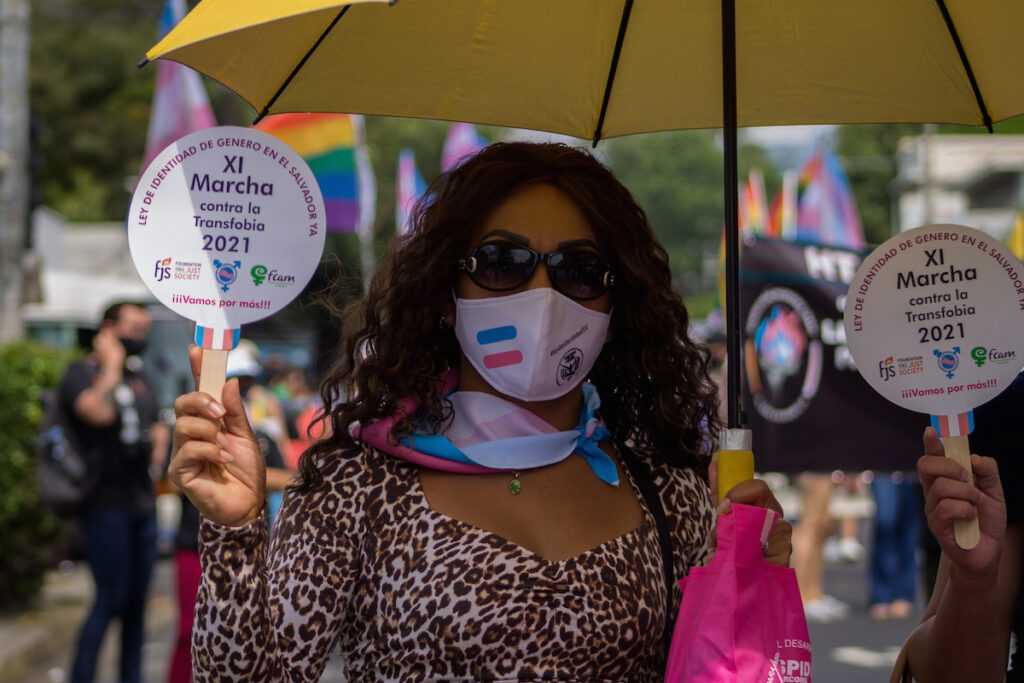
The organizations that had worked on the proposal since 2010 regretted the decision. They believed that the new legislature, composed mostly of young people, would be more sensitive to their rights.
With this decision, transgender women and men will have to continue using the name and gender on their documents that do not correspond to their identity. The proposed law was shelved without being consulted with the social organizations that proposed it.
“If they don’t bring the proposed law out of the archives, they will reveal the homophobia, transphobia, and misogyny that exists within this new Legislative Assembly and among the representatives who are failing to legislate for the needs of the LGBTI population, who also gave them their vote and put them in those seats,” Bianka Rodríguez emphasized.
On May 1, 2021, the new Legislative Assembly was installed in El Salvador for a three-year term. President Nayib Bukele's Nuevas Ideas party won a resounding victory in the February midterm elections, securing, along with its allies, a supermajority in the assembly: 64 out of 84 seats. This majority allows them to govern and pass legislation without opposition.
The Human Rights Ombudsman's Office (PDDH) criticized the decision of nine deputies and urged a new lobbying effort to have the proposal presented, analyzed, and discussed with the relevant committee.
“I reiterate to the LGBTIQ+ population of El Salvador my commitment to accompany them in their just demands, carrying out the actions within my competence,” said the Human Rights Ombudsman, Apolonio Tobar.
Condemned to exclusion
Eliza Velásquez entered the women's restroom at a fast-food restaurant chain, but was immediately escorted out by the security guard. He told her she was in the wrong place; she should go to the men's.
“I always go into the women’s restroom because it’s the right thing to do, but once the security guard told me to leave, saying I would always be a man. I went to the men’s restroom, and there they were giving me strange looks too. I had no other choice,” Eliza told Presentes.p
Unable to challenge the security guard because she lacked documentation confirming her transgender identity, Eliza decided to use men's restrooms in public places from then on. Her National Identity Document (DUI) lists the name and gender assigned to her at birth, and she has joined the trans community's fight for the passage of a gender identity law.
Invisibility as a public policy
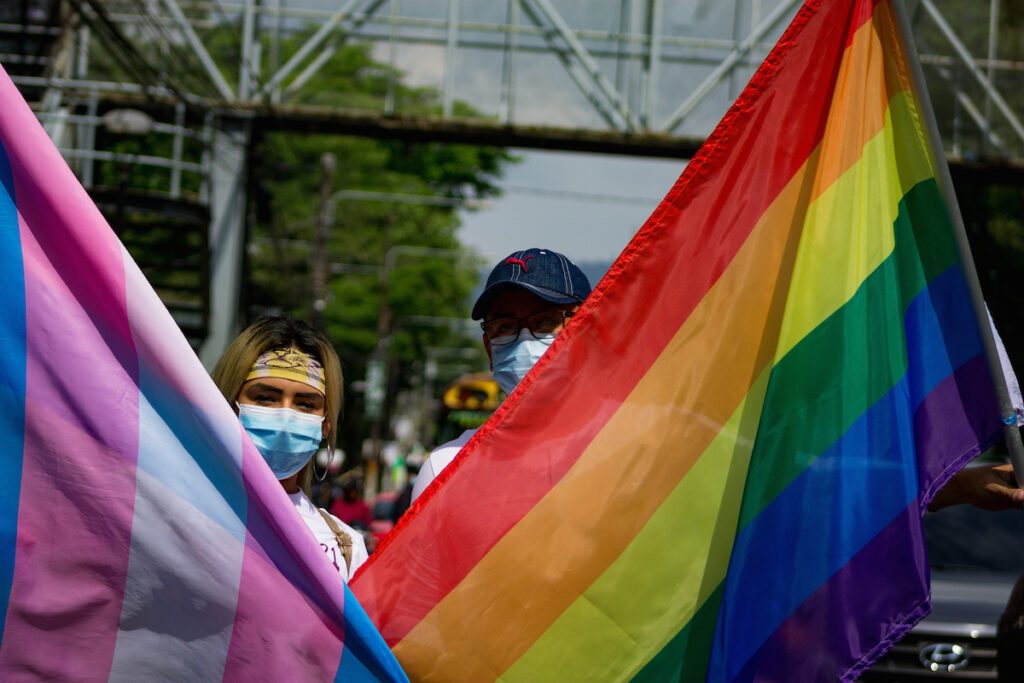
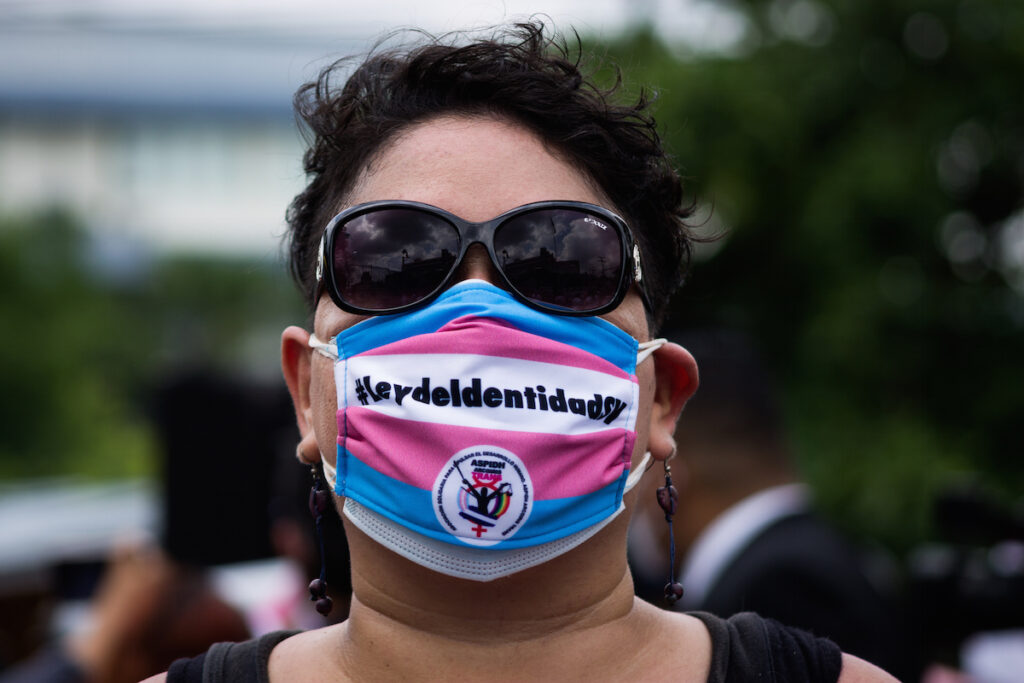
Since the start of his administration in June 2019, Nayib Bukele eliminated the sexual diversity directorate where complaints of rights violations against the LGBTI population were handled.
The now-defunct agency had created the 131 hotline to handle complaints, provide guidance on rights, and offer psychological support when needed. The current government transferred the number to the Ministry of Health to serve pregnant women, children under five, and people requiring mental health care.
The work that was carried out by the former sexual diversity directorate came under the dependency of the gender unit of the Ministry of Culture. Presentes confirmed that they have not met with the authorities in charge since 2019.
“Being a trans man in El Salvador means not existing because I am not legally recognized. It means being excluded and rejected by society, it means not having rights,” Bryan Rodríguez, deputy director of Trans Men El Salvador (HT), told Presentes.
El Salvador, which reports high rates of discrimination and murders against the LGBT population, had until June 2019 Presidential Decree No. 56, which prohibited discrimination based on gender identity and sexual orientation in all state institutions.
“We no longer want to be forgotten in public policy. We will never back down again. Our voices will denounce the abuses they commit as members of parliament of this nation,” Bianka stated.
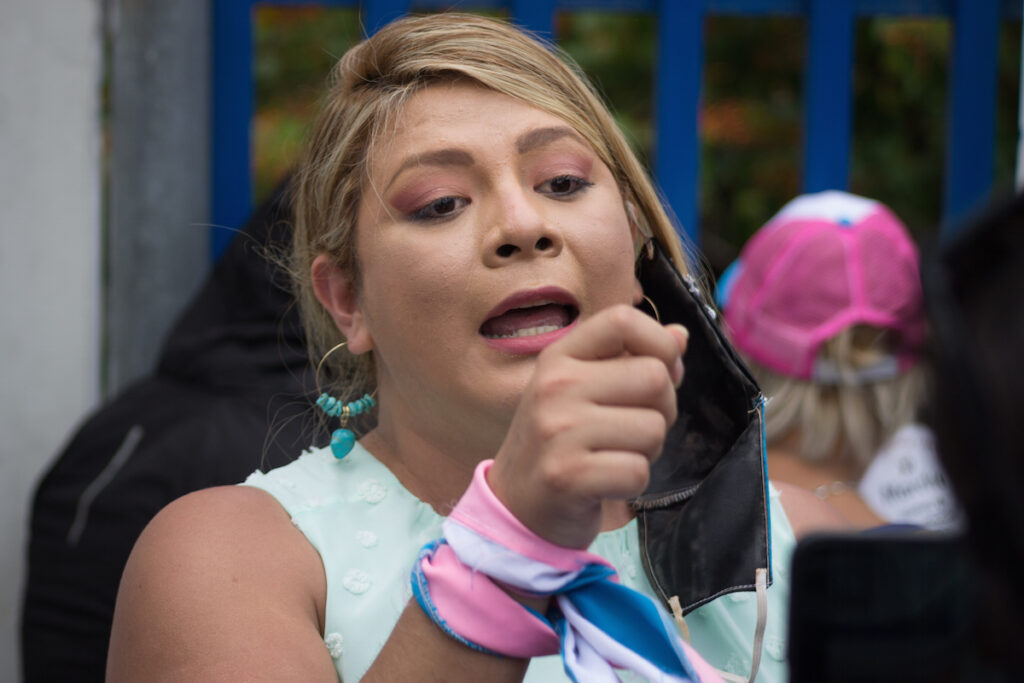
The fight for the passage of the law
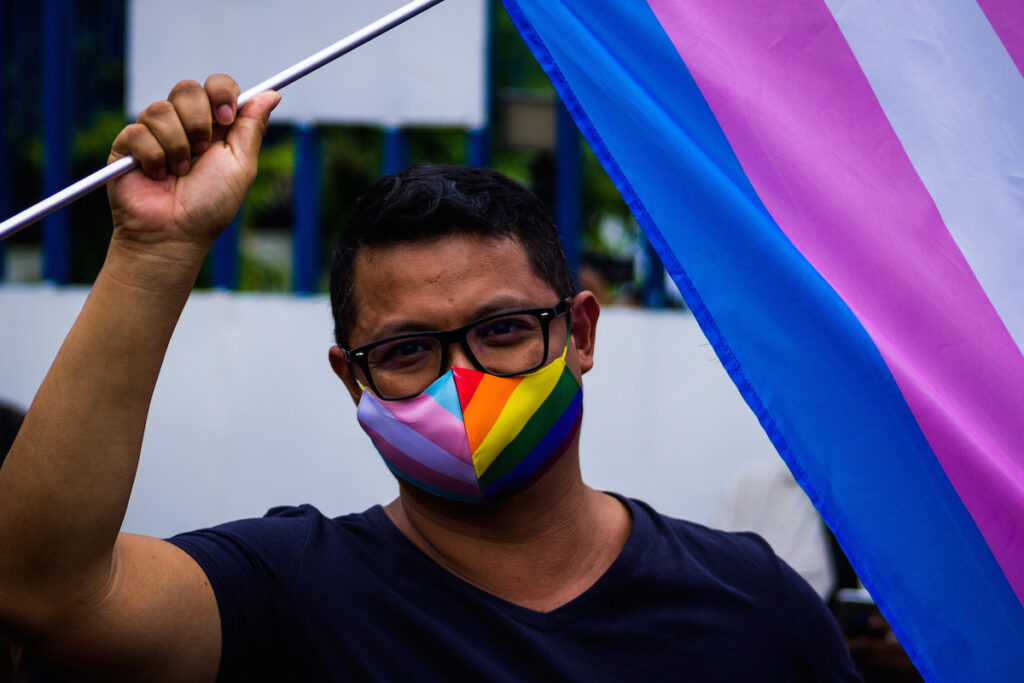
Last Monday, 27-year-old Eliza left her house in the early morning; outside, more than two hundred kilometers awaited her to travel from the municipality of Nueva Esparta, department of La Unión to the capital.
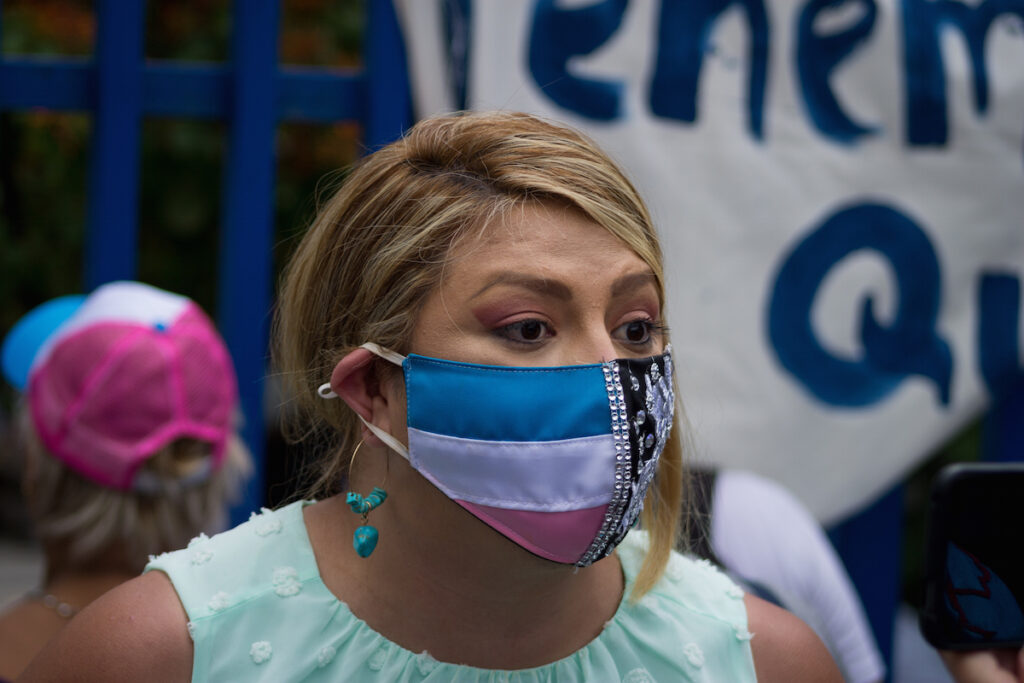
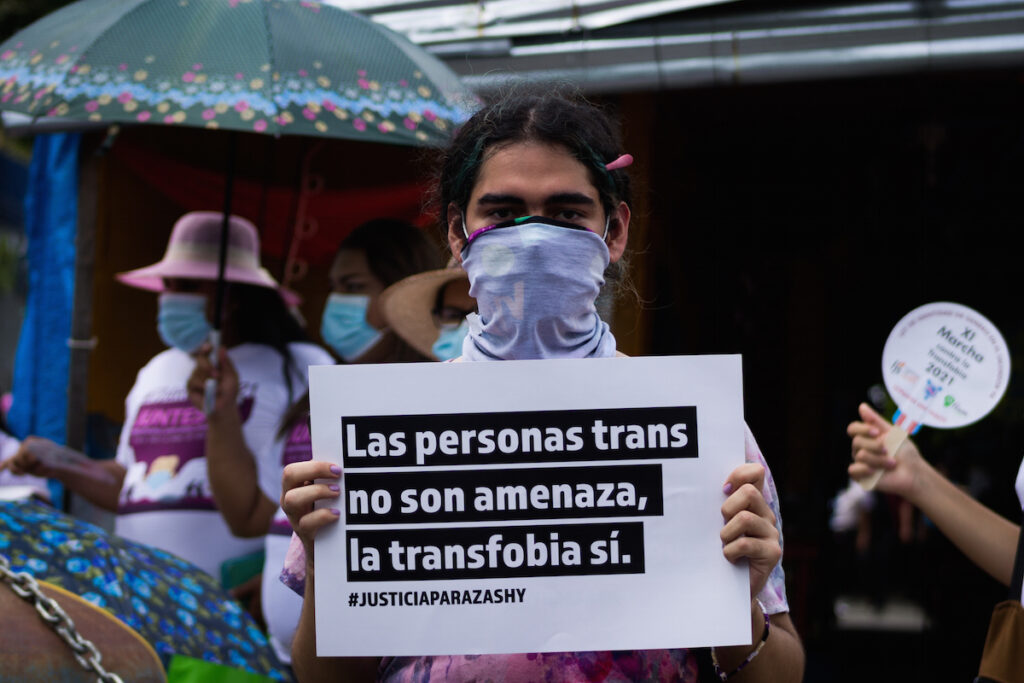
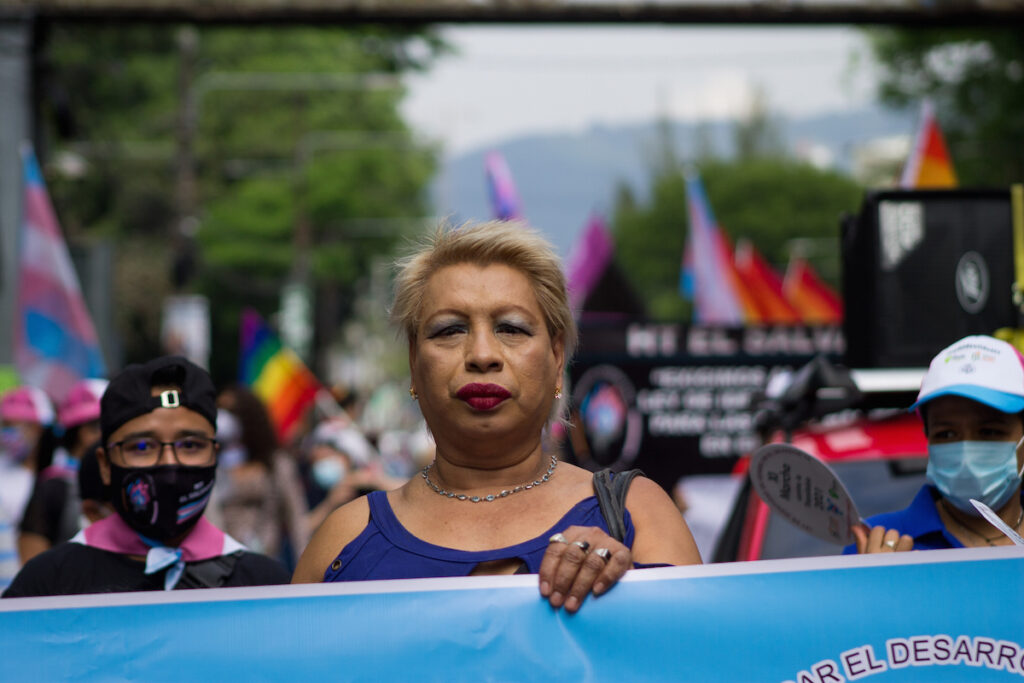
She says that every May 17th she has traveled to the capital of El Salvador to participate in the march against transphobia, but this year she did so to protest against the decision of legislators in the Legislative Assembly who summarily shelved a bill that would have allowed Eliza to have a document with her name, sex and self-perceived gender.
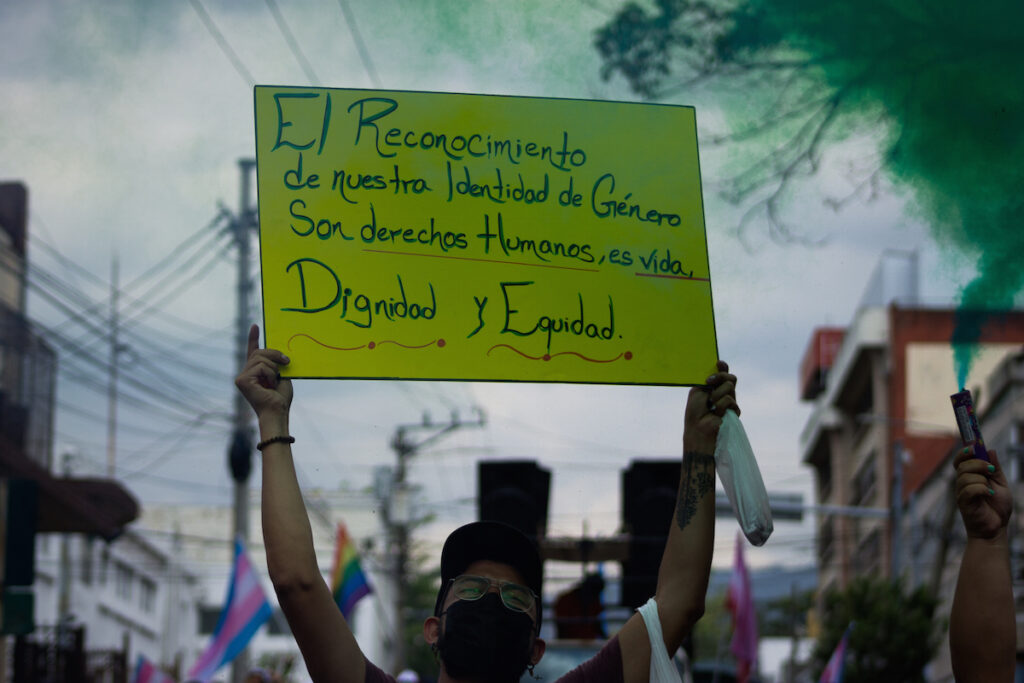
“That law needs to be passed because then we would finally be recognized as women under the law. We wouldn't have to hide our names or have people tell us we should be called by our birth name and not by our chosen gender,” Eliza told Presentes.
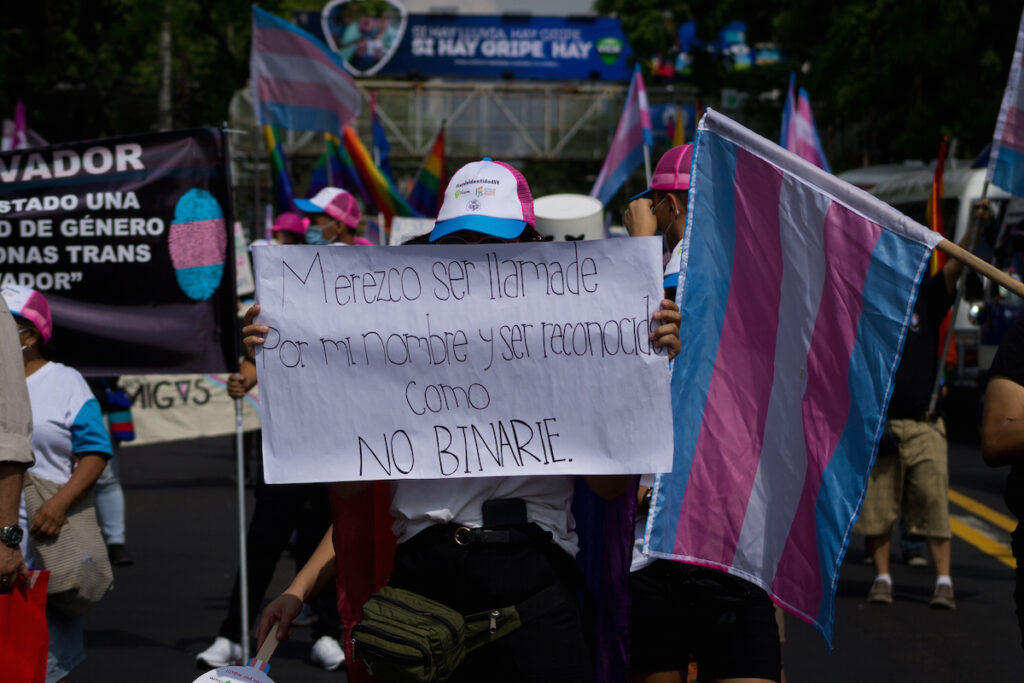
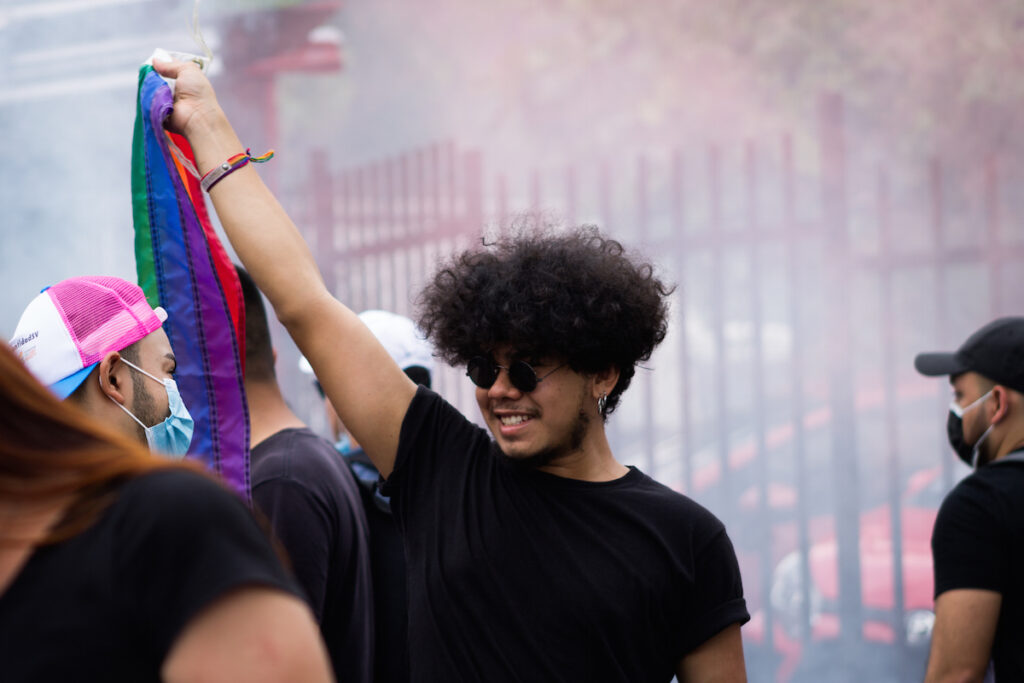
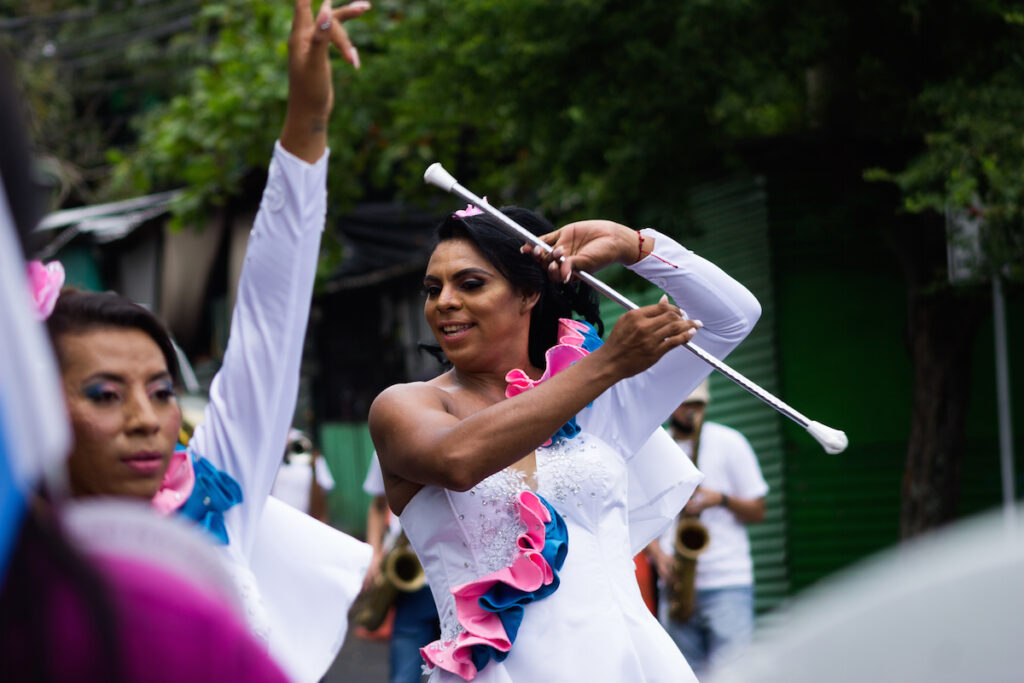
Eliza joined hundreds of people who took to the streets of San Salvador to demand that the proposed law be revived and passed. She says she still remembers when, seven years ago, she found the courage to embrace her gender identity and expression.
“The first few times it was difficult for me, I felt ashamed and afraid that everyone would look at me and say, 'there goes that woman's dress.' At first it was difficult, then I adapted to the discrimination, to the bullying that I still get,” she said.
Bukele, 39, who calls himself the “coolest president” in the world, swept the 2019 elections and became a media phenomenon, defeating the traditional parties in the Central American country. His 41-page electoral platform, “Plan Cuscatlán,” contains no proposals for the LGBTI population.
“I voted for Nuevas Ideas believing that everything would be different. It makes me indignant because they promised to support the LGBTI population and now they're saying they don't care. Just as we supported them to be in the Assembly, they should keep their promises to us,” said Eliza.
Share
We are present
We are committed to journalism that delves into the territories and conducts thorough investigations, combined with new technologies and narrative formats. We want the protagonists, their stories, and their struggles to be present.
SUPPORT US

FOLLOW US
Related notes
We are present
This and other stories are not usually on the media agenda. Together we can bring them to light.