

Chile's new Constitution will be diverse: LGBT and indigenous people will be part of the convention
Jennifer Mella, Valentina Miranda, Pedro Muñoz, Javier Fuchslocher, Gaspar Domínguez, Tomás Laibe, Bessy Gallardo, and Rodrigo Rojas will represent sexual diversity. There are 17 seats reserved for Indigenous peoples.


Share

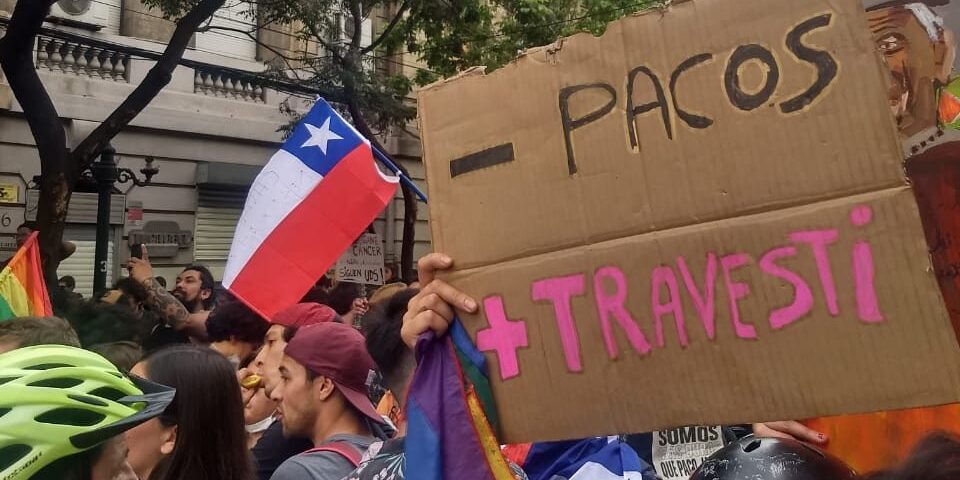
Diversity and the limited influence of traditional political parties marked the results of the municipal and constitutional elections held in Chile this past weekend. Of the 155 members who will make up the constitutional convention to draft the new Constitution , 48 are independent, according to the latest bulletin from the Chilean Electoral Service, with 90% of the votes counted. Eight of them identify as LGBTQ+ and 77 are women, with significant feminist participation.
Jennifer Mella, Valentina Miranda, Pedro Muñoz, Javier Fuchslocher, Gaspar Domínguez, Tomás Laibe, Bessy Gallardo, and Rodrigo Rojas will represent sexual diversity. In this special, Presentes spoke with Mella, Domínguez, and Laibe.
Mella is a lesbian, feminist, lawyer, and farmer. Domínguez is a doctor, gay, and has worked in the most remote rural areas of southern Chile. Laibe is also gay and a political scientist. All three share a human rights approach and an environmentalist vision as part of their proposals.
The convention incorporates the ten Chilean indigenous peoples recognized by the State, including the Mapuche, Aymara, Quechua, and Diaguita. Seventeen seats are reserved for them, an unprecedented arrangement worldwide. As of this writing, Machi Francisca Linconao was leading in the polls for the Mapuche people. Her name in this election is emblematic because on May 5, 2018, the Temuco Criminal Court acquitted her, along with eight other indigenous people, of their alleged involvement in the 2013 murder of two people. She has always maintained her innocence of the charges against her.
Voter turnout was 43.35%, significantly lower than the 50.9% turnout in the October plebiscite. The biggest surprise was the defeat of the right-wing and center-left parties and coalitions that led the transition and governed since 1990, following the return of democracy to the country.
Historic triumph
Openly LGBTQ+ candidates represent only 3.9% of elected seats, according to an analysis by Les Constituyentes, a platform created by women activists for diversity to disseminate the various proposals that emerged from this trench.
Although no trans candidates were able to enter the convention, for them and for the entire local community it is still a historic result, in a country where sexual dissidence and diversity have never before had so much representation in local politics.
The elected officials will have to fight, once again, from a position of resistance, the organization warns: “They will occupy a space in politics that has become accustomed to denying the existence of bodies that do not comply with the norms imposed by heterosexuality, so being dissident will be an act of resistance that will represent the LGBTIQ+ population in a historical process.”
Representation in municipal positions
On May 15 and 16, Chile also elected regional governors, mayors, and council members. At least 16 LGBTQ+ individuals won seats in the country's municipalities, representing another historic achievement for the community.
In the latest Servel bulletin, Presentes identified 15 newly elected council members across various regions of the country. Representing the trans community, Juliana Bustos, Zuliana Araya, and Almendra Silva were re-elected in Collipulli, Valparaíso, and Cisnes, respectively; and Pamela Salomé Caimanque also secured a seat in La Serena. Five lesbians and feminists were elected: Tamara Aguilera (Buin), Camila Quiroz (Maipú), Kena Lorenzini (Ñuñoa), Fanny Vega (Ovalle), and Daniela Cisternas (Quillota). The remaining elected council members are Pablo González (Viña del Mar), Bladymir Muñoz (Maipú), Ignacio Plaza (Coquimbo), Cristián Martínez (Molina), Carlos Sepúlveda (Temuco), and Sebastián Keitel (Colina).
History was also made in a mayoral election with the Broad Front, a coalition of left-wing parties that emerged a couple of years ago and has since challenged the power of traditional political forces. Lorena Olavarría was one of its candidates and was elected mayor of Melipilla, a town traditionally known for its right-wing leanings. She is the first woman to hold the position in that municipality and also the first openly lesbian mayor in the country.
A cultural manager, feminist, and advocate for respect, inclusion, diversity, and ecology, Lorena told Presentes that the first challenge has already been overcome. “We organized ourselves,” she said, referring to the participation and representation of sexual diversity in the current political landscape. What comes next is the promotion of the programmatic priorities that each of them has outlined to implement in their respective territories: “We recognize ourselves as agents of change, because we have been and want to continue being bridges in building the present and the future, and working to achieve a state that guarantees rights with a solid foundation of solidarity.”
We are present
We are committed to journalism that delves into the territories and conducts thorough investigations, combined with new technologies and narrative formats. We want the protagonists, their stories, and their struggles to be present.
SUPPORT US

FOLLOW US
Related notes

We are present
This and other stories are not usually on the media agenda. Together we can bring them to light.