

Podcast: Trans activists in Guatemala fight a system that denies them access to healthcare
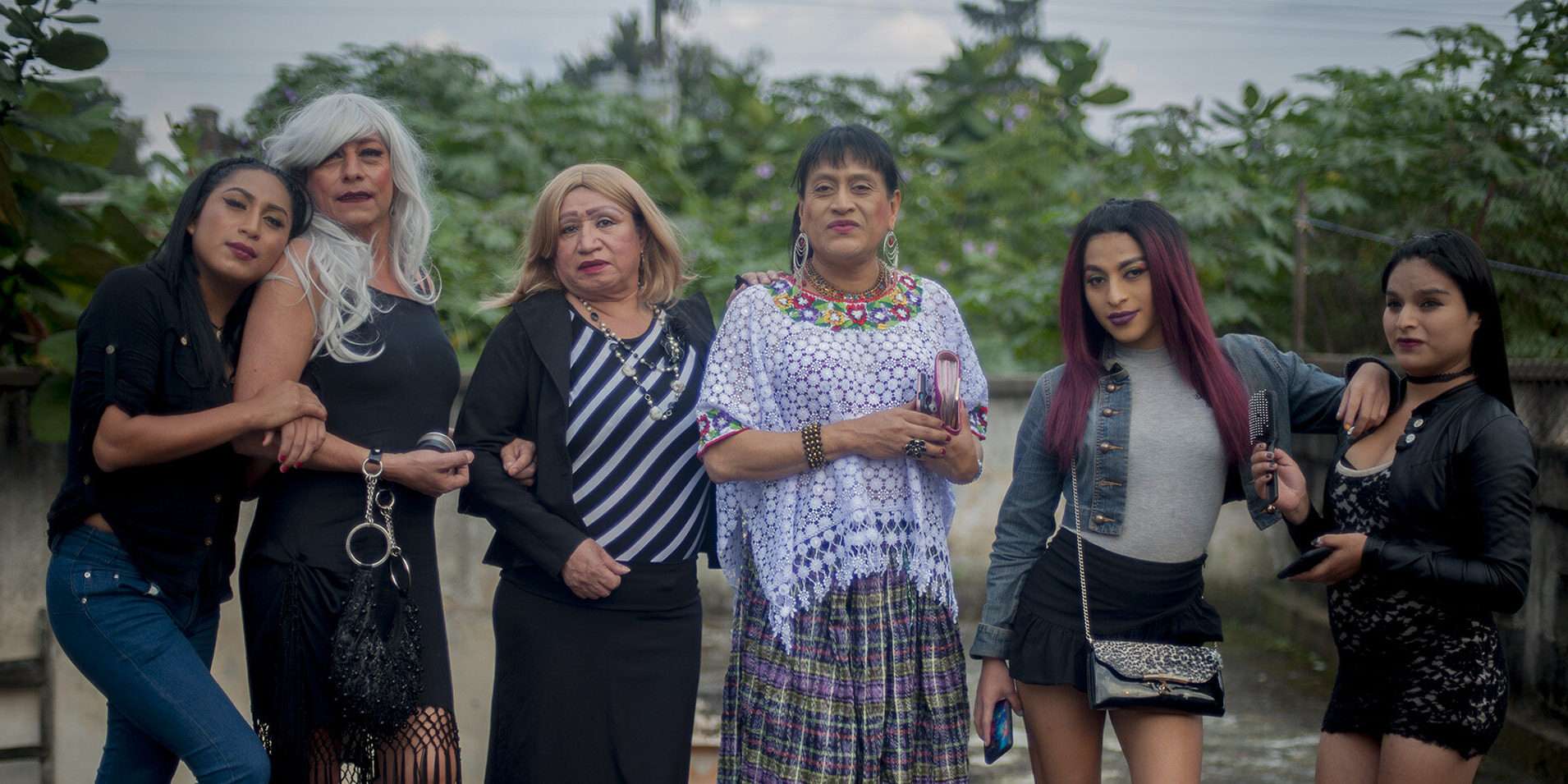
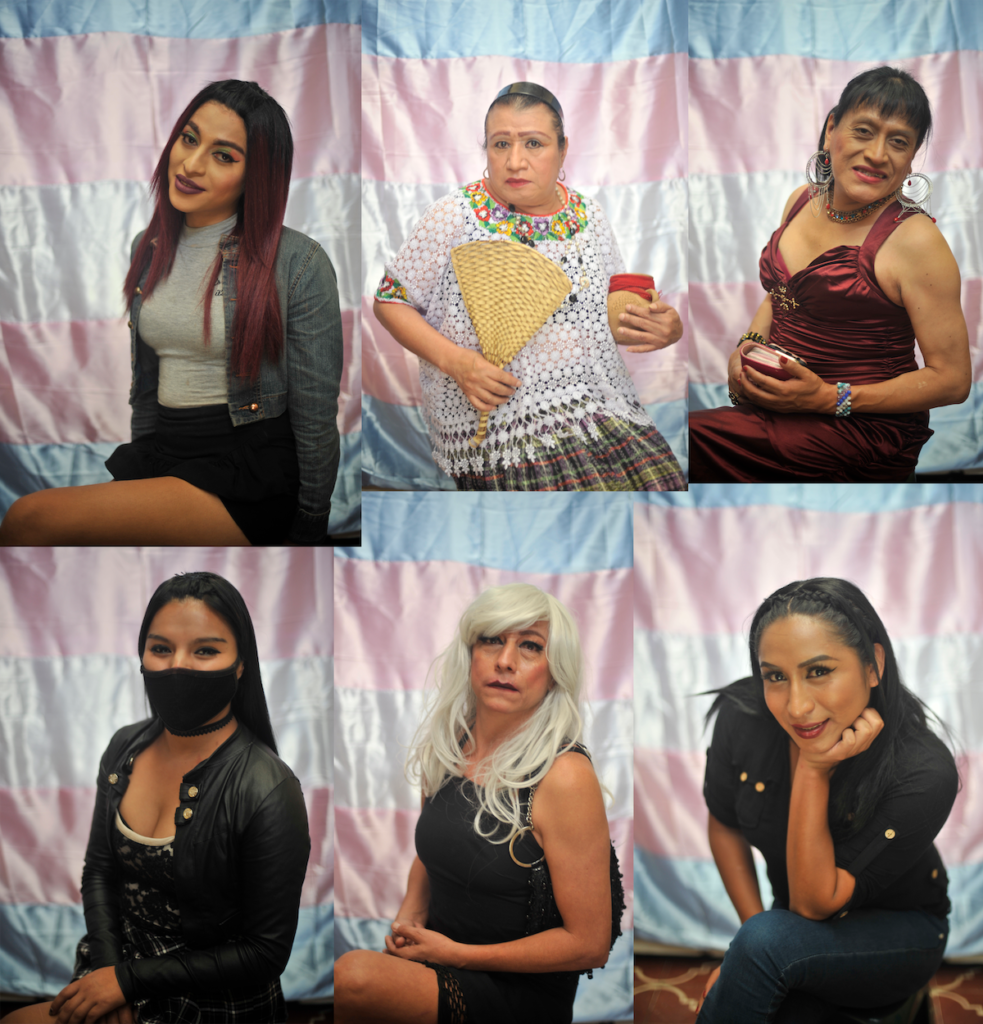
"There are almost 5,000 trans women in Guatemala, and the authorities have no answers, no clear pathways, and no strategies to provide us with healthcare," Pilar Salazar explains in this podcast. Along with Saira Ramos, she shares, among other things, the experiences of sex workers in El Trébol.


Share

In 2015, the Guatemalan government approved a healthcare protocol for transgender people. The idea was to provide comprehensive care for their common illnesses, as well as psychological and hormone replacement therapy. But this remained only on paper. No money has ever been invested in training and awareness programs for medical personnel. As a result, the community reports mistreatment and exclusion in health centers and hospitals.
"There are almost 5,000 trans women in Guatemala today, and the authorities have no answers, routes, or clear strategies to serve us in the health system," says Pilar Salazar in this podcast dedicated to the memory of Melany Rivera.
Through various testimonies and experiences, the film recounts how the Guatemalan state excludes transgender people from the healthcare system. It also details how a group of sex workers, members of the El Trébol collective, resist this system to demand inclusion and access to their rights. The film portrays their daily struggle for dignified care and how the public health system in Guatemala has violated, and continues to violate, the right to health.
This podcast was produced with the support of the International Women ( IWMF ) as part of its Express Yourself! initiative in Latin America .
We are present
We are committed to journalism that delves into the territories and conducts thorough investigations, combined with new technologies and narrative formats. We want the protagonists, their stories, and their struggles to be present.
SUPPORT US

FOLLOW US
Related notes



We are present
This and other stories are not usually on the media agenda. Together we can bring them to light.