

Joe Lemonge, a trans man convicted in 2018 after defending himself against his attackers, was acquitted.
The Court of Cassation of Paraná acquitted Joe Lemonge, the young trans man convicted in 2018 for “attempted homicide”.


Share

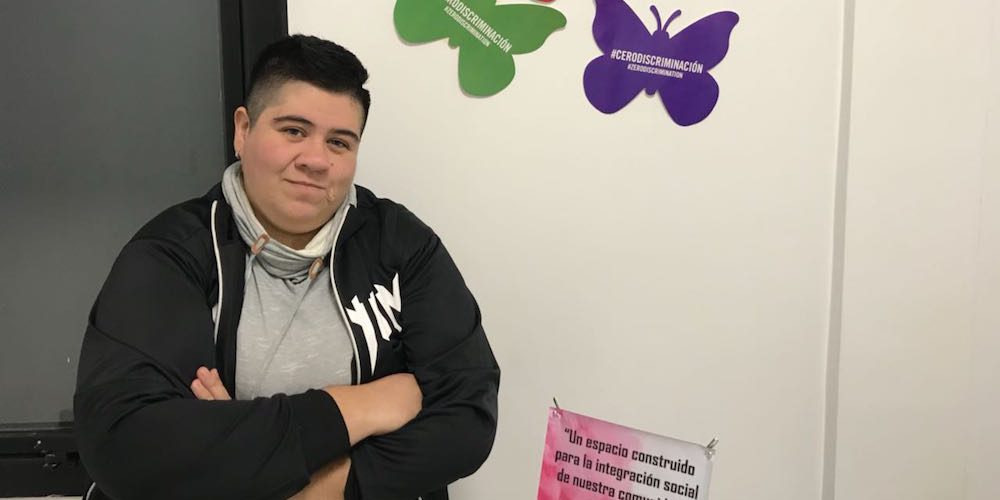
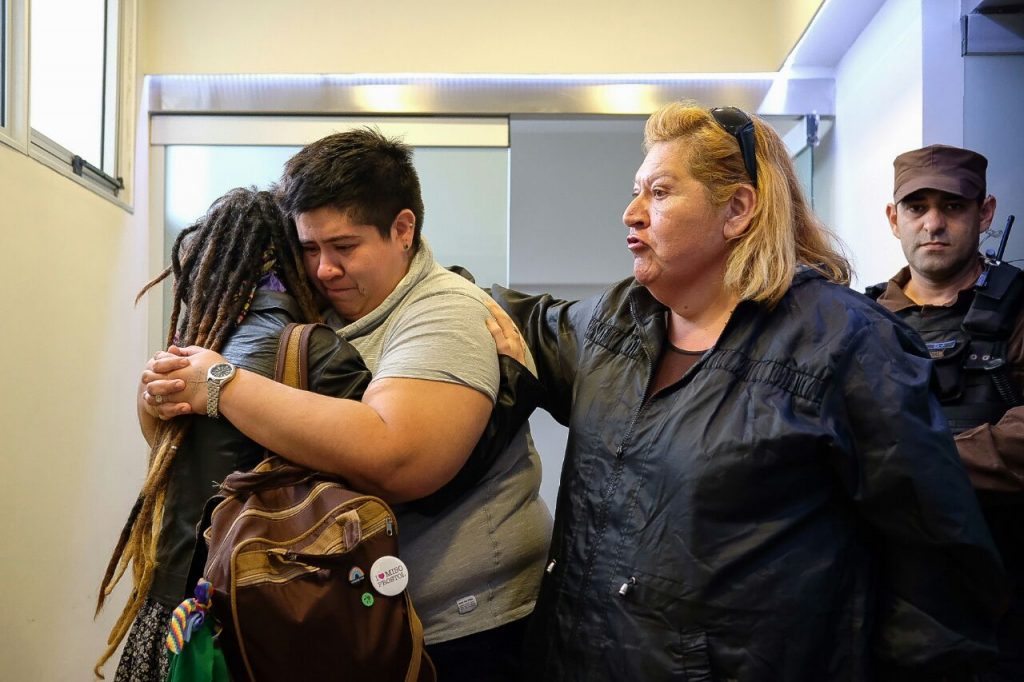
The Court of Cassation in Paraná acquitted Joe Lemonge, the young trans man convicted in 2018 of attempted homicide in Entre Ríos, after he acted in self-defense against his attackers. Following the conviction that disrupted his life and freedom, Joe, who had a suspended sentence, moved to Buenos Aires to be closer to the LGBT+ activists who supported him throughout this process.
“This is what we were hoping for five years ago. It’s a turning point. It has to be the foundation for other stories; this is just the tip of the iceberg. There’s a long way to go. They’re simply giving me back my freedom, but they ruined five years of my life. I lived with a part of myself missing,” Joe told Presentes.
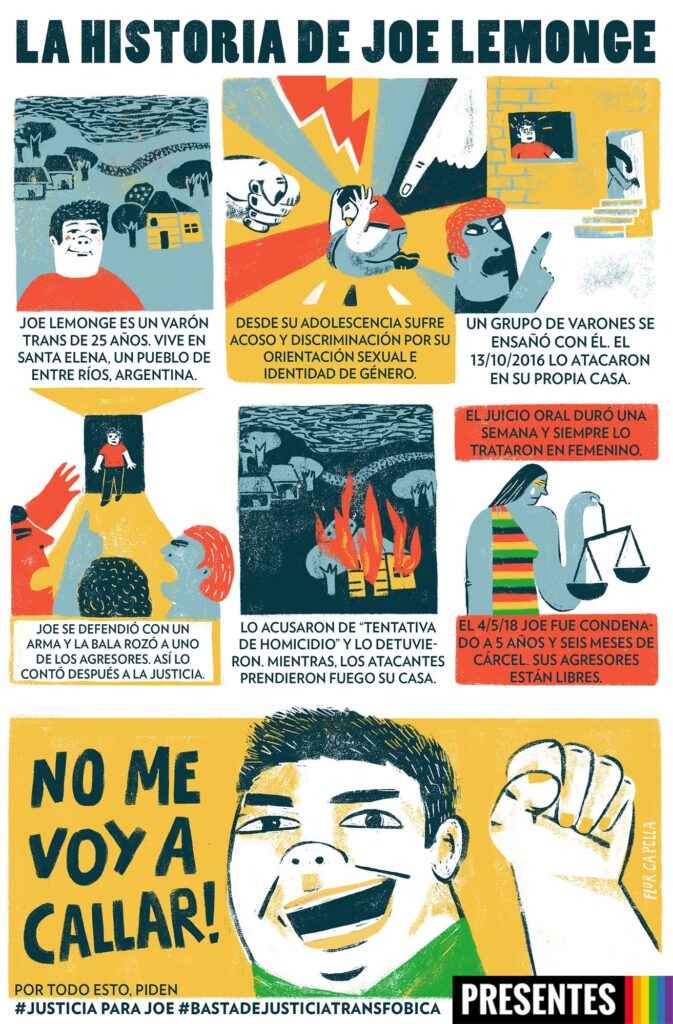
Yesterday at midday, he received the news of his acquittal in his hometown of Santa Elena, where he is settling some inheritance matters following his mother's death. It was in this town of 17,000 inhabitants that Joe endured constant harassment, first as an openly lesbian girl at school, then as a trans man in the neighborhood, and where, on the night of October 13, 2016, a group of men who had been harassing him for some time broke into the house where he lived, and after a struggle, a rifle Joe carried for self-defense went off.
A transphobic failure
Following this incident, Joe was prosecuted. On May 4, 2018, the Trial and Appeals Court of Paraná, based in La Paz (Entre Ríos), found him guilty of attempted homicide and sentenced him to five years and six months in prison.
During the trial, he was referred to using female pronouns, disregarding his gender identity. The judge responsible for the ruling, Cristina Lía Vandembroucke, stated that she was doing so for “legal reasons,” ignoring the law. “Beyond the identification that you have clearly stated before this Court throughout the hearings, you have not legally changed your gender, and therefore in the sentence I will refer to you as female, without this implying any disregard or in any way failing to respect the transgender status you have invoked. But for legal reasons, I must refer to you by the gender you legally possess,” Vandembroucke said at the time, during the reading of the verdict.
Let the judicial redress also be real
This ruling by the Court of Cassation granted Joe his freedom and also recognizes the structural violence suffered by trans people. “The ruling is very interesting because it is quite respectful in terms of gender identity. And it also emphasizes several times the social structure. That the evidence should not be evaluated based on statements but rather in relation to the context. And here the issue of transphobia is taken into account. It doesn't speak directly of transphobia, but it speaks of structural violence and the particularities of Joe's case ,” Alejandro Mamani, a member of Abosex, the organization that has supported Joe since 2018 and helped him secure legal representation, told Presentes.
In recent years, Joe had to leave Santa Elena and lived in Buenos Aires City and Buenos Aires Province. “Those were very sad years. They took everything from me. In Buenos Aires, things improved a little, but I had some bad moments, times of abandonment. Because in a way, they expected me to be an activist, and I make mistakes too. I survived by doing odd jobs, sporadic work. From collecting cans at an event to working as a security guard. That was my last job. I was laid off with the mandatory quarantine last year, and I survived thanks to organizations like Mocha Celis and 100% Diversity and Rights, which distributed food and aid,” Joe adds.
Both Joe and Abosex are considering taking legal action to seek financial or symbolic compensation for the years of injustice and "social and emotional damage".
“Today I need to work. Like Tehuel. We need to know what happened to Tehuel. If trans people have jobs, they are very precarious, very dangerous. Either delivery work or sex work. I haven't had health insurance for 5 years. I haven't been able to get a mastectomy, for example,” says Joe.
The role of activism and its effect on justice
Recently, Mariana Gómez, a lesbian assaulted by the police and convicted in 2019 for defending herself, was also acquitted . There are some signs of change at the judicial level, and this is due to the emergence of jurisprudence and precedents thanks to the work of LGBTI+ activism.
The determination to highlight the importance of gender and diversity in judicial biases has led to progress and rulings like this.
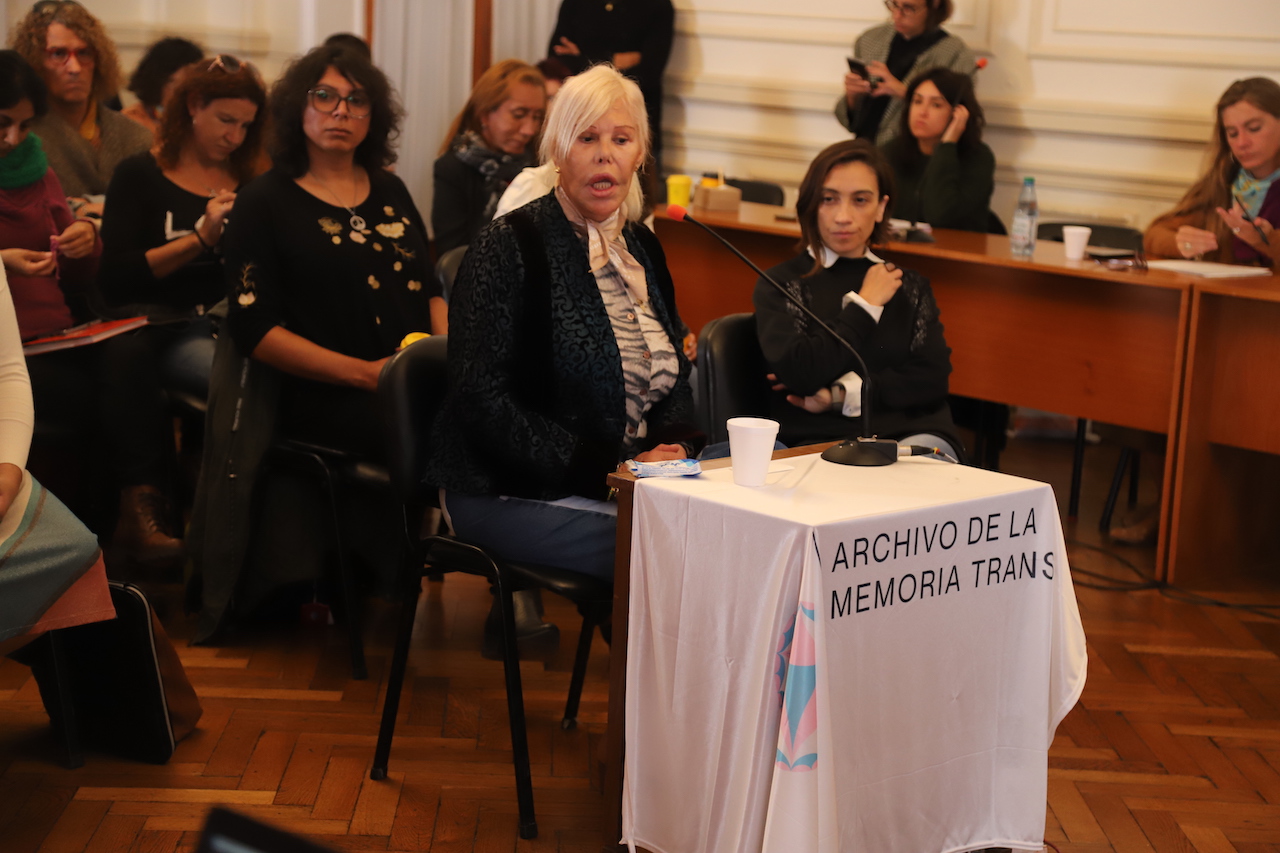
“There’s been a shift at the judicial level, and that’s thanks to activism and alternative media outlets that reported the story well at the time. Today, mainstream media picked up the story, but back then, very few gave it proper coverage. Judges and journalists need to be educated. Legally, cases involving trans men are invisible. Joe’s life is marked by many intersectional factors. He was a trans man from a working-class background. He didn’t receive adequate legal representation because of his background. He was just another case for the public defender,” Mamami adds.
Joe hopes this ruling will be a turning point not only for him but for everyone. “It’s a collective achievement. Unfortunately, I happen to be the face of something that many people experience, especially in small towns.”
We are present
We are committed to journalism that delves into the territories and conducts thorough investigations, combined with new technologies and narrative formats. We want the protagonists, their stories, and their struggles to be present.
SUPPORT US

FOLLOW US
Related notes
We are present
This and other stories are not usually on the media agenda. Together we can bring them to light.