
 Apoyanos
Quiénes son les candidates LGBT+ que quieren cambiar la Constitución chilena
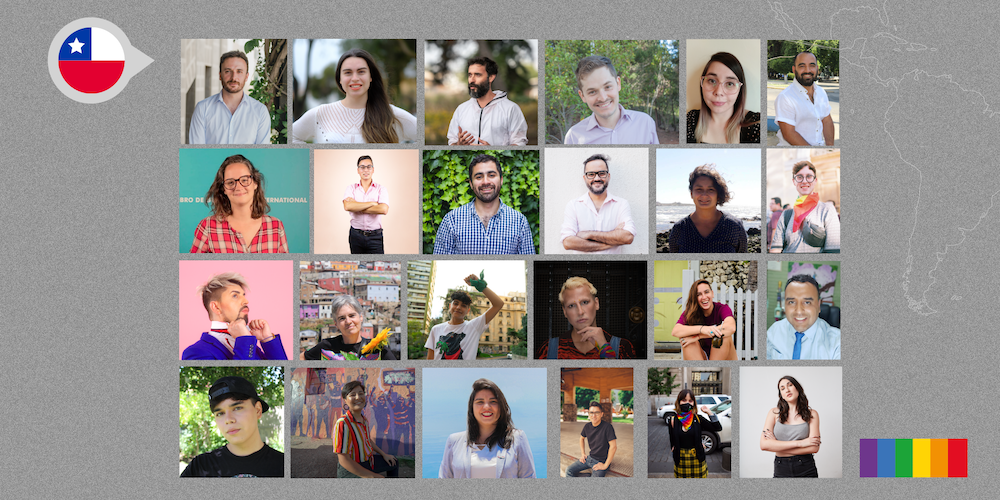
El 15 y 16 de mayo Chile elige convencionales constituyentes para redactar la nueva Constitución. Al menos 47 candidatxs son LGTBIQ+.


Investigación: Airam Fernandez
El 15 y 16 de mayo Chile realiza las elecciones municipales de gobernadores y convencionales constituyentes, para elegir a lxs integrantes de la Convención que se encargará de redactar la nueva Constitución. Es un proceso histórico por varias razones: lxs candidatxs resulten electxs sepultarán la carta que rige al país desde la dictadura de Augusto Pinochet. Serán 155 asambleístas y la mitad de lxs electxs tendrán que ser mujeres porque así lo establece la ley. Entre una lista kilométrica de candidatxs, al menos 47 se autodeterminan como LGTBIQ+. Es primera vez que un número tan representativo de personas de la diversidad sexual deciden disputar un espacio en un proceso electoral en el país.
Retos para lxs candidatxs de las disidencias sexuales
Las candidaturas de las disidencias sexuales se enfrentan a varios retos. Lorena Olavarría es candidata a alcaldesa en Melipilla y parte de la plataforma Voto Disidente, conformada tras el plebiscito que se efectuó en 2020 —donde ganó la opción de reemplazar la Constitución de 1980—. Cuenta a Presentes que el primer desafío ya lo superaron: “Nos organizamos”, dice. Y lo hicieron no sólo desde las ganas de aportar a la construcción de un nuevo Chile, sino para honrar la memoria de las víctimas de la ola de ataques de odio y discriminación que desde hace varios años afecta a todo el país. “También estamos aquí por ellxs y no tenemos miedo. Porque estamos juntxs y eso hace más llevadero este camino”, asegura.
Otro de los retos es el de la visibilidad, explican desde el equipo de Les Constituyentes. Se trata de una plataforma creada por mujeres activistas de la diversidad para difundir las distintas propuestas que surgen desde esta trinchera. “El principal desafío que tienen es darse a conocer, ya que, en general, tienen menor acceso a espacios masivos de comunicación y menos recursos económicos que otros candidatos. Esto afecta directamente en la posibilidad de ser electos”, cuentan a Presentes. Según la información que analizaron sobre datos disponibles en comovoto.cl, hasta el 14 de marzo del 2021, de los 47 candidates, 13 no registraban ningún aporte a sus campañas electorales.
Pero el desafío más importante, a ojos de Les Constituyentes, es que las candidaturas LGBTIQ+ efectivamente sean electas: “En este sentido, para nosotras es importante destacar este proceso paritario único en Chile, donde hombres y mujeres redactarán una nueva Constitución.Y a su vez, avanzar en la discusión sobre las identidades propias de cada candidate y lo contradictorio que podría resultar el binarismo para la población LGTBIQ+”, plantean.
Quienes sean elegidxs tendrán que dar la pelea, una vez más, desde la resistencia. “Ocuparán un espacio en la política que se ha acostumbrado a negar la existencia de cuerpos que no cumplen con las normas impuestas desde la heterosexualidad, por lo que ser disidente será un acto de resistencia que representará a la población LGBTIQ+ en un proceso histórico”.
Las propuestas
Las propuestas de lxs candidatxs son muy variadas. La mayoría fija una postura crítica frente a los problemas estructurales que llevaron a lxs chilenxs a volcarse a las calles en octubre de 2019 y a protagonizar la mayor revuelta social de la historia reciente del país. Y eso es lo que destacan desde Les Constituyentes: “No se quedan solo en aquellos derechos que nos tocan por habitar cuerpas disidentes y territorios diferentes, sino que también se reconoce la importancia de otros derechos básicos y presentan propuestas que invitan a pensar en un proyecto país”.
Todxs coinciden en la necesidad de que sus identidades queden consagradas en la nueva Constitución, y en que lo que se escriba de alguna manera sea el reflejo del país diverso que hoy es Chile. “En definitiva, incorporar la perspectiva LGBTIQ+ e interseccional en la construcción de un nuevo modelo no sólo contribuirá a elaborar medidas específicas para el reconocimiento de derechos de quienes han estado excluides de manera histórica de los sistemas políticos, sino que será un aporte para el resto de la sociedad”, dicen.
Presentes conversó con 26 de ellxs, para conocer sobre sus inicios en el activismo y sus experiencias desde la política y también para profundizar en las ideas que tienen para la nueva Constitución.
En este informe especial : ¿Quiénes son, de dónde vienen y cuáles son sus propuestas?
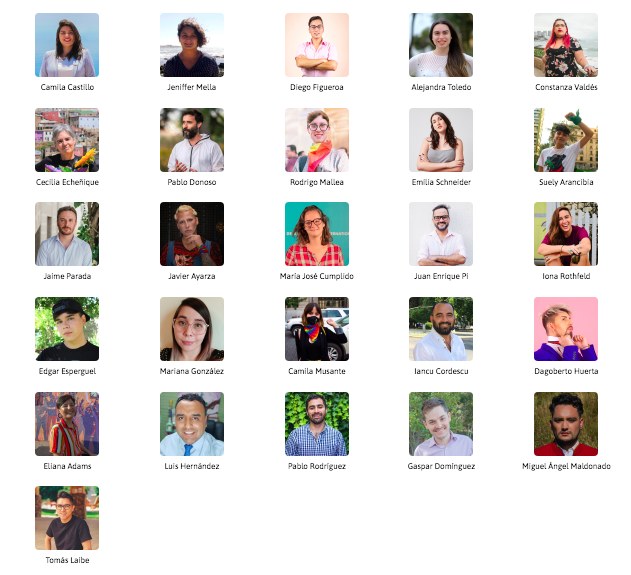
Si eres candidate LGBT+ y no estás en esta lista, escríbenos a contacto@agenciapresentes.org
Somos Presentes
Apostamos a un periodismo capaz de adentrarse en los territorios y la investigación exhaustiva, aliado a nuevas tecnologías y formatos narrativos. Queremos que lxs protagonistas, sus historias y sus luchas, estén presentes.
APOYANOS

SEGUINOS
Notas relacionadas


Estamos Presentes
Esta y otras historias no suelen estar en la agenda mediática. Entre todes podemos hacerlas presentes.