

A trans activist and a friend were attacked with stones and blows in Tilcara.
Three people physically attacked Sharon Mendoza, an activist from the Quebrada de Humahuaca, and a friend who was with her. He ended up unconscious and in the hospital.

Share

By Elena Corbalán
Photos: Facebook Sharon Mendoza
A transgender woman and a friend were verbally and physically assaulted on Sunday in the town of Tilcara , Jujuy . The attack occurred in a public place. The young man was left unconscious and had to be hospitalized. He has since been discharged and is continuing his recovery at home.
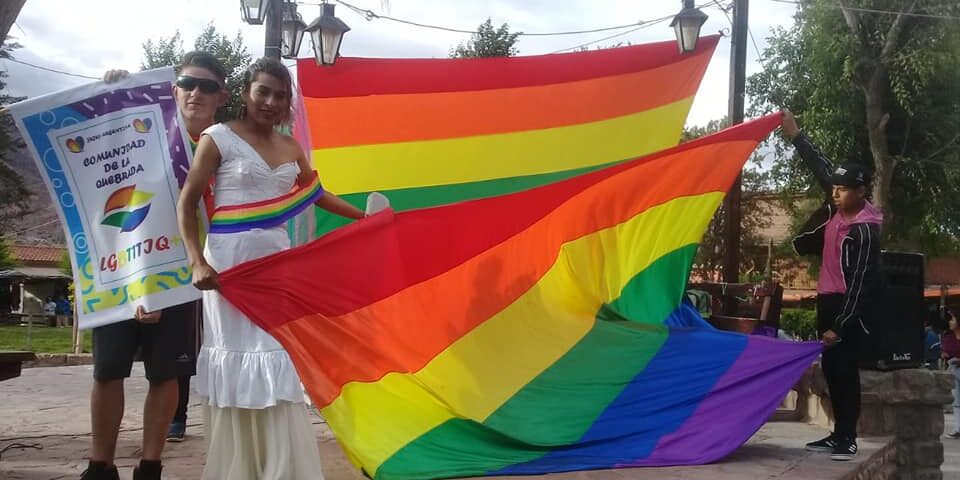
One of the victims of the attack was Sharon Renata Mendoza, a well-known activist in the area and an ambassador for the LGBT collective in La Quebrada. Sharon is 30 years old and is a leading figure in promoting diversity in the region.
The attack, which included insults, punches, and stone-throwing, came to light through a statement from the Jujuy branch of INADI (National Institute Against Discrimination, Xenophobia and Racism), which condemned the “violent act of homophobia in Tilcara.” The delegate in Jujuy, Walter Méndez, told Presentes that he made the incident public to raise awareness and contribute to “eradicating this type of thing.”
Stones and blows in Tilcara
Sharon told Presentes that in Tilcara—a town that attracts many tourists in the Quebrada de Humahuaca—there is a lot of sexism. She says it's quite common for her to receive insults and violent, hurtful comments because of her gender identity. But this time she was very frightened.
Last Sunday, shortly before midnight, while walking along a side street off Costanera Avenue in Tilcara, Sharon and her friend were attacked by three young men who hurled insults at them. Sharon was insulted for being a trans woman, and her friend for accompanying her. After the insults, they were punched and then chased, with the assailants throwing large stones . Sharon managed to dodge them, but her friend was hit in the head and spine, and collapsed. The attackers took advantage of this moment to flee.
“That’s when I got really scared because he wasn’t reacting, he wasn’t breathing.” Sharon performed first aid. The young man regained consciousness, “but he kept fainting.” Although she called an ambulance, it didn’t arrive, and finally “a neighbor helped us” and took them in his car to the hospital in Tilcara. The young man was admitted until the afternoon of the following day. Sharon, who had pain in her shoulders where she had been hit, believed that in her case the impacts were lessened because she was wearing a folded shawl that covered her shoulders.
On Monday morning, the two victims filed a police report at the Tilcara police station . They did not recognize their attackers, but Sharon suspects they are residents of Tilcara. “I think they’re just from here in town, but I didn’t recognize them. I only saw their faces and what they were wearing, I don’t know.”
Other forms of discrimination
Although Sharon emphasized that she had never suffered another similar act of violence before, she spoke of other forms of discrimination she has suffered for being a trans woman.
She says she recently received her new ID card, reflecting her gender identity change. The process took a year. According to the activist, the Tilcara branch of the Civil Registry kept giving her the runaround, and she had to travel to the capital of Jujuy province to resolve the issue.
Sharon is originally from Tilcara, is now 30 years old, and has been openly presenting herself as a woman for three and a half years. She says she has no problems with her family, but it was a bit of a struggle. She says it might be because until then she was a regular at the Catholic Church, a faith she maintains. Sharon was in charge of some church items, such as the vestments for the Virgin of Copacabana.

Normalized discrimination against LGBT+
Her response to the question of whether she had suffered aggression before because of her gender identity reveals the degree of violence that persists in northern society. Sharon says: “Not really, let’s say, they were more like insults, jokes, however you want to see it, but nothing serious because I never take it seriously since sometimes I get very sensitive and what they say hurts me.”
Following the response, she herself maintained that “a lot of discrimination” persists in Tilcara and is normalized towards people who don't conform to heteronormativity. “I know girls older than me who are used to being mistreated,” and “it's infuriating because sometimes nothing can be done because they don't want to. I think here in town, you get used to things like this. I, for example, never got used to the mistreatment as a LGBTQ+ person.” That's why marches and other actions are organized by the LGBTQ+ community, she says, and “we're raising awareness here, but not much changes. It's machismo.”
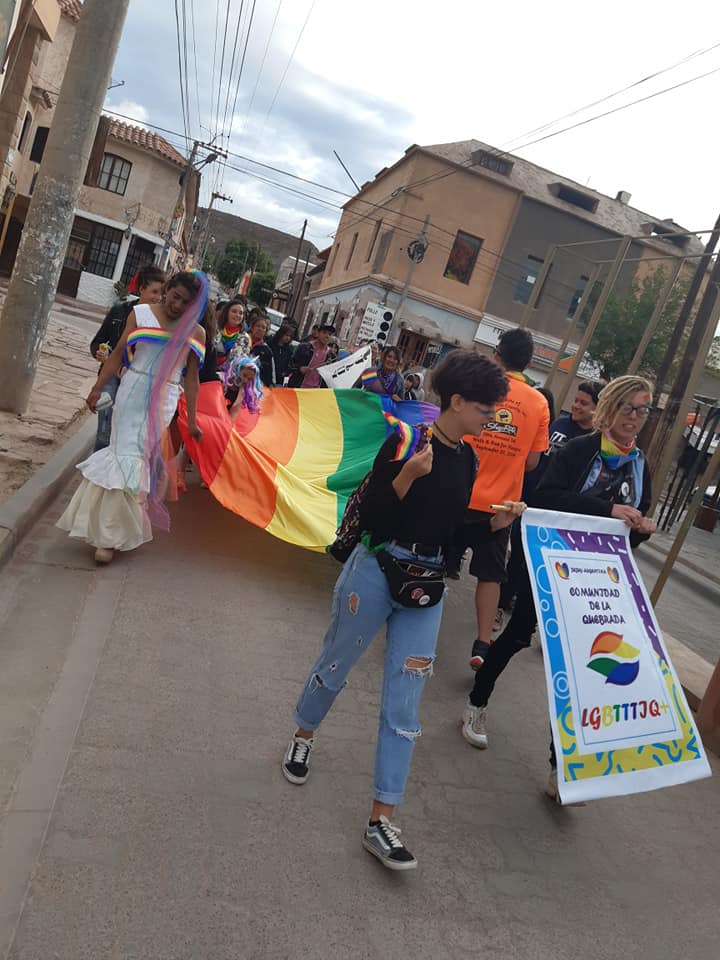
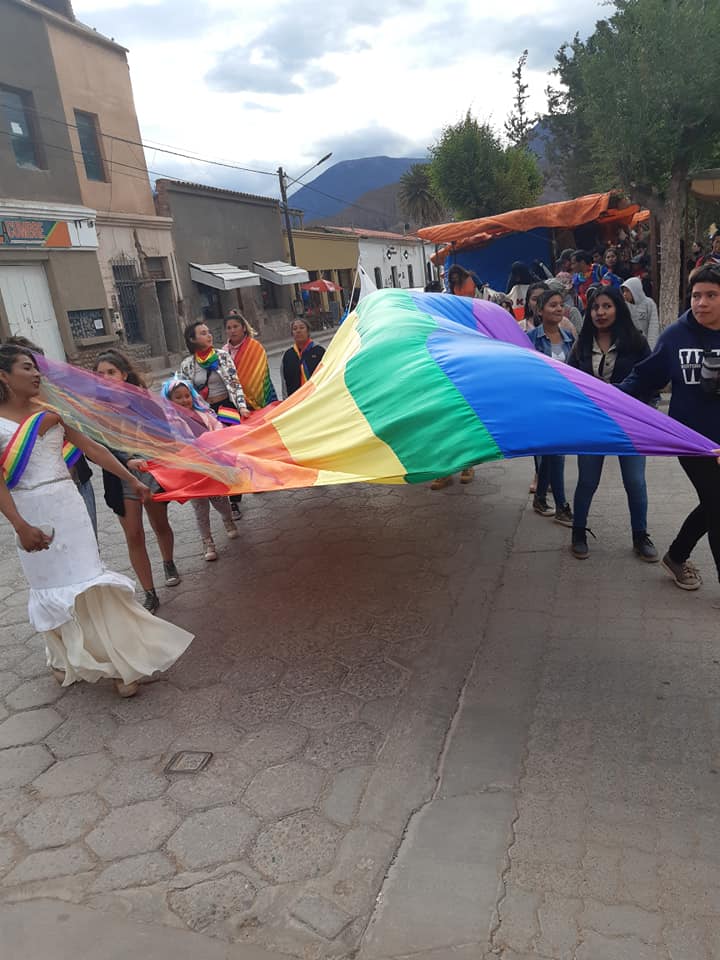
In the chapel of the Virgin of Copacabana, she also received malicious comments, some even insults in passing. When she decided to publicly express her feelings, "the insults slowed down a bit."
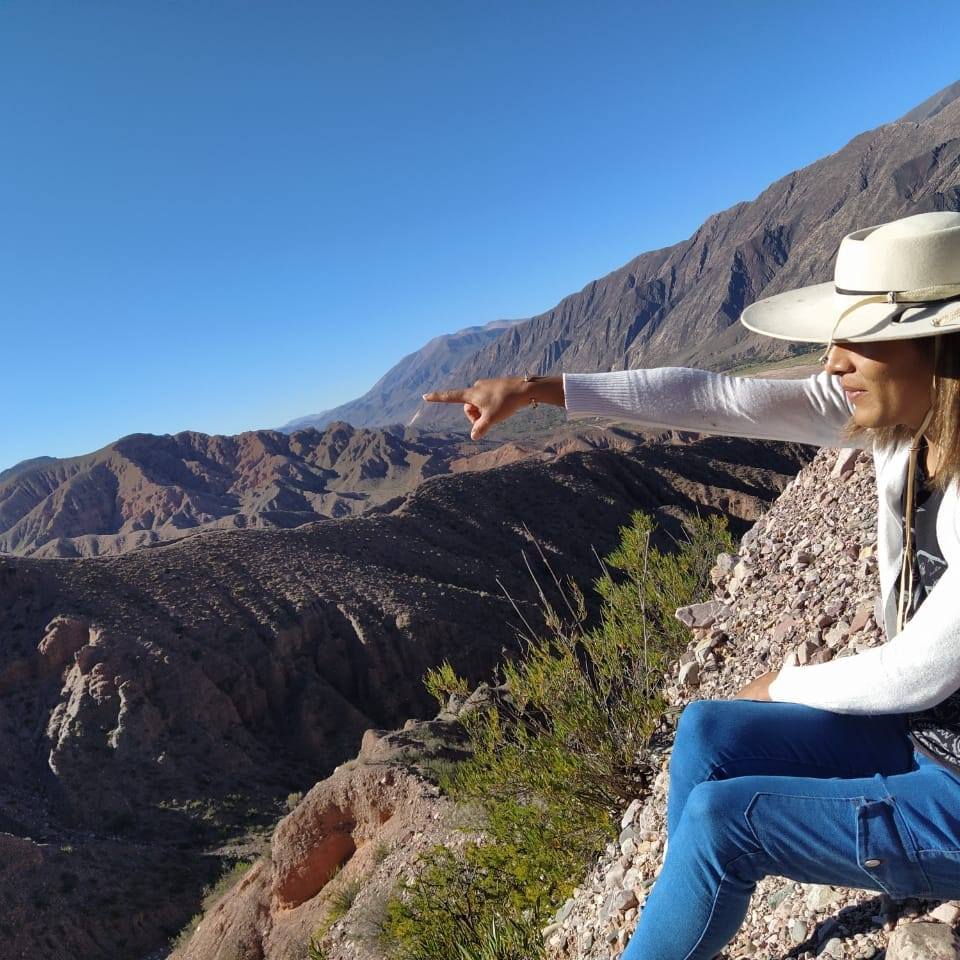
“I’m fine with the decision I made, but sometimes the way people treat me here in town has changed. I continue living my normal life: I work, I go back home, my normal life. I don’t bother anyone and I don’t do anything wrong to others.” She remains a believer, but she doesn’t go to church, “out of respect for the Virgin Mary, because I was raised with very strong traditions, and even though I’m not in the Church, I still maintain my Catholic faith.”
«Extreme transphobia«
In its statement, the Jujuy branch of INADI (National Institute Against Discrimination, Xenophobia and Racism) described the attack as “another case of extreme transphobia” in the province. In addition to strongly condemning “such actions that violate the most basic human rights of every person,” the agency emphasized that this incident serves as a reminder for INADI to continue actively supporting complaints and ensuring that they are investigated and that the perpetrators are prosecuted “to the full extent of the law.”
“Our institution has been providing support from the very beginning and will continue to do so, to ensure that this case is not forgotten and that those responsible are identified and punished,” INADI added. It also noted that the fact that “these situations continue to occur demonstrates how far we are from a civic coexistence based on respect for differences and acceptance of each person’s decisions.”
INADI offers advice and support to people who experience discrimination via WhatsApp. You can contact them at 1164921079 and 1161853968, every day from 9 a.m. to 3 p.m. Deaf people can send videos in Argentine Sign Language (LSA). You can also contact the delegation via email at jujuy@inadi.gob.ar .
We are present
We are committed to journalism that delves into the territories and conducts thorough investigations, combined with new technologies and narrative formats. We want the protagonists, their stories, and their struggles to be present.
SUPPORT US

FOLLOW US
Related notes
We are present
This and other stories are not usually on the media agenda. Together we can bring them to light.