

Why is the International Day Against LGBTphobia celebrated in sport?
The world of sports has always been plagued by homophobia, especially in men's sports. We'll tell you why, since 2010, February 19th has been celebrated as the International Day Against Homophobia, Transphobia, and Biphobia in Sport.


Share

Since 2010, February 19th has been celebrated as the International Day Against Homophobia, Transphobia, and Biphobia in Sport. This date was chosen to commemorate Justin Fashanu, an English and Black footballer, the first to come out as gay in 1990. This led to him being subjected to harassment, ending his career prematurely, and ultimately taking his own life eight years later.
We can use their case as an example to understand that the world of sports has always been plagued by homophobia, especially in men's sports. These spaces are rife with sexism and reinforce toxic masculinity stereotypes. Because of this, it's difficult for athletes to feel safe speaking openly about their sexuality or gender identity, as those who do are exposed to ridicule, threats, or rejection from fans or even their own teammates.
For this reason, there aren't many openly gay men in popular professional sports like soccer. They break free from the hegemonic masculinity stereotype that sports have long tried to impose on men.
More freedom for lesbians and bisexuals
Unlike their male counterparts, women's sports offer more role models when it comes to diverse sexualities. Female athletes and coaches tend to be more open about their sexuality and about being in public with their partners.
One of the first major sports figures to publicly discuss her sexual orientation was Billie Jean King, who was forced to come out in 1981 due to a lawsuit from a former partner. Since then, she has been a prominent advocate for women and the LGBT community both within and beyond the sports world. She helps raise funds for AIDS research, combats homophobia in schools, and supports organizations working to reduce suicide rates among gay and lesbian teenagers.
It is in football where we can see a great representation of lesbian and bisexual athletes. At the 2019 Women's World Cup in France, there were more than 30 openly gay footballers, and some of their partners were even in the stadiums cheering them on. Since this World Cup was the largest and most widely broadcast in the women's category, it helped to replicate these images around the world, contributing to the normalization of the presence of LGBT people in the sport.
Although it's not all easy for female athletes. Billie Jean King lost her sponsorships after coming out. In Mexico, when soccer players Stephany Mayor and Bianca Sierra made their relationship public, they received several homophobic attacks on social media. And these are just some of the aggressions that female athletes have suffered.
Body and binarism
The same acceptance and openness that gay or lesbian athletes often experience is not the same for transgender people. Even today, false or out-of-context news stories are being spread by transphobic groups seeking to eliminate transgender participation in sports. This reinforces prejudices that hinder the integration of people who fall outside the cisnormative framework and wish to practice a sport professionally. That is why it is necessary to address transphobia in these spaces, as transgender people have participated in sports for many years, some without any problems, until their stories were exposed by outsiders without their consent.
The first widely publicized case was that of tennis player Renée Richards, who was outed as gay in 1976 by a journalist. Following this, she was banned from several competitions and sued the United States Tennis Association. On August 16, 1977, a New York court ruled in her favor, allowing her to participate in the 1977 US Open in the women's category.
Like her, there are several athletes who have had to overcome obstacles to competing as the gender they identify with, such as having to maintain certain testosterone levels, legally changing their name, and facing rejection from many people. Examples include Fallon Fox, who competed in mixed martial arts, and Argentine soccer player Mara Gómez, who last year became the first transgender woman to play in Argentina's Women's First Division.
On the other hand, trans men don't face as many administrative hurdles. They can compete in tournaments without having to undergo hormone replacement therapy or surgery. But they still have to endure rejection and the lack of visibility given to trans men. And that's not even mentioning non-binary people, who are practically nonexistent in high-performance sports.
Awareness campaigns
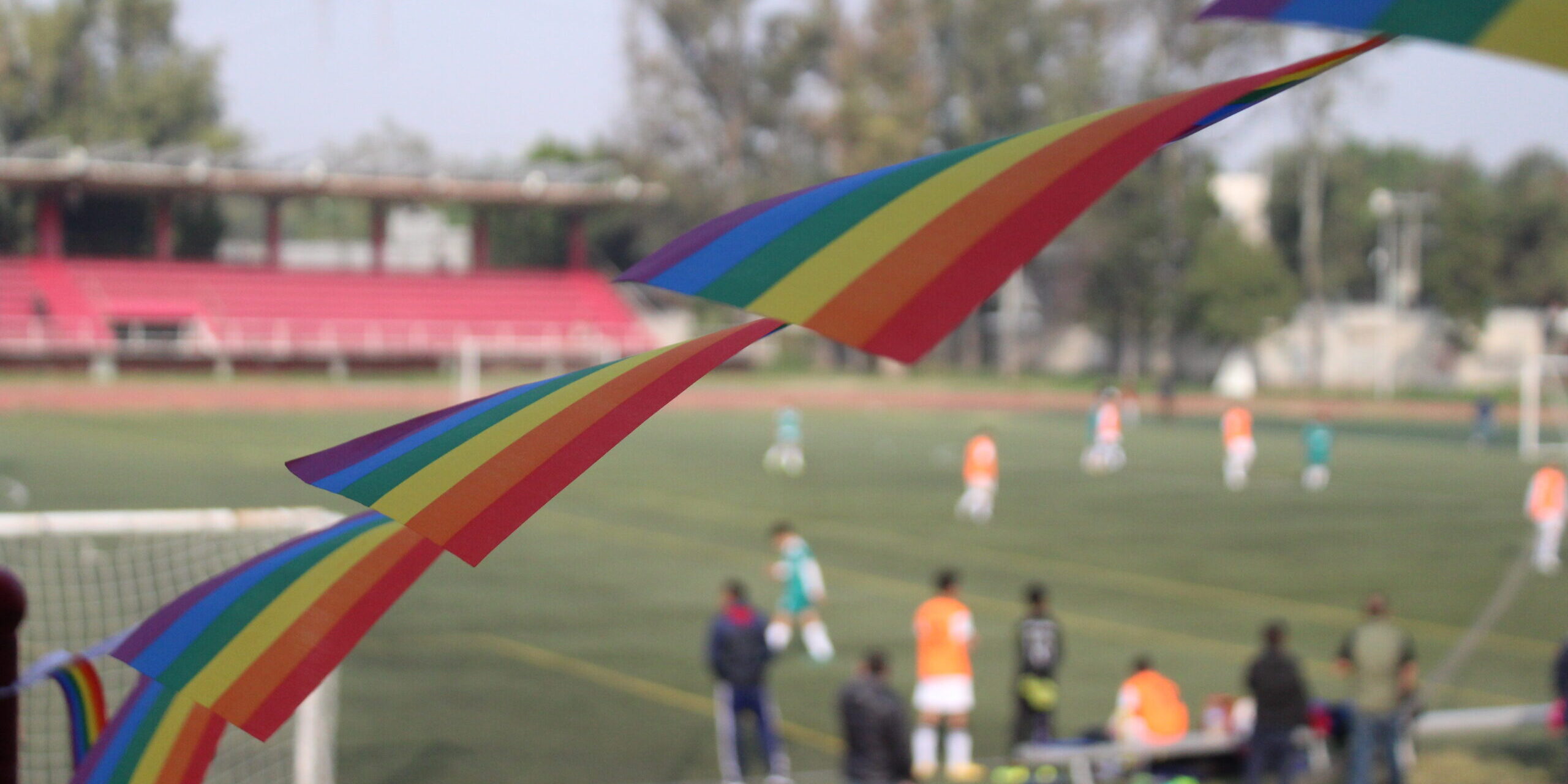
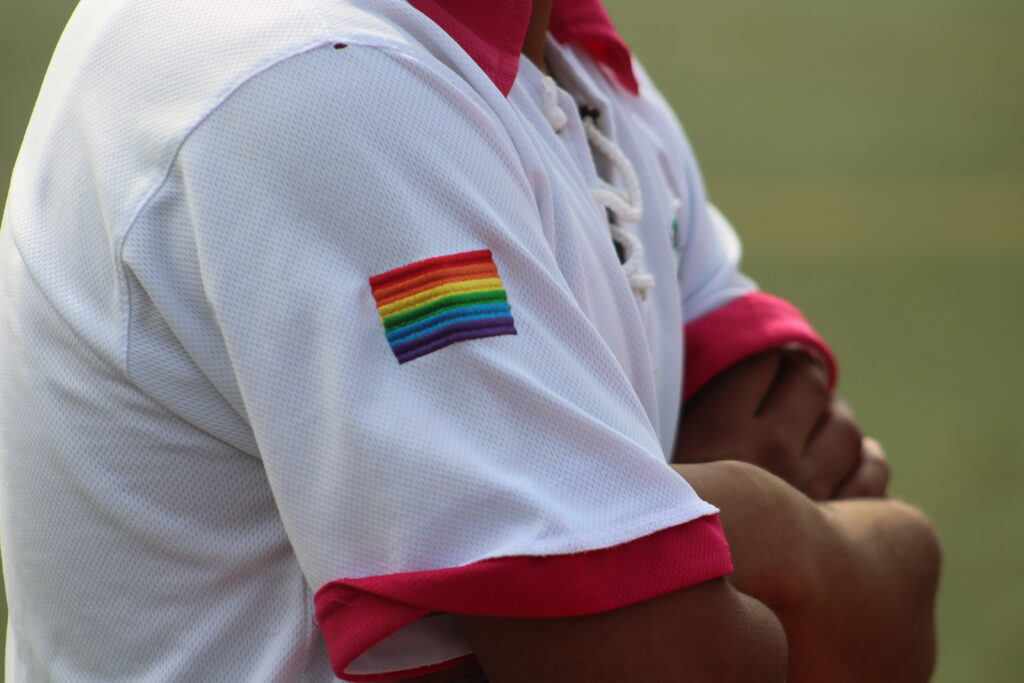
There are certain countries where professional leagues have launched campaigns to raise awareness among their fans about these issues. The best-known is Rainbow Laces in the Premier League in England, where teams wear rainbow-colored captain's armbands and boot laces. In January of this year, the Bundesliga in Germany used rainbow colors on captain's armbands and some of its uniforms to commemorate LGBT people who were persecuted during the Nazi regime.
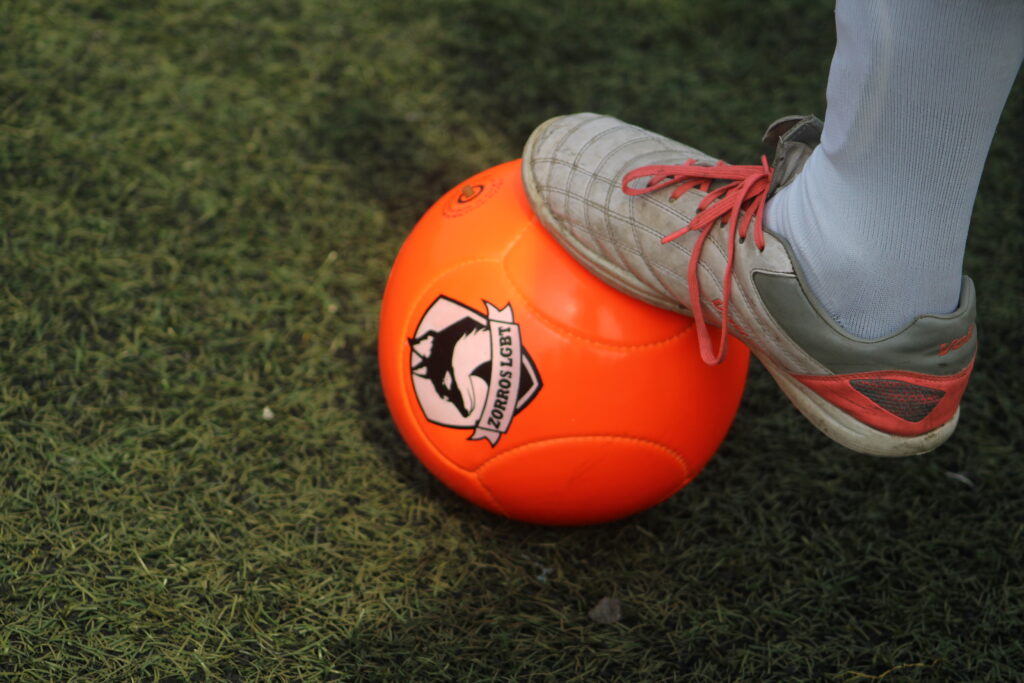
In Mexico, the Azcapotzalco borough in Mexico City has hosted the LGBT Cup twice. In 2019, more than 850 athletes from across the country participated in this event, competing in various disciplines such as soccer, track and field, and swimming. Initiatives like this spark conversations about LGBT issues and contribute to greater inclusion of LGBT people in sports. This aligns with the Olympic Charter and the Fundamental Principles of Olympism, which state that "The practice of sport is a human right. Everyone must have the opportunity to practice sport without discrimination of any kind."
We are present
We are committed to journalism that delves into the territories and conducts thorough investigations, combined with new technologies and narrative formats. We want the protagonists, their stories, and their struggles to be present.
SUPPORT US

FOLLOW US
Related notes


We are present
This and other stories are not usually on the media agenda. Together we can bring them to light.