

Mapuche community protests the murder of a young trans activist in southern Chile
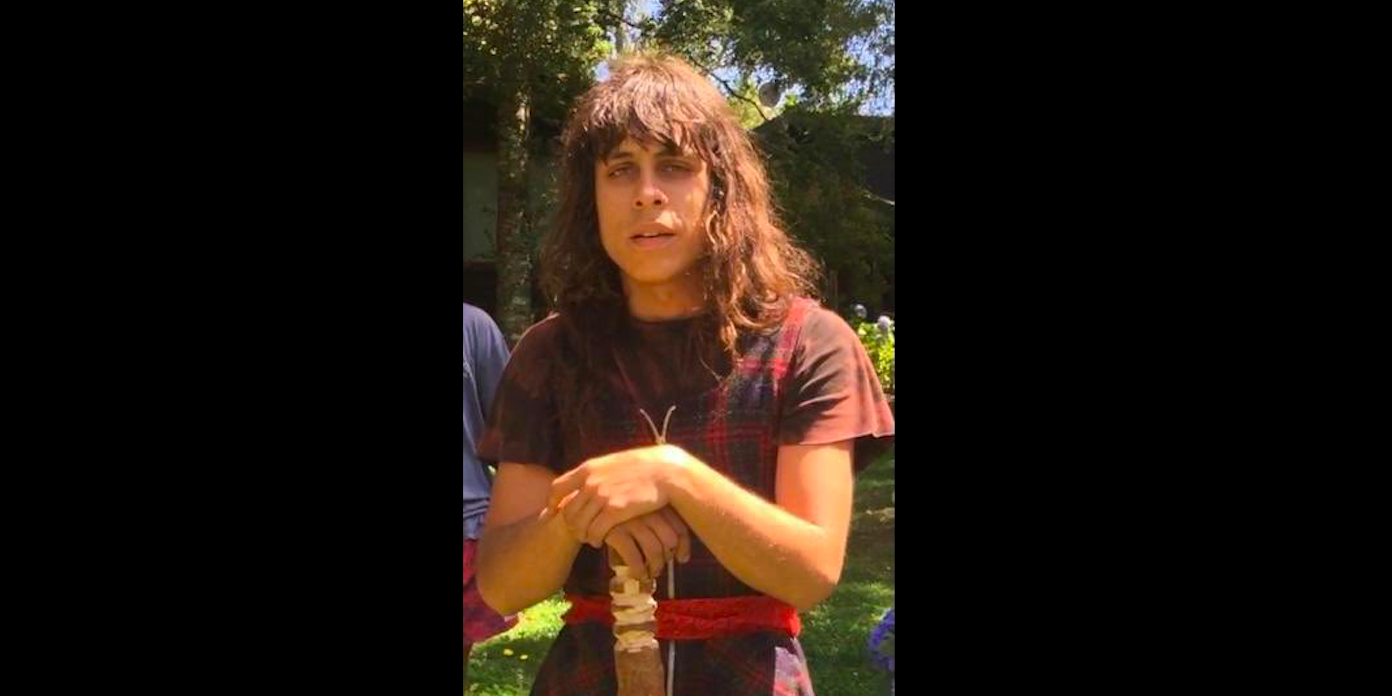
Emilia, a 25-year-old trans activist and artist, was murdered on Wednesday in Panguipulli, southern Chile. Days earlier, a street artist was shot and killed in the same area during a police operation.

Share

Emilia, a 25-year-old trans activist and artist, was murdered on Wednesday in Panguipulli, southern Chile. She was shot in the head under circumstances that are being investigated. Days earlier, a street artist was shot and killed in the same area during a police operation.
By Airam Fernández, from Santiago, Chile
Emilia Milén Herrera Obrecht was murdered with a gunshot to the head early Wednesday morning near the Riñi Mapu condominium in Panguipulli, a city in southern Chile. She was 25 years old, known to those close to her as "Baucis," and had recently begun her transition within a Mapuche community.
Emilia was shot under circumstances that are still being investigated by the Homicide Brigade and the Regional Criminalistics Laboratory of Los Ríos. Her death comes less than two weeks after a video of the murder of Francisco Martínez, a street artist who resisted an identity check and was instead shot four times by a police officer, went viral. This incident sparked a wave of protests in several Chilean cities.
It is the same town where, four years ago, environmental activist Macarena Valdés was found dead in her home, in the Newen de Tranguil Mapuche community. Although the official autopsy ruled it a suicide, her family continues to denounce it as a murder stemming from her activism against the construction of a hydroelectric project by an Austrian company.
Inequality and lack of dialogue
A local resident, speaking to Presentes by phone and requesting anonymity for fear of reprisals, explained: what is happening in Panguipulli and the surrounding areas reflects a division that has been brewing for years, marked by stark inequality. Having lived in this southern city, the resident emphasized the “lack of dialogue with the Indigenous communities, who have a long history of fighting for territorial autonomy, and are simply ignored and repressed.” The resident added that conflicts with the municipality and authorities “have also been escalating for some time, partly due to these same reasons.”
The bullet that kills Emilia is fired in that setting. And amidst a conflict that resurfaces every year: the need to "go on vacation" and reach beaches adjacent to private condominiums in Panguipulli, which block free access.
What does the Mapuche community say?
In a statement, the Mapuche community Lof Llazcawe, which considered Emilia a lamngen (sister in Mapudungun), explained that she “ fell from a bullet fired into her forehead by the very security guards hired by the condominium, who at that moment were evicting some campers who were there .” In that statement, shared on social media, they assert that the Carabineros (Chilean police) had authorized them to camp at the site that afternoon.
According to the police report filed by the Carabineros' OS-1 unit and published by the newspaper La Tercera, the group consisted of approximately 20 people. Eric Aguayo, spokesperson for the Los Ríos Regional Prosecutor's Office, told local press that the chief prosecutor of Panguipulli, Marcelo Leal, is leading the investigation into the incident. He explained that after the shooting, several buildings in the area caught fire, and that seven people have been arrested in connection with the incident.
Presentes attempted to contact the Los Ríos Prosecutor's Office to try to clarify what happened, learn all the versions being considered, and inquire about the origin of the bullets, but there were no responses by the time of publication.
Justice for Emilia
“ Multiform, plant-child-animal, transmuting, transvestite .” This is how Emilia described herself on her Instagram profile. She was a visual artist, born and raised in Santiago, but had moved to southern Chile at least five years ago, according to those close to her. She had recently decided to settle in the city of Valdivia, located 100 kilometers from Riñimapu, where she frequently traveled.
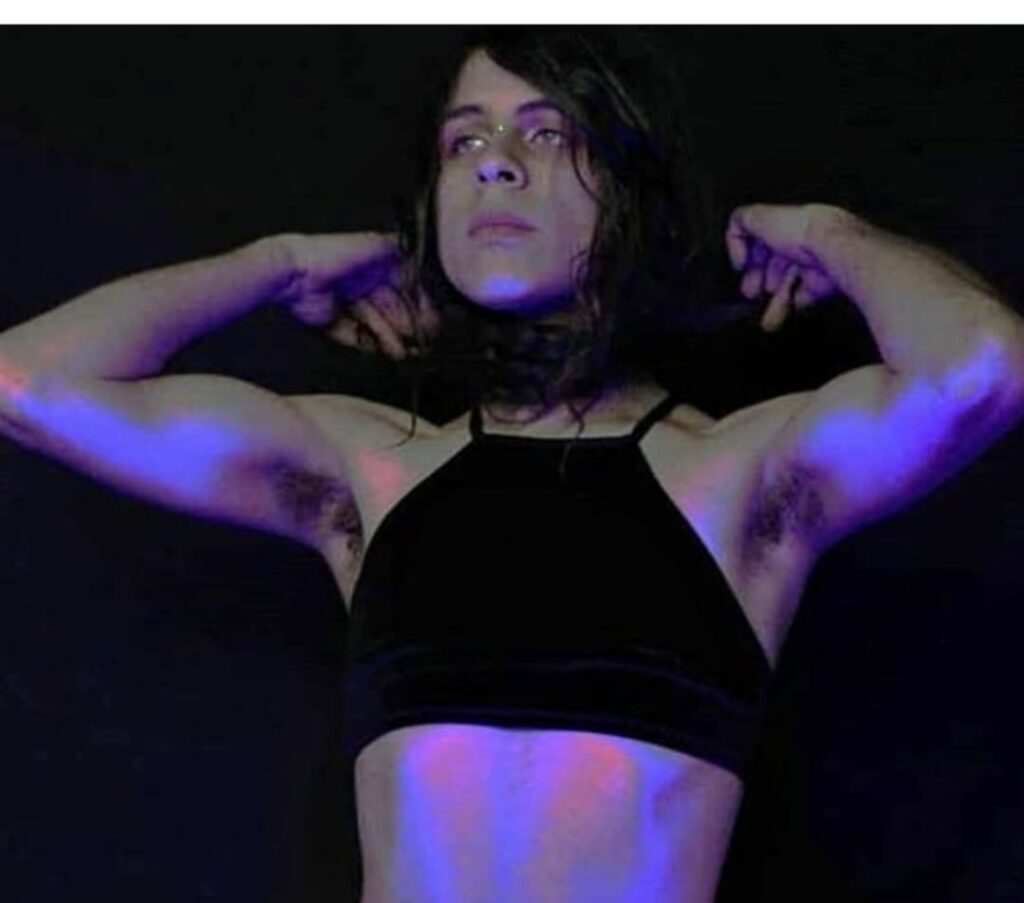
A childhood friend, with whom she shared school and teenage years, says that although they hadn't seen each other for three years, she knew she was happy in the south. She complemented her role as an artist with working the land, caring for and rescuing stray animals, a cheese-making project, and teaching Mapudungun.
“Unfortunately, I missed the last stage of her life, which is when she achieved her social and personal recognition. But I know she was doing what she wanted, healing herself and deeply connected to the land and the Mapuche people,” she says. That’s why she can’t understand how something like this could have happened: “This was an unjustified act, and it didn’t occur in the context of a protest or a land occupation. Emilia wasn’t a terrorist, as some people are saying. She was on a different wavelength, in the wrong place, and was shot unjustly,” she says, based on accounts from various groups at the school they attended together.
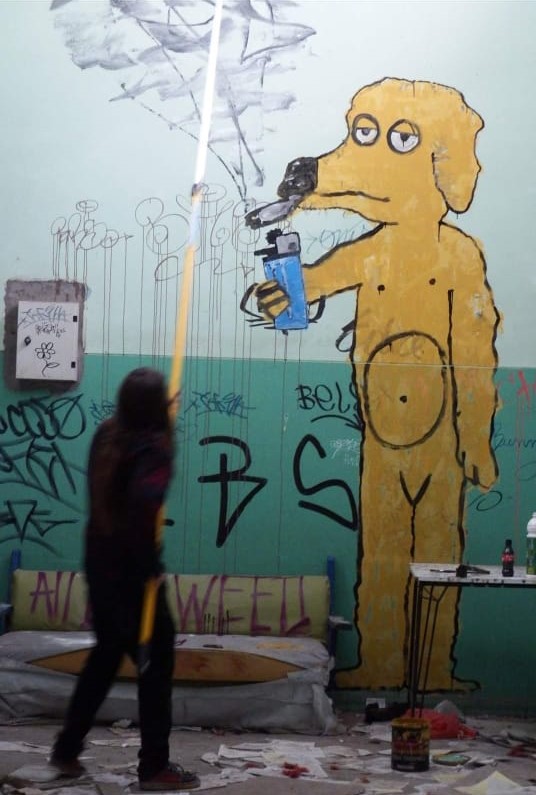
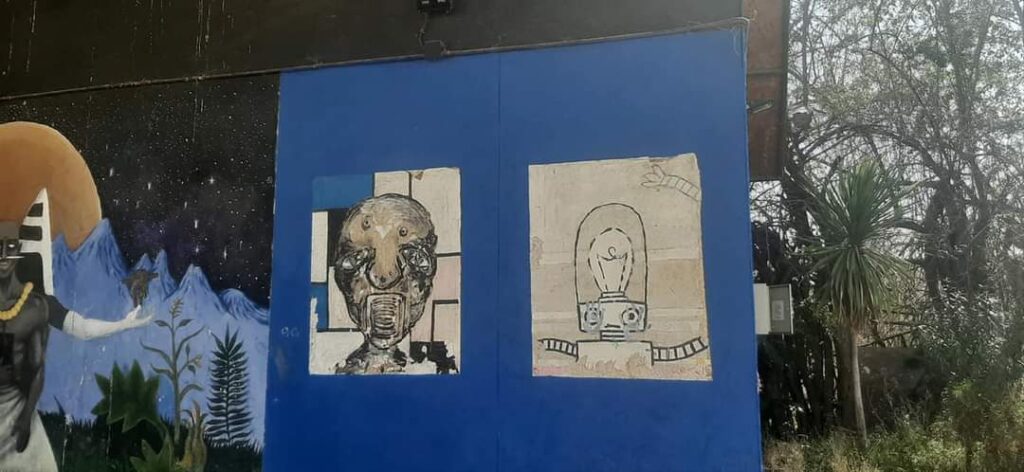
In such a difficult time, she only wishes for justice to be served and seeks to ease the pain by remembering happy moments. Looking back at his drawings, his prints, his art: “He was the best person in the world. He never stopped smiling and always had the right words when someone needed them.”
Emilia was buried on the afternoon of February 17th. The Lof Llazcawe community bid her farewell with a traditional Mapuche funeral ceremony.
Since Wednesday, several demonstrations and vigils have been held in different cities across Chile. This Friday afternoon, February 19th, a day of action will take place at Cerro Huelén in Santiago, organized by Emilia's friends and supported by several LGBTQ+ organizations. They will not only demand justice for Emilia, but also raise their voices from the capital to call for an end to the violence, police brutality, and repression of the Mapuche people in the south of the country.
Share
We are present
We are committed to journalism that delves into the territories and conducts thorough investigations, combined with new technologies and narrative formats. We want the protagonists, their stories, and their struggles to be present.
SUPPORT US

FOLLOW US
Related notes


We are present
This and other stories are not usually on the media agenda. Together we can bring them to light.