

Covid-19 exacerbated risks and violence against human rights defenders
The report “LGBTIQ+ Rights and Sex Workers: Defenders at Risk During COVID-19” by Front Line Defenders documents the risks and also the resistance.


Share

Illustrations: Patricio Oliver
A report by Front Line Defenders , an organization that provides protection to people at risk, reveals the violence that LGBTI+ human rights defenders and sex workers endured during the pandemic. “LGBTIQ+ Rights and Sex Workers: Defenders at Risk During COVID-19 ” also documents the networks and support they established amidst the global COVID-19 crisis.
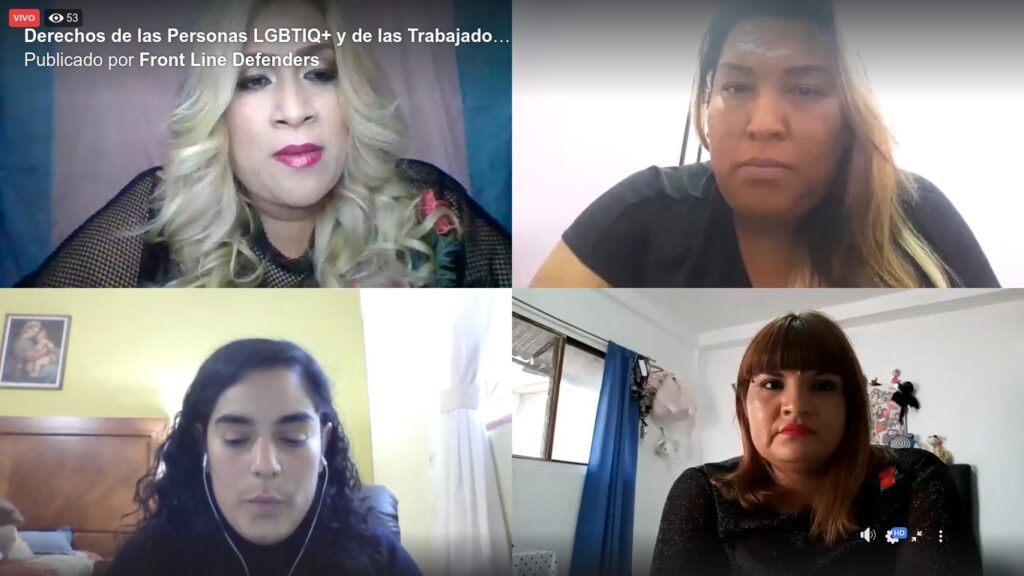
During the presentation of the Spanish of Front Line Defenders , held today in a meeting broadcast on social media , Bárbara Delgado, president of the Panamanian Trans Association; Leida Portal, coordinator of the Miluska Vida y Dignidad Association of Sex Workers in Peru; Ana Karen López Quintana, president of Tamaulipas Diversidad Vihda Trans in Mexico; and Georgina Orellano, general secretary of the Argentine Association of Sex Workers (AMMAR), all agreed that the violence they were already experiencing intensified during the pandemic . The urgent needs became even more apparent, especially for sex workers, LGBTI+ people, and those who defend the human rights of these communities. At the meeting, moderated by Alma Magaña of Fondo Semillas, they emphasized the importance of collective action in confronting this crisis.
“ We face discrimination, stigma, and violence, and if we have COVID, the discrimination is even stronger. The LGBT+ population is the most vulnerable, marginalized, and discriminated against ,” said Ana Karen López Quintana (Tamaulipas, Mexico) at the presentation.
“We are exposed to constant violence for reporting the police and supporting our colleagues ,” added Georgina Orellano, from Buenos Aires, where AMMAR is based.
“In Peru, women are suffering violence and going hungry during the pandemic. Antiretroviral treatments are scarce, and medications are being denied ,” warned Leida Portal, representative of the organization Miluska Vida y Dignidad and founder of the PLAPLERTS Network.
Ana Karen added that “the government focused on COVID-19 and then forgot about people with diabetes and cancer. We go to their homes, we provide in-home support. Elderly trans people face even more discrimination .”
The voices of these activists and human rights defenders are part of the Front Line Defenders investigation, which was carried out through remote interviews with more than 50 defenders in Argentina, Mexico, Peru, Ecuador, Tanzania, Uganda, Hungary, El Salvador, Malawi, Zimbabwe, Swaziland, Sri Lanka and Indonesia, between April and August 2020.
Main conclusions
Among its findings, the report highlights the increase in economic and housing instability , physical attacks, harassment, defamation, and sexual assault perpetrated by security forces against human rights defenders . It also addresses the risks they faced of infection and death from Covid-19 . Furthermore, it documents the work carried out by LGBTI+ defenders and sex workers to support and sustain their communities. Another key contribution is that it makes visible the connections between public health, economic justice, and sexuality as “inextricably linked to the safety of human rights defenders.”
Some of the report's conclusions state:
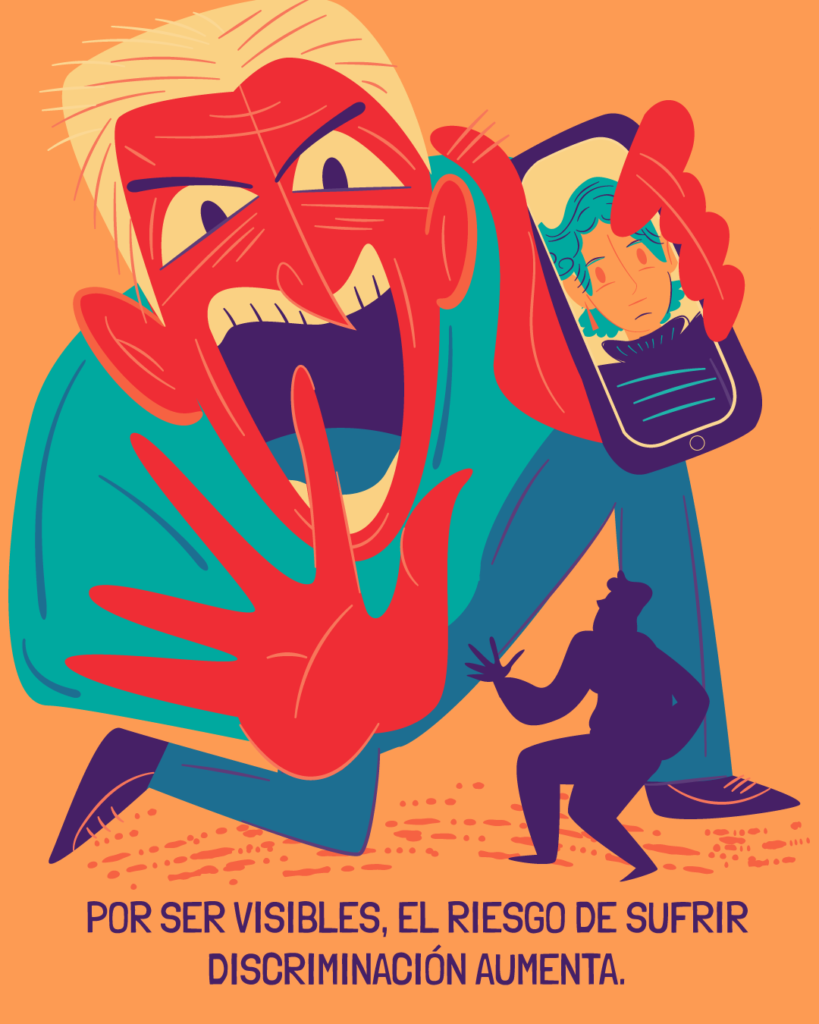
- Because they were visible (as LGBTI+ people or sex workers), the risk of discrimination increased during the pandemic.
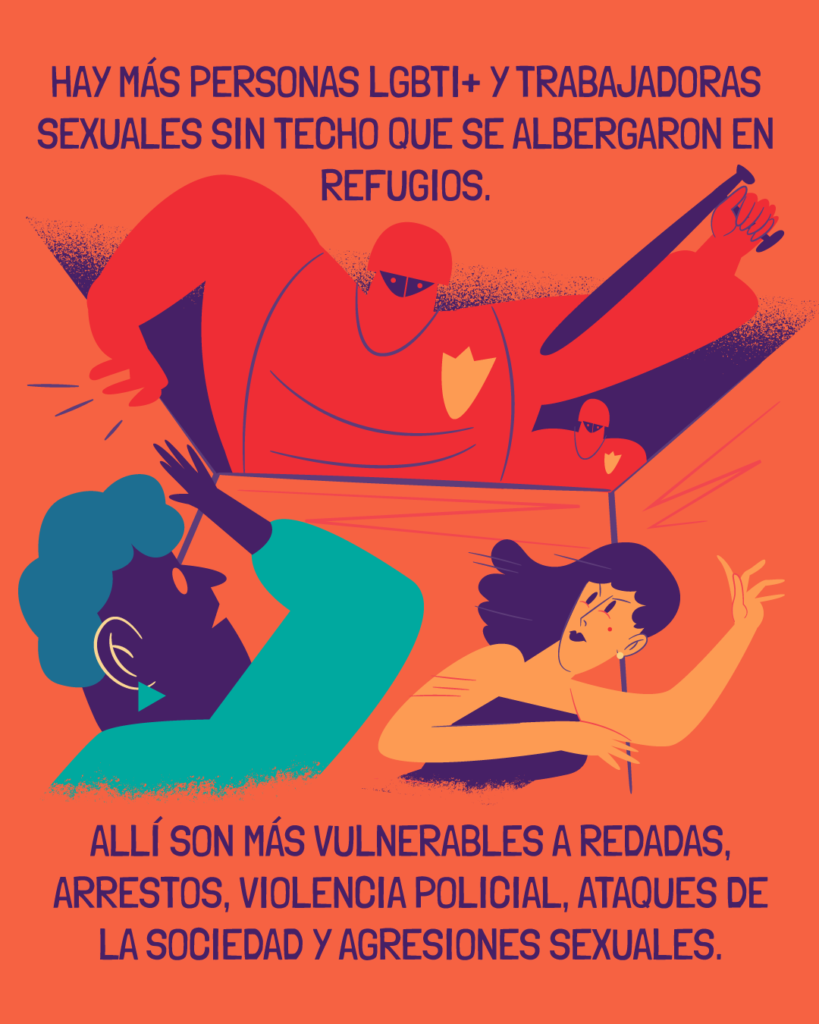
- The Covid-19 crisis increased the number of homeless LGBTI+ people and sex workers. It created a demand for shelters where they were also subjected to raids, arrests, police violence, attacks from society, and sexual assault.
- Resources to provide food and shelter to their communities decreased.
- The closure of community-run health clinics worsened access to health care, medication, and disease monitoring and prevention.
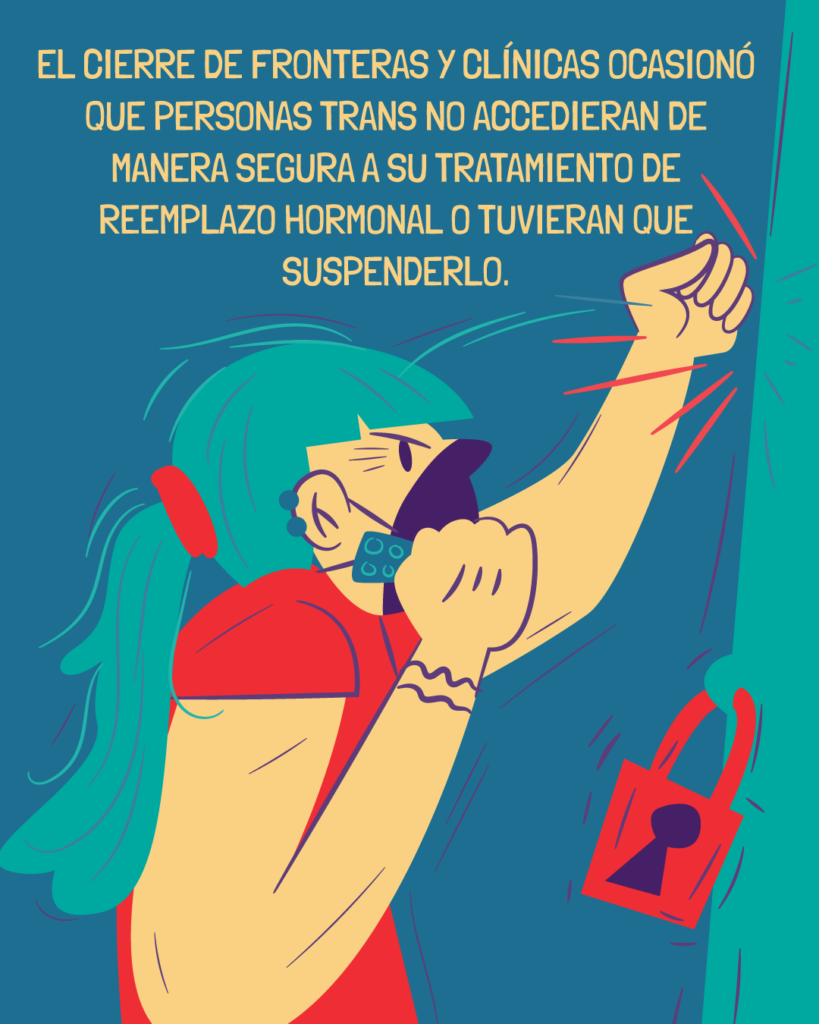
- The closure of borders and clinics meant that trans people could not safely access their hormone replacement therapy or had to suspend it.
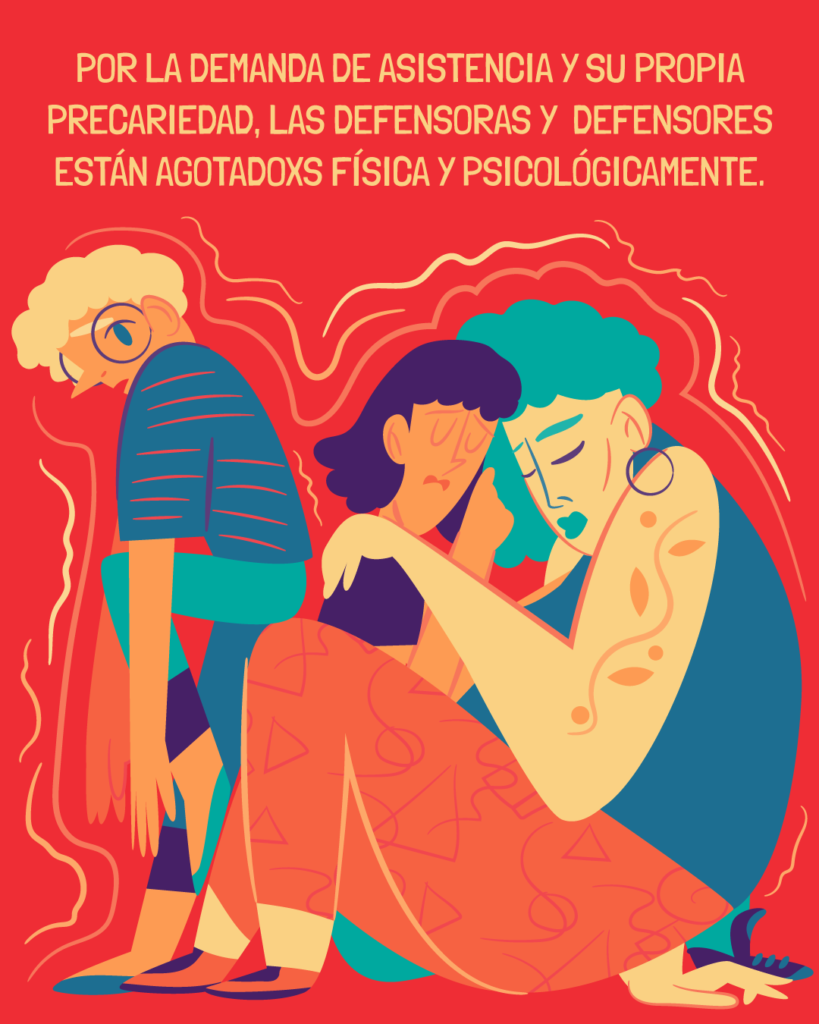
- Defenders experienced physical and psychological exhaustion, feelings of inadequacy, guilt, and failure.
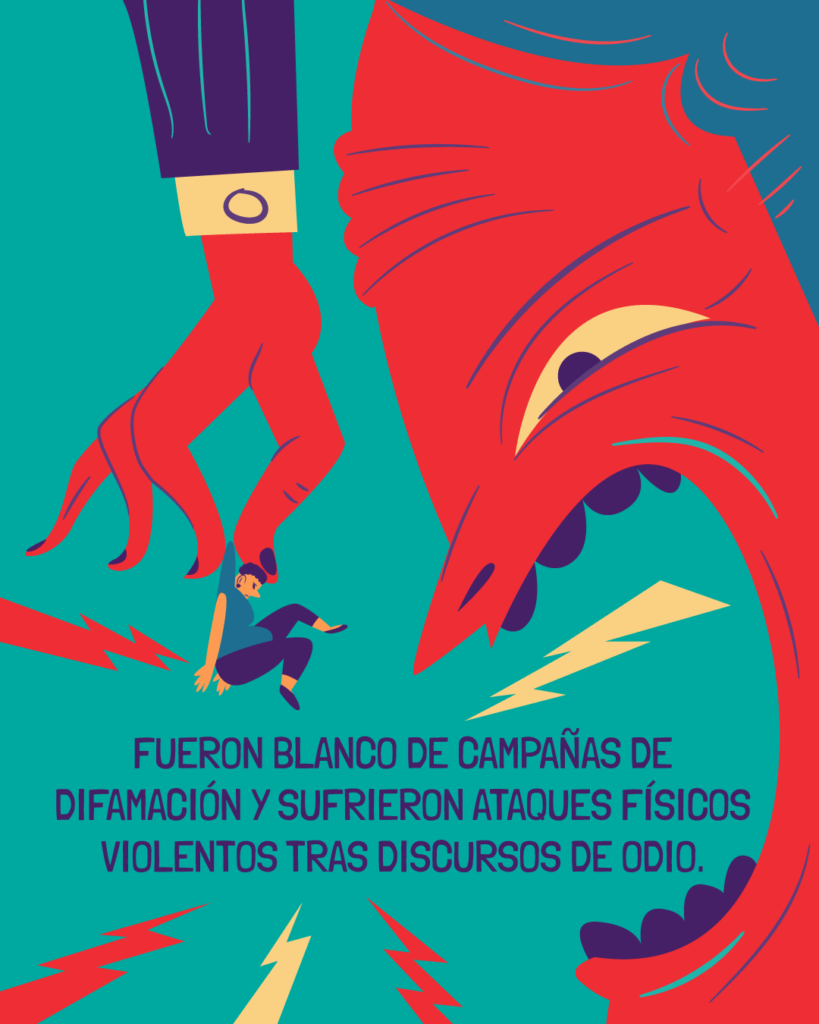
- They were targeted by smear campaigns and suffered violent physical attacks following hate speech that blamed human rights defenders, LGBT people and sex workers for the spread of COVID-19.
- Human rights defenders responded to emergency calls from their communities, had to work in the streets and face harassment, discrimination and criminalization for their work.
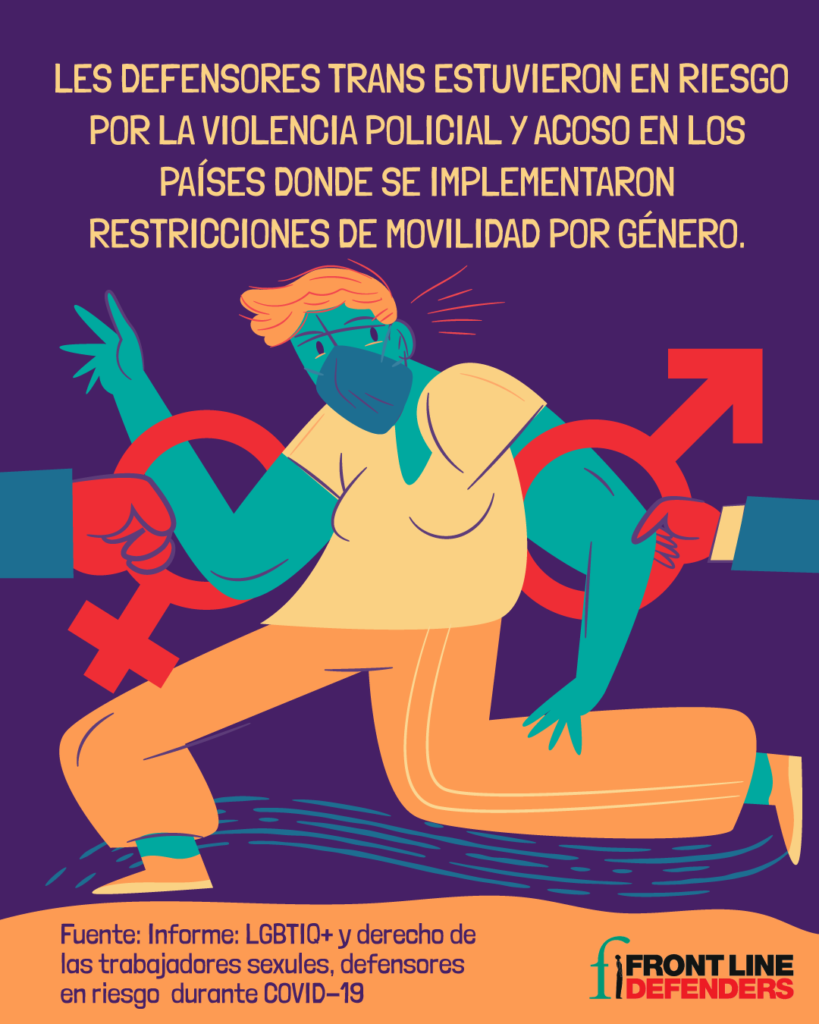
- Trans human rights defenders were at risk from police violence and harassment in countries where gender-based mobility restrictions were implemented. These measures were implemented in Peru, Colombia, and Panama.
Share
We are present
We are committed to journalism that delves into the territories and conducts thorough investigations, combined with new technologies and narrative formats. We want the protagonists, their stories, and their struggles to be present.
SUPPORT US

FOLLOW US
Related notes
We are present
This and other stories are not usually on the media agenda. Together we can bring them to light.