

Gay couple discriminated against in a Salvadoran cafe: the complaint went viral
A gay male couple was accused of committing alleged indecent acts in front of the other customers.

Share

By Paula Rosales, from El Salvador
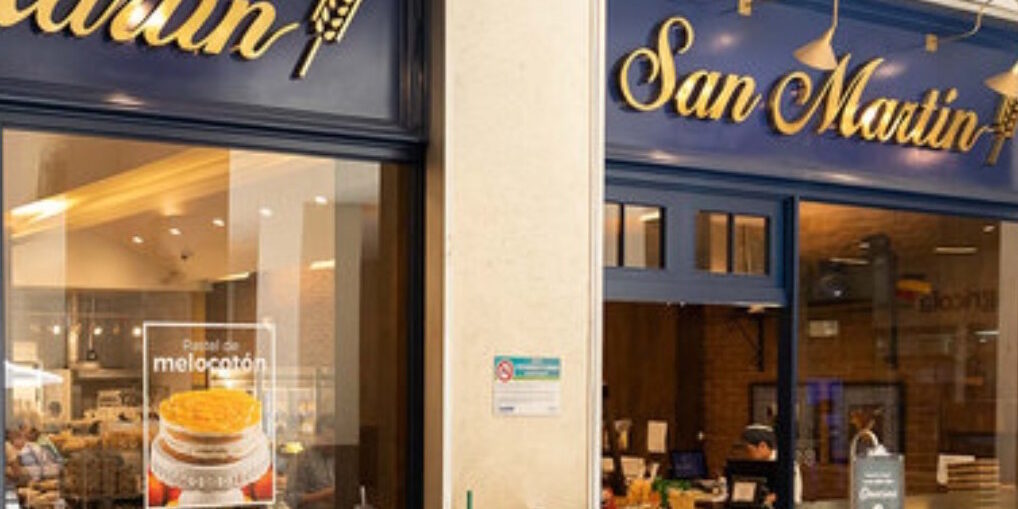
While having breakfast on the morning of Tuesday, February 2nd at the San Martín coffee shop chain in El Salvador, a gay couple was accused of committing alleged indecent acts in front of the other customers, so the manager asked them to separate.
Outraged, the gay men left the restaurant, located in one of the busiest shopping centers in Antiguo Cuscatlán, about eight kilometers west of the capital. Minutes later, the couple denounced on their Instagram account that they had been victims of an act of intolerance at a restaurant in El Salvador. Human rights organizations also denounced that the owners of this chain have financed anti-rights movements.
“He just had his arm around my shoulder and we were talking like civilized people . When we asked him to explain what he meant by “behaving decorously” he told me: 'you know what I mean',” the couple reported on their social media profile, without revealing their identity.
Social condemnation
Their complaint was picked up by Twitter users who called for spreading awareness of the discrimination against the couple. Many users supported them and urged others to join in the condemnation. These messages contrasted sharply with attacks from other accounts that justified and criticized those who defended the couple.
“They want to be accepted by force and don’t even respect private places that reserve the right of admission. There’s no need to make a scene in family places. They say they were just hugging, but how true is that? (sic) Who can prove it? (sic),” wrote user Dayan Archila.
Presentes contacted the San Martín offices, but they said that the person in charge of giving the company's official position was in a meeting and would communicate when it was over; at the time of writing, they had not yet responded.
“I condemn all forms of discrimination, whether in a public place or, as in this case, in a private establishment, against a same-sex couple or against any other group. These kinds of discriminatory actions exist in parts of Salvadoran society and ultimately affect people's dignity,” Roberto Zapata, general secretary of the organization Amate El Salvador, told Presentes.
Amate is an organization that works to rescue the historical memory of the LGBTI population in El Salvador.
Without state support
El Salvador, which reports high rates of discrimination and murders against the LGBT population, had until June 2019 Presidential Decree No. 56, which prohibited discrimination based on gender identity and sexual orientation in all state institutions.
However, after Nayib Bukele's inauguration, the president eliminated the sexual diversity directorate where complaints of human rights violations against the LGBTI population were handled.
“We do not expect any kind of statement from the government in these types of cases; there have been none in the past, and I see even less possibility of it happening with the current government, where it seems that its public policy is silence regarding any type of discrimination and violence against the LGBTI population. We have already seen that the Minister of Culture, when hate crimes have occurred, has come out with euphemisms,” Zapata said.
The work carried out by the former sexual diversity directorate was transferred to the gender unit of the Ministry of Culture, and inter-institutional committees were created in the ministries of labor and security, which do not function in the current administration.
“In this case, it was made visible through the complaint on social media. We, the organizations, already know that this bakery or its owners have financed anti-rights marches against the LGBTI population and against women in Guatemala,” Zapata said.
The now-defunct department created the 131 telephone line to handle complaints, provide guidance on rights, and offer psychological support when needed. However, the current government transferred the number to the Ministry of Health to serve pregnant women, children under five, and people requiring mental health care.
“It’s a message that encourages continued discrimination, that it’s okay to treat us this way, and that it’s okay that we can’t express ourselves in public spaces,” Zapata emphasized.
Share
We are present
We are committed to journalism that delves into the territories and conducts thorough investigations, combined with new technologies and narrative formats. We want the protagonists, their stories, and their struggles to be present.
SUPPORT US

FOLLOW US
Related notes

We are present
This and other stories are not usually on the media agenda. Together we can bring them to light.