

Community kitchens and neighborhood networks: this is how trans activists in Mexico are organizing in the face of the pandemic
The State has provided us with absolutely nothing, neither money, nor face masks, nor antibacterial gel, nor gloves, nor condoms.

Share

By Georgina González
Photos: Courtesy of Tamaulipas Diversa HIVV Trans
Ana Karen López Quintana is a human rights defender and president of the organization Tamaulipas Diversa Vihve Trans , dedicated to defending the rights of trans people, sex workers, and people living with HIV in Tampico, Altamira, and Madero, in the southern part of the Mexican state of Tamaulipas. Self-management has been their most effective tool for confronting the food, economic, and health crises these communities have experienced during the pandemic.
“The pandemic continues to affect people who are sex workers, as well as those who work in drag shows, waitresses, bartenders (who earn commissions on alcoholic beverages consumed in a bar), domestic workers, or those who work in restaurants, as they were laid off and are currently unemployed. All of them, mostly members of the LBT (lesbian, bisexual, and trans) population, are experiencing a very critical situation,” Ana Karen told Presentes in an interview.
In response to COVID-19, Vihve Trans sought support from all three levels of government (federal, state, and municipal). However, after ten months, the government remains absent in the face of their call for help to support trans women, sex workers, and people living with HIV in addressing the inequalities and violence they experience during the health emergency.
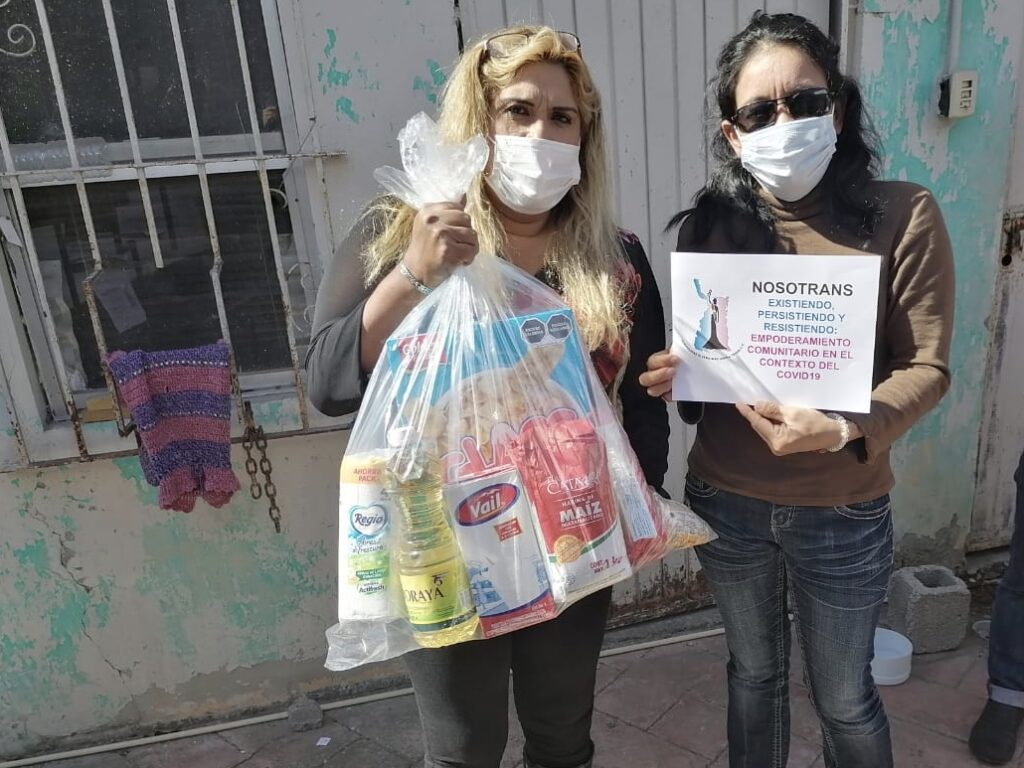
“The government hasn’t provided us with anything at all—no money, no face masks, no hand sanitizer, no gloves, no condoms. All the help has come from civil society, especially the emergency support from Fondo Semillas . Without that fund, we would have collapsed, and there would be even more people affected and infected with COVID-19. Thanks to that, we’ve been able to reach out to the community,” Ana Karen explains.
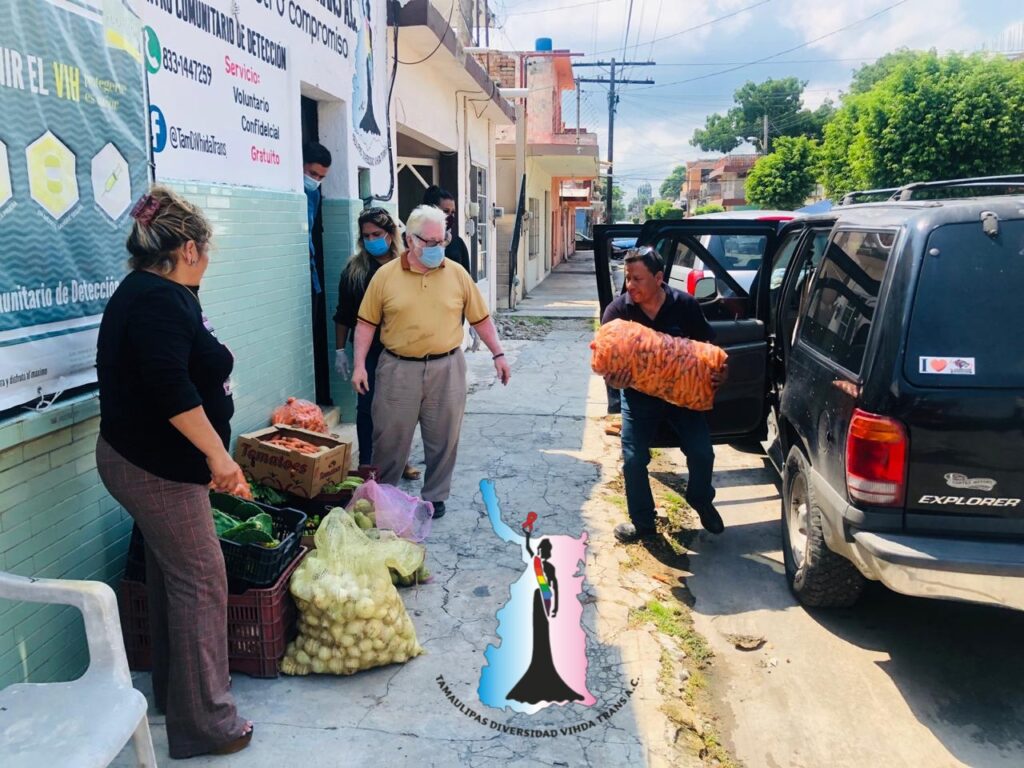
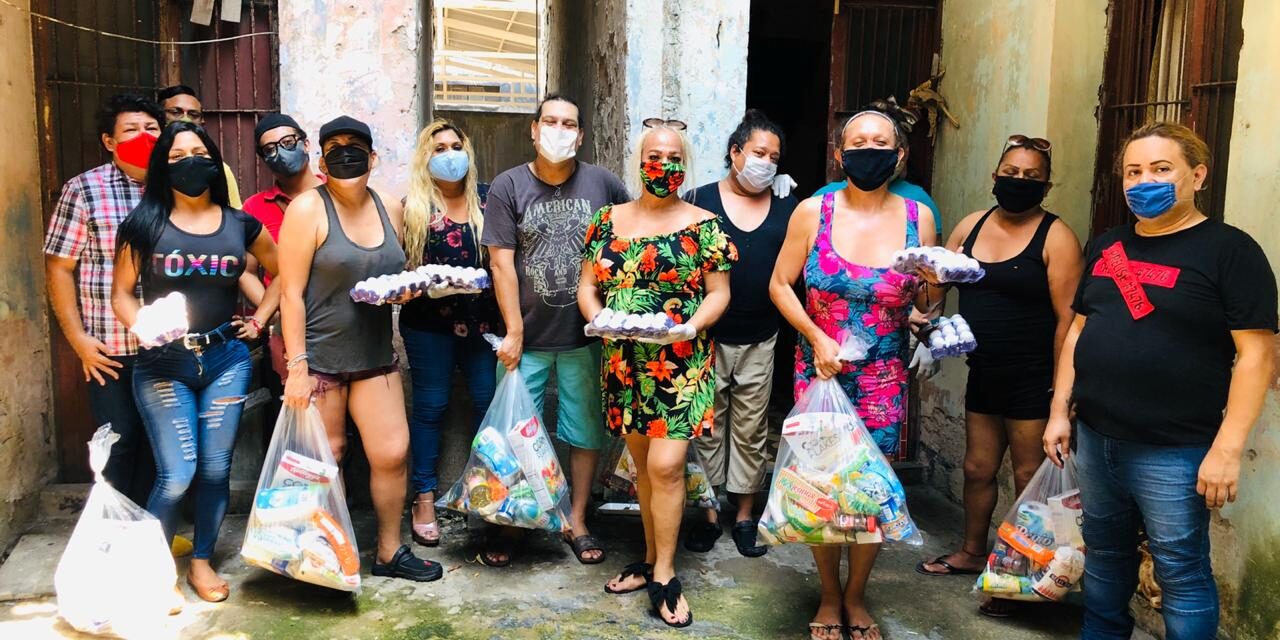
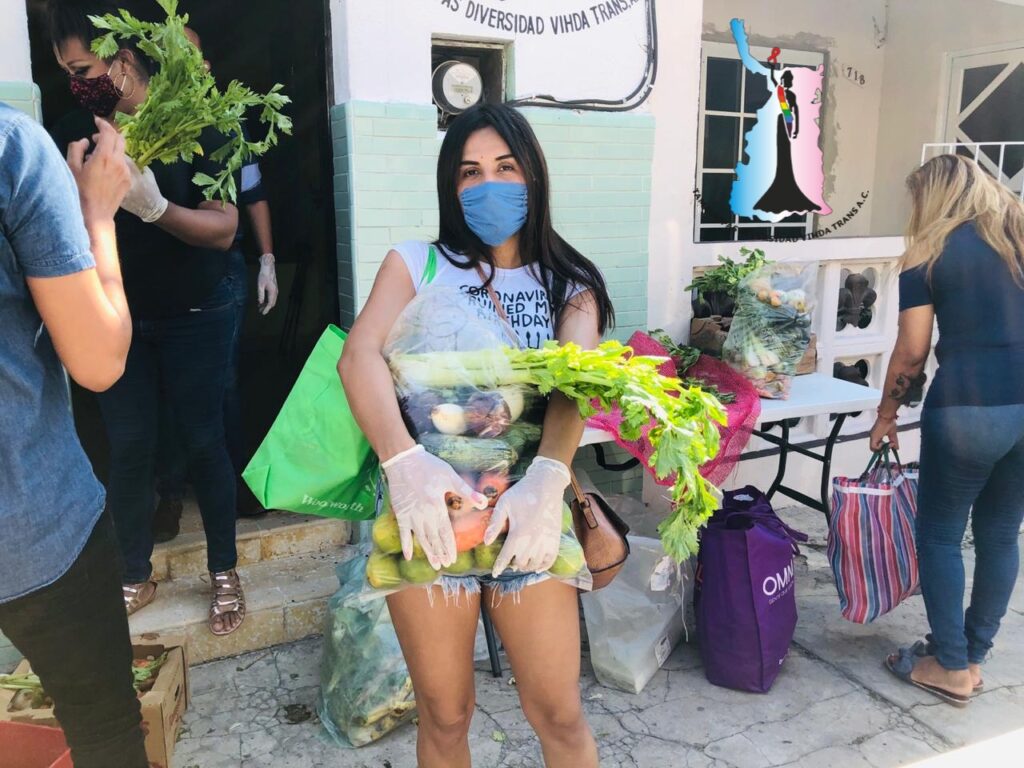
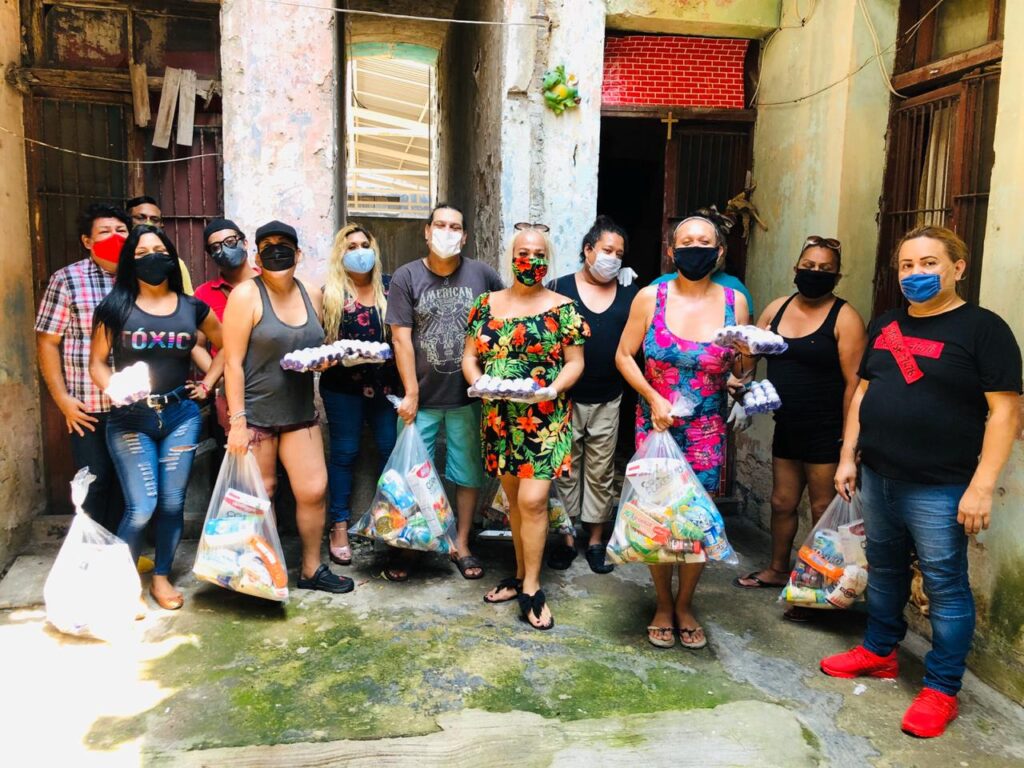
From April to mid-January 2021, members of Vihve Trans distributed 680 food baskets (containing basic necessities); 250 personal hygiene kits; 450 washable face masks; and 115,000 male and 1,500 female condoms. In addition, they conducted 600 rapid HIV tests and provided medical care to 25 older LGBT adults and 45 children living with HIV. This community outreach work is documented in research by the organization Front Line Defenders.
Unemployed, homeless
“At first, everything was chaos; some girls panicked, and we didn’t know where to turn,” Ana Karen recalls. Suddenly, hotels, beauty salons, and other workplaces closed.
To support and counteract the lack of employment, shelter and food, Vihve Trans generated actions such as raffles on Facebook, to become more visible on social networks and at the local level, to knock on doors with other organizations and public officials.
Some trans women and sex workers lost their jobs and homes, while others were forced to leave their rented apartments due to the stigma. “They didn’t want to rent to the women anymore because they thought they would bring the COVID-19 virus and more clients,” says Ana Karen.
“Some girls took refuge with friends or tried to split rent elsewhere between two people. And out of necessity, they clandestinely engage in sex work, risking their health; some were affected by COVID-19,” she adds.
One pandemic is forgotten because of another.
Ana Karen had to find the funds to cremate ten women. Seven of them were sex workers, three were not, but all were living with HIV and lacked antiretroviral treatment, which fatally affected them when they contracted COVID-19.
“During this pandemic, we haven’t had a timely supply of antiretroviral medications and routine HIV tests. The government isn’t very committed to this, and it’s urgent that medications and medical tests be provided,” says Ana Karen.
In Mexico, health authorities focused all their efforts on the COVID-19 pandemic and stopped providing detection, care, and follow-up for the HIV pandemic.
In Tamaulipas alone, health authorities detected 329 new cases of HIV in 2019. In contrast, in 2020, a total of 24 cases were detected: 23 up to March and only one case between June 29 and November 15, according to data from the National Center for the Prevention and Control of HIV and AIDS.
Ana Karen emphasizes the urgent need for the State to provide comprehensive medical care to sex workers, trans people, and people living with HIV. “There’s not only a shortage of HIV medication, but also medication for hypertension and diabetes. Furthermore, healthcare staff are not sensitized, and many trans people are afraid to go (to the health center) because it’s common for their name and identity to be disrespected,” she adds.
To cremate her ten companions, Ana Karen sought support from local public officials, as the country is also facing a funeral crisis where cremation services have doubled in price. In the end, she obtained a discount and, with the solidarity of the trans women's network in southern Tamaulipas, was able to cover the expense.
“It hurt us a lot not being able to mourn them and hold a wake; they had to be cremated. Many weren't from here; some were from Veracruz, San Luis Potosí, Nuevo León (states bordering Tamaulipas). You know how sex work is, they migrate constantly, their families aren't here, and in the end, their ashes were given to the friends they were able to make here.”
“Tamaulipas is conservative and violent”
Defending human rights in Tamaulipas has its risks. And although Ana Karen knows she is “an oak that will not be defeated by any storm,” she is clear that the state where she grew up “is conservative and violent towards those who raise their voices.”
“We have no progress on identity law or equal marriage, however, for now we are working on a single front as a sexual diversity movement for the right to comprehensive health free from stigma and free from discrimination,” explains Ana Karen.
Furthermore, the aim is to reform the state's Civil Code, which requires the presentation of premarital clinical studies as a prerequisite for marriage and prevents this union for individuals diagnosed with HIV, unless they file an injunction.
Tamaulipas is also one of the states that has suffered the most from the violence generated by the security strategy called "war on drugs" that brought the military to the streets.
“It’s difficult to actually work in this context. The presence of police or military personnel doesn’t benefit us; on the contrary, we only experience rejection, discrimination, and unjust arrests from them,” warns Ana Karen.
According to the Survey on Discrimination based on Sexual Orientation and Gender Identity (ENDOSIG 2019), 3 out of 10 LGBT people surveyed experienced discriminatory treatment by the police, the most common being interrogations without apparent reasons.
Furthermore, a report on the human rights conditions of transgender women in Mexico, prepared by the Transgender Law Center and the LGBT Studies Clinic at Cornell Law School, concludes that “transgender women were already subject to police and military abuses, but once militarization increased under Calderón (the former president who instituted this public security strategy in 2006), transgender women suffered an increase in attacks. The military commits the same abuses as the police by subjecting transgender women to arbitrary arrests, beatings, extortion, and robbery .
The trans resistance
“Working has been difficult, believe me, sometimes I do feel desperate, anxious, and I cry. But letting it all out is good for me. I’ve felt supported by my family, by my husband, and all of this has empowered me even more,” Ana Karen confesses. She adds, “I also see my colleagues growing stronger. Some cry when they receive support, they give thanks, and they’ve made it clear to me that they don’t feel alone and that they are united, and that’s how the trans resistance was born.”
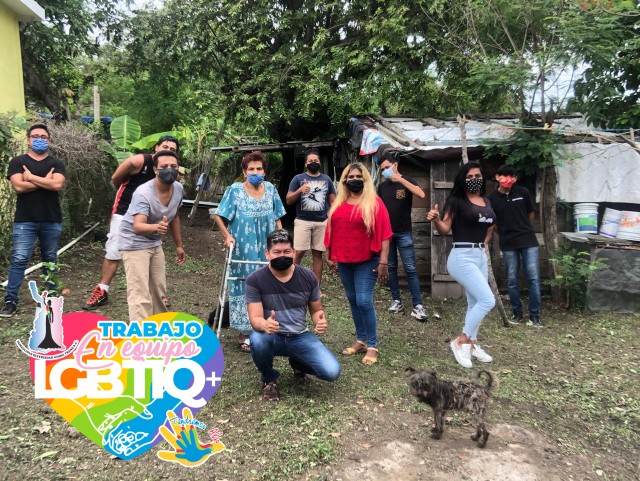
“La resistencia trans” is a network of LGBT people, mostly young, who work as volunteers to bring food support, prevention and HIV, syphilis and hepatitis testing to the municipalities of Tampico, Altamira and Madero.
But the resistance also extended to the south, in Veracruz, and together with Tendremos Alas AC they are building bridges to manage support for sex workers, trans people and people living with HIV in Pánuco and Pueblo Viejo, 45 minutes from Tampico.
Faced with the absence of the State, societal discrimination, institutional violence, and harassment from the police, military, and organized crime, the Vihve Trans organization is demanding today, louder than ever: “We trans people exist, resist, and persist! (…) and with this community empowerment, we will become even stronger to make decisions. We are here, and we want our rights to be guaranteed and respected.”
We are present
We are committed to journalism that delves into the territories and conducts thorough investigations, combined with new technologies and narrative formats. We want the protagonists, their stories, and their struggles to be present.
SUPPORT US

FOLLOW US
Related notes



We are present
This and other stories are not usually on the media agenda. Together we can bring them to light.