

Transfeminicide in Veracruz: Nelly García was mutilated and the prosecutor's office is not investigating
Nelly García, a trans woman who worked as a sex worker, was brutally murdered in the early hours of Monday, December 28, in Poza Rica, a municipality in the northern part of the Mexican state of Veracruz.


Share

By Georgina González
Nelly García, a trans woman who worked as a sex worker, was brutally murdered in the early hours of Monday, December 28, in Poza Rica, a municipality in the northern part of the Mexican state of Veracruz.
“Everyone knew her as La Bimbo, hardly by her real name. Nelly was like a child, she was such an innocent person. It’s appalling to know what they did to her,” Dayana Mendoza, who knew Nelly “from afar” years ago, told Presentes.
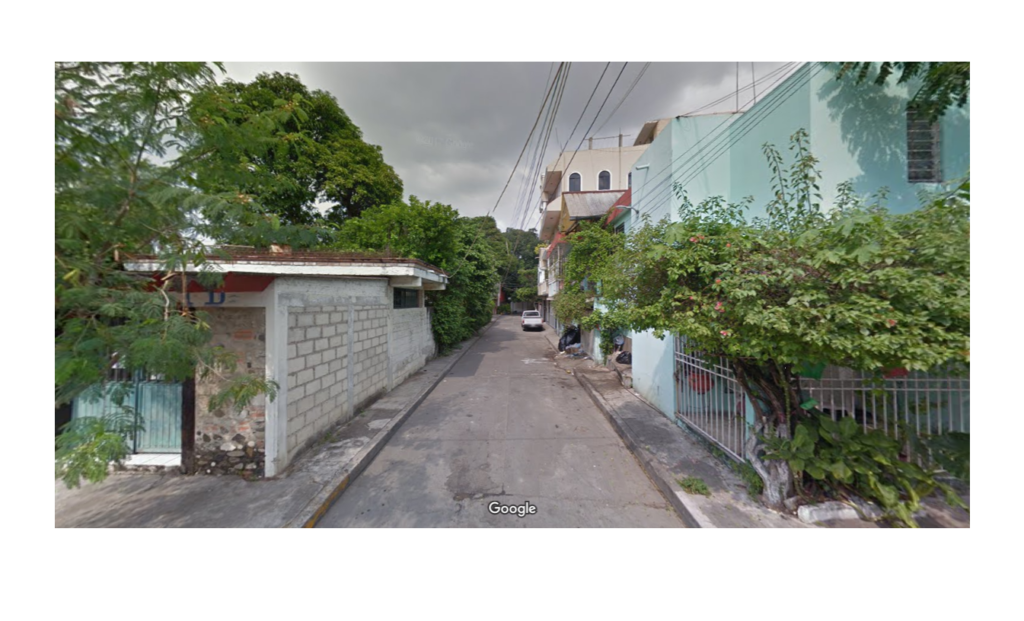
According to information provided by human rights defender Jazz Bustamante, Nelly was “tortured, mutilated, and stabbed multiple times all over her body.” She also stated that staff from a hotel known as “La Pensión de la Bamba,” located in the alley off Nicolás Bravo Street in the Ricardo Flores Magón neighborhood, informed authorities that Nelly “was found dead” in a room at the establishment.
To date, the Veracruz State Attorney General's Office has not released any information regarding this incident. Presentes repeatedly attempted to contact the Comprehensive Justice Unit in Poza Rica and the State Attorney General's Office, but was unsuccessful.
According to data collected by Soy Humano AC, from January to November 2020, at least 25 people of sexual diversity were murdered in Veracruz, a place where more than 50% of hate crimes against LGBT people in Mexico have been recorded in the last six years.
Bimbo
Local press reports detailed how and where Nelly was murdered, with no regard for her gender identity. Jazz Bustamante told Presentes that it was thanks to sex workers that her name was revealed.
However, little is known about Nelly. She was originally from Tamiahua, a coastal municipality in Veracruz, located 92 kilometers from Poza Rica, and, like many other trans women, she engaged in sex work as a consequence of structural violence and lack of access to her rights such as education and work.
“We don’t know anything about her family right now. They almost never follow up on these cases. It’s the same all over the country; families are almost always not interested in getting involved. Most likely, our colleague will end up in a mass grave, but we are still investigating whether anyone claims her body,” Bustamante commented in an interview with Presentes.
“Every transfeminicide creates an atmosphere of fear”
Activist Silvia Susana Jácome, head of the Integration and Social Development Program for LGBTTTIQ People at the DIF in Xalapa, explained in an interview that transfeminicides are the result of various factors but that, in her perception, they are aggravated by hate speech.
“In Veracruz, unfortunately, we have a far-right sector of the population, some of them linked to churches, who have somehow managed to generate a response from the authorities, particularly the legislature, to prevent initiatives like the gender identity law from passing. They send a message that, without legal protection, anyone feels entitled to disrespect the fundamental right to the dignity of life. This is very damaging; each transfemicide creates an atmosphere of fear, uncertainty, and vulnerability in which we live,” Silvia Jácome explained in an interview with Presentes.
She added that these hate speeches are also practiced within the family, and it is there that, particularly trans women, experience the first exclusions and rejections that, "ultimately without access to family protection and the right to education, leave them more exposed to situations of high vulnerability in order to survive."
The murder of Nelly, a trans woman, left Dayana with a feeling of uncertainty. “It’s terrible. It makes me feel powerless, angry, and not knowing what to do. Here in Veracruz, they don’t see you as a trans woman; they see you as a faggot; a queer; a queer, that’s how they see you. They are quite discriminatory, aggressive, and violent,” she commented in an interview.
Jazz Bustamente, known for her strength in documenting and raising awareness of these crimes, also feels vulnerable. “When I receive news of these kinds of cases, of course it causes me a lot of pain. Because it doesn't have to be my blood sister or a relative for me to empathize (…) But when it comes to my blood relatives, I consider the possibility that I could be next because I've already been attacked too,” she mentioned on social media.
Without access to justice
Although since 2018 the Veracruz Penal Code has classified homicide motivated by hate based on the victim's sexual orientation or gender identity, no crime has been investigated with such aggravating circumstances.
Activists and organizations have demanded and urged the Attorney General's Office of the State of Veracruz to create and implement a protocol that allows these hate crimes to be identified and investigated with a gender perspective.
Despite the existence of a series of observations involving LGBT people within the basic procedures protocol of the Veracruz Prosecutor's Office and the creation in 2017 of the national protocol of action for personnel of the justice agencies in cases involving sexual orientation, gender identity and expression; organizations and collectives warn that they are not applied.
In October 2020, the head of the Veracruz State Attorney General's Office, the Gender Unit, and the Human Rights Unit pledged to expedite the investigation of at least 10 hate crimes from 100 pending cases dating back to 2019. To date, arrest warrants have not been issued in five of the ten cases that have sufficient evidence to warrant arrests. Jazz Bustamante described this as "outrageous" and said she finds it "terrible that they are playing with the time and emotions of the victims' families like this."
“There are no positive results with the Prosecutor's Office. There's no will, it's just empty talk. The Prosecutor's Office in Veracruz and the country as a whole wants to solve everything by training its staff when the problem goes much deeper. A strategy with measurable indicators is needed in the medium and long term, involving all three branches of government,” Jazz Bustamente stated in an interview.
“The fact that hate crimes motivated by homophobia or transphobia are classified as such does not solve the problem of violence. It is necessary and urgent to have guidelines for identifying these crimes; this will at least provide some tools to make them visible and, in some way, prevent impunity. Furthermore, it is necessary that the murders of trans women also adhere to the guidelines for femicide, even when the victims have not legally changed their gender identity,” Silvia Jácome warned in an interview with Presentes.
We are present
We are committed to journalism that delves into the territories and conducts thorough investigations, combined with new technologies and narrative formats. We want the protagonists, their stories, and their struggles to be present.
SUPPORT US

FOLLOW US
Related notes

We are present
This and other stories are not usually on the media agenda. Together we can bring them to light.