

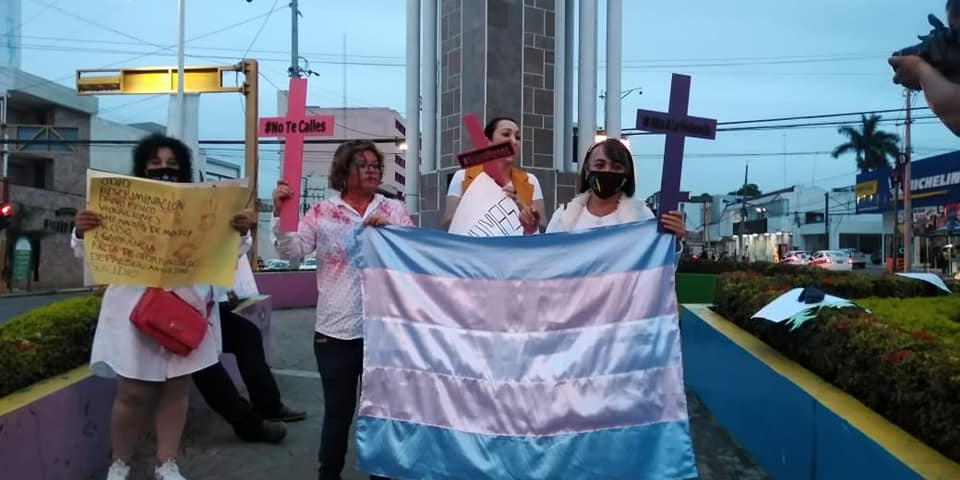
Impunity reigns in Veracruz, the most dangerous Mexican state for LGBT people.
In 2020 alone, there were at least 24 hate crimes. But the state doesn't record them, and the public prosecutor's office doesn't investigate them as such.

Share

Text and photos: Jazz Bustamante
Violence in the state of Veracruz has become a constant. But what happens when the murders of LGBTQ+ people are just another statistic? Why do they become just another news story in the media, often sensationalized?
The State Attorney General's Office almost never makes any statement regarding the cases; they almost never mention the progress of the investigations; the aggressors are almost never captured; there is almost never due process where the investigation files respect the sexual orientation or gender identity of the victims.
This occurs even though in Veracruz there is a reform to the state Penal Code, as well as in 12 other states in Mexico, where there is an aggravating circumstance towards crimes against LGBTI+ people.
False progressivism and violence
Veracruz is located on the Gulf of Mexico and is well known for its massive carnivals, agriculture, livestock, historic cities, and abundant natural resources. There's a social perception that it's a progressive place for gay, lesbian, and transgender people, perhaps due to the carnival celebrations that allude to lust and feature colorful costumes. As many say during those festivities, "anything goes": a perfect excuse for men and women, both adults and young people, to seek new experiences and have encounters with transgender women, transvestites, gay men, bisexuals, or lesbians.
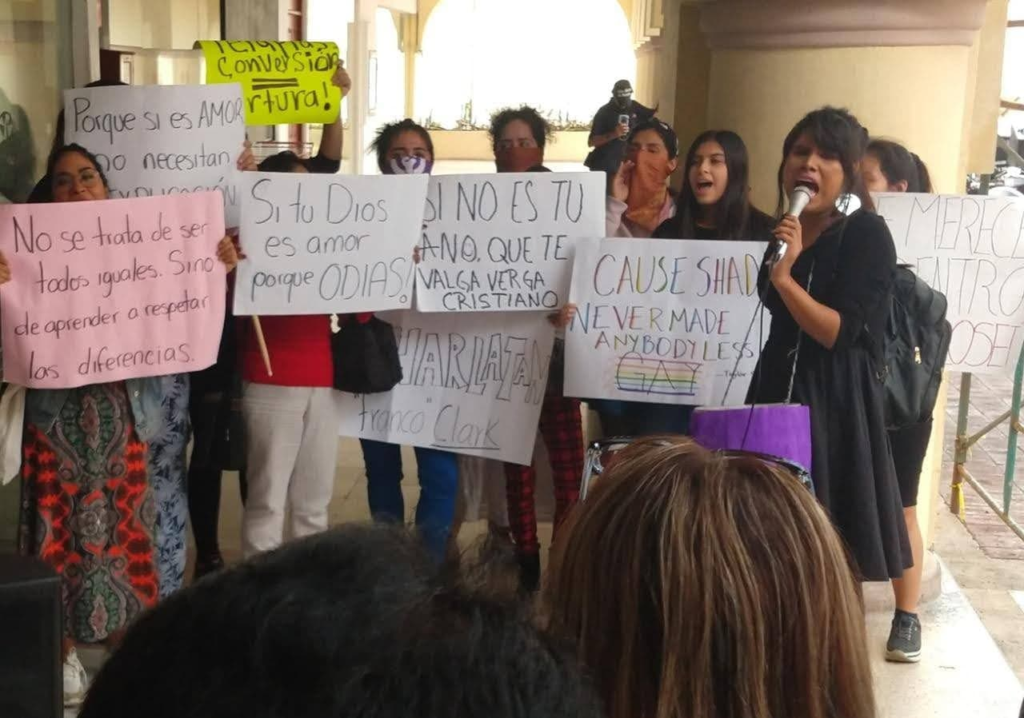
Despite this “progressivism”, the state ranks first nationally in hate crimes committed against LGBTI+ people, according to data from the civil association Soy Humano, the National Observatory of Hate Crimes (Fundación Arcoíris) , and Letra S. It should be remembered that there is no public body that collects official data; the data obtained throughout the country comes from civil society organizations and collectives.
Of the 24 victims of hate crimes based on sexual orientation or gender identity in 2020 , 12 were trans women (Gretell; Brandy; Ana Karen; Anell; Teresa; Denisse; Palacio; Marquesa; Guillen; B.García; Lara; Moraima); two lesbian women (Karina; Susana); one trans man (Erick); and 9 gay men (Juan; Armando; Eduardo; Said; Andrés; Martín; Neftali; Antonio; Ángel).
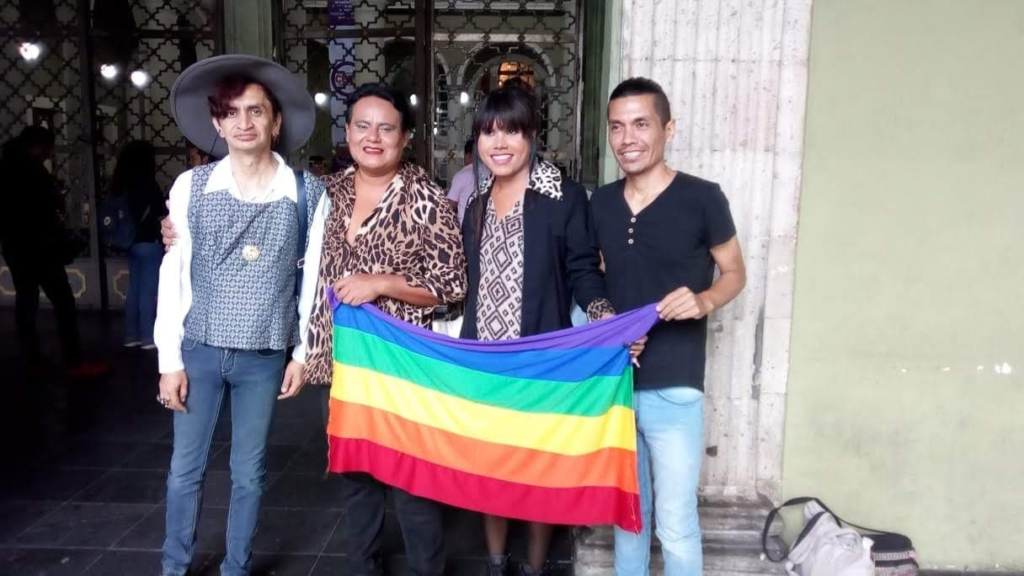
The crimes occurred primarily in the municipalities of Coatzacoalcos, Veracruz, Poza Rica, Papantla, Minatitlán, Acayucán, and San Andrés Tuxtla. The State Attorney General's Office has not classified any of these cases as hate crimes based on the aggravating circumstance of sexual orientation or gender identity, as defined in Article 144 of the Penal Code . This article was amended in 2018; however, resistance persists from both state and national authorities. In the other 12 states that have also amended their penal codes, no case has been classified as a hate crime based on sexual orientation or gender identity, nor on homophobia or transphobia.
Cruelty and impunity
Karina and Maria Susana
In a house with sheet metal and wood painted red, Karina and María Susana, a lesbian couple, were attacked at point-blank range with a firearm.
María Susana was 31 years old and had two minor children. Neighbors reported that Susana's ex-husband was very jealous and constantly expressed his hatred for her lesbian relationship. The couple was attacked by an unknown assailant who got off a motorcycle and went directly into the room where they were, but neither of them was able to identify him.
Karina died there instantly and Susana a couple of hours later at the José Buill Belenguer regional hospital.
Eduardo
On March 2, 2020, Eduardo Hohenstein, 39, was found dead in his home. His father made the discovery after not hearing from him for several hours and went to check on him, finding him wrapped in a sheet in a pool of blood. Eduardo had suffered multiple stab wounds to the chest and his throat had been cut. The incident occurred in the municipality of Córdoba, Veracruz.
Brandy
At the end of August, Brandy Ronzón Huerta was murdered, stabbed multiple times and with her throat slashed. The crime occurred in the municipality of Puente Nacional. The three cases presented here remain unpunished . The lack of legal awareness regarding homophobia, lesbophobia, and transphobia within public institutions creates a legal vacuum that fosters impunity and also means that a gender perspective is not applied in legal proceedings, as there is no specific protocol regarding aggravating circumstances for properly classifying investigation files. This sends a clear message to the public that violence is normalized and that there is a lack of trust in public institutions, leading to a lack of a culture of reporting.
We are present
We are committed to journalism that delves into the territories and conducts thorough investigations, combined with new technologies and narrative formats. We want the protagonists, their stories, and their struggles to be present.
SUPPORT US

FOLLOW US
Related notes

We are present
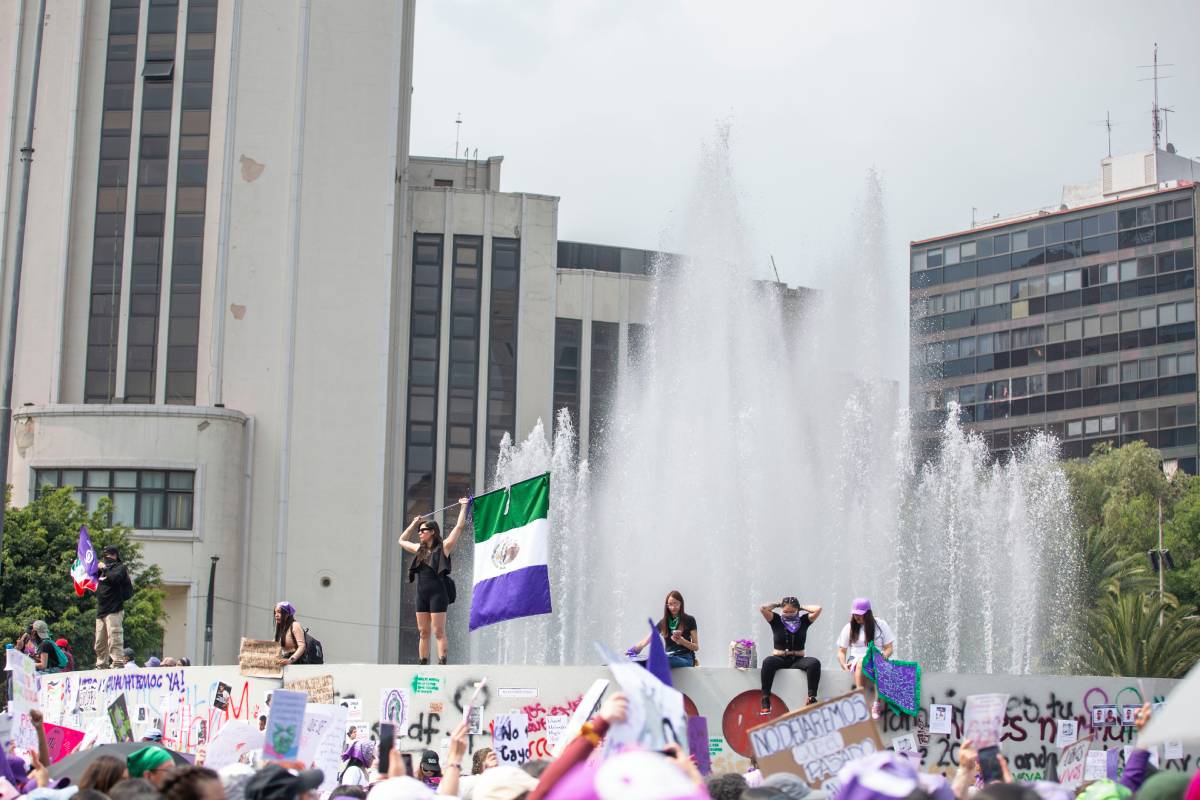
This and other stories are not usually on the media agenda. Together we can bring them to light.