

HIV: States owe us a cure, rights, and quality of life
COVID-19, Argentina 2020: 140,000 people living with HIV in the country, according to UNAIDS; 38 million worldwide. And me, who am I amidst so many figures and numbers?

Share

By Lucas Gutiérrez
Photo: Pablo Gómez Samela
COVID-19, Argentina 2020: 140,000 people living with HIV in the country, according to UNAIDS; 38 million worldwide. And me, who am I amidst so many figures and numbers?
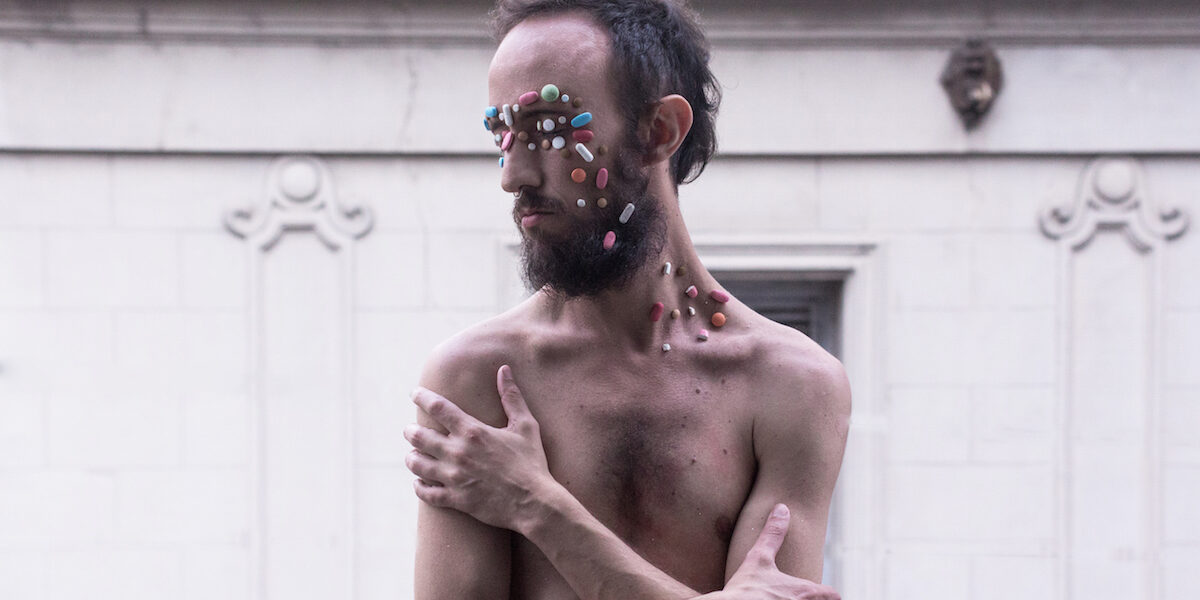
This December 29th marks 12 years since my HIV diagnosis. I've been living with a virus for 144 months. I've lost count of the number of posts about it, photos, performances, articles, interviews, panel discussions, Zoom calls, live streams, and more, all talking about this. But what is this "this"? Is it the virus, or am I the virus? If HIV lives in my physical DNA, it's worth asking what happens to my sociopolitical, personal, and viral identity. Vital.
“The bug,” that pejorative term I adopted to transform the insult into an identity, I sometimes like to imagine it as a fictional narrative. Because it’s my life, and I tell it the way I want. So I like to think of myself as a bug-like, South American X-Men. With a mutant virus in my DNA that gives me the superpower to survive and confront governments that have even gone so far as to take away our Ministry of Health. I develop my feline vision to see beyond the obvious and understand how people see me, not the virus. I run at the speed of thought and self-sabotage, and at the end of the day, sometimes, I defeat it and can understand myself beyond my diagnosis.
HIV and COVID
And in this season of my biographical series based on real-life tragedies, a new scenario emerged: the screenwriter, who is anything but divine, introduced Covid-19. And in the first episodes, the media liked to compare HIV and Covid. When the HIV/AIDS pandemic appeared, nobody cared, for years. They are not the same; our deaths took a long time to receive an answer. And it's a partial answer, because governments still owe us so much. They owe us the cure. They owe us the rights and the quality of life we deserve until that cure arrives.
Recently, UNAIDS Executive Director Winnie Bianyima said that the long-term effects of the COVID-19 pandemic could lead to between 123,000 and 293,000 new HIV infections and between 69,148,000 and AIDS-related deaths between 2020 and 2022. She attributes this to the fact that the COVID situation has restricted access to healthcare for many people.
This year, 2020, with its lockdowns and preventative measures that have prevented so many COVID-19 infections, has also brought problems with getting tested, obtaining antiretroviral medication to start or continue treatment, accessing medical follow-ups, and more. Not to mention the consequences for our work, our social lives, and our morale.
“COVID-19 is threatening the progress the world has made in health and development over the past 20 years, including all the steps taken in the fight against HIV,” said Byanyima, in her letter on the UNAIDS website, where the annual report with data and projections on the current HIV situation is also available.
And all of this has no fixed end date. Meanwhile, the violations are increasing, and those who were already struggling before the pandemic are now struggling even more. And the world is trying to learn to live with a virus again. Yet another one.
Undetectable=Untransmittable is our floor, not our ceiling
For some years now, HIV activism has been focused on disseminating and demanding visibility of the information that if a person living with HIV achieves and maintains an undetectable viral load for more than six months, they cannot transmit the virus during sexual intercourse. This changes and improves our health and our relationships; it is urgent information that needs to be shared. It is information that we all deserve to know. Because we deserve our health, our relationships, our peace of mind. We deserve everything, and more.
But not everyone living with HIV can achieve undetectable viral loads. Sometimes adhering to antiretroviral treatment is difficult. It's not always possible to take that pill. Sometimes it's because we can't, and other times it's because we don't have it, or we don't have a job, food, or a place to take it.
“Even today, more than 12 million people still lack access to HIV treatment,” said Byanyima, Executive Director of UNAIDS. These individuals, along with undiagnosed HIV-positive people, live outside the undetectable-untransmittable (U=U) threshold. Being HIV-undetectable is not a privilege; it is a basic human right. And those who, for whatever reason, cannot achieve it do not deserve any kind of stigma. U=U is information for leading a better life, not for creating first- and second-class HIV-positive individuals.
So once again I'm the math meme, and numbers from a medical report I haven't been able to get for over a pandemic year are hovering over my face. If my HIV count is below a certain number of copies to be undetectable, if my immune system is above average, then all my numbers are for me to be a one.
Behind the figures
Every day I look at the figures for new Covid infections and deaths. I look at the HIV and AIDS metrics. I construct the curves, straight lines, and paths that lead me to conclusions that go to hell when even one person close to me becomes part of that vast number. I respect and need the numbers to understand the context and create a reality on a smaller scale, but then someone I love dies, someone I hug tests positive, someone I know goes from being a statistic to a face, and everything takes on new meaning.
So, me. Me, human. Me, social media profile, me, immune system count, virus copy number, and Instagram follower count—who am I in all this? I clear the X from my own mutant hero, add to my life the plus sign that appeared in my studies twelve years ago, clear and try to clear myself up to finally be one. One not like the U2 song, but more like that tango about searching, full of hope, for the path that dreams promised to their longings. One more.
We are present
We are committed to journalism that delves into the territories and conducts thorough investigations, combined with new technologies and narrative formats. We want the protagonists, their stories, and their struggles to be present.
SUPPORT US

FOLLOW US
Related notes

We are present
This and other stories are not usually on the media agenda. Together we can bring them to light.